
Your Truck Wrap Drives One Route And Your Video Goes Nowhere

You spent real money on the wrap. Full color, your logo, your phone number, maybe a photo of the crew or the finished work. It looks great. It rolls out of the lot every morning and gets seen by whoever happens to be sitting in traffic next to it.
That is the entire reach of the most expensive marketing asset you own. One truck, one route, one metro area, one set of eyeballs per red light. Meanwhile the video of your crew doing the actual work, the footage that would make a stranger trust you in fifteen seconds, is sitting on somebody's phone. It has been posted once, to one platform, or never at all.
You understood distribution when you paid for the wrap. You knew the truck needed to be seen to do its job. Then you built the better asset and parked it.
The Wrap Is A Distribution Decision You Already Made
Think about why the wrap exists. You did not wrap the truck so it would look nice in the garage. You wrapped it because it moves through neighborhoods, sits at job sites, and gets seen by people who might need you later. The whole value is in where it goes.
That is distribution. You already believe in it. You paid a few thousand dollars for it without blinking, because the logic is obvious: the more places the brand shows up, the more people remember it when they need the service.
Now apply the same logic to a video. A clip of your crew on a job, cut to thirty seconds, is a truck wrap that can be in seven places at once. It can sit on TikTok in front of people who have never heard of you, on YouTube in front of people searching for the service, on Facebook in front of the neighbors who share local businesses, on Reddit in the thread where somebody asks for a recommendation. The wrap is stuck on one chassis. The video is not.
One Route Is A Ceiling
The truck has a physical limit. It goes where the jobs are and comes home. If you have three trucks, you have three routes. That is the maximum number of people who will ever see the brand on the road, and most of them are looking at their own phone, not your bumper.
A video has no route. It goes wherever the platform sends it, which is to whoever the platform thinks will watch. A clip that gets a decent response on one app gets pushed to people who have never driven past your shop. The same clip on a second app gets a completely different set of people. On a third, a third set.
You are limiting yourself to the reach of a vehicle when you own something that could reach a city.
The Footage Already Exists
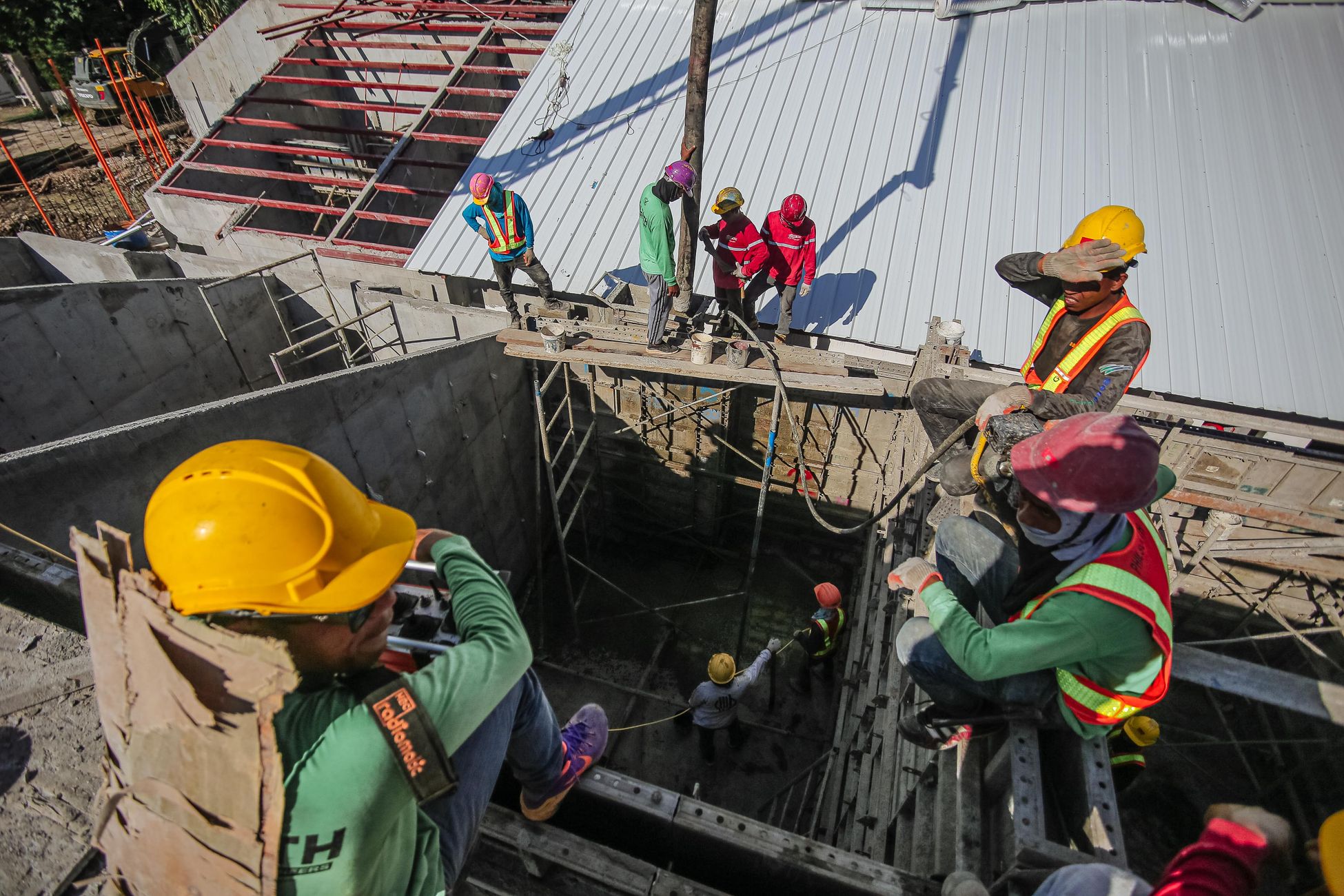
Here is what makes this frustrating. You do not need to produce anything. You have a crew that does visible work every day. Somebody on that crew has a phone. Somewhere in the camera rolls of your team, there are dozens of clips of jobs in progress, before and afters, the truck pulling up, the finished result. Most of them were filmed to send to a customer or to a group chat.
That is raw content. It does not need a script. It does not need a studio. It needs to be cut into short pieces and posted in more than one place. The same thirty seconds that goes on TikTok goes on Instagram Reels, YouTube Shorts, Facebook, Rumble. The longer version goes on YouTube. The best still frame goes on Reddit with a two-sentence description.
One job site clip becomes seven posts. Your wrap cannot do that. It can only be one truck.

Why Service Businesses Get This Backwards
Most service businesses think of social media as something for brands with products to photograph. Restaurants, clothing, gadgets. If you install HVAC or pour concrete or clean gutters, it feels like there is nothing to post.
The opposite is true. Service work is the most watchable content on the internet. People will sit through a full pressure washing video. They will watch a roof get torn off and replaced. They will watch a plumber explain what went wrong under a sink. There are entire channels built on nothing but tradespeople doing their jobs, and those channels have millions of subscribers.
The reason is simple. Most people have no idea what your work actually looks like. Showing them is interesting by default. And the person who watches you do the work three times before they need it is the person who calls you instead of Googling for a stranger.
Your truck wrap says the name. Your video shows the proof. Only one of those closes.
The Wrap Reaches People Who Are Not Ready
Here is the other problem with the truck. Somebody sees it at a red light. They are not thinking about gutters that day. They might remember the name, they might not, and by the time they need the service six months later, the memory is gone.
Video on a platform catches people closer to the decision. On YouTube, the person typed in the problem they are having right now. On Reddit, they asked a question and are reading answers. On Facebook, a neighbor tagged them because they mentioned needing the service. The platform matches the content to the person at the moment it matters.
The wrap is a billboard on wheels. It works, a little, by repetition. The video works by timing, and timing is what turns a viewer into a phone call.
What To Actually Do
Take the next five job sites. Have whoever is there film sixty seconds on their phone. Wide shot of the setup. One close shot of the work in progress. The finished result. If somebody on the crew is willing to talk for ten seconds about what they did, even better. That is all.
Send those clips to whoever handles posting. Every clip gets cut into a short and goes to every short-form platform. The best one each week gets a longer edit on YouTube. Once a week, one goes to Facebook with a local caption, and one goes to a relevant Reddit community as a straightforward post about the job.
That is seven platforms, on a schedule, from footage you were already producing. No new equipment. No new hire. Just the decision to put the work in front of people who are not sitting next to your truck.

The Truck Still Matters
None of this means the wrap was a bad buy. It was a good buy. It is a visible, tangible signal that you are a real business with real equipment. Keep it.
But treat it as what it is: one channel, with a hard ceiling, doing exactly one job. Then build the channel that has no ceiling. The wrap gets you noticed by whoever is behind you. The video gets you noticed by whoever is searching for you, or scrolling past you, or asking their neighbors about you.
You already believe distribution works. You paid for it. Now stop pretending the best content you own belongs on one phone in a glove box.
