
Your Renovation Took Three Months And Produced Zero Posts
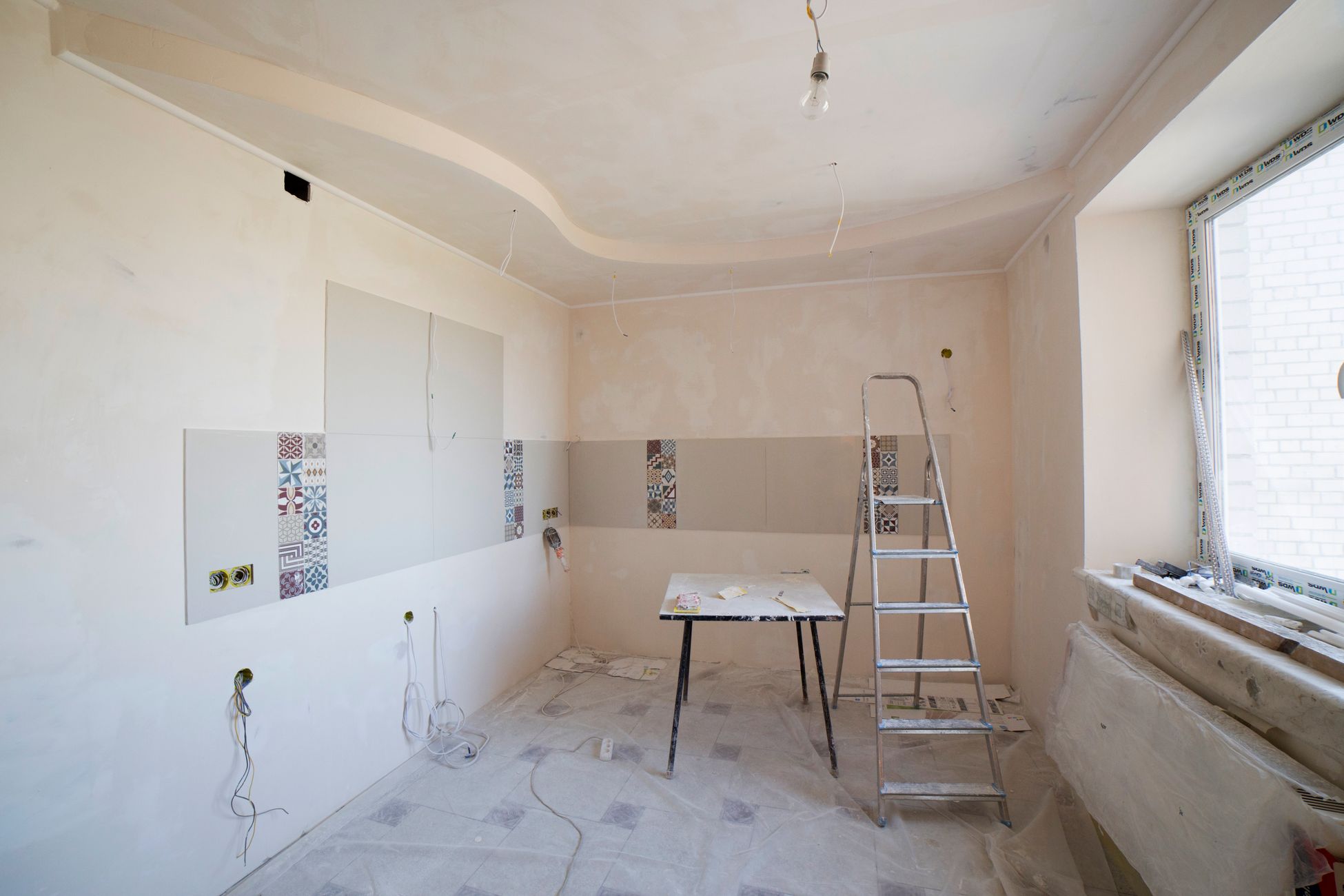
You closed for a while. Or you stayed open and worked around the dust. Either way, for three months there were contractors in your space, walls coming down, new fixtures going in, a floor getting ripped up and replaced. Every day something changed. Every day there was a before and an after.
Then you reopened, posted one photo of the finished room with a caption about being excited to welcome everyone back, and moved on.
Three months of the most naturally interesting content a business can produce, and it turned into one post on one platform. People love watching things get built. There are shows about it. There are channels with millions of subscribers that show nothing but demolition and rebuilds. You had that happening in your own building and nobody outside the four walls saw a second of it.
A Renovation Is A Series, Not A Post
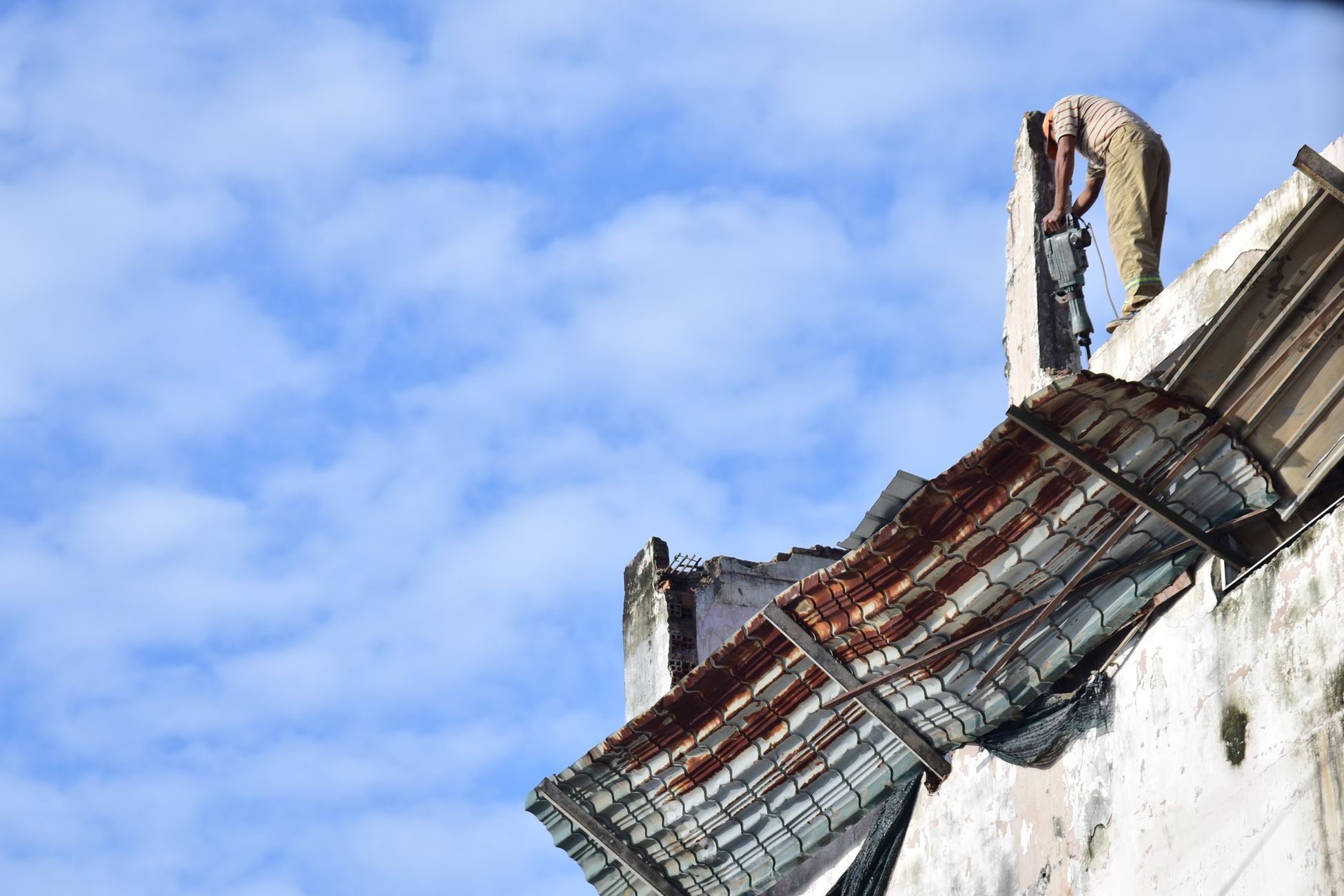
The finished photo is the least interesting part. It is the ending without the story. What people actually want to see is the messy middle: the moment the old counter comes out, the week the floor is bare concrete, the day the new sign goes up, the crew arguing about where the outlet should go.
Each of those is a post. Not a polished one. A phone clip, fifteen seconds, with a line of text about what happened that day. Over three months that is easily sixty clips, and every one of them gives someone a reason to check back and see what comes next.
That is what a series does. It creates a return visit. A single reopening photo gets a like and disappears. A twelve-week rebuild gets people invested in the outcome, and the people who watched the whole thing feel like they were part of it before they ever walked in.
The Content Was Free And You Threw It Away
Think about what that renovation cost. Contractors, materials, lost revenue if you closed, permits, the sign, the furniture. A serious number.
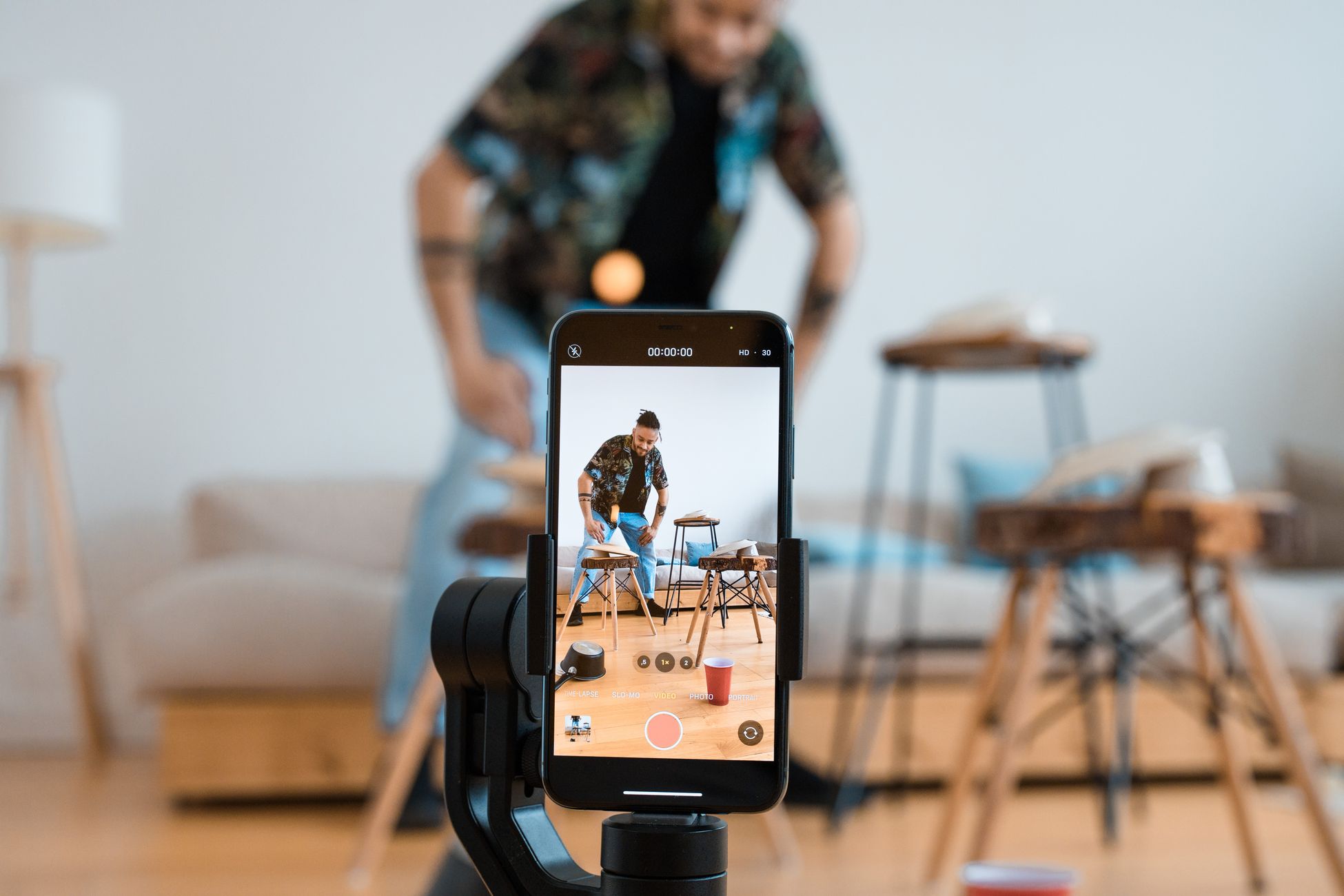
The content it generated cost nothing on top of that. It was happening anyway. All it needed was someone to hold up a phone for thirty seconds a day. Compare that to what most businesses pay to produce content: a photographer for a day, an editor, a strategist telling you what to film. The renovation handed you the material and you did not pick it up.
And the worst part is that you cannot go back. The walls are up. The floor is finished. The story is over and there is no footage of it. The most expensive thing you did this year has no record online beyond one photo.
Every Platform Wanted A Different Piece Of It
Say you had filmed it. Here is where each clip would have gone.
The demolition day, sped up, with the crash of the old counter coming out, is a TikTok and an Instagram Reel and a YouTube Short. Same clip, three feeds, three separate audiences who have never heard of you.
The full walkthrough at the halfway point, five minutes of you explaining what is changing and why, is a YouTube video. That one sits there for years, and anyone in your area searching for your type of business finds it.
The reveal of the new sign goes on Facebook, where local people share it and tag friends who remember the old one.
A photo of the finished space with a short write-up of what you changed and what it cost goes on Reddit, in the community for your city or your trade, where people genuinely want to know how a renovation like that goes.
The same footage, on Rumble, reaches a set of people who are not on any of the others.
One renovation. Seven platforms. Sixty pieces of content. Three months of people watching you build something. You got one photo on one feed instead.
Nobody Saw You Invest In The Business
There is a message inside a renovation that has nothing to do with the new floor. It says: we are not going anywhere. We are putting money back into this place. We are here next year and the year after.
That message matters to customers. It matters to the person deciding whether to sign a year-long contract with you, or whether to drive across town to try you instead of the place around the corner. A business that visibly invests in itself looks stable, and stability is a reason to choose you.
You made that investment and then kept it a secret. The only people who know are the ones who walked past the paper on the windows and wondered whether you were closing for good.
Small Changes Count Too
Maybe you did not gut the place. Maybe you repainted, or replaced the chairs, or put in a new machine. That still counts.
Any visible change in your business is a post. The day the new equipment arrives. The first thing you make with it. The old chair next to the new one. The paint sample taped to the wall before you picked. People are curious about the small decisions behind a business. The details are the content.
The bar for what deserves a post is much lower than most owners think. A new menu board, a rearranged front counter, a fresh coat on the exterior trim. Each one is a small signal that the place is alive and being cared for, and each one is a clip somebody would watch for ten seconds on their way to the next thing.
And if you are planning any kind of update in the next year, decide now that it will be filmed. Not professionally. Just filmed. A clip a day, sent to one place, cut into pieces, posted everywhere. That is the whole plan.
If It Already Happened, Salvage What You Can
Maybe the renovation is done and you filmed nothing. There are still moves.
Ask your contractor. They almost certainly took progress photos for their own records or their own social media. Ask your staff. Somebody sent a photo of the mess to a group chat. Look at your own camera roll. There is probably more than you think.
Then post it as a throwback. A short clip or a set of photos with a line about what it took. It is not as good as posting it live, but it is far better than nothing, and it gives you a month of content from an event you thought was already over.
And then never let it happen again. The next time something changes in your business, somebody films it, and it goes everywhere.
The Building Was The Easy Part
You handled the hard version of this already. You planned a renovation, paid for it, lived through the disruption, and got the result you wanted. That takes more discipline than posting a clip a day.
Distribution is the easy part. It is thirty seconds of filming and a system that takes each clip to every platform without you touching it seven times. That system exists. The only thing you were missing was the decision to treat what happens in your business as something other people would want to see.
They would. They always do. Next time, let them.
