
Your Second Location Opened And Your Feed Never Mentioned It

You opened a second location. That is a massive milestone. It means the first one worked well enough to fund another, that you found a second neighborhood that needed you, that you hired a whole new team and signed a whole new lease and did the whole thing again on purpose.
And the feed posted about it once. A photo of the door, a caption with the address, a round of congratulations from people who already knew. Then it went back to posting the same content it always did, from the same account, aimed at the same town.
The second location is in a different place, with different people, who have never heard of you. That is the entire point of opening it. And the feed that should be introducing you to them is still talking to the customers from the first one.
A New Location Is A New Audience From Zero
Everything you built online belongs to location one. The followers are location one. The reviews are location one. The people who recognize the name are location one. Cross the town line and none of it transfers.
Location two starts at zero, the same way location one did years ago, except now you have the tools to fix that fast and you are not using them. The new neighborhood is full of people who need what you do and have no idea you just moved in next door. They are scrolling every platform, every day. You are on one, posting for the other side of town.
The launch photo reached your existing customers. The new location needed to reach strangers. Those are opposite jobs, and one post did neither well.
The Opening Was Months Of Content You Skipped
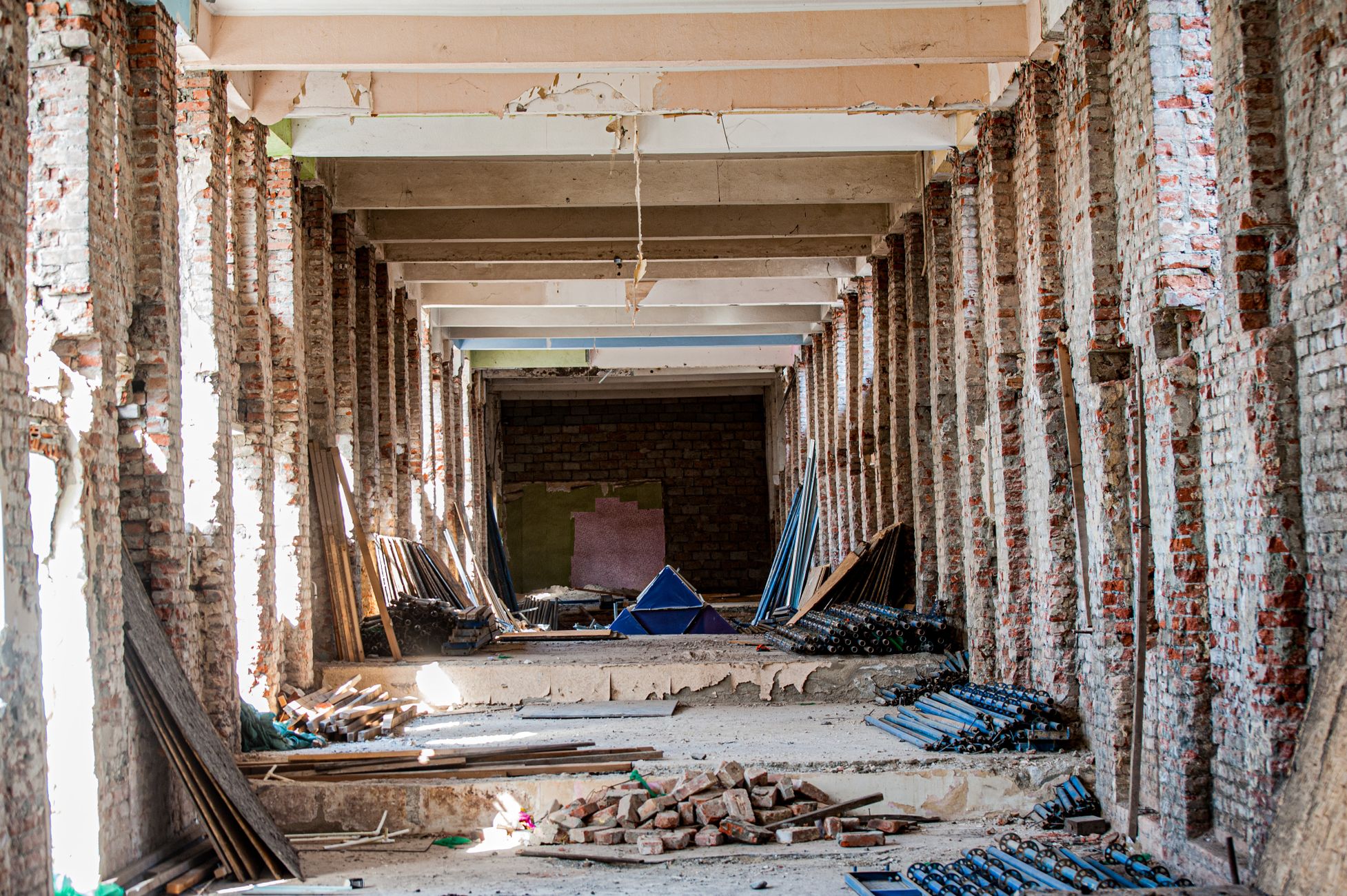
Before the door opened, there was a buildout. Empty space, then walls, then equipment, then signage, then staff training, then the first customer. Every one of those was a post, and every one of them would have been building an audience in the new area before you ever opened.
Imagine a stranger in that neighborhood seeing, week after week, a business getting ready to open near them. The space taking shape. The team getting hired. The sign going up. By opening day, they feel like they know the place. They show up because they watched it happen.
Instead, the first they heard of it was after the fact, if they heard at all.
Two Locations Means Two Sets Of Content On Seven Platforms
Here is what the second location needs, and where it goes.
Short clips of the new space, the new team, the first jobs done there, go to TikTok, Instagram Reels, YouTube Shorts, and Rumble. On those platforms, the content reaches strangers by default, which is exactly who the new location needs.
A longer video walking through the new location, who is there, what they do, and why you opened in that neighborhood goes to YouTube. That one gets found by anyone searching for your service in that area, and it stays up.
A Facebook post introducing the new location to the local community gets shared by neighbors, tagged by people who live nearby, and picked up by the local groups that decide what businesses get talked about.
A post in the Reddit community for that town or neighborhood, honest and specific, saying you just opened, here is what you do, here is who is running it, is exactly what those communities want to see. Most businesses never post there, so the ones that do stand out immediately.
One new location, seven platforms, an audience built from nothing in the place that needed it. That is the launch. A photo of the door was not.
The Old Location Proves The New One
There is one advantage location two has that location one never did. It has a track record to point at.
Every clip from the original location, every finished job, every long-time customer, every year in business, is proof that the new one is run by people who know what they are doing. A stranger in the new neighborhood who sees a clip of the original shop, busy and established, with a line that says the same team just opened near them, does not treat the new location as an unknown. They treat it as an extension of something that already works.
That is the content you already have, pointed at a new audience, on platforms that put it in front of strangers. The history of location one is the trust that location two borrows on day one. But only if somebody posts it where the new neighborhood is looking.
The New Team Is The New Face
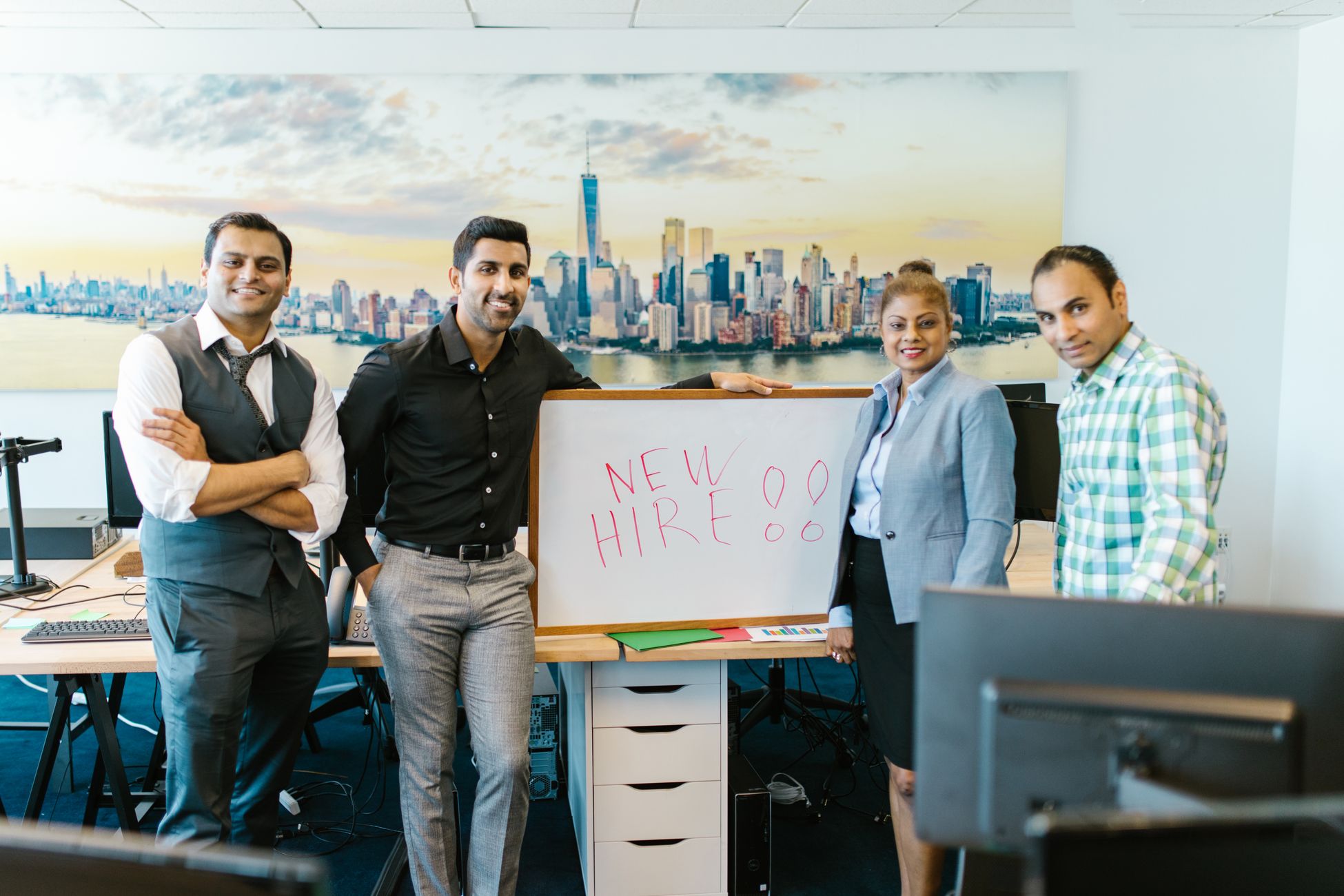
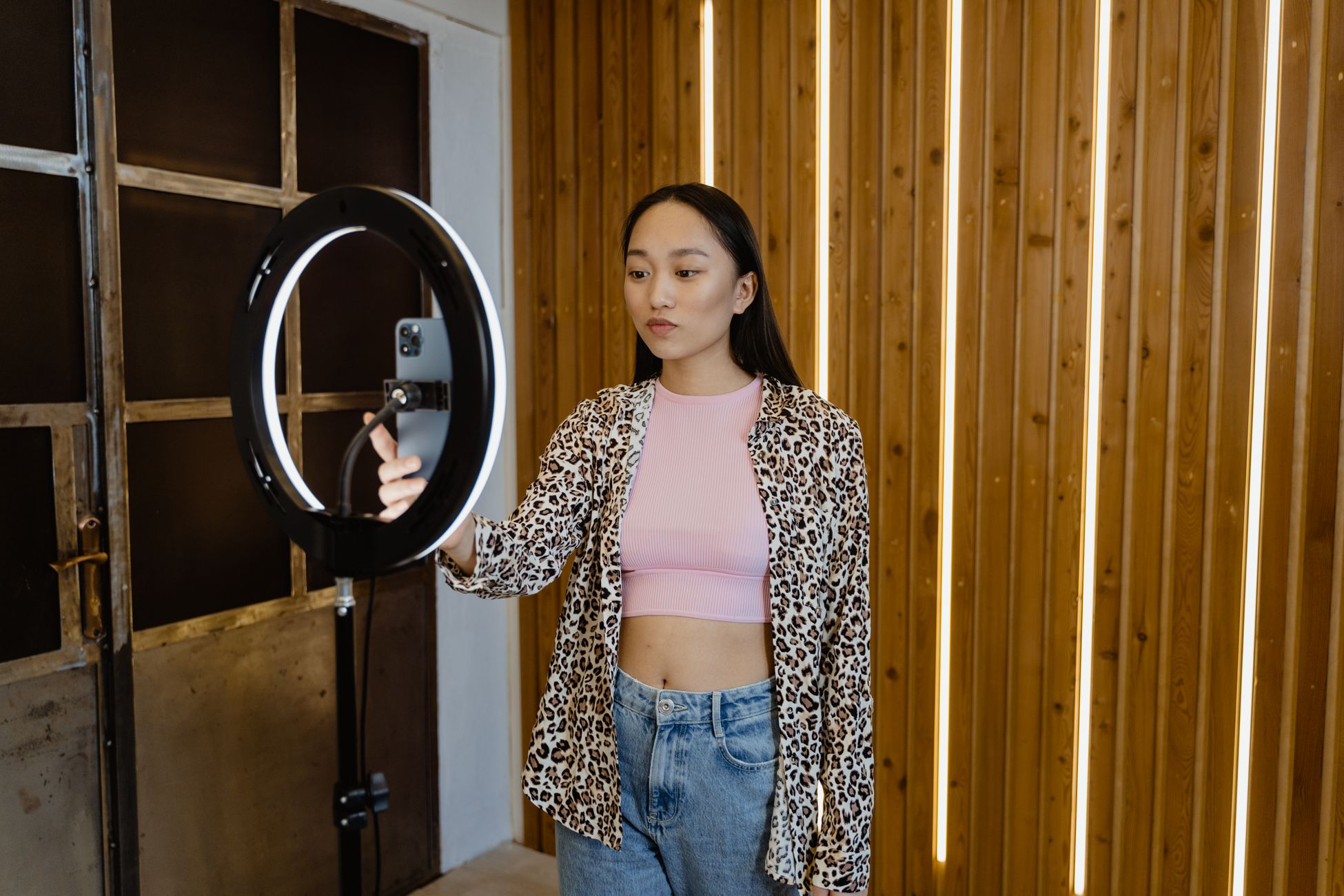
The people at location two are the ones the new neighborhood will actually deal with. Introduce them. Sixty seconds each, on camera, saying who they are and what they do. Post it everywhere.
Strangers trust faces before they trust brands. The manager at the new location, talking plainly about the place, does more to fill the calendar there than the logo ever will. And it gives the new team a reason to care about the feed, because they are in it.
If the only face the new area ever sees is the owner from across town, the location feels like a branch. If they see their own local team, it feels like theirs.
Do Not Let Location One Eat The Feed
The trap is that location one has all the history, all the regulars, and all the easy content. So the feed keeps defaulting to it. Location two gets an occasional mention and never builds its own presence.
Fix that with a simple rule. Every week, a set number of clips come from the new location. The new team films them. They go everywhere, tagged to the new area. Location one keeps its content too, but the new place gets a guaranteed share of every platform until it has its own audience.
You are not splitting attention. You are building a second audience with the same system, the same way you should have built the first one.
Every Future Location Starts The Same Way
If there is a third location coming, or a fourth, this is the playbook. Film the buildout. Introduce the team. Post to every platform, aimed at the new area, before the door opens. Let the neighborhood watch the business arrive.
By opening day there should already be people who feel like they know the place. That is what the feed is for. A launch photo after the fact is a receipt. The content before, during, and after is the launch.
The Door Is Open And Nobody Knows
You did the expensive, difficult, risky thing. You expanded. The new location is real, staffed, and ready. The neighborhood around it is full of the exact customers you opened there to serve.
They are not coming, because the only place you told anyone was a feed built for a different town. Fix that. Film the new place, introduce the new people, and put it on every platform the new neighborhood is already scrolling. Then the second location gets the launch the first one never had.
