
Why Posting Daily on One Platform Is Slower Than Posting Weekly on Seven
Most creators and brands are working harder than they need to. They're grinding out content every single day, burning themselves out, and wondering why their growth feels like it's crawling. Meanwhile, someone else is posting a fraction of that content and still somehow reaching more people, building a bigger audience, and doing it without losing their mind. The difference isn't talent. It's strategy. If you're stuck in the "post every day or die" mentality, this article is going to change the way you think about your content.
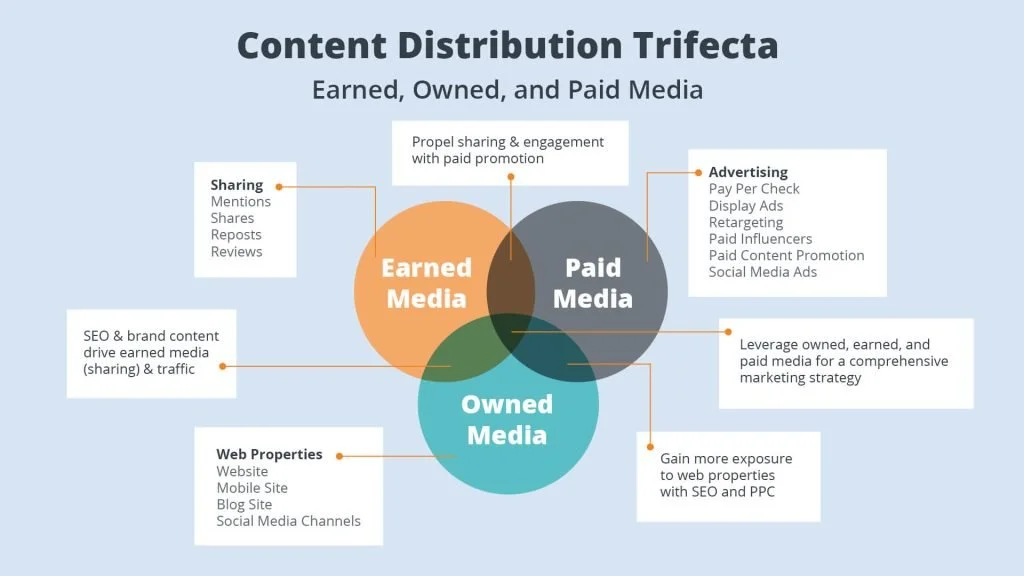
The math here is simple, but it doesn't feel intuitive until you actually lay it out. Posting every day on Instagram, for example, means you're reaching one audience pool, governed by one algorithm, competing inside one content ecosystem. Posting once a week on seven platforms means your content has seven different chances to land, seven different audiences to connect with, and seven different algorithms working in your favor simultaneously. That's not seven times the work. With the right system, it's actually less work, and the growth potential is dramatically higher.
If you've been thinking about expanding your content reach but don't know where to start, that's exactly what services like Multipost Digital are built for. Instead of burning yourself out trying to manage TikTok, YouTube, Instagram Reels, Facebook, Rumble, Reddit, and more on your own, you let a team handle the distribution while you focus on creating. It's the smarter path, and by the end of this post, you'll understand exactly why.
The Problem With Going All-In on One Platform
Here's the brutal truth about platform dependency: you don't own it, and you have zero control over what happens to it. Algorithms change overnight. Reach drops for no apparent reason. Accounts get restricted, shadowbanned, or in worst-case scenarios, deleted entirely. If your entire audience lives on one platform, you're building a business on rented land with a landlord who doesn't care about your growth goals.
Beyond the risk, there's the reach ceiling. Every platform has a natural limit to how far your content can travel when you're starting out or when you're not paying for ads. Organic reach on any single platform is harder than ever. You might post every single day and still plateau because you've saturated the limited pool of people the algorithm is willing to show your content to. The only way to break that ceiling without throwing money at ads is to go wider, not deeper.
Going deep on one platform also locks you into one content format. What works on Instagram might flop on YouTube, and what kills it on Reddit might not translate to Facebook. When you're only on one platform, you lose the ability to discover where your content naturally thrives. Some creators find out completely by accident that their videos blow up on Rumble or that their commentary-style posts get massive engagement on Reddit. You never know until you're there.
Why Multi-Platform Distribution Compounds Faster
Think of your content like seeds. If you plant all your seeds in one small patch of soil, you're limited by the size of that patch. If you scatter those same seeds across seven different fields, you dramatically increase the odds that something grows, and grows big.
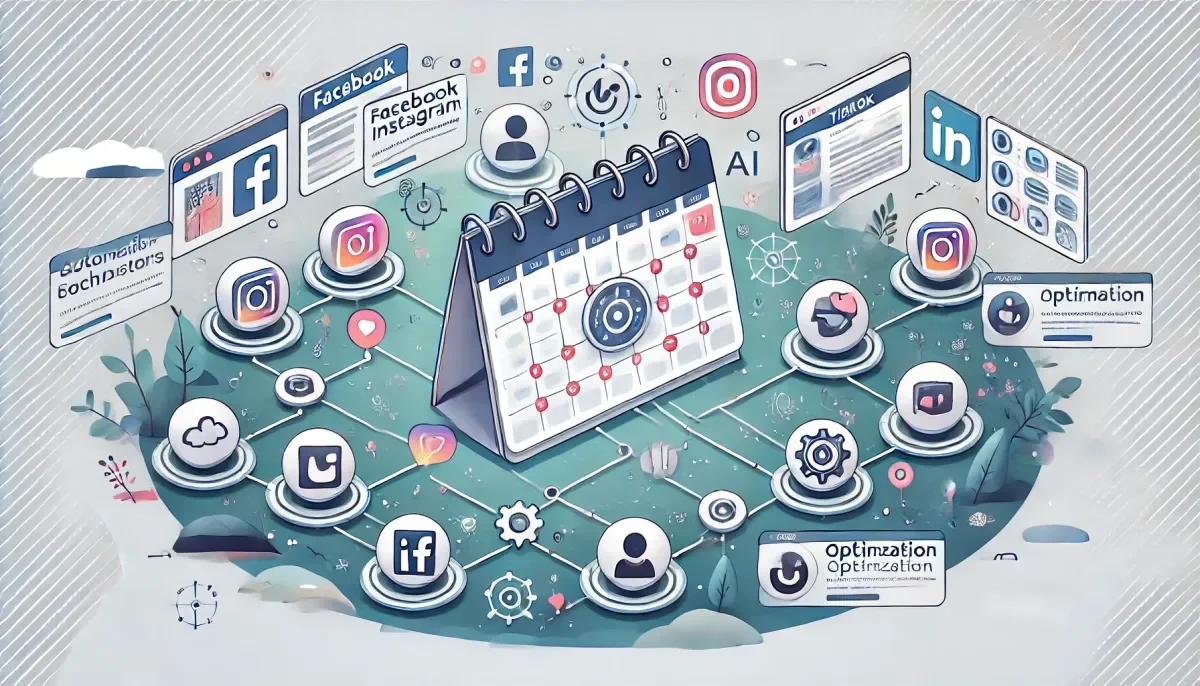
Multi-platform posting works on the same logic. When you publish the same piece of content across seven platforms, you're not just multiplying your reach in a linear way. You're entering seven separate discovery engines. Someone might find you through a TikTok search. Another person stumbles onto your YouTube video through a suggested video sidebar. A third person finds your post on Reddit through a community they follow daily. These are not overlapping audiences. They're completely different people who would never have found you if you had stayed on just one platform.
The compounding effect comes from the fact that each platform builds its own momentum. A video that does well on YouTube starts to get recommended more. A post that gets upvoted on Reddit sits at the top of a community thread for days. A TikTok that catches the right trend cycle gets pushed to thousands of new viewers through the For You page. When these things are all happening for the same piece of content across multiple platforms simultaneously, your overall brand visibility accelerates in a way that single-platform posting simply cannot match.
Repurposing Is Not Cheating, It's Smart
One of the biggest mental blocks creators have when they first hear about cross-platform posting is the idea that they need to create different content for every platform. That belief is both exhausting and wrong. Repurposing content across platforms is not a shortcut or a cheat. It's one of the most efficient content strategies in existence, and major brands have been doing it for years.
A single video can become a TikTok, an Instagram Reel, a YouTube Short, and a Facebook video with almost no extra effort. A blog post can become a Reddit discussion thread, a LinkedIn article, and a Facebook post. A podcast episode can be clipped into multiple short-form videos. The content is the same. What changes is the packaging, and sometimes not even that much.
The key insight here is that your audiences on different platforms are largely not the same people. Someone watching YouTube Shorts is not necessarily on TikTok. Someone engaging on Facebook is not necessarily scrolling Reddit. So when you post the same content across platforms, you're not annoying anyone with repetition. You're meeting completely different people where they already spend their time.
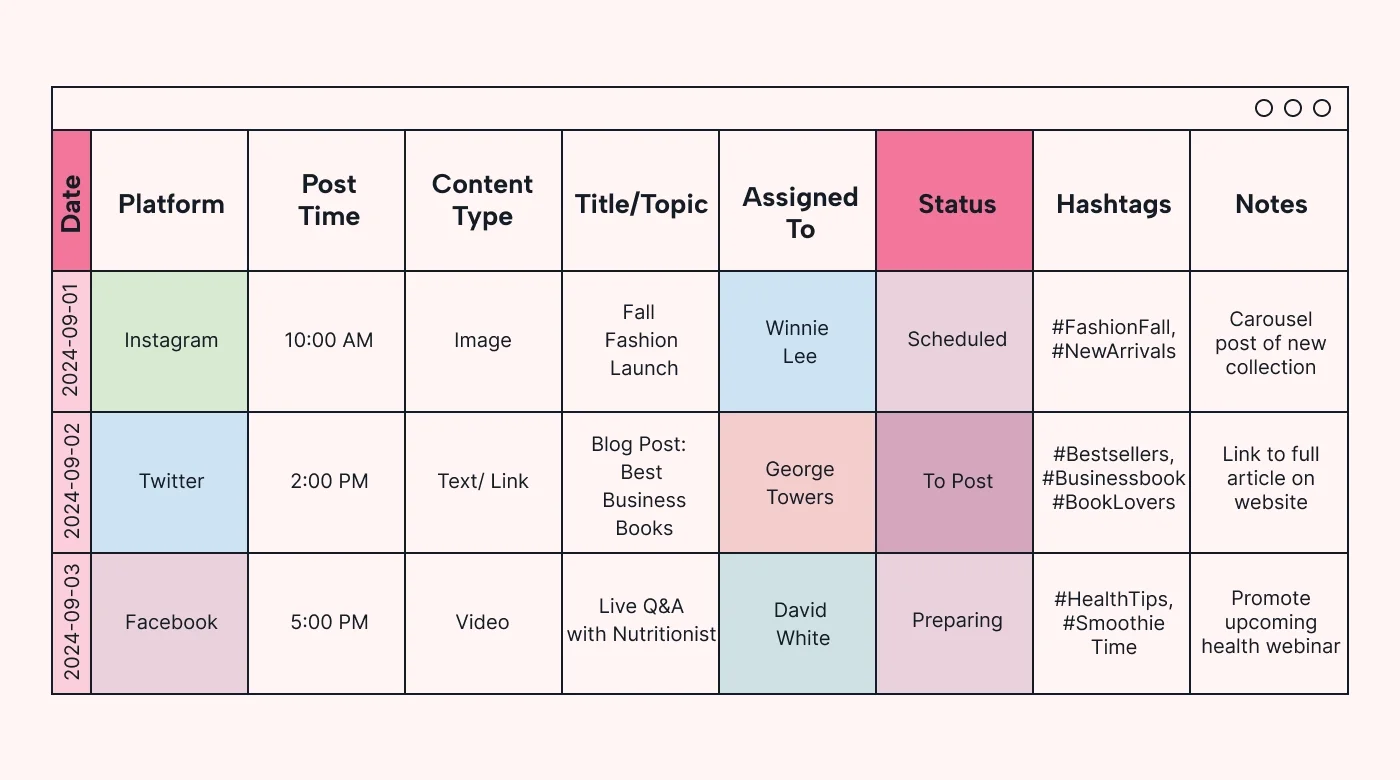
This is exactly the kind of system that Multipost Digital helps brands and creators build. Instead of piecing it together yourself and trying to manage uploads, captions, and schedules across seven or more platforms manually, you hand it off to a team that handles the distribution end while you keep your energy focused on the creative side.
The Time Math Actually Favors Multi-Platform Posting
Let's talk about what daily posting on one platform actually costs you. Let's say you spend two hours a day creating and posting content. That's 14 hours a week. Over a month, that's 56 hours of effort, all funneled into one platform, one algorithm, one audience pool.
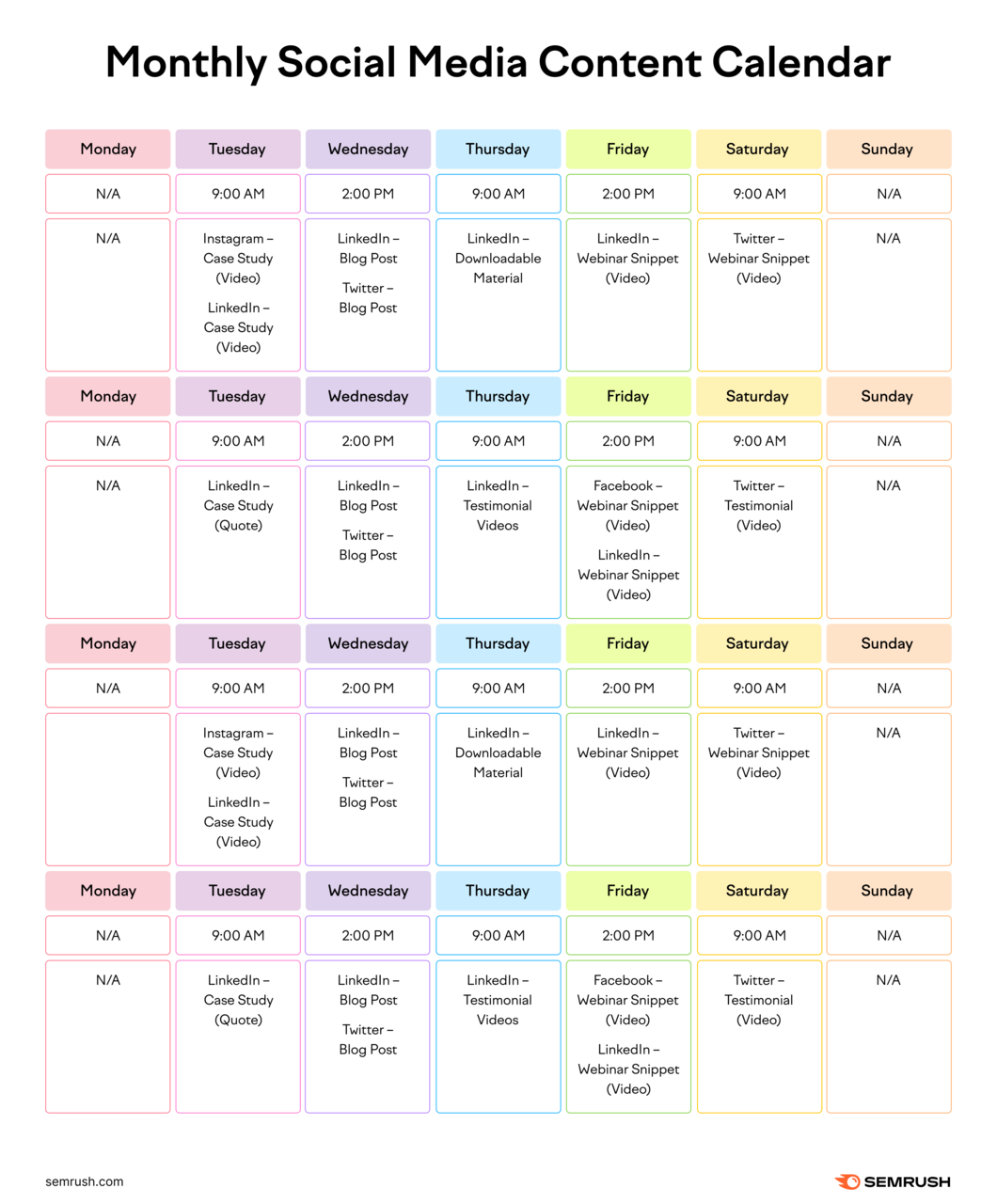
Now consider the alternative. You create two or three solid pieces of content per week and distribute them across seven platforms. Even if you spend the same two hours per piece, you're now reaching seven times the potential audience with the same or less total time investment. When you use a crossposting service to handle the distribution work, you're also getting back the hours you would have spent manually uploading, captioning, and scheduling across each platform individually.
The return on effort is dramatically higher with multi-platform distribution. You're not doing more work. You're doing smarter work.
What This Looks Like in Practice
Here's a simple example. A fitness brand creates one workout video per week. Without multi-platform distribution, that video goes on Instagram and maybe gets a few hundred views. With a proper distribution system, that same video goes on TikTok, YouTube Shorts, Instagram Reels, Facebook, Rumble, and Reddit's fitness communities. Now that single video has the potential to reach tens of thousands of people across different platforms, each with its own algorithm that might pick it up and push it further.
Over time, the fitness brand's audience on each platform grows independently. Their TikTok following builds. Their YouTube channel gains subscribers. Their Reddit presence earns credibility in the community. These are not competing growth channels. They're parallel income streams for attention, and attention is the currency that eventually converts into customers, clients, or revenue.
This is the compounding effect of consistent multi-platform distribution, and it's why brands that commit to this strategy start seeing results that single-platform creators simply can't replicate.
The Bottom Line
Posting daily on one platform feels productive, but it's often just busy work dressed up as a growth strategy. The real growth happens when you stop trying to beat one algorithm and start showing up across multiple ecosystems at the same time. Your content works harder, your audience grows faster, and you stop putting all your eggs in one very fragile basket.
If you're ready to stop grinding on one platform and start building a multi-platform presence that actually scales, the smartest move you can make right now is to get a system in place that handles the distribution for you. Multipost Digital posts your content across 7+ platforms including TikTok, YouTube, Instagram Reels, Facebook, Rumble, and Reddit so you can focus on creating while your reach grows in every direction at once. Check out how it works and start building the kind of presence that doesn't depend on any single platform to survive.
