
The 7-Platform Checklist Successful Creators Use That Most Brands Have Never Heard Of
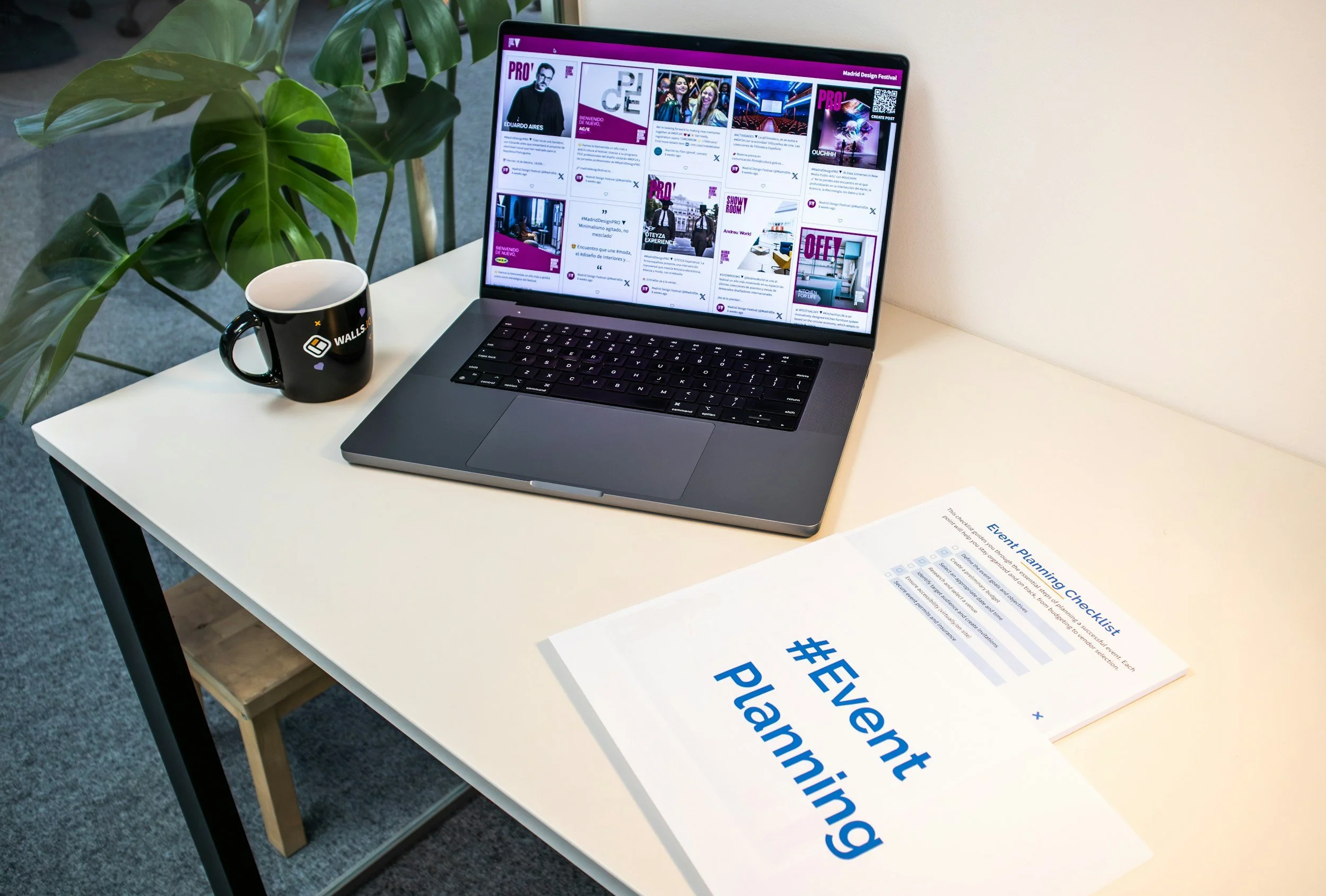
If you've been grinding away at content creation and still feel like you're shouting into a void, there's a good chance you're missing one of the biggest leverage points in the game right now: distributing your content across multiple platforms simultaneously. The creators and brands that are winning in 2024 aren't necessarily making more content. They're making smarter use of the content they already have. If you want to see exactly how this works in practice, check out how Multipost Digital handles cross-platform posting for creators and brands here.
Most brands are still stuck in a single-platform mindset. They pick one channel, pour all their energy into it, and then wonder why growth feels so slow and unpredictable. Meanwhile, the savviest creators out there are quietly running a completely different playbook. They post to TikTok, YouTube, Instagram Reels, Facebook, Rumble, Reddit, and more, all from the same piece of content, and they're building audiences in multiple places at the same time.
This blog is your breakdown of the checklist these creators use, and why most brands haven't caught on yet. Let's get into it.
1. They Start With a "Core Asset" Instead of a Platform-First Idea
The first thing successful multi-platform creators do differently is that they think about content as a core asset, not as a TikTok video or an Instagram Reel. When you create a piece of content, you're building something that can live in multiple formats and multiple places. That mindset shift changes everything.
Instead of asking "What should I post on Instagram today?" they ask "What story, lesson, or value can I create that will translate across platforms?" This might be a 60-second video, a short tutorial, or a hot take on an industry trend. Once the core asset exists, the distribution becomes a system rather than a daily scramble.
The practical takeaway here is simple. Before you hit record or open a design tool, think about where this piece of content could live after you create it. If the answer is only one place, you're leaving serious reach on the table.
2. They Have a Platform Map and They Actually Use It
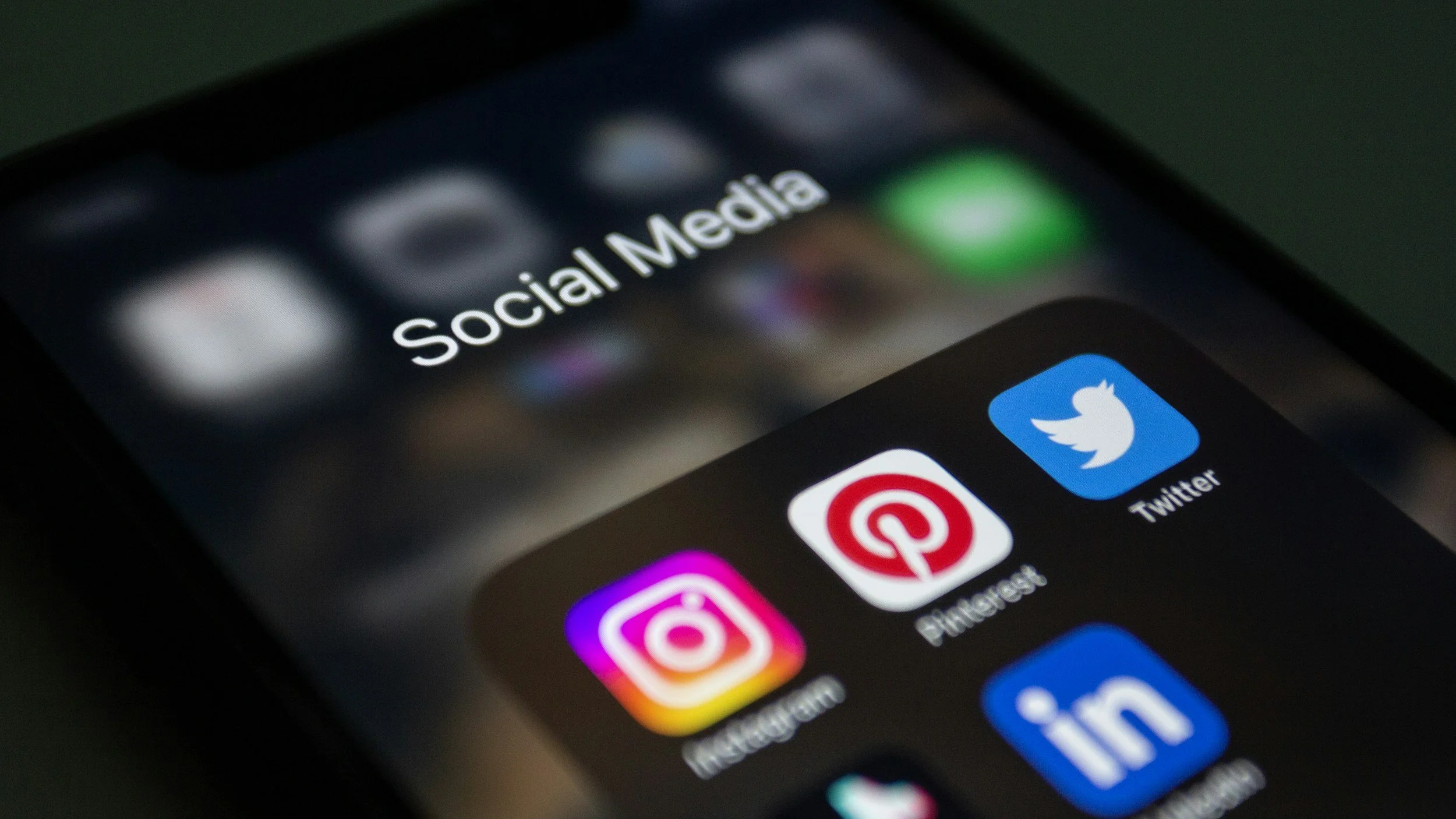
Successful creators know their platform map. This means they've thought through which platforms they post to, what format works best on each one, and what kind of audience lives there. They're not just randomly reposting the same thing everywhere. They're intentional about it.
Here's a basic version of what that map might look like. TikTok and Instagram Reels are great for short, punchy, vertical video content. YouTube works for longer-form videos but also for Shorts. Facebook has an enormous user base and its algorithm still rewards video content heavily. Rumble is a growing platform that many brands haven't tapped yet, especially for audiences that want alternative video content. Reddit is where conversations happen, where niche communities gather, and where the right post can drive serious traffic if it's done correctly.
Having a platform map means you're not guessing. You know where your content is going before you make it, and you can adjust the packaging without changing the core message.
3. They Treat Repurposing as a Core Workflow, Not an Afterthought
This is a big one. Most brands think of repurposing as something you do if you have extra time. Successful creators treat repurposing as a core part of how they work, not an optional bonus.
A single video can become a short clip, a caption, a quote graphic, a Reddit text post, a Facebook update, and a YouTube Short. That's five or six pieces of content from one idea. Multiply that by a consistent posting schedule and you're looking at a content library that grows fast without burning out the creator behind it.
The brands that haven't figured this out yet are the ones creating from scratch for every single platform every single day. That's exhausting and it's not sustainable. Repurposing is the secret to consistency without burnout.
4. They Post Consistently Across All Platforms, Not Just Their Favorite One
Here's something most people don't want to hear: the algorithm doesn't care about your feelings. It rewards consistency. And consistency across multiple platforms at the same time compounds faster than consistency on just one.
When you're posting regularly on TikTok, YouTube, Instagram, Facebook, Rumble, and Reddit simultaneously, you're building multiple audiences that can all eventually funnel toward your brand, your offers, or your community. You're also hedging your bets. If one platform changes its algorithm, tanks your reach, or just has a slow month, you've got five other places where momentum is still building.
Successful creators understand this. They don't put all their eggs in one basket because they've seen what happens when that basket gets dropped.
5. They Know Their Metrics on Every Platform, Not Just One
This is where a lot of brands fall short even when they do start posting to multiple platforms. They check their Instagram insights religiously but have no idea what's happening on their Facebook page or their Rumble channel.
Knowing your metrics across all platforms lets you figure out what's working and where. Maybe your long-form content crushes it on YouTube but your quick tips are getting way more engagement on TikTok. That kind of data is gold. It helps you create smarter content and double down on what's actually resonating.
You don't need to spend hours in analytics dashboards. But you do need to check in regularly and have at least a basic sense of what each platform is telling you about your audience.
6. They Don't Try to Do All of This Alone
This might be the most underrated item on the list. The creators and brands seeing the most growth across multiple platforms are usually not managing all of it by themselves. They've either built a team or they've partnered with a service that handles the heavy lifting for them.
Think about what it actually takes to post consistently to seven platforms. You need to format content for each one, write platform-specific captions, schedule posts at optimal times, and keep track of what went where and when. That's a part-time job on its own, on top of actually creating the content.
This is exactly what Multipost Digital does for creators and brands. You can learn more about how the service works right here. The idea is simple. You create the content. They handle the distribution across 7+ platforms including TikTok, YouTube, Instagram Reels, Facebook, Rumble, Reddit, and more. You get the reach without the logistics headache.
7. They Play the Long Game With Platform Diversification
The final item on the checklist is a mindset thing, but it matters just as much as any tactic. Successful multi-platform creators are playing a long game. They're not chasing viral moments on a single platform. They're building durable presence across multiple channels so that their brand is discoverable no matter where someone is spending their time online.
This is especially important as platforms continue to evolve. The social media landscape five years from now will look different from what it looks like today. Rumble is growing. Platforms that don't even exist yet will emerge. The creators who are already practiced at distributing content across multiple places will adapt to new platforms faster and easier than brands that are locked into a one-platform strategy.
Diversification isn't just a financial concept. It's a content strategy concept, and the brands that understand this early are going to have a significant advantage.
What This Means for You
If you read through this checklist and realized you're only doing one or two of these things consistently, you're not alone. Most brands are in the same position. The difference between where you are now and where the successful multi-platform creators are is mostly systems and support, not talent or ideas.
You probably already have content worth sharing. You might already be creating videos, graphics, or written content on a regular basis. The question is whether that content is working as hard as it could be for your brand, or whether it's sitting on one platform while six others go untouched.
The good news is this is a fixable problem, and it doesn't have to mean more work on your end. See how Multipost Digital helps brands and creators get their content in front of more people across more platforms without doubling the workload.
The creators using this checklist didn't stumble into multi-platform success by accident. They built a system for it. Now you have the checklist. The next step is putting it into action.
