
Why the Algorithm Isn't Punishing You, Your Distribution Strategy Is
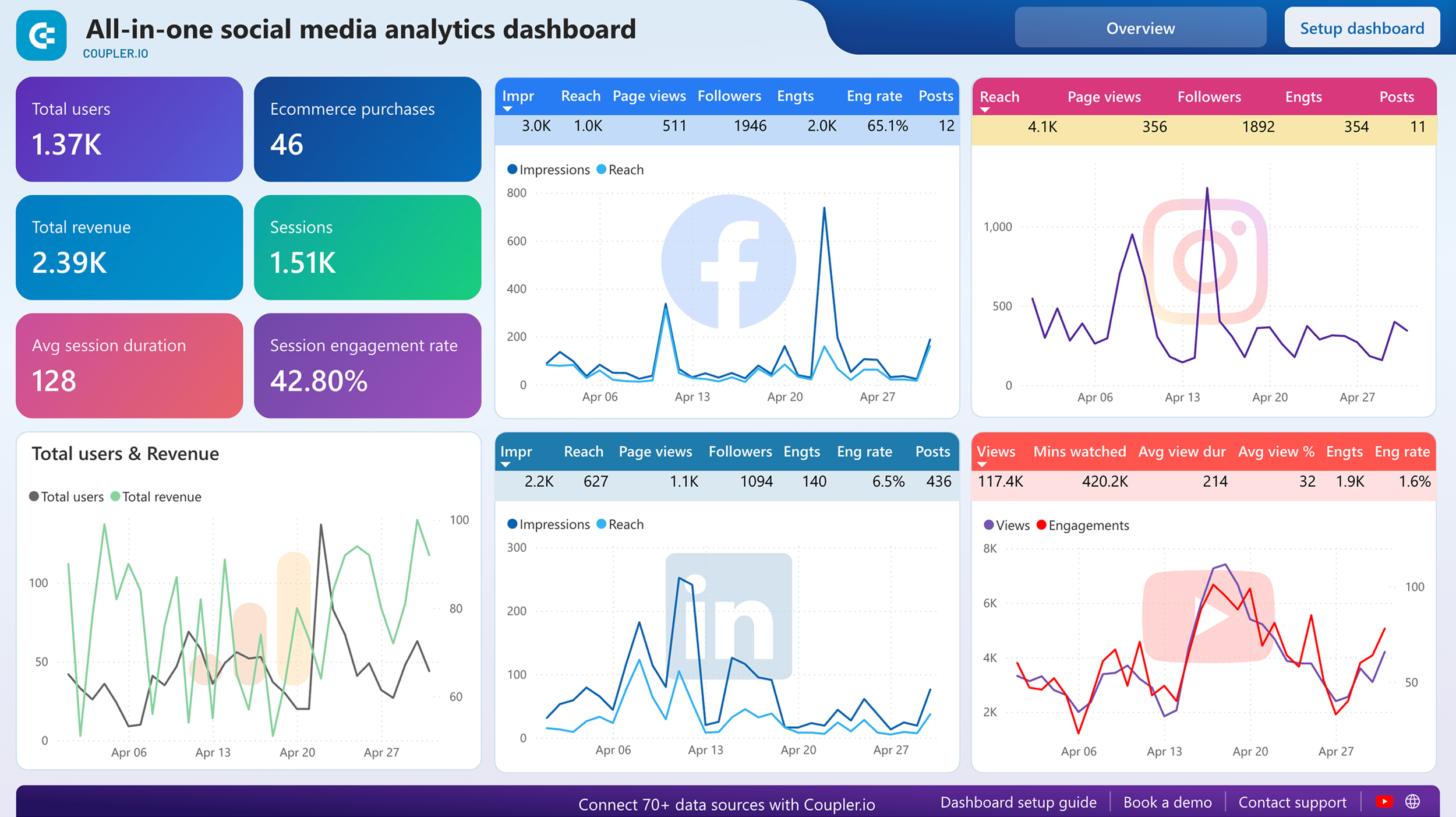
Let's get one thing straight: the algorithm is not out to get you. I know it feels personal. You spend hours crafting a video, writing the perfect caption, choosing the right hashtag mix, and then you post it and hear nothing but crickets. Your engagement tanks. Your views flatline. And your brain immediately jumps to the conclusion that some invisible machine decided you weren't worthy today. But here's the uncomfortable truth that most creators and brands don't want to hear — the algorithm is usually doing exactly what it's designed to do. The problem is that your distribution strategy is broken, and that's on you to fix. If you're ready to stop guessing and start growing, see how Multipost Digital handles distribution the right way.
The good news? This is one of the most fixable problems in content marketing. You don't need a bigger budget. You don't need to go viral. You don't need to post six times a day until you burn out. What you need is a smarter, wider, more intentional approach to where and how your content lands. And once you understand that, everything changes.
This post is going to break down why your distribution strategy might be silently killing your growth, what you should be doing instead, and how thinking about multi-platform presence completely shifts the game for creators and businesses alike.
The Algorithm Is a Mirror, Not a Gatekeeper
Here's a reframe that might change everything for you: algorithms don't suppress content randomly. They reflect audience behavior back at you. When your content doesn't perform, it's usually because the algorithm is showing you that your content didn't connect with enough people fast enough in the right place. That's data. That's feedback. That's not punishment.
Every platform has its own signals it's watching. TikTok cares deeply about watch time and rewatches in those first few hours. Instagram Reels leans heavily on shares and saves. YouTube rewards click-through rates and session duration. Reddit is driven entirely by community upvotes and conversation. Facebook prioritizes content that drives meaningful interactions. Each of these ecosystems has a different culture, a different audience behavior, and a different set of signals it uses to decide what to amplify.
If you're only posting on one platform and wondering why your reach is limited, you're essentially walking into one store and being confused why more people haven't bought your product. Distribution is about showing up where people already are, not just hoping they stumble onto your one channel.
Single-Platform Dependency Is a Silent Growth Killer
This is where so many creators and brands quietly sabotage themselves. They pick one platform, they go all in, and they tie their entire content strategy to whatever that platform decides to do with its algorithm on any given week. That's a fragile strategy. It's not just inefficient, it's genuinely risky.
Think about what happened when TikTok faced potential bans in the United States. Creators with millions of followers suddenly had to confront the terrifying reality that their entire audience lived in a house they didn't own. Brands that had built their entire community on Facebook watched organic reach collapse over the years and had to scramble. Instagram has shifted its algorithm priorities multiple times, each time reshuffling who gets seen and who disappears.
The creators and brands who weathered all of these changes had one thing in common: they were never entirely dependent on a single platform. They had built audiences across multiple touchpoints. When one channel dipped, others held strong. Their content was working in multiple places simultaneously, and that redundancy gave them stability and continued growth even during algorithm shifts.
Repurposing Is Not Laziness — It's Leverage
One of the biggest misconceptions in the creator economy is that repurposing content is cutting corners. It's not. It's one of the smartest content strategies available to any brand or creator who wants to grow without burning out.
A single video can live on TikTok, YouTube Shorts, Instagram Reels, Facebook, Rumble, and beyond. A podcast episode can be clipped into short-form video, turned into quote graphics, and posted as written content on community platforms like Reddit. A blog post can become a script. A script can become a video. A video can become a thread.
The content you're already creating has multiple lives in it. The problem is that most people only unlock one of them. They post it once, in one place, watch it underperform or do okay, and then move on to creating something entirely new. Meanwhile, that same content could be reaching completely different audiences on platforms they've never even posted on, with almost no additional creative effort.
When you think about your content as a distribution asset rather than a one-time post, you start making decisions differently. You create things that are designed to travel. You stop thinking about whether a post did well on Instagram and start thinking about whether the idea is resonating across platforms. That shift in thinking is worth more than any algorithm hack you'll ever read about.
Where Most Brands and Creators Go Wrong
The gap between knowing you should be on multiple platforms and actually being consistently present on multiple platforms is enormous. Most brands and creators acknowledge they should be diversifying. But the execution falls apart almost immediately because it's genuinely time-consuming and complicated.
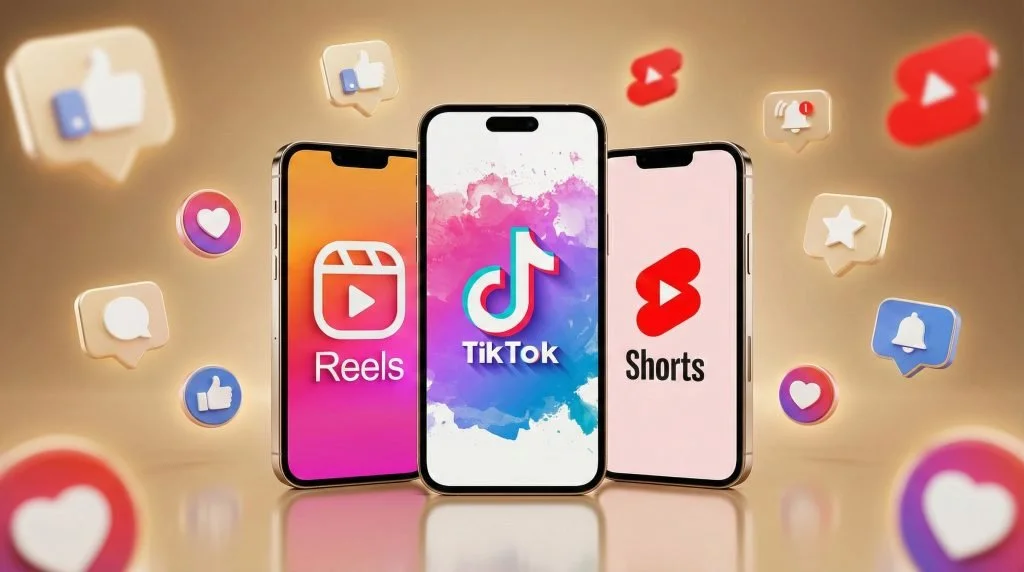
You have to learn each platform's native formatting. TikTok and Reels want vertical video with captions. YouTube Shorts has its own thumbnail and title logic. Rumble has a different upload process. Reddit requires you to understand community culture or you'll get downvoted into oblivion immediately. Facebook has its own posting best practices. Managing all of that while also running a business or creating consistent content is genuinely overwhelming.
So what ends up happening? People post on one or two platforms they're comfortable with and tell themselves they'll figure out the rest later. Later never comes. Their distribution stays narrow. Their growth stays slow. And they keep blaming the algorithm.
The fix isn't grinding harder on your own. The fix is getting your distribution handled so your content actually reaches its potential.
What a Real Distribution Strategy Looks Like
A real distribution strategy starts with one question: where is my audience spending time that I'm not currently showing up? The answer for almost every brand and creator is the same: multiple platforms you're not consistently using.
A strong strategy involves consistent posting across high-traffic platforms, content formatted natively for each one, and a system that makes it sustainable long-term. You want your short-form video showing up on TikTok and Reels and YouTube Shorts and Facebook and Rumble. You want your ideas making it to communities like Reddit where your target audience is actively searching for content and conversations that match what you do. You want YouTube to be building a searchable library of your content that compounds in value over time.
This isn't just about reach. It's about surface area. The more places your content lives, the more opportunities exist for discovery, for shares, for someone to find you and become a loyal follower or customer. Every platform you're absent from is a door you've left closed.
The Time Problem Is Real, and It Has a Solution
There's a reason more people aren't executing a proper multi-platform distribution strategy on their own: it takes a significant amount of time. Resizing content, writing platform-specific captions, scheduling posts, managing comments, understanding what's performing where — it adds up fast. For a solo creator or a small business team, it can easily consume more time than the content creation itself.
This is exactly why working with a team or agency that specializes in cross-platform posting changes everything. Instead of spending your hours learning the technical requirements of every platform and manually uploading content six different ways, you focus on what you actually do well: making great content, serving your audience, and growing your business. The distribution gets handled consistently, professionally, and at a scale that would be impossible to sustain on your own.
Multipost Digital works with creators and brands to get content posted across platforms including TikTok, YouTube, Instagram Reels, Facebook, Rumble, Reddit, and more. The goal is simple: your content should be working as hard as possible in as many places as possible, without you having to triple your workload to make it happen.
Stop Blaming the Algorithm and Start Fixing the Real Problem
The algorithm is not punishing you. It's reflecting the reality of a narrow distribution strategy back at you. Every time you post in one place and wonder why it's not growing fast enough, the answer is almost always that you're not giving your content enough places to live and enough audiences to reach.
The creators winning right now are not necessarily the most talented or the most consistent. They're the ones who have figured out that distribution is a multiplier. They're showing up in more places, reaching more people, and building more resilient audiences that don't collapse when one platform has a bad algorithm week.
You have the content. You have the ideas. What's missing is the strategy and the system to make sure that content is actually being seen. Start thinking about distribution as seriously as you think about creation, and you'll start seeing growth that feels less like luck and more like a result.
