
How One Piece of Content Can Work for You Across 7 Platforms While You Sleep
You filmed a video. Maybe it took you 20 minutes, maybe it took you two hours. You edited it, captioned it, added music, and posted it to one platform. Then you moved on. Sound familiar? Here's the thing most creators and brands are completely missing: that one video, that one piece of content you worked hard on, has the potential to reach thousands, maybe hundreds of thousands, of people across multiple platforms simultaneously. But if you only post it in one place, you're leaving most of that value on the table. If you're ready to stop doing that and start getting more out of every post, check out how Multipost Digital works here.
The internet is not one place. People are not all hanging out on the same app. Your potential audience is scattered across TikTok, YouTube, Instagram, Facebook, Rumble, Reddit, and beyond. Each platform has its own community, its own algorithm, and its own loyal users who might never cross over to the other apps. When you only post on one platform, you're speaking to one room. When you post everywhere, you're speaking to the entire building.
This blog is going to break down exactly how one piece of content can keep working for you around the clock, across seven different platforms, without you having to start from scratch every single time. Whether you're a solo creator trying to build an audience, a small business owner who wants more visibility, or a growing brand that needs to scale content output without burning out your team, this is for you.
The Myth That You Need Different Content for Every Platform
A lot of creators hesitate to post on multiple platforms because they assume they need to create entirely different content for each one. That belief is holding you back. While some light adjustments for each platform can certainly help, the core of your content, your message, your story, your value, works everywhere.
A short-form video that performs well on TikTok can absolutely live on Instagram Reels, YouTube Shorts, Facebook Reels, and Rumble. The format is the same. The hook is the same. The value is the same. You are not creating seven pieces of content. You are distributing one piece of content to seven different audiences. That is an entirely different workload, and it is one that is completely manageable when you have the right system in place.
Think about what your content is actually doing. It is introducing people to you. It is solving a problem, entertaining, informing, or inspiring. None of those things are platform-specific. A funny cooking video does not stop being funny because it moved from TikTok to YouTube Shorts. A helpful tutorial does not lose its value when it goes from Instagram Reels to Facebook.
What Happens When You Post Across Multiple Platforms
Let's get specific about the math here. Say you post one video and it gets 1,000 views on TikTok. That's a decent result. But what if that same video also gets 600 views on YouTube Shorts, 400 views on Instagram Reels, 300 on Facebook, 150 on Rumble, and some additional engagement on Reddit? Now that one video has generated over 2,400 views total. You did the work once and got more than double the return.
But it goes deeper than just raw numbers. Each platform has an algorithm that rewards consistent posting. When you post regularly across multiple platforms, you're feeding multiple algorithms simultaneously. That means more opportunities for your content to get pushed out to new audiences, more chances to go viral, and more surface area for people to discover you and follow you across platforms.
There's also the trust factor. When someone sees you on TikTok and then finds you on YouTube and then discovers you on Instagram, something shifts. You stop looking like a one-hit wonder and start looking like an established presence. You look legit. You look consistent. And in a world where people are extremely skeptical about who to follow and who to trust, that kind of omnipresence is incredibly powerful.
The Time Problem and Why Most People Don't Do This
If multi-platform posting is so obviously beneficial, why doesn't everyone do it? Time. Or more accurately, the perception that it takes too much time.
And honestly, if you're doing it manually, it does take a lot of time. You have to log into each platform separately. You have to upload the file, write the caption, choose the thumbnail, add hashtags, schedule it, and then repeat that process seven more times. It's tedious. It's repetitive. It's the kind of work that makes you want to just post on one platform and call it a day.
That is exactly the problem that Multipost Digital was built to solve. The whole idea is that you should not have to choose between reaching more people and protecting your time. You create the content. You hand it off. It gets distributed across all your platforms while you focus on the next piece of content, or on running your business, or on literally anything else you'd rather be doing.
Learn more about how Multipost Digital handles multi-platform posting for creators and brands here.
Why Each Platform Actually Matters
Let's quickly walk through why you want to be showing up on each of these platforms and who is actually there waiting to discover your content.
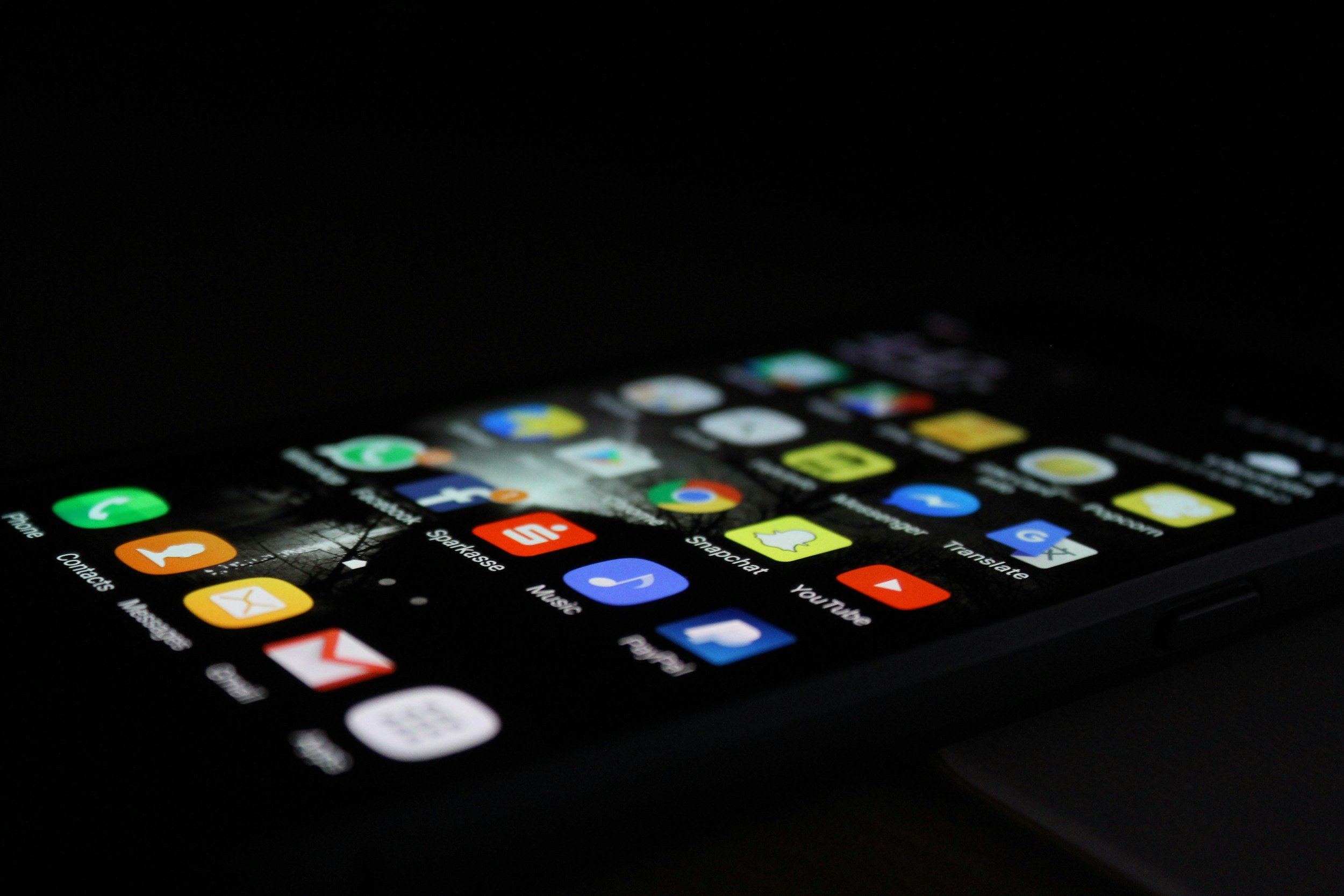
TikTok is still the most powerful discovery engine for short-form video. Its algorithm is uniquely built to push your content to non-followers, which means it's one of the best places to get found by brand new audiences. YouTube, on the other hand, is a search engine. People go to YouTube looking for answers, tutorials, and entertainment. Your content lives there long-term and keeps getting found months or years after you post it.
Instagram Reels is where a huge portion of the millennial and Gen Z audience still spends their time. Facebook might feel old to some creators, but it has an enormous active user base, particularly for ages 30 and up, and local community engagement remains incredibly strong there. Rumble has grown significantly as a platform for creators who want to build without worrying about content restrictions, and it has its own dedicated user base that doesn't fully overlap with YouTube.
Reddit is a different animal entirely. It is community-driven, conversation-based, and when your content lands in the right subreddit, it can spread quickly through a highly engaged niche audience. That kind of targeted reach is something no other platform quite replicates.
Consistency Is the Game Changer
Here's a truth that almost every successful creator will tell you: it's not about any single post. It's about showing up consistently over time. The creators and brands who win are the ones who are still posting six months from now, a year from now, two years from now.
Consistency builds trust. It builds algorithm favor. It builds an audience that knows when to expect you and comes back for more. But consistency is brutally hard when you're manually managing seven platforms, writing captions, tracking hashtags, and juggling everything else that comes with running a brand or a business.
This is where a management system matters. When you have a team or a service handling your distribution and posting schedule, consistency becomes automatic. You're no longer relying on willpower and spare time to show up. You're built into the system. The content goes out. The platforms stay active. The algorithms keep working in your favor.
Repurposing Goes Even Further
Beyond just crossposting the same video, there's an even bigger opportunity in repurposing content across different formats. A long-form YouTube video can be clipped into short-form content for TikTok and Reels. A blog post can become a video script. A podcast episode can become quote graphics, short clips, and a written summary. Your best-performing content from one platform can be reposted to another where it has never been seen before.
The point is that every piece of content you create has multiple lives. You just need a strategy and a system for unlocking all of them. Most creators create content and then stop. The smart move is to create content and then keep deploying it.
What This Looks Like in Practice
Here's a simple example. You run a fitness brand. You film a five-minute workout tip video. That video gets posted to TikTok, YouTube Shorts, Instagram Reels, Facebook, and Rumble. A 30-second clip of that video gets posted separately to drive curiosity and clicks to the full version. The transcript of the video gets turned into a Reddit post in a fitness community that starts a conversation and drives people back to your profiles.
That is one idea, one filming session, five to seven touchpoints across different audiences. Some of those people will follow you. Some will share your content. Some will visit your website or buy your product. All of that from one workout tip video that you filmed in your living room.
That is the power of multi-platform content strategy. That is what you are missing when you post in one place and move on.
The Bottom Line
Your content deserves more reach than one platform can give it. Your audience is not all in the same app. Your time is too valuable to be spent manually uploading the same video to seven different places. And your brand is too important to be invisible on platforms where your potential customers and followers are actively spending time every single day.
The solution is not to work harder. The solution is to build a smarter system. Post once, reach everywhere, and let your content keep working for you long after you've moved on to the next idea.
