
Stop Building on Rented Land: Why Single-Platform Creators Are One Update Away From Zero
Let's be honest with each other for a second. If every single view you get, every follower you've earned, and every dollar you make online is tied to one platform, you are not building a business. You are building a sandcastle and hoping the tide never comes in. The creators and brands who figured this out early are the ones still standing after every algorithm change, policy update, and platform-wide meltdown that sends everyone else into a panic. If you're ready to stop gambling with your audience and start building something real, Multipost Digital can show you exactly how we help creators post across 7+ platforms without the chaos.
The thing is, most people already know this on some level. They know they should be on more platforms. They've told themselves they'll "get around to it" after they hit some milestone on their main platform. But that milestone keeps moving, and meanwhile, they're one shadow ban, one policy change, or one bad algorithm update away from watching months or years of work disappear overnight. That is not a hypothetical. That is a pattern that plays out constantly, and if you've been creating long enough, you've either lived it yourself or watched someone else go through it.
This post is about why multi-platform distribution is not optional anymore, what the real risks are of staying on a single platform, and how to think about your content strategy in a way that actually protects what you're building.
The Platform Is Not Your Friend
Here's something that platforms don't put in their onboarding emails: they don't actually care about your business. They care about keeping users on their platform, selling ads, and growing their own metrics. You are a content supplier that makes their product more valuable. The moment your content stops serving their goals, their algorithm will simply stop showing it to people.
This is not cynicism. This is just how the business model works. TikTok has throttled reach for creators who post links to outside websites. Instagram has notoriously punished posts that mention competitor platforms. YouTube demonetizes videos almost randomly, and appeals take weeks. Facebook organic reach has been declining for over a decade at this point. Every single one of these platforms is optimizing for their interests, not yours.
When you build your entire audience on one platform, you are accepting 100% of the risk and keeping very little of the control. You are a tenant in someone else's building, and they can change the rent, the rules, or the locks at any time.
What "Platform Collapse" Actually Looks Like
People hear "platform collapse" and they imagine something dramatic, like a platform shutting down. But the real version is much quieter and much more common.
It looks like waking up one morning and noticing your views dropped 60% with zero explanation. It looks like a community guideline strike that takes down your highest-performing video. It looks like a monetization policy update that cuts your ad revenue in half. It looks like a new feature rollout that buries your content type because the platform is pushing something else. These things happen constantly, and when your entire strategy lives on one platform, every one of them is a crisis.
The TikTok ban scare in the United States was a perfect example of this. Millions of creators who had spent years building followings in the hundreds of thousands or even millions were suddenly facing the real possibility that it could all be gone. Some of them had backup accounts on other platforms. Most of them didn't, not real ones. Not ones with actual audiences. They were starting from scratch in a panic, which is the worst possible time to try to build anything.
The Math of Multi-Platform Distribution
Here's where the thinking shifts for most people. They look at being on multiple platforms and think about all the extra work. Separate accounts to manage, different video formats, different captions, different posting schedules. It sounds exhausting, and if you're doing it manually, it genuinely is.
But flip the math around. One piece of content, posted across seven platforms, gives you seven separate chances to be discovered, seven separate audiences that can grow independently, and seven separate relationships with platforms that each have different rules and different user bases. If one platform punishes your content, six others still have it. If one platform collapses, six others still have your audience.
The content you're already making is valuable enough to exist in more places. A YouTube video can become a YouTube Short, an Instagram Reel, a TikTok, a Facebook video, and a clip on Rumble. A podcast episode can become a Reddit thread, a short-form video, and a series of posts. You don't necessarily need to create more content. You need to distribute the content you already have more intelligently.
This is exactly what a crossposting and management service handles. Instead of you spending hours reformatting, uploading, captioning, and scheduling across platforms, it gets handled for you so you can stay focused on creating.
Why Repurposing Is Not Lazy, It's Smart
There's a weird stigma among some creators about posting the same content across multiple platforms. They feel like it's somehow cheating, or that audiences will notice and care. Here's the reality: the overwhelming majority of your audience on TikTok has never seen your Instagram. Your YouTube subscribers are largely not following you on Facebook. These are different groups of people living in different parts of the internet.
Repurposing content is not being lazy. It is being efficient with something you already worked hard to create. Professional media companies have done this forever. A newspaper article becomes a radio segment becomes a TV spot. A movie becomes a streaming release becomes a physical DVD. Distributing the same core content across different formats and channels is literally how media works at scale.
The creators and brands that are growing fastest right now are not creating ten times more content than everyone else. They are creating solid content and making sure it reaches people everywhere those people already spend time online.
Platforms Worth Being On Right Now
Different platforms serve different purposes, and a smart multi-platform strategy takes that into account.
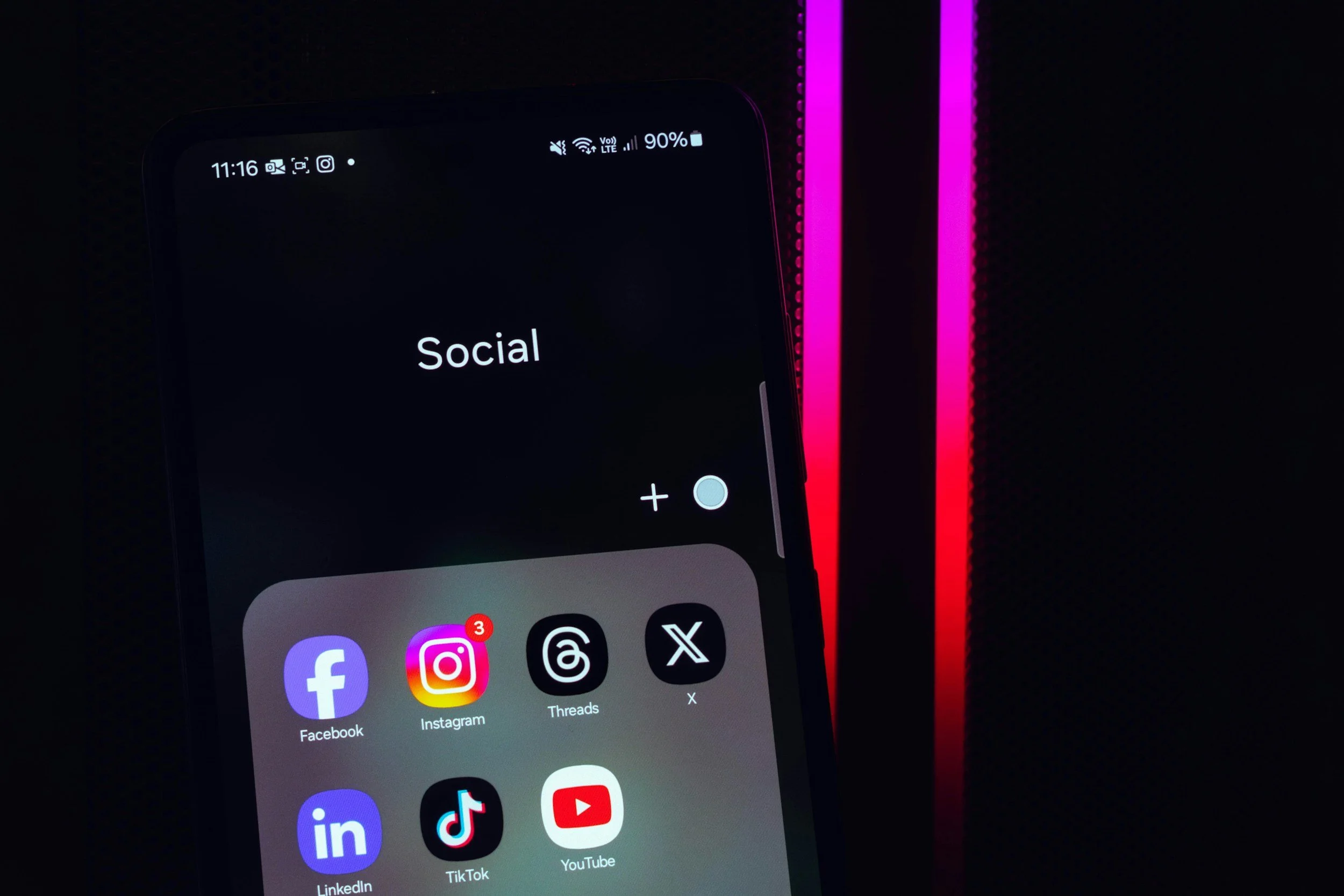
TikTok is still one of the best discovery engines on the internet, particularly for short-form video. YouTube is the second-largest search engine in the world and the best platform for long-form content that compounds in value over time. Instagram Reels continues to have massive reach for visual and lifestyle content. Facebook still has enormous user numbers and works particularly well for older demographics and community-driven content. Rumble has become a significant platform for creators who want an alternative to YouTube with fewer restrictions. Reddit is one of the most powerful places to build credibility and drive organic traffic if you approach it correctly and add real value to communities.
Being on all of these is not overkill. It is coverage. It is the difference between having one income stream and having seven.
The Time Argument and Why It Doesn't Hold Up Anymore
The most common reason creators give for not being on multiple platforms is time. And look, that argument made sense when managing multiple platforms meant manually logging into each one, reformatting everything from scratch, and writing completely different copy for every post. That was genuinely exhausting.
But that is not what managing a multi-platform presence has to look like in 2024. With the right systems and support in place, your content goes out across platforms consistently without you spending your entire week on distribution. You make the content. The distribution gets handled. That is a workload that is actually sustainable.
The creators who are still complaining about not having time to be on more platforms are often the same ones who are spending enormous mental energy worrying about algorithm changes on the one platform they do use. That worry costs time too. It costs creative energy. It costs the mental space you could be using to actually make better content.
Building Something That Can't Be Taken Away
The goal is not to be on every platform for the sake of it. The goal is to build an audience that you reach through multiple channels so that no single platform has the power to take your business down.
When you have an audience on YouTube, TikTok, Instagram, Facebook, Rumble, and Reddit simultaneously, a bad month on one platform is an inconvenience, not a catastrophe. You have other places to point people. You have other sources of views, engagement, and revenue. You have built something that has actual structural resilience.
That is what real growth looks like. Not just follower counts on a single app, but a presence spread across the internet that works for you even when individual platforms are working against you.
Stop building on rented land. Start building something that lasts.
