
Your Competitors Are Reaching Audiences You Don't Even Know Exist — Here's How

Let's be honest for a second. You're putting in real work. You're filming videos, writing captions, editing graphics, and showing up consistently. But somehow, your competitors seem to be everywhere. They're popping up on platforms you barely use, reaching people you've never even thought to target, and growing their audience while you're still grinding away trying to make one platform work for you. Sound familiar?
Here's the thing: it's not that they're working harder than you. In most cases, they've just cracked the code on distribution. They've figured out that creating content is only half the battle. The other half is making sure that content reaches as many people as possible, on as many platforms as possible, without burning out in the process. That's the gap between where you are and where they are. And it's completely closeable.
The Invisible Audience Problem
Most creators and brands operate with a mental model that sounds something like this: "My audience is on Instagram" or "Our customers hang out on Facebook." And sure, some of them are. But that thinking is quietly costing you a massive amount of growth.
Every platform has a unique audience with different habits, different preferences, and different ways of discovering content. TikTok users scroll through short clips and often find brands they've never heard of through the algorithm. YouTube viewers are searching for specific answers and will commit to longer content if it delivers value. Reddit communities are full of highly engaged, opinionated people who trust peer recommendations over polished ads. Rumble has a growing base of users who have actively moved away from other platforms and are hungry for content.
When you only post on one or two platforms, you're essentially only walking into one room of a massive building. Your competitors who are posting across seven, eight, or even more platforms are walking through every single door. They're meeting people who will never stumble across your Instagram page, people who don't use Facebook, people who only consume content on YouTube. Those are real humans with real buying power and real interest in what you do. And right now, your competitor is talking to them while you aren't.

Why Most Creators Stay Stuck on One Platform
It's not laziness. Most creators stay stuck on one or two platforms because multi-platform posting sounds exhausting and complicated. And honestly, if you're trying to manage it all manually, it is.
Think about what it actually takes to post a single piece of content across multiple platforms. You have to resize the video for each platform's dimensions. You need to rewrite captions to match each platform's tone and character limits. You have to upload separately, figure out each platform's tagging and hashtag system, schedule posts at optimal times for different time zones and audiences, and then monitor performance across all of them. For a single creator or a small team, that's a full-time job on top of the full-time job of actually creating the content.
So most people make a rational choice: they pick a lane. They go deep on one platform and hope it works. And it can work, to a point. But you're always one algorithm change away from losing everything you've built. Every creator who went all-in on one platform has felt that panic when the reach drops overnight and there's no backup audience to fall back on.
What Multi-Platform Posting Actually Does for Your Growth
Here's where the math starts working in your favor. Every additional platform you post on isn't just an additive gain, it's a multiplier. You're not just reaching more people, you're reaching fundamentally different people who consume content differently.
Some of those people will find you on TikTok and then follow you on Instagram. Some will watch your YouTube video and then discover your Facebook page. Some will find your Rumble content and become long-term fans who never would have found you otherwise. Each platform creates a new entry point into your world. And every new entry point is a chance to convert a stranger into a fan, a fan into a customer, and a customer into someone who refers others to you.
There's also a compounding effect over time. Content you posted six months ago on YouTube can still bring in new viewers today because it ranks in search results. A Reddit post that hits the front page of a subreddit can drive thousands of visits to your website in a single day. TikTok videos can go viral months after posting. When you're active across multiple platforms, you have dozens of pieces of content working for you simultaneously, around the clock, in ways that a single-platform strategy simply can't match.
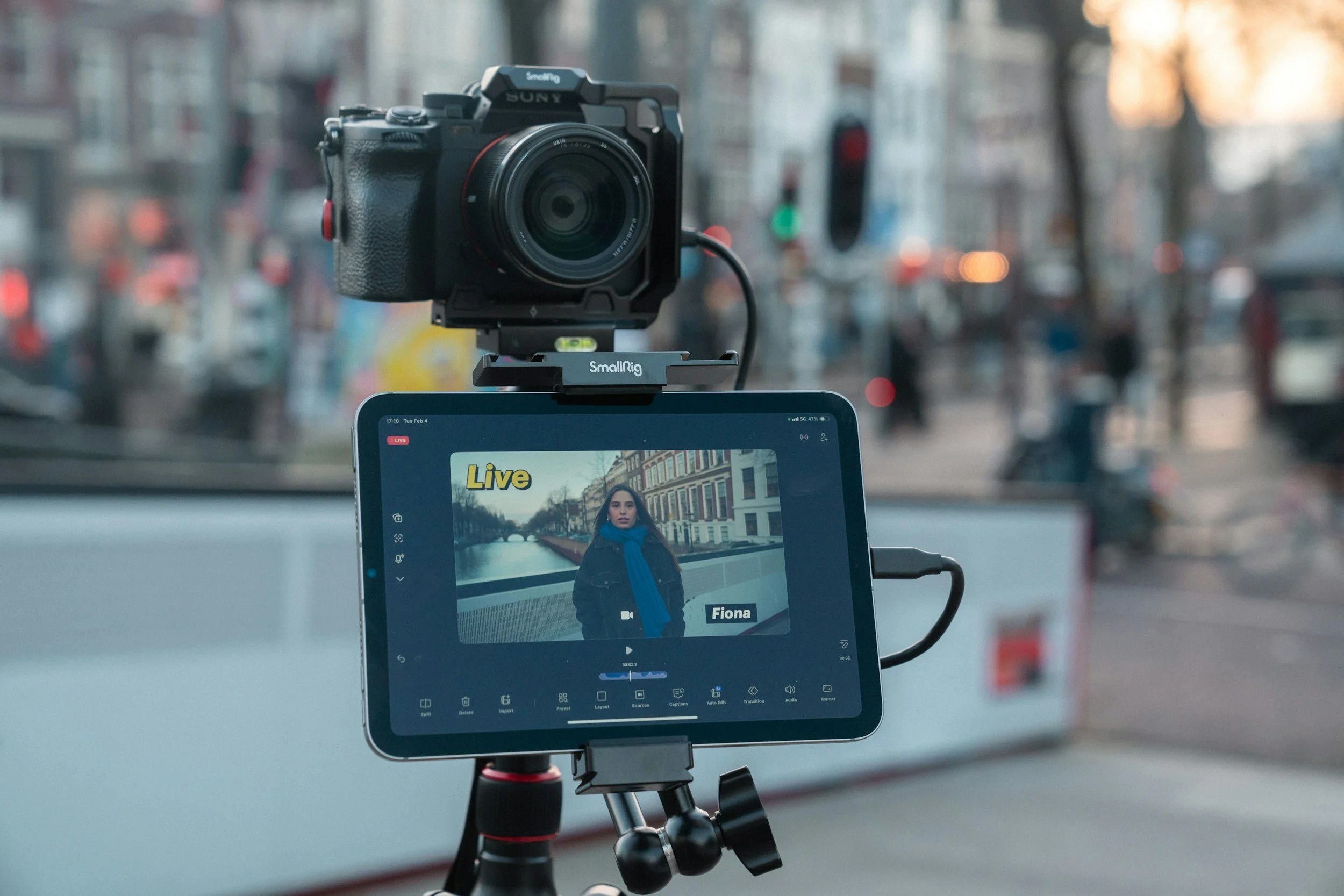
Repurposing Is the Secret Weapon You're Probably Underusing
Here's the thing most people miss: you don't need to create completely different content for every single platform. The smartest brands and creators are taking one core piece of content and adapting it for multiple platforms. That's called repurposing, and it's the key to sustainable multi-platform growth.
A long-form YouTube video can become five or six short clips for TikTok and Instagram Reels. The main talking points from that video can become a thread on Reddit or a longer post on Facebook. The audio can become a podcast episode. A blog post can summarize the key lessons. One hour of content creation can power a week's worth of posts across every major platform when you have the right system in place.
This isn't about flooding every platform with the same thing. It's about meeting people where they are, in the format they prefer, with content that actually fits that environment. A 30-second vertical clip hits differently on TikTok than a 10-minute horizontal video does on YouTube. Both can be pulled from the same raw footage. The creation happens once. The distribution is where the leverage lives.

The Time Cost of Going It Alone
Let's talk about the real cost of trying to manage multi-platform distribution yourself. If you spend even 30 minutes per platform reformatting, captioning, uploading, and scheduling content, and you're posting on seven platforms, that's three and a half hours per post just on distribution. Do that three times a week and you've spent over ten hours a week on tasks that have nothing to do with the quality of your content.
Ten hours a week is over 40 hours a month. That's a full work week every single month spent on logistics instead of creation, strategy, or growing your business. For business owners, that time has a direct dollar value attached to it. For creators, it's the difference between having creative energy and being completely burned out.
The creators and brands who are winning on multiple platforms aren't necessarily working more hours. They've just stopped doing the distribution work themselves. They've handed it off to systems or teams that do it faster and better, and they've redirected that time into what actually moves the needle.
Your Next Move Starts Today
Your competitors are not superhuman. They're not creating ten times more content than you. They've just built or plugged into a distribution system that takes their content further with less friction. Every day you spend siloed on one platform is another day they're building relationships with audiences you haven't even introduced yourself to yet.
The good news is that catching up is completely within reach. You don't need a massive team or a complicated tech stack. You need the right partner who understands how to take your content and get it in front of the right people on the right platforms, consistently and efficiently.
The audiences are out there. The question is just whether you're going to show up for them or let someone else take that space first.
