7 Platforms, One Video: The Exact Workflow to Post Everywhere in Under an Hour
Quick Answer: To post one video across 7 platforms in under an hour, batch-create 3 core aspect ratio versions (vertical 9:16, square 1:1, landscape 16:9), write platform-specific captions using your master message, upload strategically starting with TikTok, and add platform-specific finishing touches. This workflow takes 60 minutes total and maximizes reach without sacrificing quality.
You just finished editing that video. You're proud of it. The content is solid, the editing is tight, and you know your audience will love it. Then reality hits: now you need to post it on Instagram, TikTok, YouTube, LinkedIn, Facebook, X, and Pinterest. Each platform wants different dimensions, captions, thumbnails, and hashtags. Two hours later, you've posted to... two platforms. Sound familiar?
The truth is, most creators spend more time reformatting content than actually creating it. According to Linktree's 2021 creator survey, 36% of content creators spend 1-5 hours weekly just on content creation and editing, and that doesn't even include the distribution time across multiple platforms.
What if you could reclaim those hours? Discover how Multipost Digital handles multi-platform distribution so you can focus on creating, not formatting.
Here's the exact 7-step workflow that makes multi-platform posting feel effortless.
Why Most Multi-Platform Strategies Fail (And This One Doesn't)
The biggest mistake creators make isn't technical—it's mental. They treat each platform as a completely separate project instead of variations of the same core content. This "start from scratch" mindset creates unnecessary friction.
Think about the compound time cost: 15 minutes per platform × 7 platforms = 105 minutes of pure administrative work. That's nearly two hours you could spend creating your next video, engaging with comments, or developing a content series strategy that keeps audiences coming back.
According to Sprout Social's 2025 Index, brands posted 11% more Reels in 2024 than in 2023, but scheduling tools alone don't solve the distribution problem. These tools assume your content is already formatted and ready to go. The real bottleneck? The reformatting process itself.
This workflow introduces a "batch-and-adapt" philosophy: create once, adapt strategically, distribute systematically.
The 7 Platforms Worth Your Time in 2026
Not all platforms deserve equal attention. Focus on these seven to cover 90%+ of social video audiences:
Instagram (Reels + Feed)
TikTok
YouTube (Shorts + Long-form)
LinkedIn
Facebook
X (Twitter)
Pinterest (Video Pins)
According to Statista's Q1 2024 data, TikTok content averages 18,173 views per post, while Instagram Reels generates 16,152 average views. Facebook Reels ranked third in engagement. These platforms aren't just popular, they're where your audience actively consumes video content.
More platforms doesn't equal better results. Strategic presence on these seven beats scattered efforts across 15.
Before You Touch the Video: Your 15-Minute Prep Checklist
This one-time setup saves hours on every future post. Invest 15 minutes now to streamline forever:
Create a Master Specs Document
Document dimensions, max lengths, and ratio preferences per platform
Keep this in Google Docs or Notion for quick reference
Set Up Caption Templates
Write one master caption with your core message
Create platform-specific hook variations (store in a spreadsheet)
Build a Hashtag Bank
Research and save 10-15 hashtags per platform
Update quarterly based on trending searches
Prepare Thumbnail Templates
Design 3 base templates in Canva or Photoshop
Save as .PSD files for quick customization
Bookmark Native Posting URLs
TikTok upload: tiktok.com/upload
Instagram web: instagram.com (desktop mode)
YouTube Studio: studio.youtube.com
This 15-minute investment makes every future post 10× faster. Do this once, reap benefits forever.
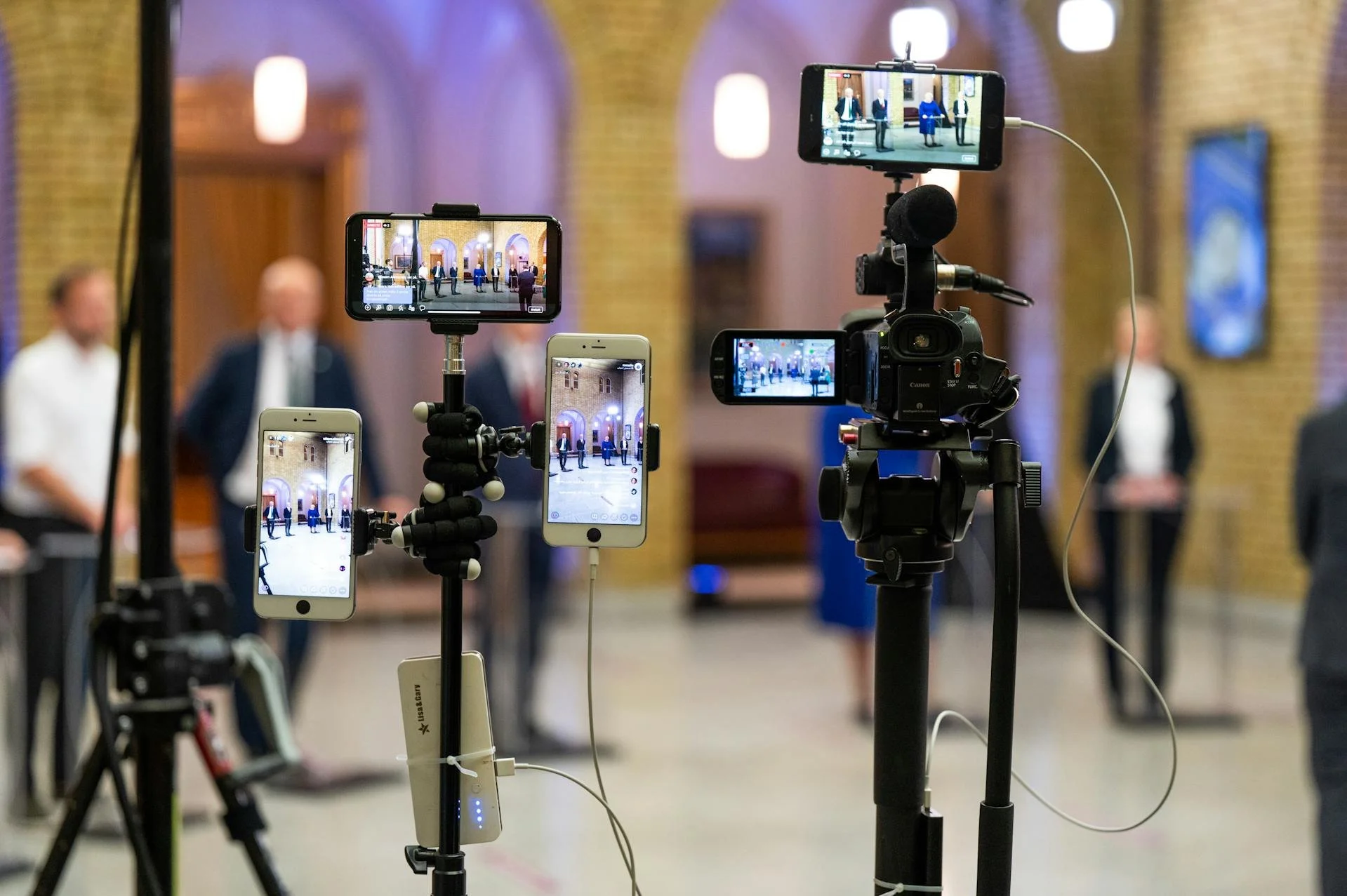
Step 1: Export One Master Video (5 Minutes)
Start with a single source file to prevent version chaos:
Export in 1080p minimum (4K if your content benefits from it)
Choose your primary aspect ratio: 9:16 for mobile-first content or 16:9 for YouTube-primary
Use a clear naming convention:
2026-02-11_Topic-Name_Master.mp4Save to a dedicated "Distribution" folder on your desktop or cloud drive
One source file ensures consistency across platforms and eliminates the "which version did I use?" confusion three months later.
Step 2: Batch-Create Platform Variations (10 Minutes)
Here's where efficiency meets strategy. You don't need seven separate edits, you need three smart versions.
Use free or affordable tools:
CapCut or Descript: Batch resize to multiple aspect ratios in one click
Canva Video: Quick thumbnail and cover frame creation
Mobile editing apps: Fine-tune cover frames for Instagram and TikTok
Create these 3 core versions:
Vertical (9:16) → TikTok, Instagram Reels, YouTube Shorts
Square (1:1) → Instagram Feed, Facebook, X
Landscape (16:9) → YouTube long-form, LinkedIn
According to IdeaRocket Animation's 2024 research, vertical video on Facebook resulted in brand lift 70% of the time compared to square format, with a 3-9 point increase in ad recall. Properly formatted videos aren't just aesthetically pleasing, they perform measurably better.
Three aspect ratios. Seven platforms covered. Ten minutes invested.
Step 3: Write Platform-Specific Captions (12 Minutes)
Your core message stays the same. The delivery adapts to each platform's culture, just like understanding what social media algorithms actually reward in 2026.
Platform-by-platform approach:
TikTok: Casual tone, trending phrases, question hooks ("POV: you finally figured out...")
Instagram: Story-first, emoji-friendly, CTA in first line before "more"
YouTube: Keyword-rich, timestamp breakdowns, links in description
LinkedIn: Professional tone, industry insight, open with a relevant statistic
Facebook: Conversational, community-focused, ask for comments
X: Punchy opener, thread-ready format, hot take or question
Pinterest: SEO-optimized, keyword-loaded description with clear value proposition
Time-saving hack: Use AI tools like ChatGPT or Jasper to generate 7 caption variations from your master caption in 60 seconds. Simply paste your core message and prompt: "Rewrite this for [platform] with [tone]."
Step 4: Upload in Strategic Sequence (15 Minutes)
Upload order matters for engagement velocity. Platforms reward early momentum, so start where viral potential is highest:
TikTok first (fastest viral algorithm)
Instagram Reels (ride TikTok momentum if content resonates)
YouTube Shorts (parallel short-form push)
LinkedIn (professional audience, different peak hours)
Facebook (leverage Instagram cross-posting if available)
X (real-time conversation starter)
Pinterest (long-tail discoverability engine)
Pro tip: Use native uploading (not third-party schedulers) for the first 24 hours. Sprout Social's 2025 video statistics show that 67% of marketers plan to increase Instagram video usage, and 66% plan to increase YouTube usage, platforms are prioritizing native uploads in their algorithms to discourage scheduling tools.
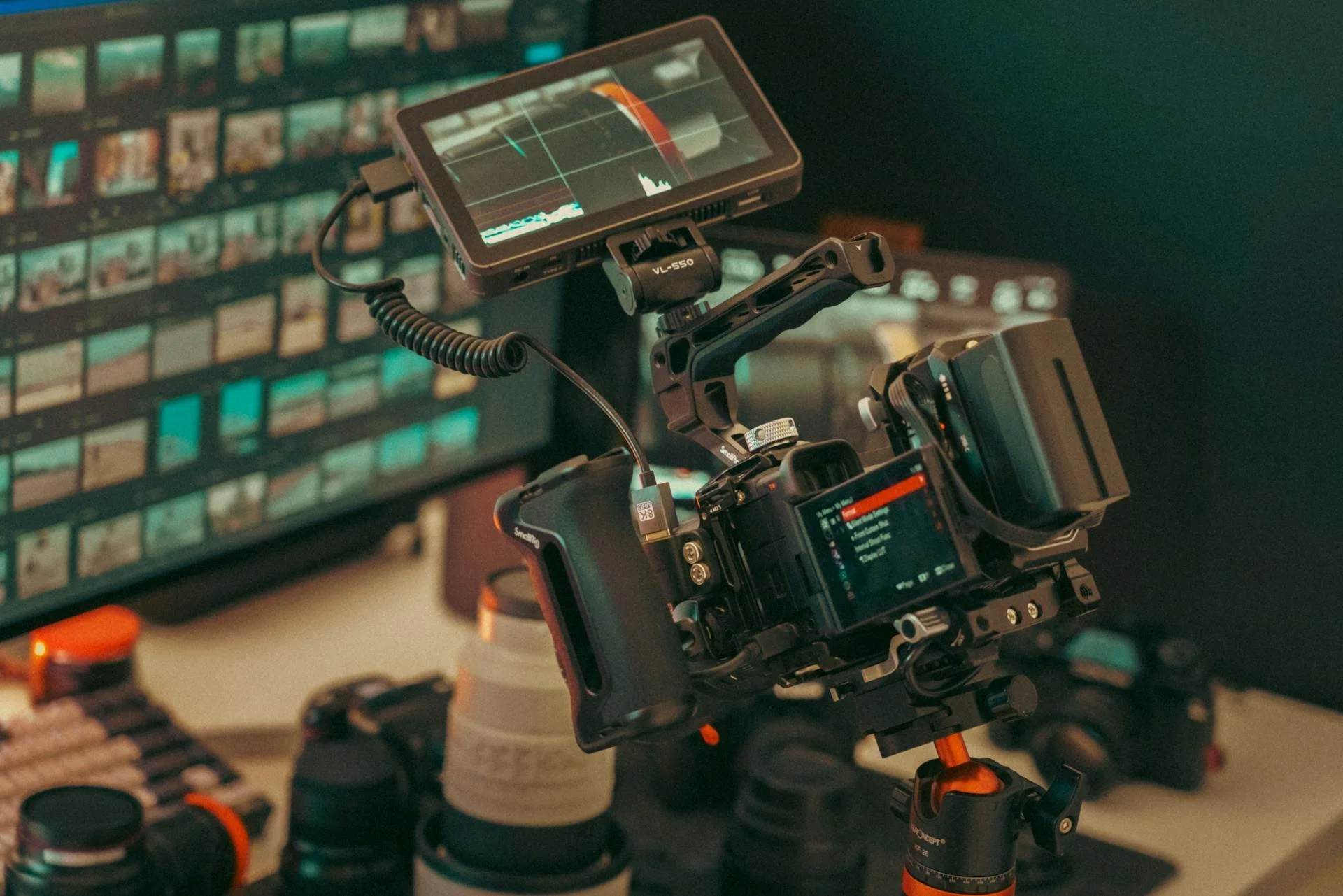
Step 5: Add Platform-Specific Finishing Touches (10 Minutes)
These micro-optimizations take seconds per platform but significantly impact reach:
Instagram: Location tag, alt text for accessibility, collaborator tags if relevant
TikTok: Select trending sounds (even if silent), add text overlays highlighting key points
YouTube: Upload custom thumbnail, add end screen elements, insert video cards at key moments
LinkedIn: Tag relevant connections (3-5 people), add supporting link in first comment
Pinterest: Create or add to thematic board, enable rich pins for additional context
Facebook: Tag business page if posting from personal profile, consider boost options
X: Pin tweet to profile for 24 hours, add to relevant thread if appropriate
According to Epidemic Sound's 2024 Creator Economy Report, 49% of monetizing creators spend 20+ hours per week on content creation. These finishing touches are how you compete without matching those hours—it's about working smarter, not longer.
The Post-Publishing Engagement Multiplier (8 Minutes)
Posting is only 50% of the work. The next 8 minutes determine whether your video gets algorithmic boost or dies in obscurity, which ties directly into the content discipline that separates successful creators from struggling ones.
Your 8-minute post-publish routine:
Respond to the first 5 comments on each platform within 1 hour (signals engagement to algorithms)
Cross-promote your best-performing platform in Instagram Stories or X thread
Share to 2-3 relevant communities (Reddit, Facebook Groups, LinkedIn Groups)
Pin the top-performing platform's post to your profile for 24-hour visibility boost
Teleprompter.com's 2025 research found that social videos are shared 1,200% more than text and image posts combined. The first hour after posting is when sharing behavior peaks—be present for it.
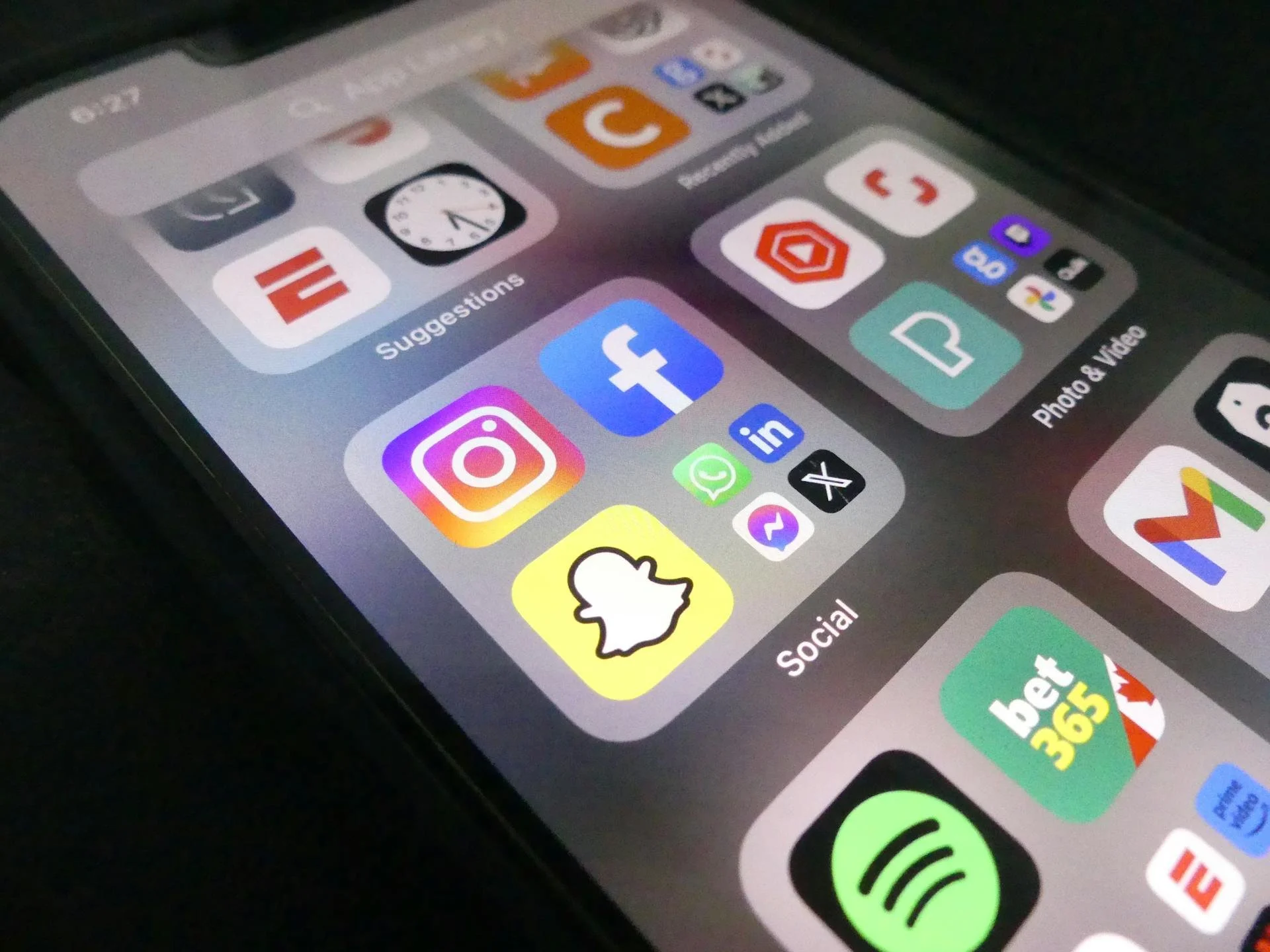
Your 60-Minute Workflow Recap
Let's break down the complete system:
✅ 15 min: One-time prep and setup
✅ 5 min: Export master video
✅ 10 min: Create 3 aspect ratio variations
✅ 12 min: Write platform-specific captions
✅ 15 min: Upload in strategic sequence
✅ 10 min: Add finishing touches per platform
✅ 8 min: Post-publish engagement
Total: 60 minutes to reach 7 platforms
Compare this to the traditional approach: 15 minutes per platform × 7 platforms = 105 minutes, and that's if everything goes smoothly. This workflow cuts your distribution time by 43% while actually improving results through strategic optimization.
Consistency across platforms beats perfection on one. This workflow makes consistency achievable instead of exhausting.
Want to cut this time even further? See how Multipost Digital's team handles the entire distribution workflow for you, so you can spend that hour creating your next video instead of reformatting the current one.
The creator economy is worth $191.55 billion and projected to reach $528.39 billion by 2030. The creators who thrive in this economy aren't the ones working the most hours, they're the ones who master systematic distribution. Now you have the system. Go use it.
Frequently Asked Questions
-
Start with your top 3 performing platforms and add others as capacity allows. The workflow scales—whether you're posting to 3 platforms or 7, the core efficiency gains still apply. Most successful creators focus on 3-5 platforms where their audience is most active rather than spreading themselves across every option.
-
No, platform algorithms keep audiences siloed. Your TikTok viewers rarely overlap completely with your LinkedIn audience. According to Statista's 2024 data, YouTube, Instagram, and TikTok each have distinct user bases despite some overlap. Cross-posting actually increases total reach.
-
Add these during the "finishing touches" phase (Step 5). Keep your master video with original audio, then add platform-specific audio layers when uploading to TikTok or Instagram. This takes 30-60 seconds per platform and significantly boosts algorithmic favorability.
-
General guidelines: LinkedIn works best 7-9 AM weekdays, Instagram Reels perform well 11 AM-2 PM and 7-9 PM, TikTok sees peaks at 6-10 AM and 7-11 PM. However, your specific audience may differ, check your platform analytics after 2-3 weeks of consistent posting to find your optimal windows.
-
Use the same design language (colors, fonts, style) but adapt thumbnail text and emphasis for each platform's context. Your YouTube thumbnail might say "Complete Tutorial," while your LinkedIn version says "Industry Best Practices." The visual consistency builds brand recognition while the text customization maximizes click-through rates.
-
The biggest mistake is inconsistency, not imperfection. This workflow prioritizes sustainable consistency over perfect optimization. Post regularly using this system, analyze which platforms perform best for your content, then gradually refine your approach based on data rather than guesswork.
And if you liked this blog, check out our others: