
The Content Series Strategy: Why Episodic Posts Are Outperforming One-Offs
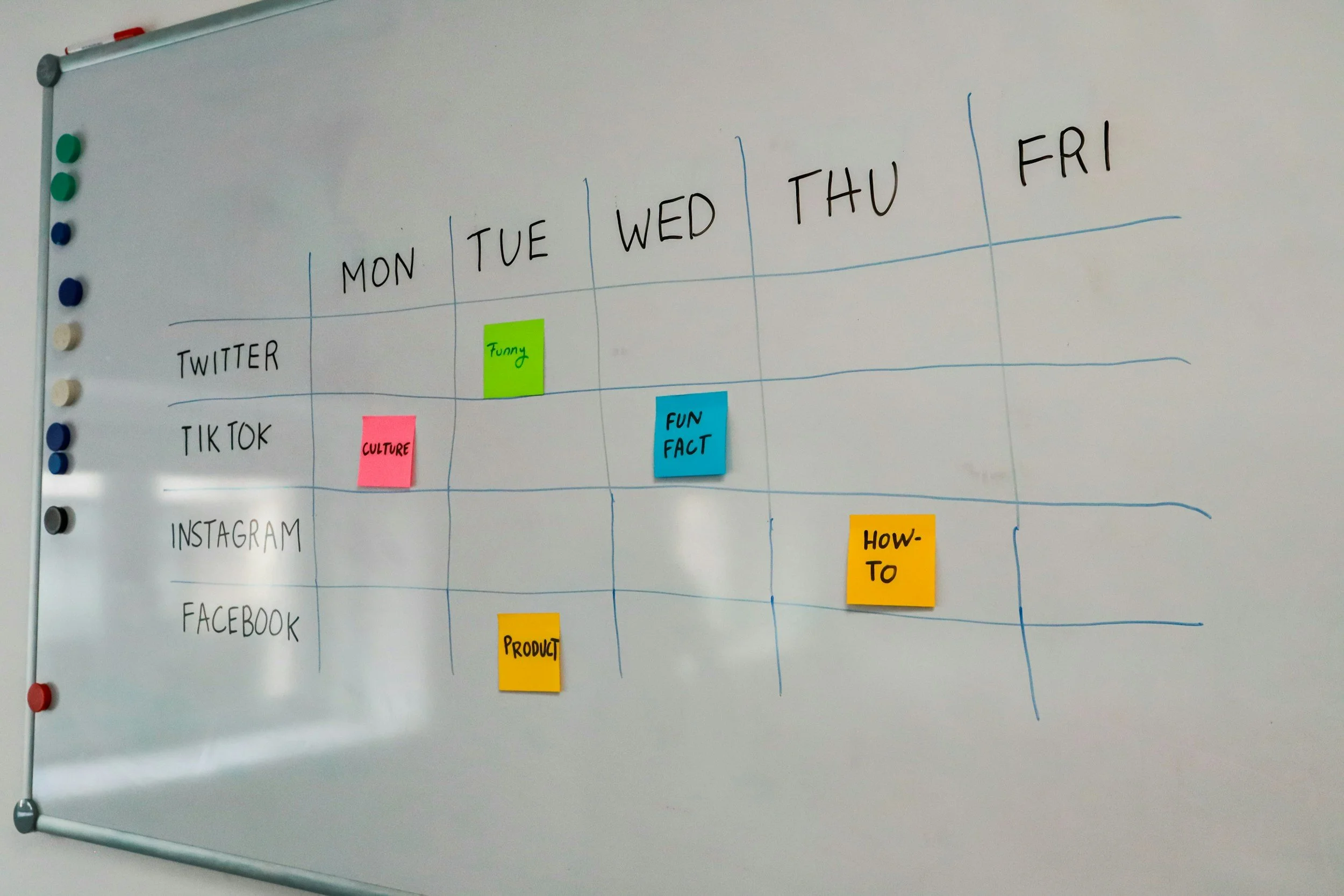
Your Feed Is Drowning in Noise. A Content Series Cuts Through It.
Scroll through any social media feed right now and you'll notice something: it all looks the same. Random tips, recycled memes, and one-off posts that disappear from memory within seconds. According to The 2025 Content Benchmarks Report from Sprout Social, brands published an average of 9.5 social posts per day across networks in 2024 — and despite that volume, attention is harder to capture than ever (Source: Sprout Social, 2025 Content Benchmarks Report). The brands that are actually breaking through? They've stopped posting randomly. They've started creating content series — recurring, episodic posts that audiences come back to, follow, and binge. Think of it as the Netflix effect applied to your social media strategy.
57% of Consumers Want Content Series From Brands
This isn't speculation — it's what audiences are literally asking for. In the Sprout Social Q2 2025 Pulse Survey, researchers asked over 2,000 global social media users what they most want to see from brands on social. The results were striking: 57% of respondents said they want brands to post original content series, nearly tied with interacting with audiences at 58% (Source: Sprout Social, "7 Social Media Trends to Know in 2026"). That means audiences aren't just tolerating serialized content — they're actively craving it. If you're still relying on standalone posts with no connective thread between them, you're ignoring what more than half your audience is telling you they want.
Ready to build a multi-platform content engine that turns one series into viral reach across every network? See how Multipost Digital makes it happen.
What Makes Episodic Content So Powerful?
The psychology behind episodic content is simple: humans are wired for stories. When you create a content series, you're not just posting — you're opening a narrative loop. Viewers who watch episode one naturally want to see what happens in episode two. They follow along. They develop familiarity with recurring faces, inside jokes, and evolving storylines. As Angelo Castillo, the creator behind ProfitPlug, put it when discussing this trend with Sprout Social: "People follow people, not brands. The hype around just a brand name is fading. Audiences want personality and consistency from faces they recognize" (Source: Sprout Social, "7 Social Media Trends to Know in 2026"). That insight gets to the heart of why one-off posts struggle. Without a recurring human element, your brand is just another forgettable logo in a crowded feed.

The Algorithm Loves Series Content (Here's Why)
Content series don't just appeal to human psychology — they also play directly into how social media algorithms work. Rachel Karten, author of the popular newsletter Link in Bio, describes the current landscape as "post-social media" or "New Social," where recommendation-based algorithms actively reward episodic content because it retains viewership (Source: Sprout Social, "The Rise of Episodic Content"). When someone watches episode one and then comes back for episode two, that repeat engagement sends powerful signals to the algorithm. It tells the platform that this content is worth surfacing to more people. The result is a compounding reach effect that standalone posts simply can't generate. Every new episode in your series benefits from the audience you've already built with the previous ones.
Real Brands Are Already Winning With This Strategy
This isn't a theoretical concept — major brands are already going all in. Under Armour launched Lab96 Studios, an in-house content studio built specifically to deliver athlete stories in episodic formats (Source: Sprout Social, "The Rise of Episodic Content"). eBay Motors sent two auto influencers to the 2025 Miami Grand Prix as part of an Instagram series, with the first two episodes alone earning nearly 5 million views (Source: Sprout Social, "The State of Social Media in 2025"). These are strategic pivots toward serialized storytelling as a primary growth driver.
You Don't Need a Studio Budget to Create a Series
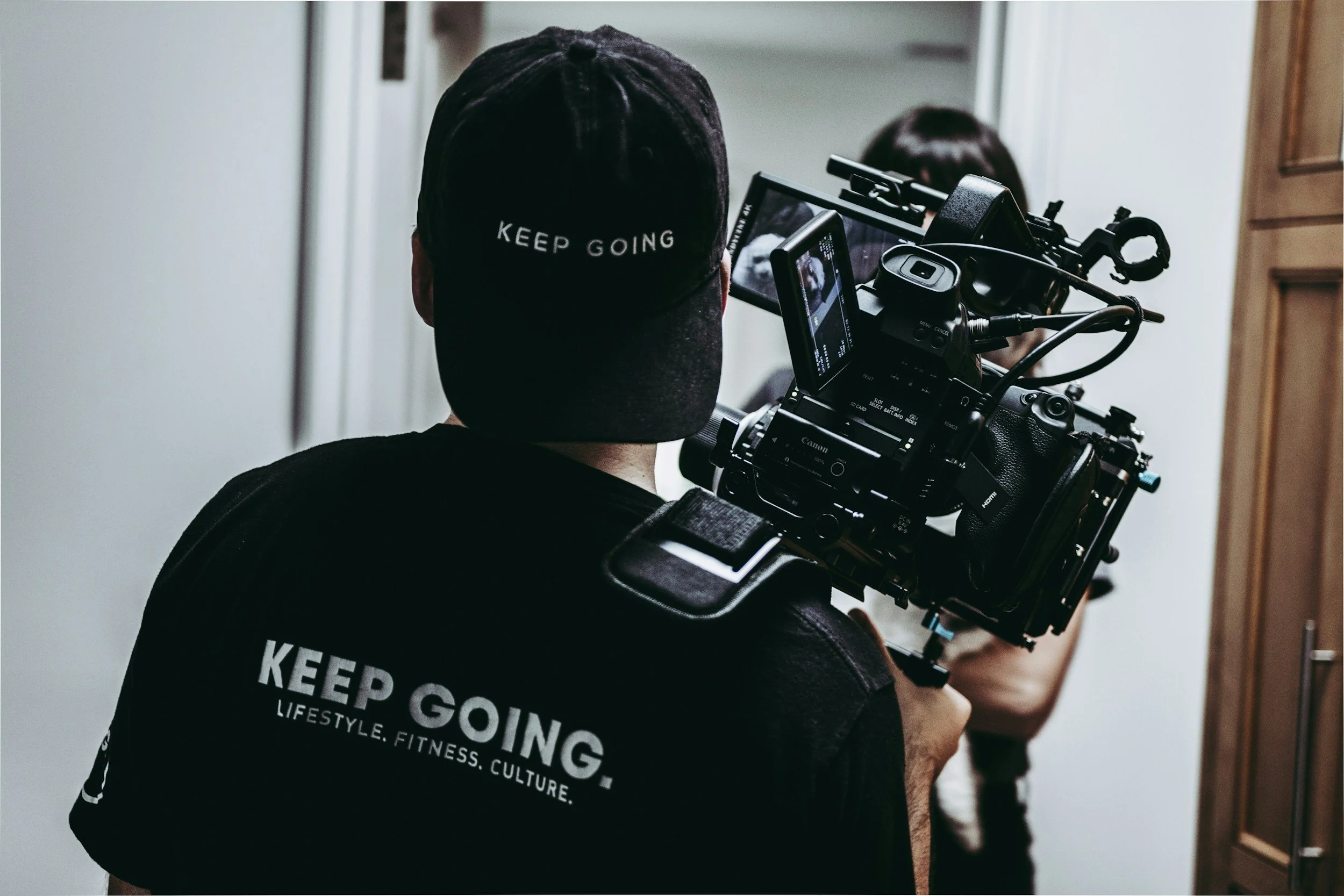
Here's the part that most creators and small brands miss: episodic content doesn't require a film crew or a massive budget. Some of the most engaging series on social media are simple, repeatable formats — a weekly myth-busting video, a recurring behind-the-scenes look at how your product gets made, or a consistent "Ask Me Anything" format. The key ingredients, according to Sprout Social's research, are that each episode tells a complete story on its own while contributing to a larger narrative, and that the series features recurring personalities audiences get to know over time (Source: Sprout Social, "The State of Social Media in 2025").
Why Human-Generated Series Content Builds More Trust
There's an important layer to this conversation that connects to a broader trend: audiences are growing wary of AI-generated content. According to Sprout Social's Q3 2025 Pulse Survey, 55% of consumers say they are more likely to trust brands that commit to publishing human-generated content, and that figure rises to roughly two-thirds among Gen Z and Millennials (Source: Sprout Social, "The Future of Social Media: 2026 Predictions"). An episodic content series — built around real people, authentic stories, and genuine personality — is the polar opposite of the generic, AI-produced filler that's flooding social feeds right now. It's one of the most effective ways to signal to your audience that there are real humans behind your brand who care about showing up consistently.
How to Structure Your First Content Series
Starting a content series doesn't have to be complicated. Pick a theme that aligns with your brand and that your audience cares about. Choose a format you can sustain weekly — consistency matters more than production quality. Feature the same person or people in every episode to build familiarity. Give the series a name and branded look so it's instantly recognizable. And end each episode with a hook or teaser for the next one to keep viewers coming back. That last point is critical. The entire value of episodic content lies in the return visit.
Multiply Your Series Across Every Platform
Here's where the strategy gets really powerful. A single content series doesn't have to live on just one platform. The creator who shoots a weekly five-minute YouTube series can pull short clips for TikTok and Instagram Reels, turn key insights into LinkedIn carousels, and repurpose quotes into text-based posts for Threads or X. Each episode becomes a week's worth of content across multiple networks. But each platform has different format requirements, character limits, audio licensing rules, and optimal posting times. Doing this manually is a full-time job. That's exactly why brands and creators work with services that handle the crossposting and optimization, so they can focus on creating the series itself.

The Saturation Problem Is Your Opportunity
Social media saturation isn't going away. As Greg Swan, Senior Partner at FINN Partners agency, put it: saturation is a signal, not to get louder, but to get more intentional (Source: Sprout Social, "7 Social Media Trends to Know in 2026"). A content series is the definition of intentional. Instead of throwing random posts at the wall, you're building a narrative engine that compounds over time. Each episode strengthens your brand, deepens audience relationships, and gives the algorithm more reasons to push your content to new viewers.
Stop Posting Into the Void — Start Building Something People Come Back For
The era of one-off posts is ending. The brands and creators who will dominate social media in 2026 are the ones who think like showrunners, not just content creators. They're building episodic series that hook audiences, feature real personalities, and create the kind of loyalty that isolated posts never could. The data couldn't be clearer: 57% of consumers are asking for this. The only question is whether you'll give it to them.
If you're ready to turn your content series into a multi-platform presence that reaches audiences everywhere, see how Multipost Digital crossposts and optimizes your content across 7+ platforms so you can focus on creating.
