
Social Media Algorithms in 2026: What Actually Gets You More Views (and What's a Myth)
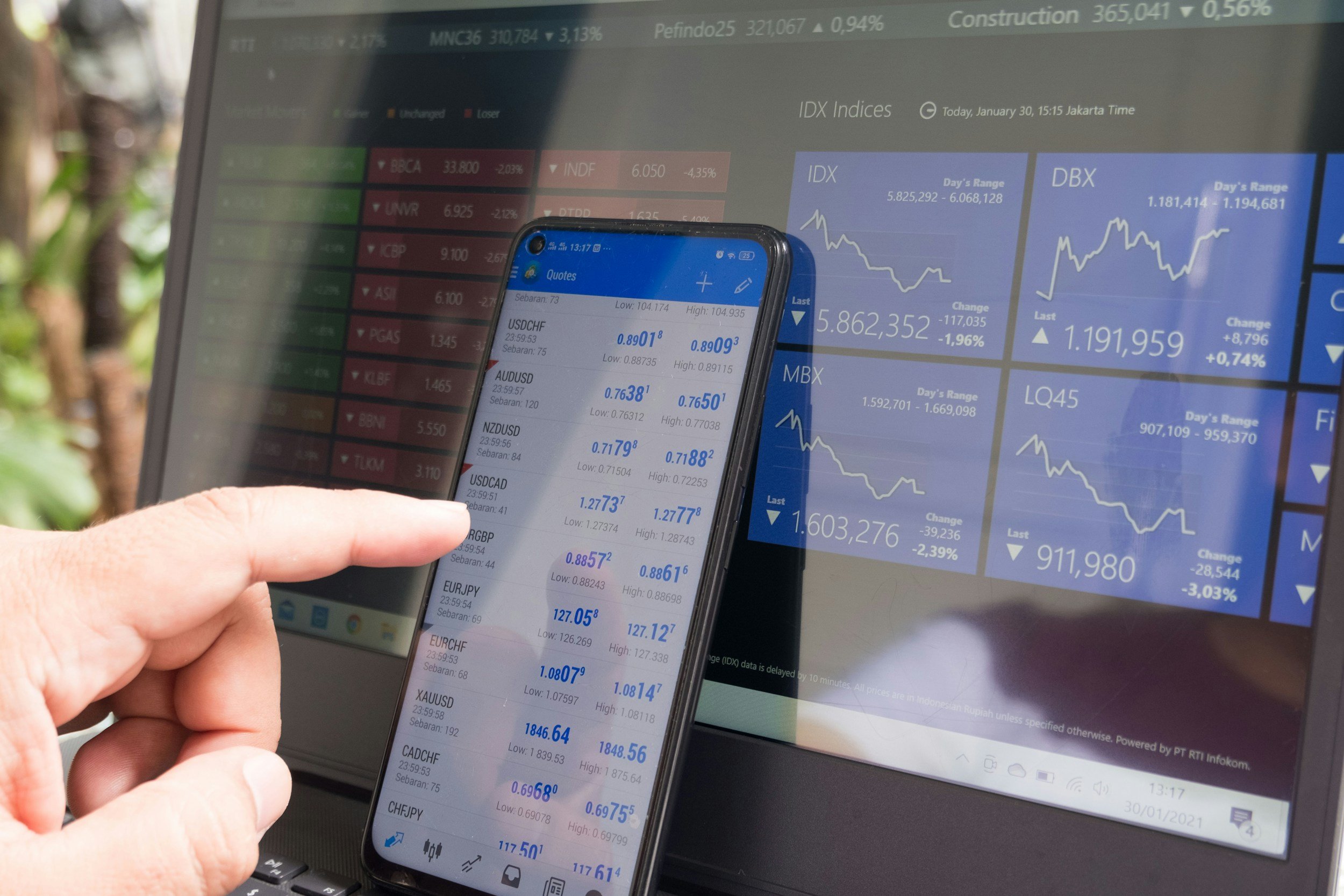
You've probably heard someone say, "The algorithm is killing my reach." It's the most common excuse in social media—and it's almost always wrong. The algorithm isn't your enemy. Your strategy is the problem.
In 2026, social media algorithms are more sophisticated than ever. They're no longer simple chronological feeds or basic popularity contests. They're AI-powered prediction engines that analyze millions of data points to decide what each individual user sees. But here's the thing: the rules aren't secret. If you understand what platforms actually reward—and stop chasing what they don't—you can make the algorithm work for you instead of against you.
Let's separate fact from fiction.
The Organic Reach Reality Check
Before we get into what works, let's acknowledge the elephant in the room: organic reach is declining everywhere. According to Socialinsider's 2025 benchmarks, Instagram's average reach rate has fallen to just 3.50%, down 12% year-over-year (Source: socialinsider.io/blog/social-media-reach/). Facebook is even worse—sitting at an average reach rate of roughly 1.65%. That means if you have 10,000 followers, fewer than 350 people are seeing your Instagram post and fewer than 165 are seeing your Facebook post.
Those numbers feel discouraging, but they carry an important lesson. If organic reach is shrinking on every individual platform, the brands and creators who win are the ones showing up across multiple platforms every single day. A single post reaching 3.5% of your followers on one platform can't compete with that same post optimized and crossposted to seven platforms simultaneously.
See how Multipost Digital crossposting gets your content across 7+ platforms daily →
Myth #1: Posting More Automatically Means More Reach
This is one of the most persistent myths in social media. Posting three mediocre videos a day doesn't beat one great video posted consistently. Sprout Social's 2025 Content Benchmarks Report found that content saturation is at an all-time high, yet brands still saw a 20% year-over-year jump in average inbound engagements (Source: sproutsocial.com/insights/data/content-benchmarks/). The takeaway? Audiences are still engaging—they're just being more selective about what they engage with.
Quality and consistency together are what the algorithm rewards. Flooding your feed with low-effort posts actually trains the algorithm to deprioritize your account. One strong piece of content per day, posted natively across multiple platforms, outperforms five throwaway posts on a single channel every time.
Myth #2: Hashtags Are Dead
They're not dead—but they've fundamentally changed. Instagram removed the ability to follow hashtags in late 2024, signaling a clear shift away from hashtag-based discovery toward AI-driven recommendations (Source: dmnews.com). On TikTok, the algorithm now caps posts at five hashtags and prioritizes micro-niche communities over broad viral appeal.
That said, hashtags still serve a purpose on certain platforms. LinkedIn saw comments increase 37% year-over-year in 2025 (Source: blog.hootsuite.com/social-media-statistics/), and relevant hashtags still help professional content surface in LinkedIn feeds. The key shift is this: hashtags are now more like search keywords than discovery tools. Use them strategically based on the platform, not as a blanket tactic you copy-paste everywhere.
What Actually Drives Reach in 2026: Watch Time, Sends, and Saves
Here's what the data actually says matters. In January 2025, Instagram head Adam Mosseri confirmed that the three most important ranking signals are watch time, likes per reach, and sends per reach (Source: posteverywhere.ai/blog/how-the-instagram-algorithm-works). Of these, sends—when someone shares your post via DM—carry the most weight. Instagram's internal data suggests that DM shares are weighted three to five times higher than likes for reaching new audiences outside your follower base (Source: dmnews.com).
This changes how you should think about content creation. Instead of asking "will people like this?", ask "will someone send this to a friend?" Content that's useful, surprising, or deeply relatable gets shared privately—and that private sharing is now the most powerful signal you can trigger.
TikTok follows a similar pattern, prioritizing watch-through rate and looping behavior. YouTube Shorts values completion rates and session time. Across every platform, the message is the same: hold attention and inspire action.
The Proactive Commenting Strategy Nobody's Using
Here's a tactic that most brands are sleeping on. According to Hootsuite's 2026 Social Media Trends report, 41% of brands are now experimenting with proactive outbound commenting—meaning they go to other creators' posts and leave thoughtful comments to boost their own visibility. When the original poster replies, brands see an average 1.6x more engagement on those comments. The sweet spot for comment length? Between 50 and 99 characters (Source: blog.hootsuite.com/social-media-trends/).
This isn't about spamming "Nice post!" on every piece of content you find. It's about genuinely engaging with creators and conversations in your niche. The algorithm interprets this activity as a signal that your account is active, relevant, and community-oriented—which feeds back into how it distributes your own content.
Myth #3: You Need to Go Viral to Grow
Chasing virality is one of the biggest traps in social media. One viral video might spike your follower count, but without consistent follow-up content, those new followers quickly become ghost followers who never engage. The algorithm notices—and starts deprioritizing your posts as a result.
Consistent, compounding daily reach beats one-hit virality every time. A brand posting optimized content daily across seven platforms accumulates more total impressions in 30 days than most "viral" videos generate in their entire lifecycle. Growth comes from showing up every day, not from hoping for lightning to strike.
The Social SEO Shift: Your Posts Are Now Google Search Results
This might be the most underrated algorithm shift of the past year. In July 2025, Google began indexing public Instagram posts and profiles (Source: blog.hootsuite.com/social-media-trends/). Google's "Short Videos" tab now surfaces vertical short-form video content from YouTube Shorts, TikTok, and Instagram Reels directly in search results.
What this means: your social media posts are no longer just competing within a platform's feed. They're competing in Google search. Optimizing your captions with relevant keywords, writing descriptive titles on YouTube Shorts, and adding alt text to your posts isn't just a nice-to-have—it's now a discovery mechanism that can bring entirely new audiences to your content without the platform algorithm's involvement at all.

The AI Content Disclosure Dilemma
AI is transforming how content gets made, but audiences are watching closely. Sprout Social's Q3 2025 Pulse Survey found that 52% of social users are concerned about brands posting AI-generated content without disclosing it (Source: sproutsocial.com/insights/social-media-trends/). At the same time, 97% of marketing leaders say marketers must know how to use AI, according to the 2025 Sprout Social Index.
The balance is clear: use AI as a creative tool for ideation, editing, and efficiency—but keep the human element front and center. Audiences can sense when content feels robotic or impersonal, and algorithms are increasingly sophisticated at detecting and deprioritizing synthetic content that doesn't generate genuine engagement.
The Multi-Platform Advantage
Every single algorithm trend we've discussed—declining organic reach, the importance of watch time and sends, social SEO, daily consistency—points to the same conclusion: you can't afford to be on just one platform anymore.
The average person visits 6 to 7 social media platforms per month (Source: blog.hootsuite.com/social-media-statistics/). If your content only lives on Instagram, you're invisible on TikTok, YouTube, Facebook, LinkedIn, Reddit, and every emerging platform where your audience is spending increasing amounts of time. Each platform has its own algorithm, its own ranking signals, and its own audience behavior—but the content itself can often be adapted from a single source.
That's the real algorithm hack: take one great piece of content, optimize it natively for each platform's specific rules (audio, captions, aspect ratio, keywords), and post it everywhere your audience lives. It's not about working harder. It's about working across more surfaces.
Stop Guessing, Start Growing
Algorithms will keep evolving. New ranking signals will emerge. Platforms will rise and fall. But the fundamentals aren't changing: create content worth watching, optimize it for each platform, post consistently, and show up everywhere your audience is.
The brands and creators who thrive in 2026 aren't the ones who "hacked" the algorithm. They're the ones who built a system for daily, multi-platform presence—and stuck with it.
