
Your Vendor Sent Samples And You Photographed None

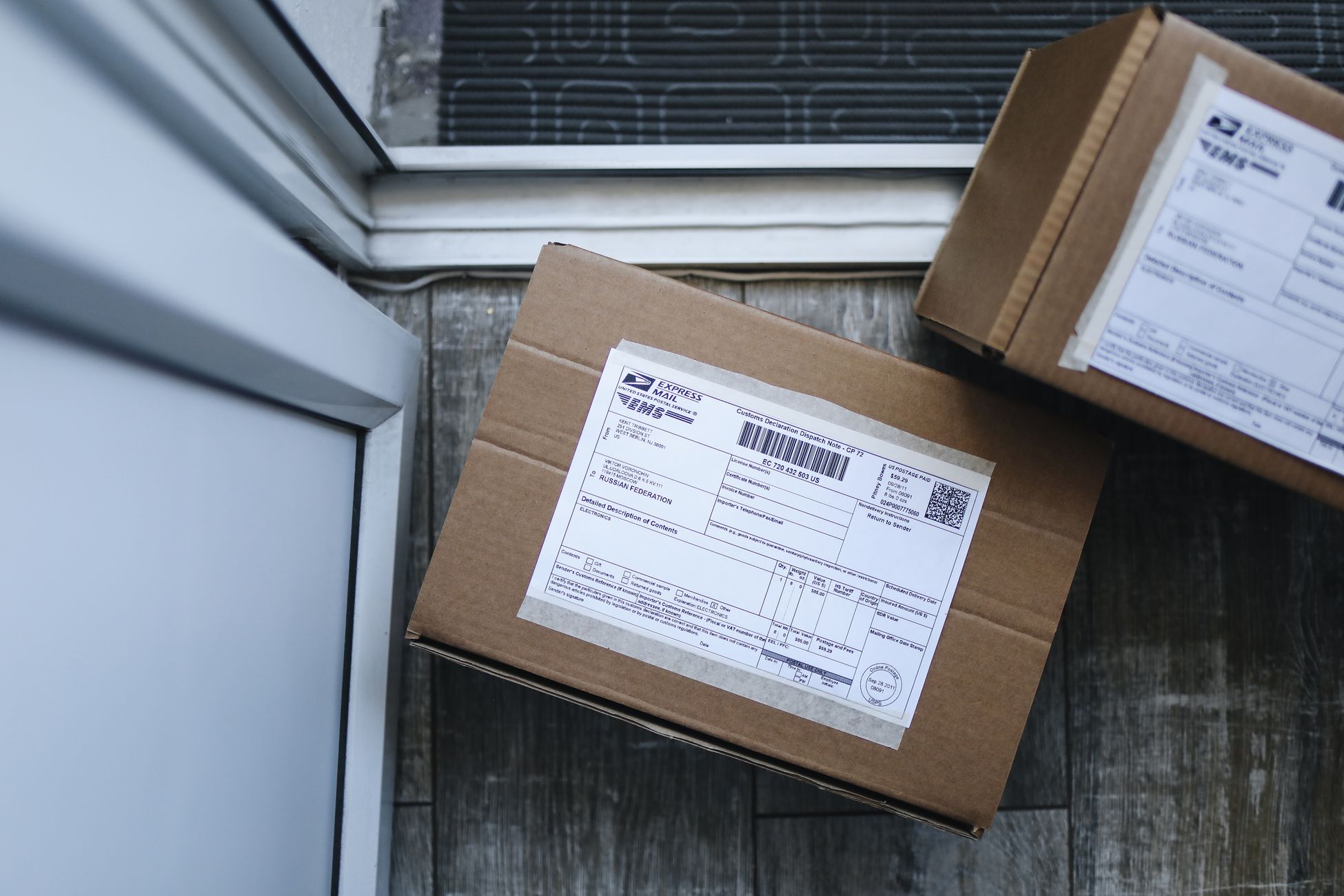
A box showed up. New product line, new finish, new material, new tool your supplier wants you carrying. They paid for the samples, they paid the shipping, and they sent it hoping you would push it.
You opened it, looked at everything, decided which pieces were worth keeping, and put the box on a shelf. No photos. No video. Nothing.
The supplier spent money to get that box in front of you. You had a genuinely novel object in your hands, the exact thing your feed is always short of, and the entire event produced zero public evidence it happened.
Unopened Boxes Are The Most Reliable Content Format There Is
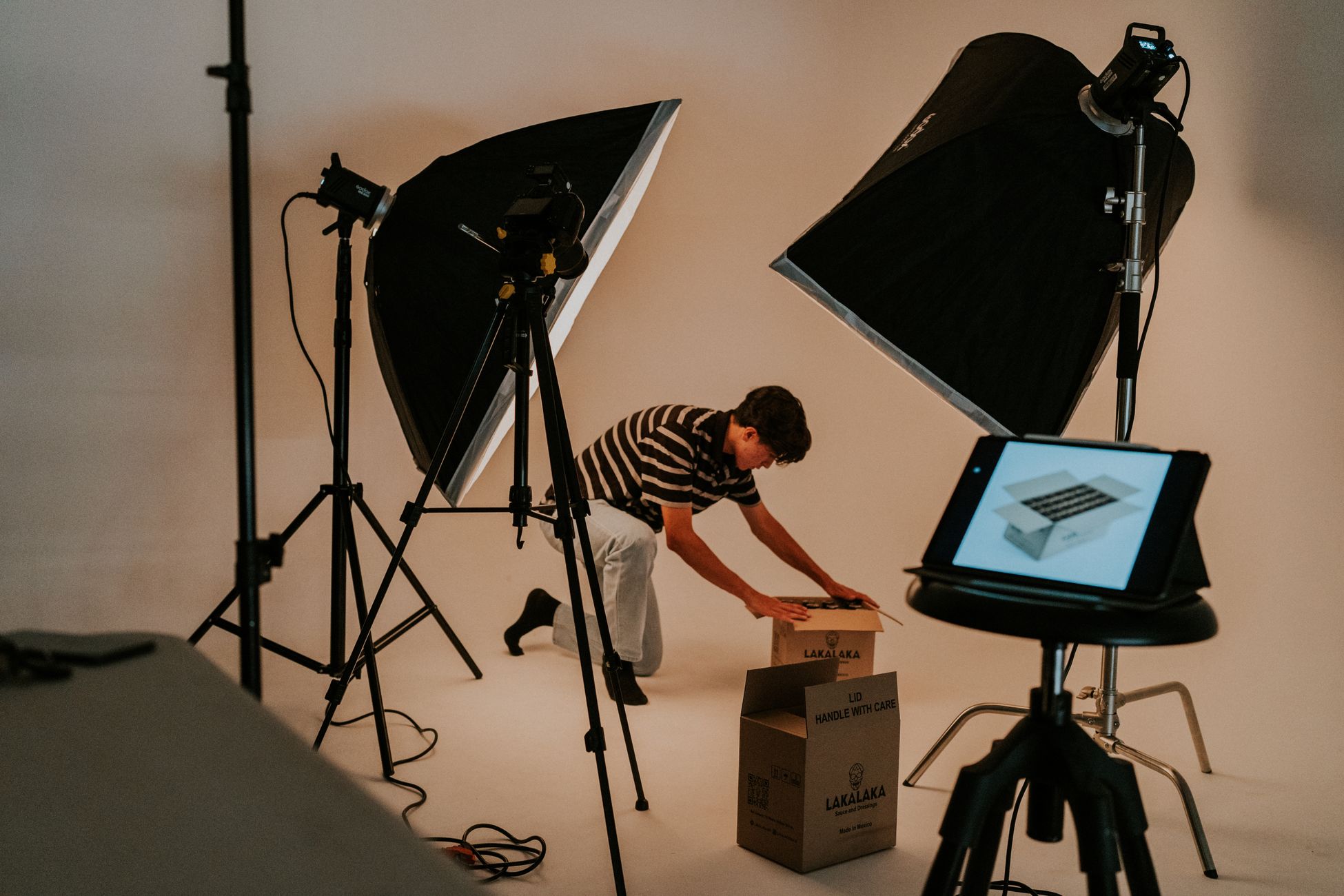
There is a reason unboxing has been a dominant video format for fifteen years across every category. It has built-in structure. Something is hidden, then it is revealed. That is a complete narrative arc with no writing required, and it holds attention on every platform without a single production decision.
You get these boxes regularly and you treat them as inventory. They are content that arrives at your door prepaid.
The first-reaction quality is what makes it work and it is not recoverable later. Opening it on camera the first time gives you honest surprise, honest disappointment, honest curiosity. Filming it a week later after you already know what is inside is flat and viewers can tell.
Which means the only real discipline here is: do not open the box until the camera is running.

Your Opinion Is The Product
The unboxing is the hook. The value is that you have an informed reaction nobody else can give.
You can look at a new material and say whether it will hold up, because you have seen the previous version fail. You can hold a new tool and say whether the handle is going to cause problems after six hours. You can look at a finish and tell people what it will look like in three years, not in the showroom.
Manufacturers cannot say any of this. Their content is a marketing department demonstrating the best case. Reviewers who do not work in the trade cannot say it either, because they have not used anything long enough for it to fail.
You are the only category of person who can, and there is almost no content from your category, which is why the search results for every product in your industry are thin and manufacturer-dominated.
That includes the negative takes. Saying a sample is not good enough to carry is more valuable than praising one, and it costs you less than you think with the supplier, who would rather know.
Where Each Piece Of It Goes
One box becomes a lot of placements, and they are genuinely different.
The reveal, sped up, thirty seconds, is short form. TikTok, Reels, Shorts. That is pure discovery, reaching people who have never heard of you and who watch unboxings from industries they have no stake in.
The full walkthrough with your assessment is YouTube. Somebody types the product name and a question. Almost nobody has made that video, and it keeps getting found for years, because product names do not expire until the product does.
The comparison against what you currently use is its own video and often the best performer. Two objects side by side, one you trust and one that is new, is the most watchable thing you can film.
Facebook gets the version for your local customers, framed as what you are thinking about carrying and whether they would want it. The comments are market research you would otherwise pay for.
Reddit gets a written breakdown in whatever subreddit covers your trade. Those threads become reference material and get linked for years.
Rumble takes the long version out to an audience that does not overlap with any of the others.
One box. Five or six assets. Seven feeds. The supplier paid for all of it.
The Supplier Relationship Gets Better Too
Here is a second return most operators miss.
Suppliers track who moves product and who talks about it. The accounts that post about new lines get sent things first, get better terms, get invited to the training, get told about the price change before it happens. You become the shop they want representing the product in your market.
That is not a small thing. Early access and better pricing are real margin, and they usually go to whoever is most visible rather than whoever sells the most, because visibility is what the sales rep can show their own boss.
Post the box and you start getting more boxes. That is a loop that pays for itself.
Why The Box Ends Up On The Shelf
Nobody decides not to film it. What happens is the box arrives on a busy day, you open it standing up between jobs, and the moment is gone.
Then, even if you do film it, there is the second failure. You have a six minute video, a thirty second cut, a written version, and seven platforms to feed, each with its own dimensions, title, description, and thumbnail. That is an hour at a laptop, minimum, and that hour does not exist in your week.
So one version gets posted to one app, and the other six platforms and the long-tail search value never happen. The filming happened and the return did not.
The fix is not more discipline about filming. It is removing the hour after the filming, so that one recording automatically becomes every format in every feed. Once that is true, filming the box becomes trivially worth it, and you start doing it every time.
Being Honest Without Burning The Supplier
The obvious worry is that posting a critical assessment of a sample costs you the relationship with the person who sent it. Handled well, it does the opposite.
The distinction is between a judgment and an insult. Saying a handle design will cause fatigue over a long shift is a judgment, it is specific, and it is the kind of feedback a product manager actually wants. Saying the company makes junk is an insult, it is unspecific, and it gives the rep nothing to work with except a reason to stop calling you.
Say what the product is good for, even when you are not carrying it. Almost everything has a right application. A material that is wrong for your climate is right for somebody else's, and saying so signals that you are assessing rather than complaining.
Tell the rep before you post, if the take is strongly negative. Not to ask permission, just so they hear it from you first. That one courtesy is the difference between a supplier who thinks you are difficult and one who thinks you are straight with them.
And keep posting the good ones. If your entire body of product content is negative, you are not a reviewer, you are a cynic, and nobody sends samples to a cynic. The operators who get sent everything first are the ones with a track record of praising what deserves it.
The Next Box Is Already Coming
You know one is. Put a note on the receiving area: do not open on camera off.
Then let that one opening go everywhere. Short cut for discovery, long cut for search, written version for the researchers, local framing for your buyers. Not one platform. All of them.
Every supplier in your industry is shipping these boxes to every shop in your market, and almost every one of those boxes is getting opened in silence on a shelf. The product is the same for all of you. The only difference is who filmed it.
