
Your Storage Unit Is Full Of Props You Have Never Filmed
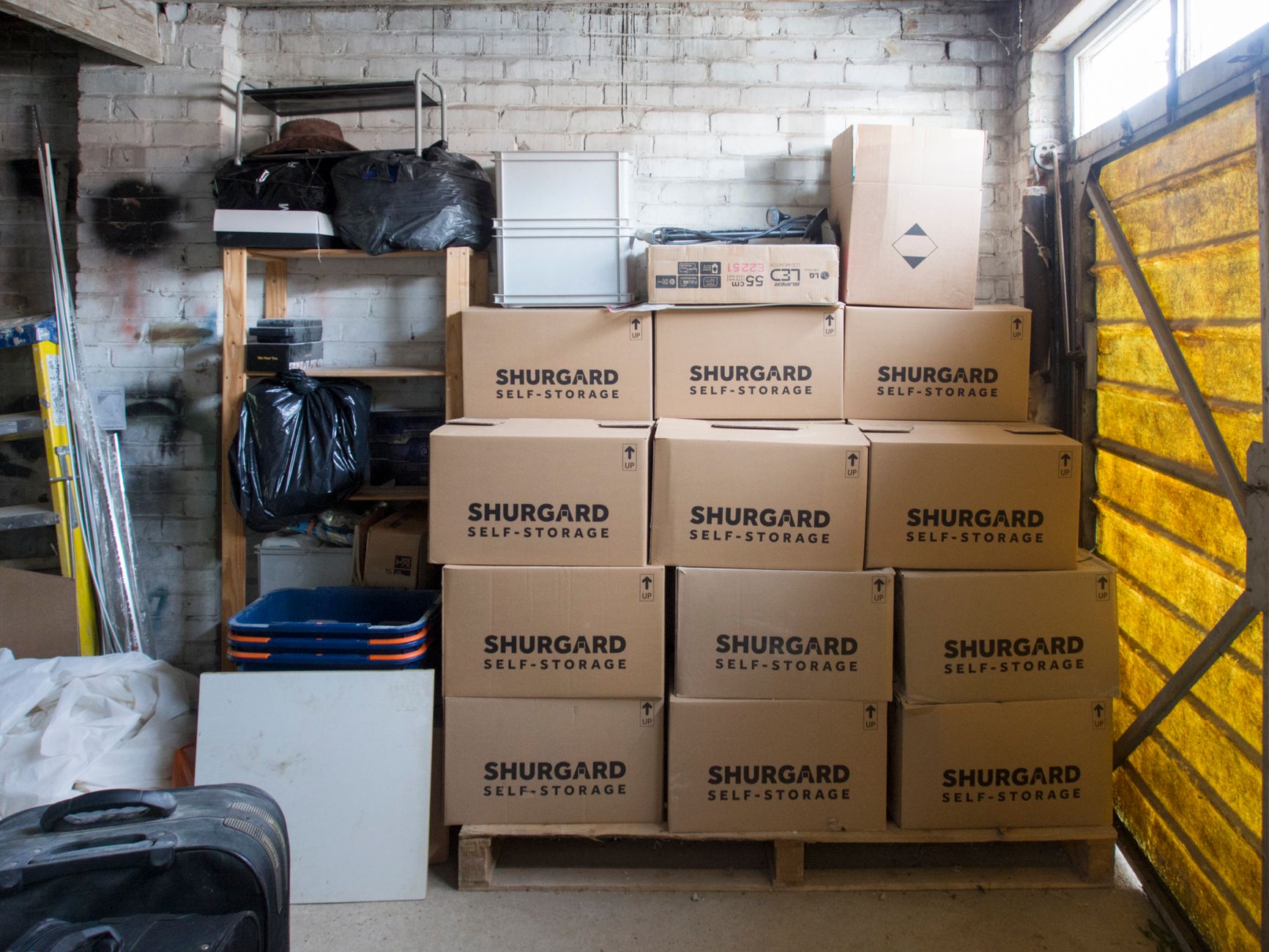
There is a room somewhere that holds the version of your business nobody has seen. Maybe it is a storage unit on the edge of town. Maybe it is the back half of your shop, or a garage, or three shelving units behind a curtain. Whatever it is, it holds the physical evidence of every job you have ever done. Old signage. Sample boards. The first tool you bought. Packaging from a product line you retired. Display pieces from a trade show three years ago. Boxes of stuff you paid for once and then stopped thinking about.
You walk past it every week. You have never pointed a camera at it.
That room is not clutter. That room is a content library with a lock on the door. Every object in it has a story attached, and the stories are the exact kind of thing people stop scrolling for. The problem is not that you lack ideas. The problem is that even when you do film something, it goes to one app, gets one shot at one audience, and then it is gone.
Why Physical Objects Outperform Talking Heads
Social platforms reward specificity, and physical objects are specific by default. A person talking into a camera about quality is generic. A person holding the original prototype and explaining why it failed is not. The object does half the work for you. It gives the viewer something to look at, it gives the algorithm something to recognize, and it gives you something to talk about without needing a script.
Think about what is actually in that storage unit. Old versions of your product next to the current one. That comparison is a video. Tools you replaced because the new one was faster. That is a video. A sample board showing every finish you offer, including the three nobody ever asks for. That is a video, and it is also a sales asset, because now the people who wanted that obscure finish know you have it.
None of this requires production value. It requires a phone, decent light, and the decision to actually go in there.
The Inventory Pass That Fills A Month
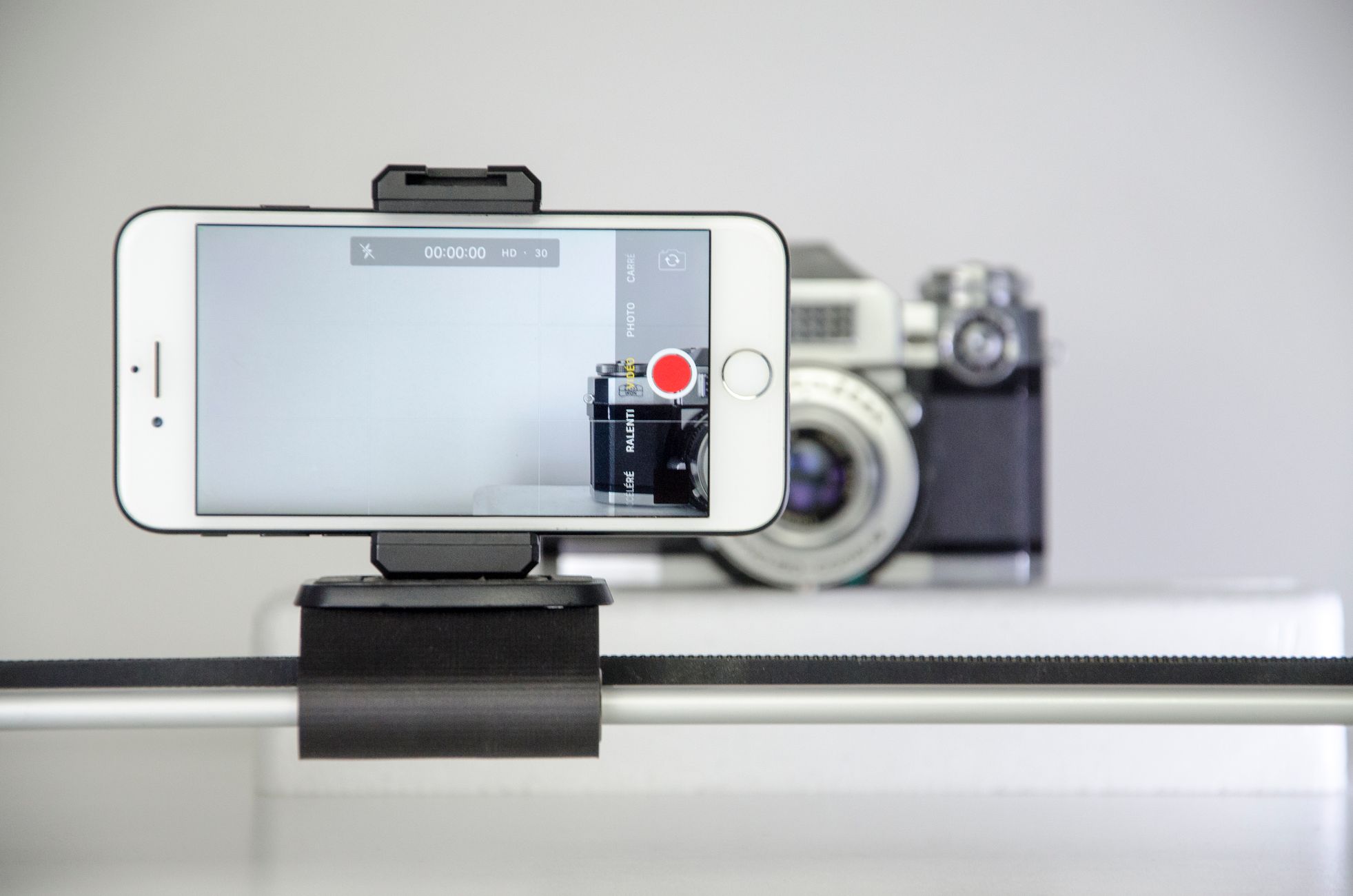
Here is the practical version. Block two hours. Go into the room. Do not clean, do not organize, just film. Pick up each object, hold it so the camera can see it, and say one sentence about what it is and why it matters. Do not try to make it good. Do not try to edit in your head while you are talking. You are not making finished videos yet, you are collecting raw material.
Two hours in a room full of your own history will produce thirty to fifty clips. Some of them will be unusable. Most will not. A clip that is fifteen seconds of you explaining why you stopped using a particular supplier's parts is more interesting than anything you were planning to post this week, because it is true, it is specific, and nobody else in your industry can post it.
Now here is where most people lose. They take those fifty clips, pick their four favorites, post those four to one platform across two weeks, and let the other forty six sit on a phone until the phone gets replaced. The filming was the hard part and they did it. The distribution was the easy part and they skipped it.
One Object Is Not One Post
The math people get wrong is thinking a clip equals a post. A clip is raw material for multiple posts across multiple platforms, and each platform treats it differently.
That fifteen second clip about the supplier parts is a TikTok on its own. It is also an Instagram Reel. It is also a YouTube Short. On Facebook it works better with a line of text framing it for an audience that skews a little older and a little more local. On Rumble it sits alongside longer form content and picks up views from people who found you through a completely different door. On Reddit it belongs in a niche subreddit where people argue about exactly this kind of decision, and those people convert at rates that would embarrass your paid traffic.
Same fifteen seconds. Six or more placements. Different audiences on each one. That is not repurposing in the lazy sense, that is respecting the fact that you already did the work and the work deserves to reach everyone it can reach.

The Objects You Think Are Boring Are The Best Ones
You have a bias about your own stuff. Things you see every day feel invisible to you. The thing you consider mundane is often the thing an outsider finds fascinating, because they have never seen it and they have no idea it exists.
The rack of raw material before it gets processed. The failed batch you kept as a reminder. The jig you built yourself because nothing on the market did the job. The shipping label printer. The spreadsheet taped to the wall. The first invoice you ever wrote, if you kept it. Your customers do not know any of this exists, and the version of your business they carry in their head is thinner than the real thing because of it.
Every one of those objects also does quiet sales work. Somebody watching the raw material clip now understands why you cost more than the cheap option. Somebody watching the jig clip now believes you actually know what you are doing. You did not make a sales pitch. You showed them a thing and told the truth about it, and the pitch happened on its own.
Why This Dies Without Distribution
Let us be honest about the failure mode. You will read this, get a little fired up, and film the storage unit. Good. Then you will hit the part where each clip needs to be resized, reformatted, captioned, uploaded, titled, and described separately for seven different platforms, and you will do that for the first three clips, and then you will stop. Not because you got lazy. Because it is genuinely forty minutes of manual work per clip and you have a business to run.
That is the exact point where most content dies. Not at creation. At the handoff between having the footage and getting it in front of people. The creators who look prolific are not filming more than you. They have solved the part after filming, so the filming actually pays off, which makes them want to film more, which compounds.
The compounding is the whole game. A year of posting one clip a day to one app gives you one year of reach. A year of posting that same clip everywhere gives you seven years of surface area in the same twelve months. Same effort in front of the camera. Completely different outcome.
Start With The Ugliest Shelf
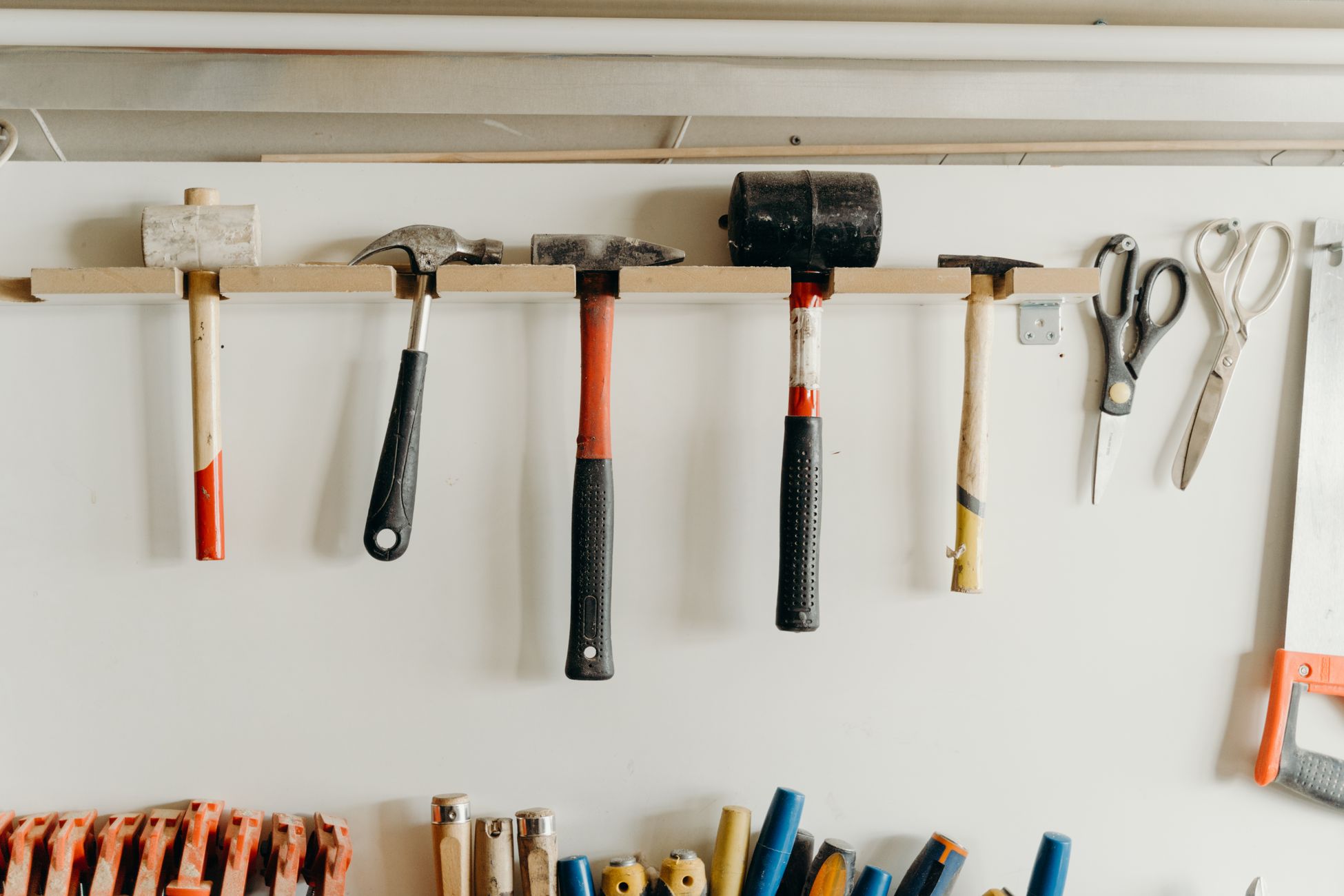
Do not plan this. Planning is how it stays a plan. Pick the shelf you are most embarrassed by, the one with the stuff you meant to throw out, and film that first. The story behind why you kept it is better than any topic you would have come up with at a desk.
Then get every one of those clips onto every platform where your buyers are already scrolling. Not the two you are comfortable with. All of them. The clip does not care which app it lands on. The only thing that decides whether it reaches four hundred people or forty thousand is how many feeds you let it into.
The room is already full. The footage is already possible. Everything you need for the next three months of content is sitting behind that door right now, gathering dust, doing nothing for you at all.
