
Your Loading Dock Is The Most Watchable Room You Own
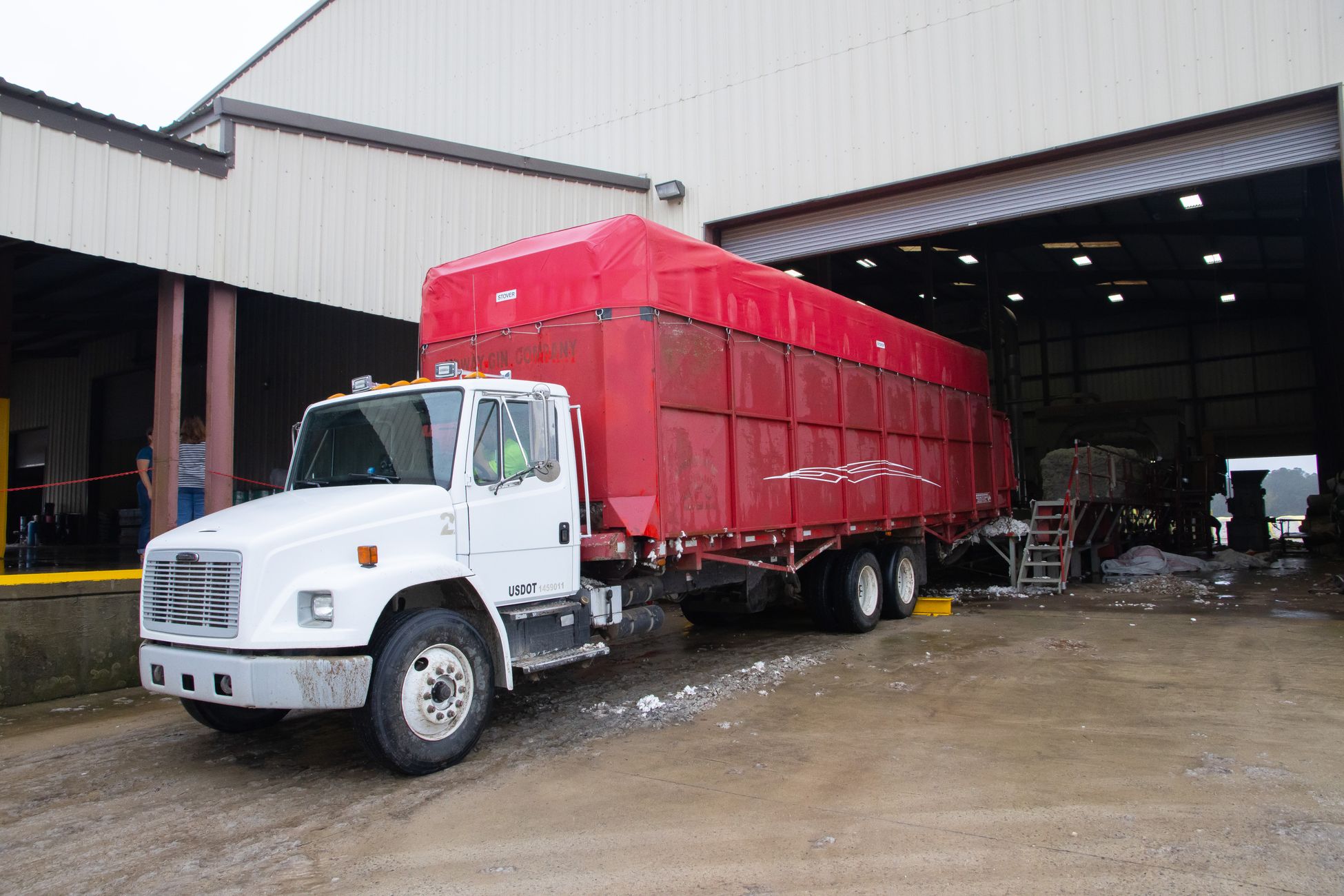
You have a room you consider the back of the house. The dock, the receiving bay, the staging area, whatever you call it. Pallets come in, product goes out, boxes get broken down, and the floor is never clean.
You would never post it. It is not presentable. The lighting is bad, there is a stack of empty crates against the wall, and somebody's jacket is hanging on a rack in the corner.
That room outperforms your showroom on every platform, every time, and the reason is not aesthetics. It is motion, scale, and truth, and your polished spaces have none of the three.
Why The Unglamorous Room Wins
Finished, styled spaces read as advertising, and people have spent their whole lives learning to skip advertising. A working space reads as access, and access is the thing social platforms reward above almost everything else.
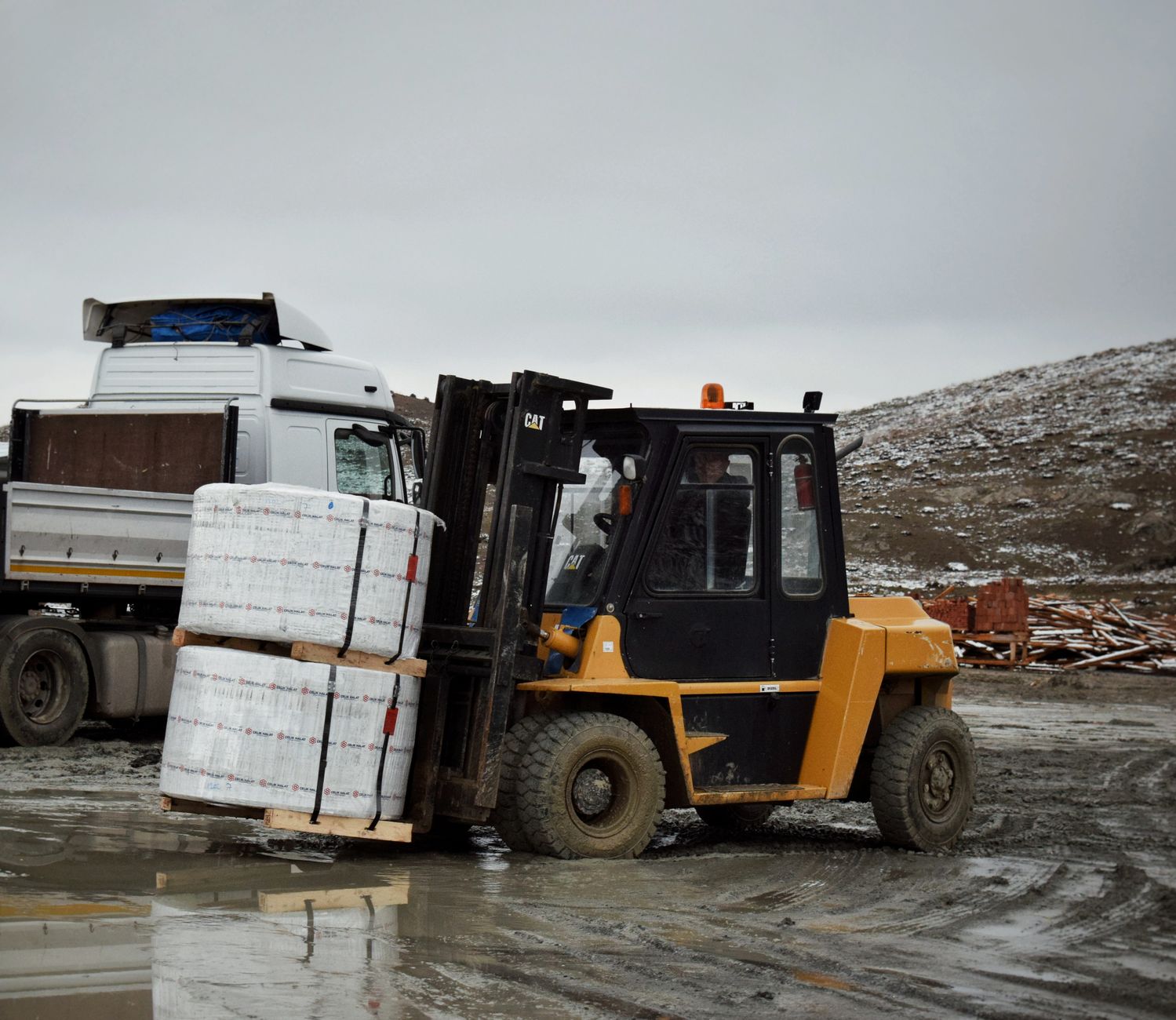
There is also just more happening. Things move. A forklift turns, a pallet gets wrapped, a truck backs in, a stack gets counted. Movement holds attention in a way a static styled shot does not, and attention is the only currency any of these platforms measures.
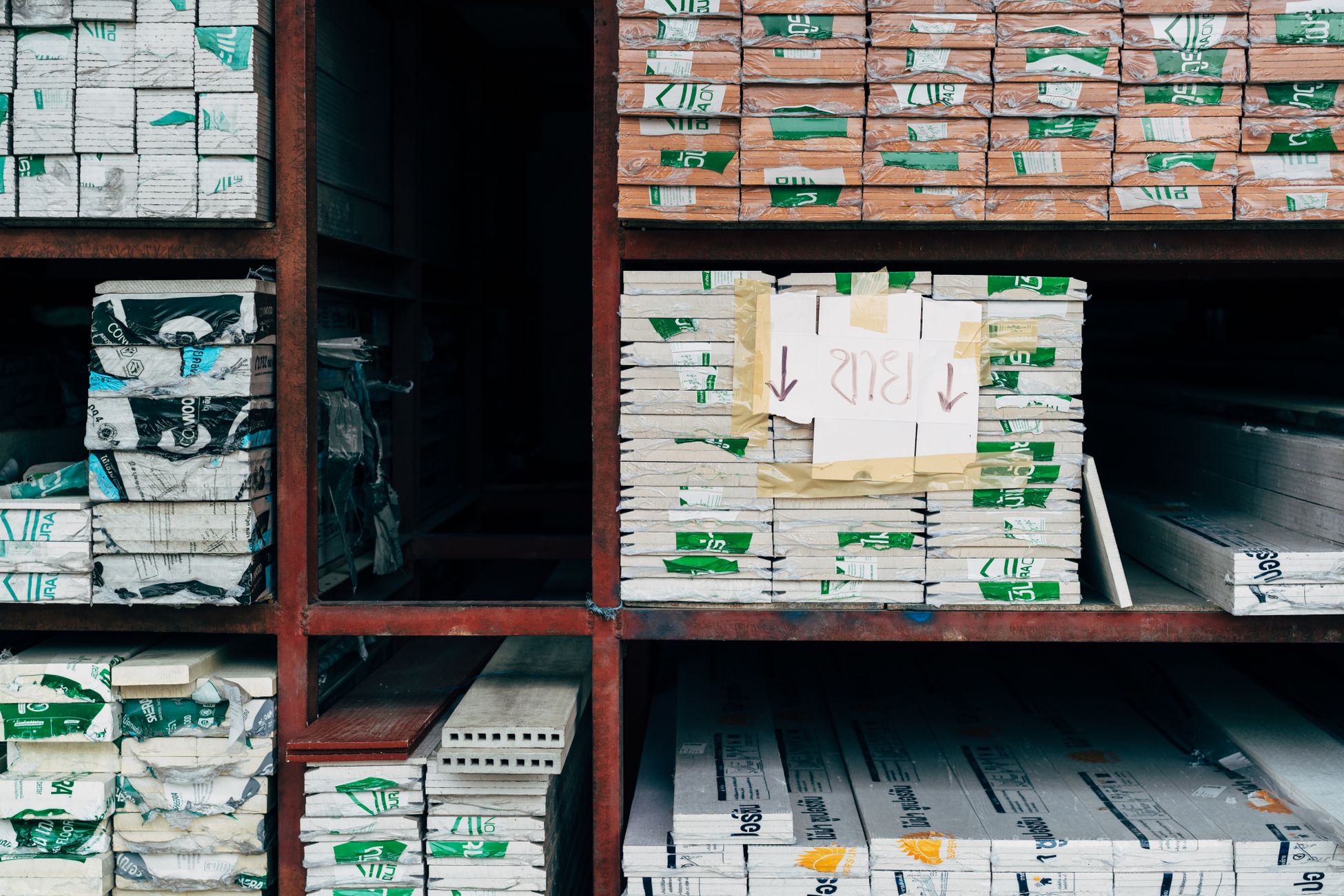
Then there is scale. Your customers have no mental image of volume. They think of you as the person they dealt with. Seeing forty pallets of something, or a wall of inventory, or six trucks loading at once, changes their estimate of your business instantly and permanently. You cannot achieve that with a sentence on your website.
The Things Back There Nobody Has Seen
Walk the room and list what is actually in it. Raw material in its unprocessed state. Packaging before it gets opened. The labeling system. The staging area where tomorrow's jobs are laid out in order. Returns waiting to go back. The bin of parts you keep because you will need exactly one of them someday.
Every one of those is a thirty second clip, and none of them require you to explain anything complicated. You point at it and say what it is.
The staging area in particular is worth filming weekly. Tomorrow's work laid out and organized is a picture of competence, and it implicitly answers the question every customer has, which is whether you are actually going to show up prepared.
The volume shots do quiet sales work too. Somebody who thought you were a two person operation and sees your receiving bay now believes you can handle their job. You did not make that argument. You showed them a room.
Seven Platforms, Seven Versions Of The Same Room
This content splits extremely well, which is the part most people never exploit.
The fast walkthrough, sped up, thirty seconds, is short form. TikTok, Reels, Shorts. Operations footage gets watched by enormous numbers of people who will never buy from you, and that reach is what puts you in front of the small percentage who will.
The longer version, where you explain the whole flow from truck to finished job, is YouTube. That is a genuinely useful video for peers, for new employees, and for customers who want to understand what they are buying. Nobody in your industry has made it.
Facebook gets the local framing. Here is what came in this week, here is what that means for what we can do for you. Practical, direct, and it drives actual inquiries.
Reddit gets the written operational detail, which the trade subreddits eat up, because operators love arguing about how other operators organize their inventory.
Rumble takes the long walkthrough to people who are not on any of the others.
One room. One walk. Five or six assets. Seven feeds. You did not build anything, you did not stage anything, you walked through a room you are in every day.
Stop Cleaning Before You Film
The instinct to tidy first is what kills this. You decide to film the dock, then you decide it needs to be presentable, then cleaning it becomes a project, then the project does not happen, then you never film it.
Film it dirty. The mess is a feature. A spotless staged version of a working room reads as fake and performs worse. The jacket on the rack and the stack of crates are what make it believable.
The only real rule is do not film anything that exposes a customer's information or something a competitor could genuinely use against you. Beyond that, the imperfection is the point.

This Also Solves Your Consistency Problem
The reason most operators post inconsistently is that they think every post needs an occasion. A finished job, an announcement, a milestone. Occasions are irregular, so posting is irregular, and irregular posting means the algorithm never learns who to show you to.
Operational footage has no occasion requirement. The dock exists every day. Something is always arriving, leaving, or being staged. That makes it the one content source that can genuinely support daily posting without inventing anything.
Daily footage from one room, distributed to seven platforms, is a volume of presence that looks impossible from the outside and costs you a two minute walk with your phone.
The Part That Actually Blocks It
Not the filming. Two minutes is nothing.
It is that two minutes of footage becomes a sped-up short, a long version, a Facebook post, a Reddit write-up, and then seven separate uploads with seven sets of titles and dimensions. That is where a two minute walk turns into a forty minute chore, and the chore is what does not survive a real working week.
So the walk stops happening after four days, which is what happened the last time you tried to post consistently.
Take the manual step out and the two minute walk is all it ever costs. One recording, every feed, every day, while you go back to the actual job.
The Four Things To Keep Out Of Frame
Filming a working space casually does mean a short list of things to watch, and it is short enough to memorize.
Customer information. Order sheets on a clipboard, labels with names and addresses, the whiteboard with this week's jobs and phone numbers. That whiteboard is usually the biggest offender because it is large, legible, and you stopped noticing it years ago.
Faces of people who did not agree to be filmed. Your crew mostly will not care, but ask once rather than assuming, and respect the one person who would rather not be on camera. That person exists on most teams and they will remember that you asked.
Anything that is a genuine safety or compliance problem. Not because it should be hidden, but because posting it publicly creates a real headache that has nothing to do with marketing. Fix it, then film it.
Volume numbers you do not want competitors reading. Most inventory footage is harmless, but if a shot lets somebody count exactly what you buy and how often, that is a business detail rather than a content detail.
That is the whole list. Everything else back there, including the mess you are self-conscious about, is fine and is the reason the footage works.
Walk It Tomorrow Morning
Before the first truck, before anything gets moving, walk the dock with your phone for two minutes. Do not clean it, do not plan it, just narrate what is there.
Then let that walk go to every platform where your customers, your peers, and your next hire are already scrolling.
You have the most watchable room in your business and you have been keeping it hidden because it is not pretty. Pretty is not what performs. Real is, and you have a whole room of it sitting behind a door you never film.
