
The Sale Ends Sunday And Only One Audience Ever Heard About It
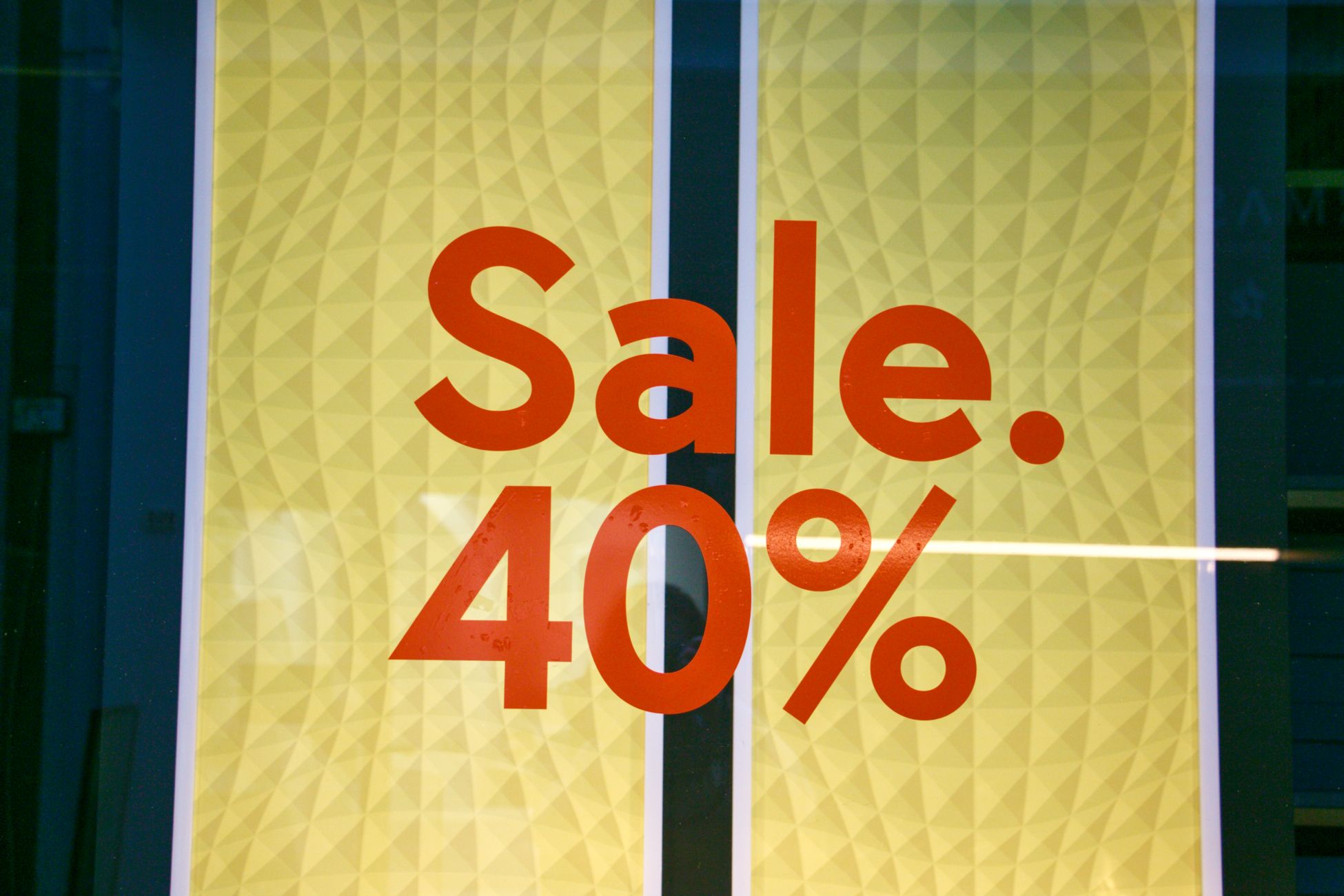
You planned the promotion for two weeks. Picked the discount, checked the margins, wrote the copy, made the graphic, set the end date. Then you announced it to one feed, reminded that same feed twice, and watched the numbers come in below what you hoped.
Afterward you told yourself the offer was not strong enough. Maybe the timing was bad. Maybe your audience is tapped out. You will tweak the discount next time and run it again.
None of those were the problem. The offer was fine. The problem is that a promotion is a distribution event, not a creative one, and you ran it like a creative one. You made a great announcement and told a fraction of the people who could have bought.
A Sale Is The One Post Where Reach Is The Whole Game
Most of your content can afford to be patient. An educational video posted today can find its audience over six months. A behind the scenes clip does not expire. If a good post underperforms this week, the algorithm can still resurface it in March and you lose nothing.
A sale does not work that way. It has a hard expiration date, usually seven days or less. Every person who does not see it inside that window is not a delayed customer, they are a lost one. There is no long tail. There is no resurfacing. Sunday comes and the offer is gone.
That makes a promotion the single piece of content in your entire calendar where the number of feeds you reach matters most, and it is the one most people distribute the least. You spend two weeks on an offer with a seven day fuse, then light it in one room.

The Feed You Announced To Is Not Your Audience
Here is the part that stings. Your main platform does not show your post to your followers. It shows it to a slice of them, usually a small one, chosen by whatever the system feels like doing that day.
So when you say the promotion went to your audience, what you actually mean is a percentage of one platform's followers, filtered by the algorithm, on a day when the feed happened to be competitive. Post a sale announcement to a page with ten thousand followers and it may genuinely be seen by eight hundred people. Post it three times and you might hit two thousand distinct humans, most of them the same ones each time.
Two thousand impressions of a limited time offer is not a promotion. It is a rumor.
Now put that same announcement across TikTok, YouTube, Instagram Reels, Facebook, Rumble and Reddit. Each platform brings a different slice of your existing followers plus a stream of people who have never heard of you. The offer is not competing for the same eight hundred eyeballs seven times. It is entering seven separate pools.
Discounts Do Not Fix Distribution Problems
Watch what happens when a sale underperforms. The next one is deeper. Twenty percent becomes thirty. Thirty becomes forty plus free shipping. The business trains its buyers to wait for the bigger number, margin erodes, and the underlying issue never gets touched.
The underlying issue was never the price. If eight hundred people saw a twenty percent off offer and forty bought, you did not need a better discount. You needed the other five thousand people who would have seen a twenty percent off offer if it had been posted anywhere else.
Run the comparison honestly. Deepening the discount costs you real margin on every single unit sold, forever, because buyers remember. Widening the distribution costs you an upload. One of those is a business decision and the other is a reflex.
What A Properly Distributed Promotion Looks Like
You do not need seven different campaigns. You need one campaign in seven places, which is a completely different amount of work.
The announcement video goes everywhere on day one. The same file, the same message, seven feeds. Day three, the reminder goes everywhere. The last twenty four hours post goes everywhere. That is three pieces of content, filmed once, published twenty one times.
Some of those placements will do almost nothing. That is fine, because they cost nothing. What matters is that when Sunday night comes, the number of humans who encountered the offer is a multiple of what one feed could ever deliver, and the people who bought include a group who had never heard your name before Tuesday.
That last group is the real prize. A promotion is one of the few things that converts a cold viewer immediately, because it removes the reason to wait. Someone who might have followed you and thought about it for four months instead buys on Thursday, because the price expires. Cold traffic plus a deadline is the fastest path from stranger to customer you have, and it only works if the cold traffic exists.

The Reason Your Best Sale Was Your Worst Distributed One
Think about the promotion that actually worked. The one you still talk about. Ask yourself what was different.
Usually it was not the offer. Usually something external gave it reach. Somebody big shared it. A post caught an algorithmic wave. You happened to run it the week a video of yours did numbers. The offer rode traffic that showed up by accident.
That is the whole insight. Your good sale was a distribution accident. You have been trying to reproduce it by changing the offer, when the variable that changed was how many people saw it.
Accidents are not a strategy. Seven platforms every single time is a strategy, and it does not require anything to go unexpectedly right.
The Operational Reason This Never Happens
Here is where the honest answer lives. Sale weeks are already the busiest weeks you have. You are fulfilling more orders, answering more questions, watching inventory, handling the one thing that always breaks. Nobody has a spare ninety minutes on day three of a promotion to export the reminder video into six formats and write six captions.
So the reminder goes to one platform, because one platform takes four minutes. The last chance post goes to one platform. And the sale that you planned for two weeks gets marketed with whatever attention was left over during the worst possible week to have attention left over.
That is not a discipline failure. That is a system that requires the most manual labor at the exact moment you have the least capacity. It will fail every time, and it has been failing every promotion you have run.
Build The Distribution Before The Discount
Before you plan the next offer, fix the thing underneath it. If publishing to seven platforms is automatic, then a promotion becomes exactly as much work as writing one announcement. The reminders cost nothing. The last day push costs nothing. You get to spend sale week running the business instead of resizing videos.
Then, and only then, look at whether the offer needs work. You might find it never did.
Post Once, Land Everywhere
Multipost Digital handles distribution across 7 or more platforms so your announcement, your reminder and your final call all land everywhere your buyers actually scroll, without you touching an export button during your busiest week.
The sale ends Sunday either way. The only question is how many people found out before it did.
