
The Trade Show Booth Cost Four Thousand Dollars And Reached Two Hundred People
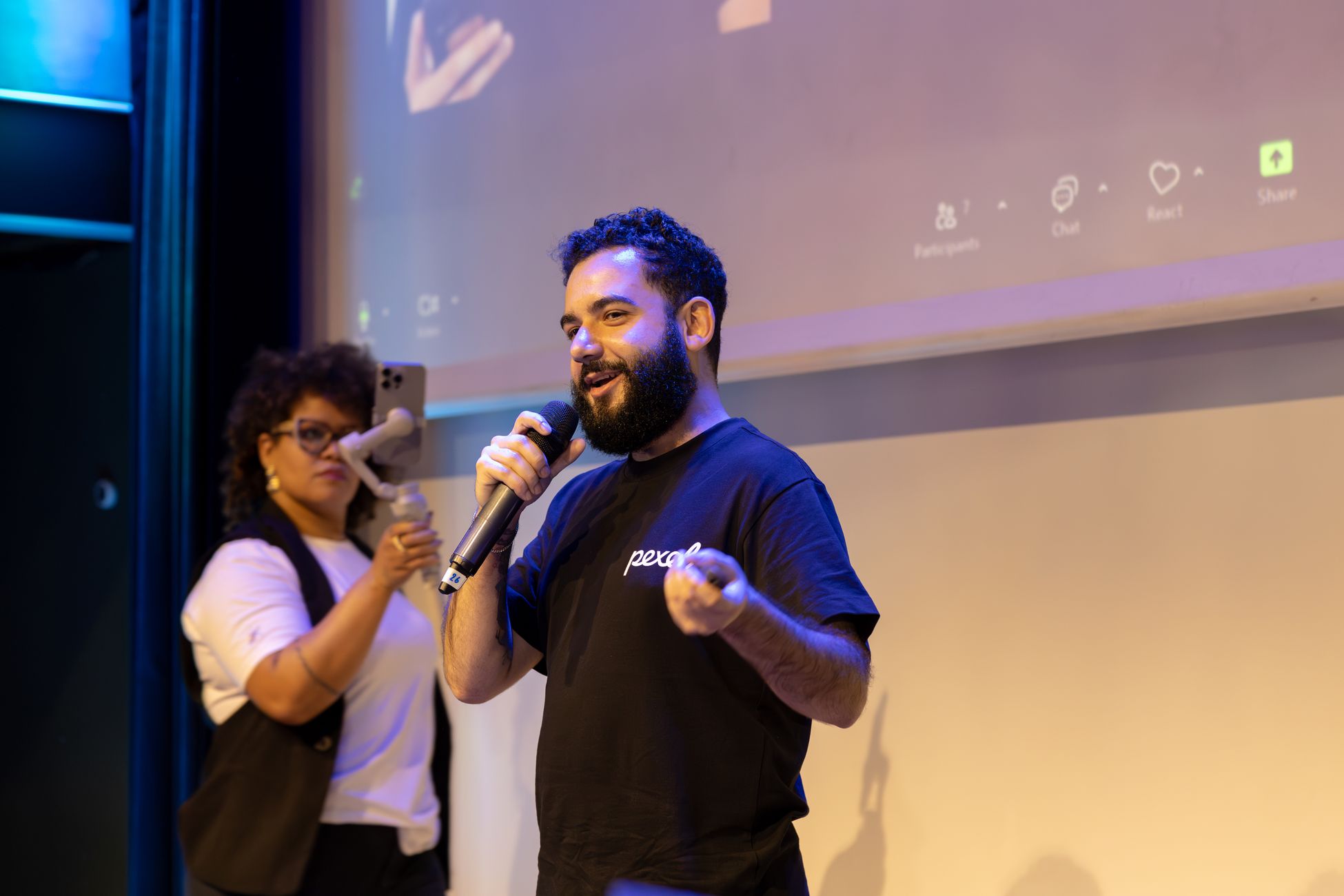
You paid for the floor space. You paid for the pop-up banner, the table cloth with your logo printed slightly off center, the two thousand branded pens, the hotel, the flights, and three days of your own time that you could have spent selling. Add it up honestly and the number is somewhere north of four thousand dollars. Probably closer to seven.
Then count the humans. Real conversations, not badge scans. Maybe two hundred people slowed down enough to make eye contact. Maybe forty of those were worth talking to. Maybe eight went into a follow up sequence, and two of those turned into anything. That is the actual math of the booth, and everyone in your industry keeps doing it because everyone else in your industry keeps doing it.
Meanwhile you filmed nothing. Or you filmed a little, on your phone, and it sat in your camera roll until the event was three months stale and posting it felt weird. A single video from that booth, distributed properly, would have reached more qualified people than the entire show floor. It costs nothing extra because you were already standing there.
The Show Floor Is A Feed With Terrible Reach
Think about what a trade show actually is. It is a curated feed of people in your category, walking past your content, deciding in two seconds whether to stop. That is the exact same job an algorithm does, except the show floor version caps out at whoever physically walked through the door that week.
You accept a two second scroll test in a convention center and call it marketing. You accept a two second scroll test on a phone and call it vanity. Same test. One of them costs four thousand dollars and ends Thursday. The other costs an upload and runs forever.
The people who did not attend your show are not less qualified. Most of them are more qualified, because they were busy doing the work you sell into instead of walking a carpet. The reason you cannot reach them is not budget. It is that your marketing only exists in rooms you personally stand in.
You Were Handed Three Days Of Free Content And Left It There
Here is what was sitting in front of you at that booth, unfilmed.
Every question a stranger asked you at the table is a video. You answered it out loud, in plain language, to someone who did not know your company. That is a script written and tested in real time by your actual market. You did that forty times in three days and recorded none of it.
Every demo you ran is a video. The thing you showed people, the reason they leaned in, the moment their face changed. You performed that demo dozens of times and got better at it each time. The best version of it happened around hour six of day two and nobody has ever seen it.
Every competitor booth you walked past is context. Every panel you sat through is a reaction post. Every dinner conversation where somebody in your industry said something smart is a hook. The setup, the teardown, the empty hall at seven in the morning, the exhausted last hour. All of it reads as real, and real is the only thing that travels.
You did not fail to make content. You made three days of content and published none of it.
One Camera Roll, Seven Feeds, Zero Extra Cost
Say you had filmed twelve clips over those three days. Nothing fancy, phone in hand, thirty to sixty seconds each. Answering questions, showing the product, reacting to the floor.
Posted to one platform, those twelve clips are a nice week of content that your existing followers see. Fine.
Posted across TikTok, YouTube, Instagram Reels, Facebook, Rumble, Reddit and the rest, those same twelve clips become eighty four pieces of published content aimed at seven separate audiences with seven separate discovery systems. Some of those platforms will do nothing with them. One or two will surprise you, because your category is undersupplied there and the feed is hungry.
The creative work is identical either way. Twelve clips, filmed once, on a trip you already paid for. The only variable is how many rooms the footage gets to enter. That is the entire difference between a four thousand dollar expense and a four thousand dollar investment.
The Reason It Did Not Happen
Nobody skips this because they think filming is a bad idea. They skip it because of what comes after the filming.
You get home Sunday night with four hundred photos and thirty videos on your phone. Monday you are behind on everything. By the time you have a free hour, it is Thursday, the clips need trimming, each platform wants a different aspect ratio, each one has a different caption limit, one of them will flag your export for a watermark, and you still have to write seven captions. That is a full afternoon of clerical work for content that already feels late.
So it does not happen. Not because you are lazy, but because the tax on distribution is charged in the exact week you have the least room to pay it. Every year. Every show.
The fix is not more discipline in that week. The fix is making publication something that happens to your footage automatically, so the only decision you make is which clips are good.
What The Booth Should Actually Be
Reframe the trade show entirely. The booth is not the campaign. The booth is the shoot.
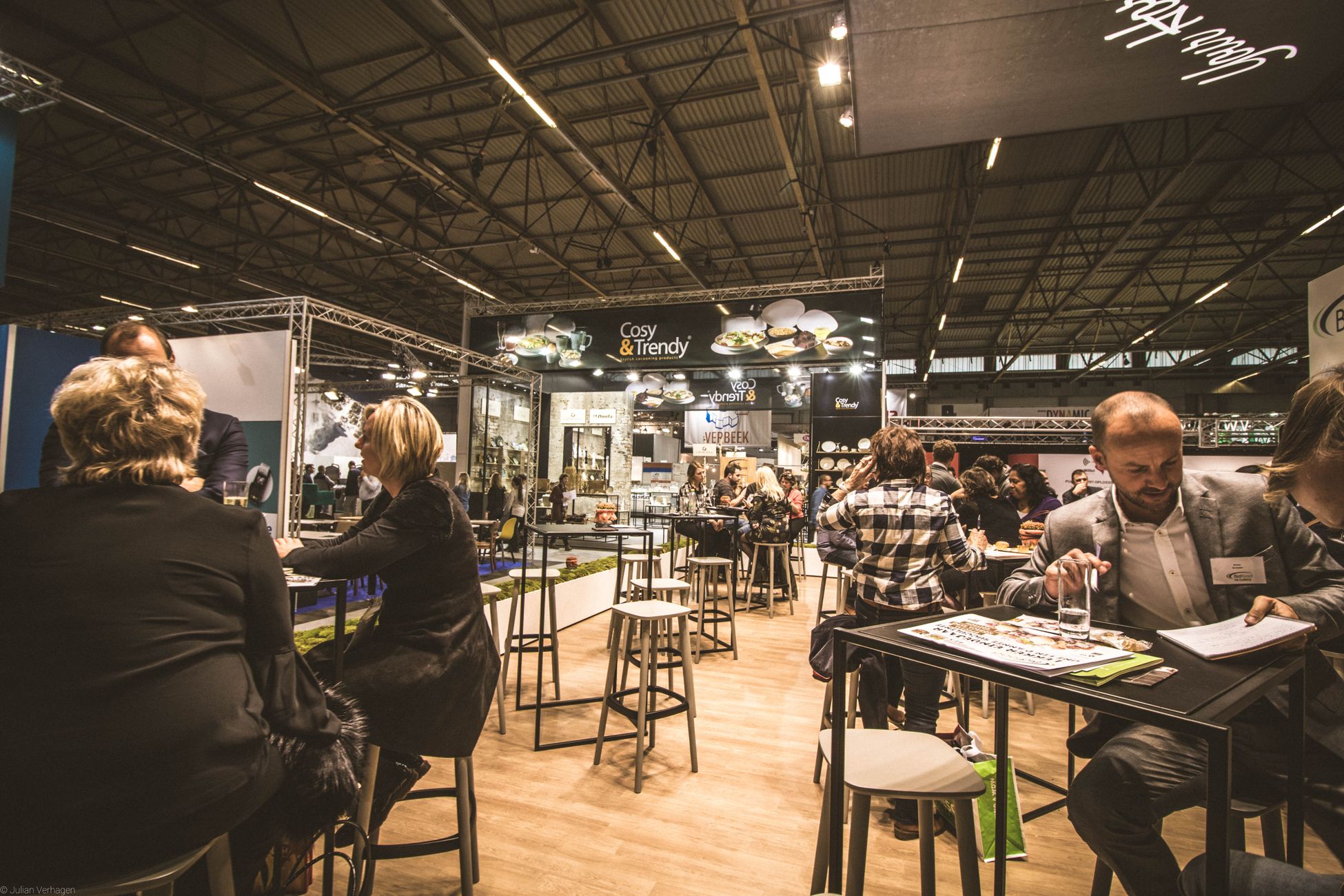
You are paying for three days of access to your industry in one building, with good lighting, real customers, live reactions and a legitimate reason to be filming. Nobody thinks it is strange to point a camera at anything on a show floor. That is the cheapest production environment you will ever get, and it comes bundled with the leads.
Under that framing, two hundred conversations stops being the ceiling. It becomes the raw material. The two hundred people you met pay for the trip. The seventy thousand people who see the footage across seven platforms over the next six weeks are the actual return, and they cost nothing extra because the flights were already booked.
The competitor in the booth across the aisle is going home with a stack of badge scans and a sore back. If you go home with a content library that publishes everywhere for the next two months, you did not attend the same event they did.
This Applies To Every Expensive Room You Enter
Trade shows are the obvious version, but the pattern is everywhere in your business. The conference. The workshop. The client site visit. The launch party. The industry dinner. Any time you pay real money to be physically present somewhere relevant, you are buying a room with a hard attendance cap.
The camera in your pocket removes the cap. Distribution across seven platforms removes it seven more times. What was a closed room with two hundred people becomes an open one, and it stays open long after the carpet comes up and the badges go in the trash.
You already made the expensive decision, which was showing up. The cheap decision, the one that multiplies it, is making sure the footage from that room does not end its life on your phone.

Post Once, Land Everywhere
Multipost Digital takes what you shot and puts it in front of audiences on 7 or more platforms without you touching an export button or writing seven captions on a Thursday night. You film. It ships. Everywhere.
Next year, book the booth if it works for you. But stop letting the show floor be the whole audience. Two hundred people is what the room holds. It is not what your content is worth.
