
Posting Only When You Feel Inspired Is Why Your Reach Collapses Every Time Life Gets Busy

Look at your posting history as a timeline instead of a grid. The pattern is almost always the same. A dense cluster of posts, then a gap. Another cluster, a longer gap. A burst after you watched something motivating, then three weeks of nothing during a busy stretch at work.
That shape is not a content problem. It is what happens when publishing depends on how you feel that day. Inspiration is real and it produces your best work, but it is a terrible scheduler, and every platform you use is built to punish inconsistency in ways most creators never quite connect to their own numbers.
See how consistent distribution actually works
The frustrating part is that the gaps do more damage than the bursts do good. You cannot make up for three silent weeks with a great posting day, because reach does not average out. It compounds when you are consistent and it decays when you are not.
Platforms Reward The Habit, Not The Post
Every algorithm is making a bet about whether showing your content to strangers is a good use of their attention. Part of that bet is whether you are a reliable source of things worth showing.
Post consistently and the platform develops confidence in you. Your new content gets tested on a real audience quickly because the system has enough history to predict how it will perform. Go quiet for a month and that confidence resets. Your comeback post gets a smaller test audience, performs worse than your old numbers, and you conclude the algorithm is punishing you. It is not punishing you. It just stopped knowing what to do with you.
This is why creators describe having to rebuild after a break. The break did not delete their audience. It cost them the standing they had built with the distribution system, and standing takes weeks to rebuild every single time.

Busy Weeks Are Exactly When You Need The Reach
Here is the cruel timing of it. Your posting stops when work gets busy. Work gets busy, then finishes, and then you have capacity again and need new clients. So your marketing goes silent during the period that determines whether you have work in six weeks.
That is the boom and bust cycle almost every service business runs on. Busy, no marketing, quiet period, panic marketing, busy again. The gaps in your posting history line up perfectly with the gaps in your pipeline, offset by about two months, and almost nobody makes that connection because the delay hides it.
Consistent distribution breaks the cycle by decoupling the two. Content keeps going out during your busy stretch, so the pipeline keeps filling while you are heads down, so the quiet period never arrives. That is the actual business case for consistency, and it has nothing to do with algorithms.
The Fix Is Not More Discipline
The standard advice is to build a habit and stick to it. That advice fails for the same reason most advice about willpower fails. It works until the week it is genuinely hard, which is the week that matters.
What works is separating creation from publishing. Those are two different jobs and only one of them benefits from inspiration.
Creating is where you want to feel good. Film when you have energy, when the ideas are coming, when you just finished a job that gave you something to say. Batch it. Some of your best sessions will produce four or five pieces in an afternoon because you were on a roll.
Publishing should not involve you at all. It should be a system that takes what exists and puts it out on schedule across every platform, whether or not you are inspired, available, or even thinking about content that week. Inspiration fills the queue. The system empties it at a steady rate. Neither depends on the other.
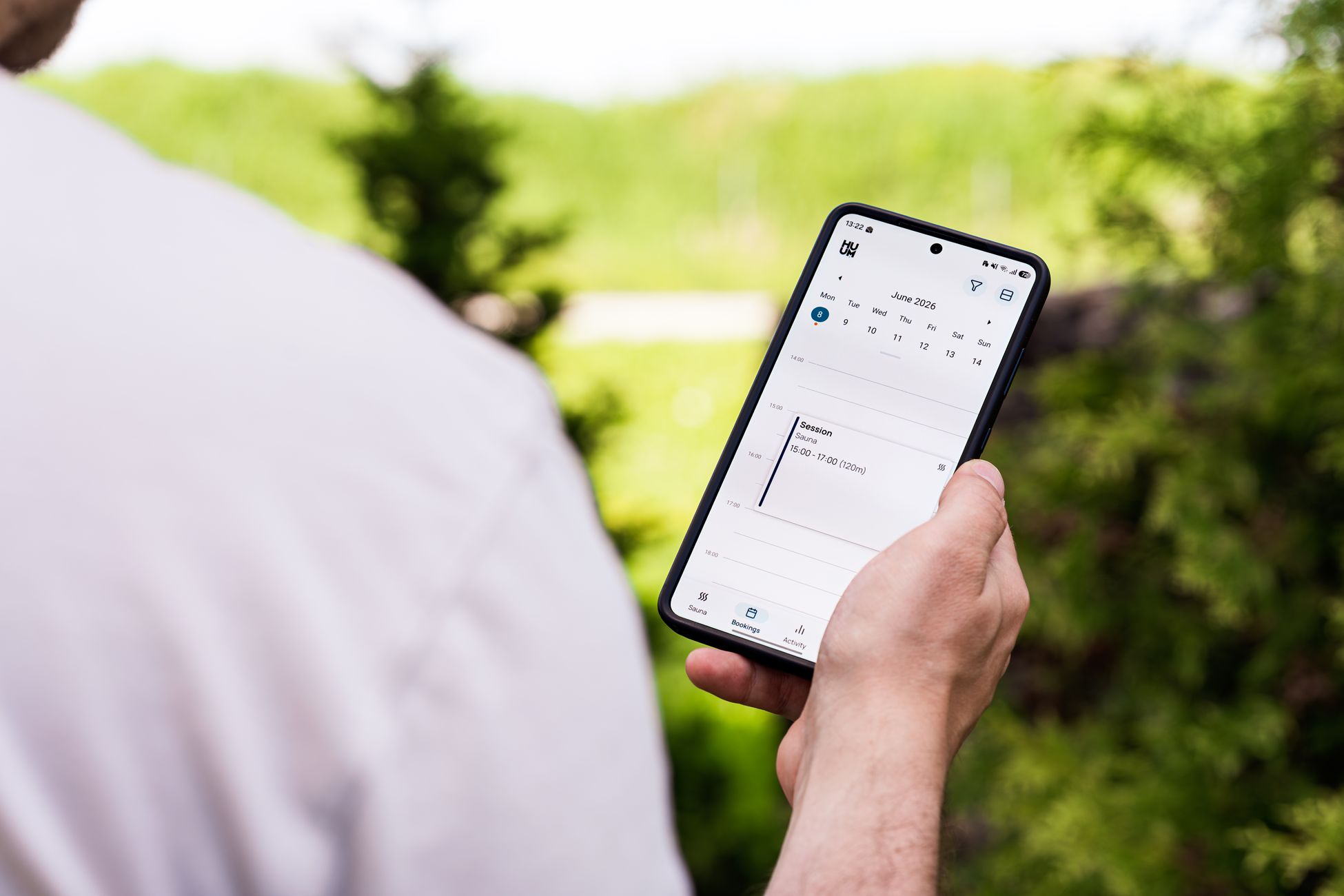
Keep publishing during the weeks you cannot
A Queue Turns Good Days Into Insurance
Once creation and publishing are separate, the good days start doing something they could never do before. They cover the bad ones.
Film five pieces on a strong Sunday and that is nearly two weeks of coverage. Do it again when you feel like it and you are a month ahead. Now a brutal work week costs you nothing publicly, because the queue keeps running. Your audience sees consistency, the platforms see consistency, and the only person who knows you did not film anything for two weeks is you.
Without a queue, every bad week is immediately visible to everyone including the algorithm. With one, you get to have normal human variance in your energy without your reach absorbing the hit. Most creators who look relentlessly consistent are not more energetic than you. They are just working from a buffer.
Inspiration Is Not Actually Random
One more thing worth knowing, because it makes the batching easier. Inspiration feels random but it usually is not, and most people can find their pattern in about ten minutes.
Think about when you have felt like making something recently. For most people it clusters. After finishing a job that went well. After a conversation with a client who asked a good question. Early in the week rather than late. After reading something in the industry that annoyed them enough to respond.
Those are triggers, and once you know yours you can arrange to be near a camera when they happen instead of losing the moment. The client question that would make a great video is only a great video if you record it that day, while you still remember the exact phrasing that made it interesting.
The creators who seem to have endless ideas are usually just capturing at the moment of the trigger rather than sitting down later trying to generate ideas from nothing. Generating from nothing is genuinely hard and it is what most people mean when they say they are not inspired. Capturing what already occurred to you is much easier and produces better material.
Note the triggers, film when they fire, and let the queue handle everything after that.

Seven Platforms Makes The Buffer Go Further
There is a multiplier here worth noticing. A single piece of content covers one slot on one platform. The same piece distributed across seven covers seven slots.
So five videos filmed on a good Sunday is not five posts. It is thirty five placements across TikTok, YouTube, Instagram Reels, Facebook, Rumble, and Reddit, each in the format that platform expects. That afternoon just produced a month of presence everywhere instead of two weeks of presence in one place.
That is the point where consistency stops feeling like an obligation and starts feeling manageable. You are not producing more, you are extracting more from the same production, and the extraction happens automatically instead of costing you an hour every time you publish.
The collapse in your reach every time life gets busy is not a character flaw and it is not bad luck. It is the predictable result of a publishing schedule that depends on a person having a good week. Take the person out of the publishing step and the busy weeks stop showing up in your numbers at all.
