
The Industry Words Your Customers Do Not Know Are Twenty Posts
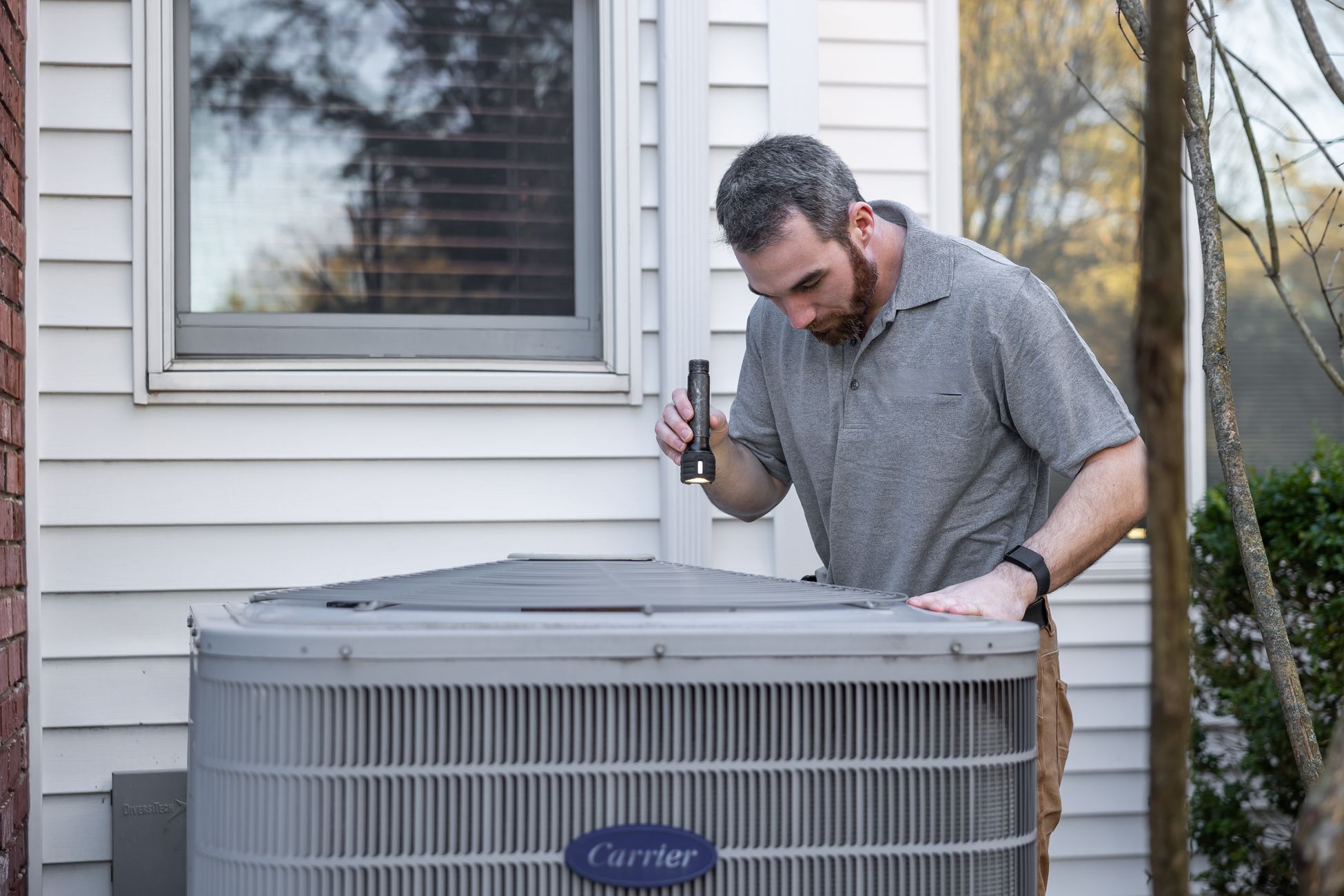
Every trade has its own vocabulary. Flashing, P-trap, load-bearing, R-value, underlayment, escrow, deductible, fade, gloss. You say these words without thinking because you have said them ten thousand times.
Your customers nod. They do not ask, because asking feels like admitting they are about to get taken advantage of. So they sit there pretending, and the quote you hand them reads like a foreign language.
That gap is the easiest content you will ever make. Every word they nod along to is a thirty second video, and every one of those videos answers a question somebody is typing into a search bar tonight.
The Nod Is Costing You Jobs
Watch a customer's face the next time you explain a job. When you say the fascia needs replacing, there is a half second where they decide whether to ask or pretend. Most of them pretend.
Pretending feels fine in the moment and costs you later. A customer who does not understand your quote cannot compare it fairly. They put your number next to a cheaper one, see two totals, and pick the smaller total, because the line items mean nothing to them.
Confusion also stalls decisions. People do not say yes to things they cannot explain to their spouse. If they cannot repeat what you told them at the dinner table, the job waits.

Your Customers Are Already Searching For These Words
After you leave, the customer pulls out their phone and types the word you used.
What is a soffit. What does a sump pump do. What is a crown on a tooth. Why does the mechanic keep saying my rotors are warped.
They are not looking for you. They are looking for anyone who will explain it plainly. Right now the answer they find is a dry manufacturer page or a video from somebody three states away.
That person three states away is building trust with your customer using your vocabulary. You said the word. They got the credit for explaining it.
Each term, explained by you, in your shop, in under a minute, belongs in that search result instead. On YouTube, inside TikTok search, and in Reddit threads, the plain-language explanation is exactly what people want, and almost nobody local is making it.
How To Build The List In One Afternoon
Sit down with a notepad, or open your last ten quotes. Circle every word a normal person would not use at a barbecue. You will have twenty before you finish the third quote.
Then add the words customers get wrong, the ones they misuse when they call. A roofer hears that the gutters are leaking when the real problem is the drip edge. A dog groomer hears "just a trim" and has to figure out which of four different haircuts that means.
Every misused word is a post too, and those are often the most useful ones, because the customer who uses the wrong word is also describing the wrong problem.
Then add the shorthand your crew uses with each other. The stuff written on the work order. Viewers love those, because they feel like insider access.
Twenty is a conservative number. Most trades have far more than that once you start writing. That is months of posting from one notepad session.
What A Thirty Second Definition Looks Like
Keep it simple. Hold up the thing, or point at it, and say the word.
Then say what it is in one sentence a twelve year old would understand, and why the customer should care in one more sentence. Stop.
A plumber holds up a P-trap and says this curved pipe under your sink holds a little water so sewer gas does not come up into your kitchen, and if you smell something bad under there, this is the first thing we check. That is the whole post.
A hairstylist explains what a gloss actually does. A mechanic explains what a CV joint is and what that clicking sound on a tight turn means. An accountant explains what an estimated payment is. Every one runs under a minute, and every one leaves the viewer feeling smarter, which is a feeling they now connect to you.
No script needed. You explain these words to customers every week already. You are just pointing the phone at yourself while you do it.

One Word, Seven Feeds
A single definition splits into more versions than you would expect.
The thirty second clip is short form. TikTok, Reels, Shorts. Put the word on screen in big text in the first second, because people searching inside TikTok and YouTube are typing that exact word.
Group five related terms into one longer video and you have a YouTube upload. Five roofing words every homeowner should know before getting a quote. That title answers a real search and keeps getting found for years.
Facebook gets the local framing. A homeowner across town asked us what flashing was last week, so here is the answer. It reads like a helpful post from a local business, because it is one.
Reddit gets the written version, with more detail, posted in the communities where homeowners, car owners, and pet owners are already asking these exact questions. A clear written answer from somebody who does the work gets read, upvoted, and saved.
Rumble takes the longer glossary videos to viewers who skip the other platforms entirely.
One word, five minutes of filming, five or six assets, seven feeds. Twenty words is over a hundred pieces of content, built from a vocabulary you already carry around in your head.
It Makes Your Quotes Easier To Sign
The series does sales work you never see. A customer gets your quote with the word underlayment on it. They search it, and your video is what comes up, or they already watched it last month. Now the line item makes sense.
You can send the clips directly too. Text the customer the video on the term that is confusing them. That is a far better follow-up than "just checking in," and it shows you would rather they understand the job than sign without reading.
Customers who understand a quote stop comparing totals and start comparing work. That is the comparison you win.
It changes how your crew talks too. Once a term has a plain-language version on camera, that version becomes how everyone in the shop explains it on site. Your whole business gets easier to understand, on screen and in person.
Why Glossary Series Die In Week Two
Filming twenty definitions takes one morning. Nobody quits because of the filming.
They quit at the next step. Every clip has to be trimmed, captioned so people watching on mute still catch the word, resized for vertical and horizontal, titled with the search term, and then uploaded seven separate times with seven separate descriptions. Twenty clips across seven platforms is a hundred and forty uploads. That is a part-time job, and it lands on top of your actual one.
So the series runs for a week or two and then quietly stops. The notepad with all those words on it goes in a drawer, and the customer three states away keeps answering your customers' questions.
Take the cutting, captioning, and uploading off your plate and the whole series costs you that one filming morning. You keep explaining words, and the words keep showing up everywhere your customers search.

Start With The Word You Said Today
Tomorrow, think back to the last job you quoted. Find the one word that made the customer pause. Film yourself explaining it in thirty seconds, holding the actual part if you can.
That is post one. The next nineteen are already sitting on your quotes, your work orders, and in the shorthand your crew yells across the job site.
You have been the expert in the room for years. Start being the one who explains it, everywhere your customers are looking.
