
The DIY Fix Your Customers Keep Botching Is Your Best Video
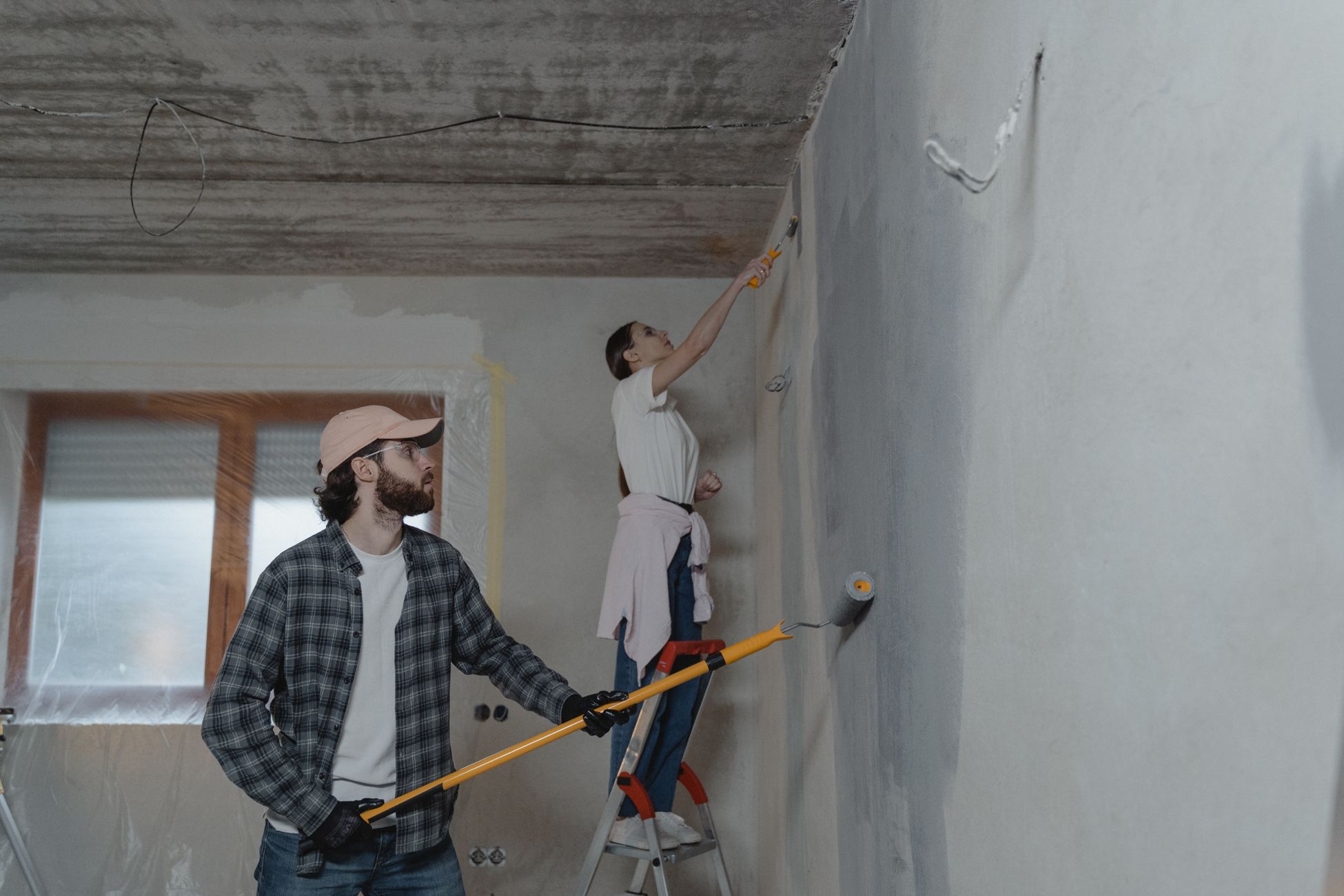
You know the call. Somebody tried it themselves first. They watched a video, bought a part, gave up a Saturday, and now the problem is worse and they are calling you on Monday sounding a little embarrassed.
You have cleaned up the same botched attempt so many times you can describe it before you open the cabinet. The wrong tape on the pipe threads. Caulk smeared over a gap that needed to dry out first. The breaker that keeps tripping because somebody swapped in the wrong size.
That repeat mistake is the most useful video you will ever make, and you have been treating it as a nuisance instead of a content plan.
The Search Bar Is Full Of Your Future Customers
Before anyone calls a pro, they type the problem into a search bar. How to fix a running toilet. Why does my garage door keep reversing. How to patch a hole in drywall.
Those searches happen every day in your town, and the person typing them is your customer at the exact moment they have the problem.
Most of the videos they find are made by people who have never fixed it for a living. Hobbyists, renters, channels that film one repair and move on. They show the version where everything goes right and skip the part where it goes wrong.
You are the person who sees where it goes wrong. That is the video nobody else can make with any authority.

Film The Mistake, Not The Lesson
The format is simple. Here is the fix people try. Here is where it goes sideways. Here is what it looks like when I show up afterward.
Lead with the botch. A tub surround with silicone layered three times over a leak nobody ever found. A ceiling fan hanging from a box held up by drywall anchors. A water heater relief line run uphill.
People stop scrolling for a mistake because they want to know if they made it. That curiosity is the hook, and you did not have to write it.
Then show the right way in plain terms, and say clearly where the line is. This part you can do yourself. This part is where you stop and call someone.
That line is the whole video. It is what makes the video useful, and it is what makes you the obvious call when they reach it.
You Are Not Teaching Them To Not Need You
This is the fear that stops most operators. If I show people how to do it, they will do it themselves and I lose the job.
That is not how it plays out. The person who can fix it alone was always going to try. Your video did not create that customer and it did not cost you that customer. They were never going to call.
There is also a group who watch your video, decide the job is not for them, and call you without trying at all. They saw what the botch looks like and want no part of it.
What your video does is catch the much larger group who try, get halfway, and realize they are in over their head. Those people are standing in a wet bathroom with your face fresh in their memory. You are the one who told them exactly where the line was. You are who they call.
And the jobs you lose to a fifteen-minute fix are the small jobs you were not making money on anyway. Losing the flapper replacement and winning the rotted subfloor it was hiding is a trade worth making every time.
Trust Gets Built Before The Phone Rings
Every home service business has a trust problem. Customers assume they will be upsold, talked down to, or charged for something they could have done themselves. A video where you tell them, honestly, that a job is easy and they should handle it breaks that assumption fast.
It reads as someone who is not desperate for the work. That posture is rare, and it sells.
When those same viewers hit the job that is not easy, they already believe you will tell them the truth about it. You skip the part of the sales conversation where you prove you are not out to rob them.
One Botched Repair, Seven Different Posts
The fifteen-second version is the reveal. Here is what I found when I opened this wall. That goes to TikTok, Reels, and Shorts, where homeowners and weekend DIYers scroll constantly and a wince-worthy moment travels fast.
The longer version is a full walkthrough on YouTube. The common attempt, why it fails, the correct fix, and the exact point to stop. That video keeps getting found in search for years, because the question never stops being asked.
Facebook gets the local framing. We get this call every week in town, here is what to check before you start. Neighborhood groups share that kind of post because it helps a neighbor avoid a mess.
Reddit gets the written breakdown. The home improvement and trade subreddits are full of people asking whether they just made something worse, and a clear written answer from someone who does this for a living gets saved and linked.
Rumble picks up the long version for an audience that skips the others.
One cleanup job you were doing anyway becomes five assets on seven feeds.
Keep A Running List Of The Repeat Offenders
You already know your top five. Every operator does. The botches you see every month, the ones where you sigh before you say a word.
Write them down tonight. That list is a year of content. Each one is a short reveal, a long explainer, and a local post, and the list refills itself because customers keep making the same mistakes.
Ask your crew too. The tech who handles service calls has a different list than the one who does installs, and both lists are worth filming.
Film every one you walk into. Before you start fixing, record what you found for ten seconds. That habit costs nothing and builds a library faster than any shoot you would ever schedule.
The Part That Actually Makes People Quit
Filming a botched repair takes thirty seconds. You were standing there anyway.
What kills it is everything after. Cutting the reveal down for short form. Cropping it vertical. Adding captions for everyone scrolling with the sound off.
Writing a different title and description for each platform. Exporting the long version for YouTube. Typing out the Reddit post. Then logging into seven accounts and uploading each one by hand.
That turns a thirty second clip into an evening of work, and after a long day under someone's sink, the evening loses. That is why most operators post three times and stop.
Take the manual part away and the only job left is pointing your phone at the mess before you clean it up. Everything else happens without you.
Keep It Honest And Keep It Kind
One rule matters here. Never make the customer the joke. Film the work, not the person, and never show a face, an address, or anything that identifies whose house it is.
The tone is "this happens all the time and here is why," never "look what this guy did." The viewer is often looking at their own mistake. Mock it and they leave. Explain it and they call.

Start With The Next Cleanup Job
Tomorrow, when you walk into a job somebody tried first, stop at the door. Pull out your phone and film what you found for thirty seconds before you touch anything. Say what they tried, why it failed, and where they should have stopped.
That one clip is a short, a long video, a local post, and a written answer to a question your town is searching right now. Send it to all seven feeds and let the next frustrated DIYer find you before they make it worse.
