
Why the Algorithm Isn't Your Problem (Your Distribution Is)
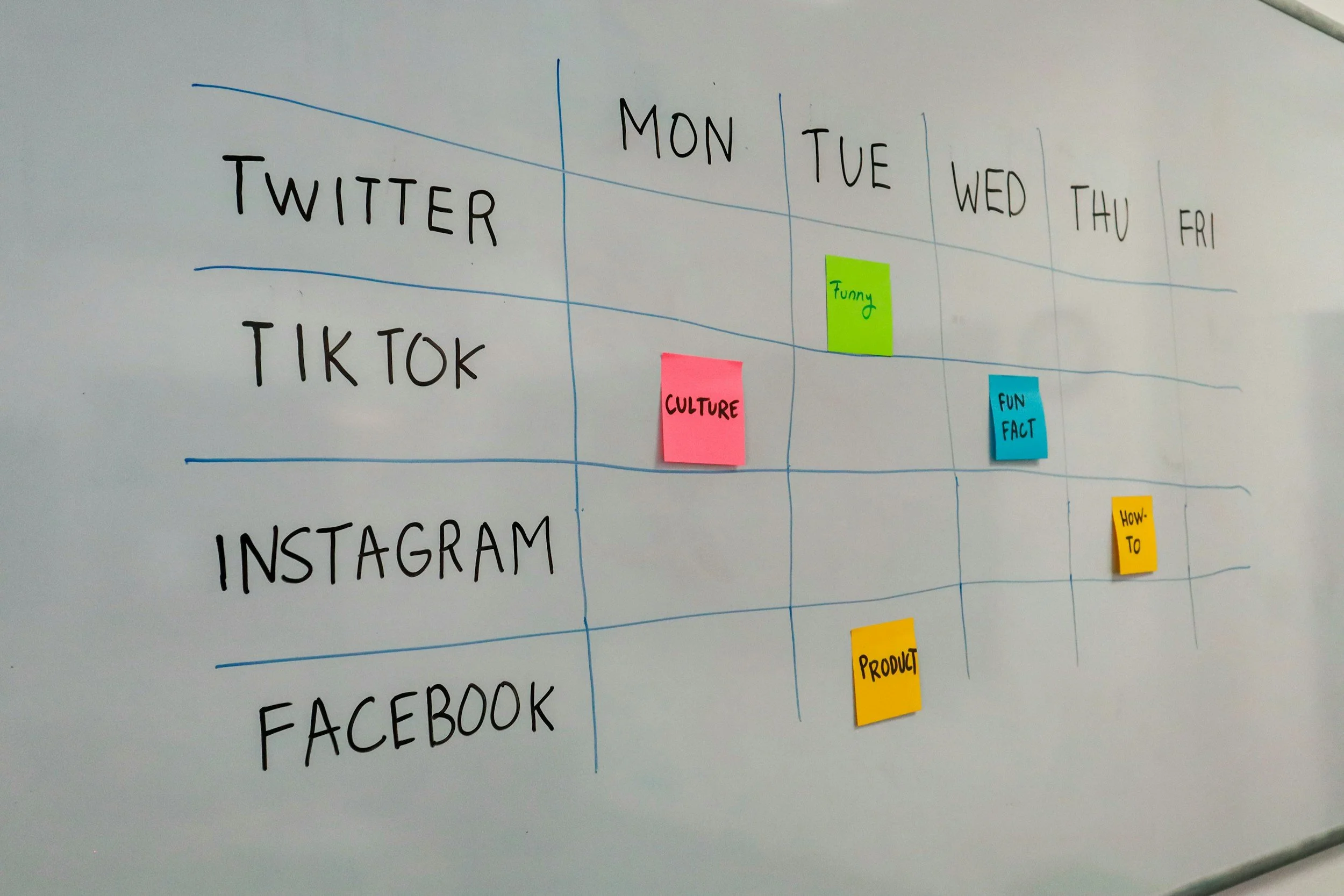
Every creator, brand owner, and marketing manager has said it at some point. "The algorithm changed." "The algorithm is hiding my content." "I need to figure out the algorithm." It has become the go-to excuse for why content is not performing, why follower growth has stalled, and why engagement feels like it has completely fallen off a cliff. But here is the honest truth that most social media gurus will not tell you: the algorithm is probably not your actual problem. Your distribution is.
Before you close this tab, hear me out. The algorithm is real, it changes constantly, and yes, it does affect your reach. But obsessing over it is like a restaurant owner blaming the weather every time sales are slow, while ignoring the fact that they are only open three days a week and nobody knows they exist. The core issue for most creators and brands is not that the algorithm is working against them. It is that they are only showing up in one or two places and expecting that to be enough. If you are ready to stop guessing and start growing, check out how Multipost Digital handles your distribution across 7+ platforms.
This post is going to break down why distribution is the real lever you should be pulling, how to think about your content strategy differently, and what you can do starting today to stop leaving reach on the table.
What the Algorithm Actually Does (and Does Not Do)
Let us start by giving the algorithm a fair shake, because understanding it correctly will actually help you stop fearing it.
Algorithms on platforms like TikTok, Instagram, YouTube, and Facebook are designed to do one thing: show people content they are likely to engage with so they stay on the platform longer. That is it. The algorithm is not your enemy. It is a filter. It prioritizes content that already has momentum, that matches user behavior patterns, and that fits the format the platform is currently pushing.
This means the algorithm is actually trying to help you reach your audience. But it can only work with what you give it. If your content is not resonating, the algorithm is just the messenger. It is telling you that something else is off, whether that is the content quality, the format, the posting frequency, or the fact that you are only posting in one place and hoping for lightning to strike.
The real problem is not that the algorithm changed. The real problem is that most people are playing a single-platform game in a multi-platform world.
The Single-Platform Trap
Think about how most creators and brands operate. They pick one platform. Maybe it is Instagram because that is where their audience used to be. Maybe it is TikTok because someone told them short-form video is the future. They put all their energy into that one platform, post consistently for a while, and then when growth slows or a reach drop hits, they panic and start researching algorithm hacks.
The single-platform trap is incredibly common and incredibly costly. Here is why it hurts you so much:
First, you are completely at the mercy of one company's decisions. When Instagram decides to push Reels over static posts, or when TikTok changes how it handles certain types of content, your entire reach can evaporate overnight. You have no backup. You have no other channel driving traffic or building an audience.
Second, you are missing massive audiences that exist on other platforms. Not everyone is on Instagram. Not everyone watches TikTok. A huge portion of your potential audience might be spending time on YouTube, Reddit, Facebook, or Rumble, and you are simply invisible to them because you never show up there.
Third, you are wasting content. You created a video, a post, a piece of content that took real time and effort. But you only put it in one place. That is like printing a flyer for your business and only handing it to one person.
Distribution Is the Multiplier
Here is the mindset shift that changes everything: distribution is not extra work. Distribution is the work.
The content itself is just raw material. What you do with that content, where you put it, how many people actually see it, that is what determines your growth. A mediocre piece of content distributed across seven platforms will almost always outperform a brilliant piece of content that only lives in one place.
Think about how legacy media has always operated. A major news story does not just run once on one channel. It appears on broadcast TV, gets printed in the paper, gets posted online, gets shared as a clip on social media, and gets referenced on podcasts. The same core story gets distributed through every available channel because reach is everything.
You need to think about your content the same way. That one video you made? It can live on TikTok, YouTube Shorts, Instagram Reels, Facebook Reels, Rumble, and more. That one in-depth post? It can be broken into multiple pieces and distributed across Reddit threads, Facebook groups, and other communities where your audience hangs out.
When you embrace multi-platform distribution, you stop being dependent on any one algorithm. If TikTok deprioritizes your content this week, YouTube might pick it up. If Instagram's reach dips, Rumble might be driving new viewers your way. You build resilience into your growth strategy instead of constantly chasing the favor of a single platform.
The Time Problem (and How to Solve It)
The most common pushback to multi-platform distribution is this: "I barely have time to manage one platform. How am I supposed to manage seven?"
This is a completely valid concern, and it is exactly why so many creators stay stuck in the single-platform trap. Managing content across multiple platforms manually is genuinely overwhelming. You have different specs, different caption styles, different optimal posting times, different communities with different cultures. Trying to do all of that yourself while also creating the content is a recipe for burnout.
But here is the thing. You do not have to do it manually. This is exactly the kind of work that can and should be systemized or outsourced. When you have the right support in place, distributing across seven or more platforms does not have to take seven times more effort. It can actually take less effort than your current approach because the process becomes streamlined and efficient.
When distribution is handled, you get to focus on what you actually do best: creating content that connects with people.
What This Looks Like in Practice
Let us make this concrete. Say you create a five-minute video talking about a topic in your industry. Here is what smart distribution looks like:
That full video goes on YouTube. A clipped version goes on TikTok, Instagram Reels, Facebook Reels, and YouTube Shorts. The core insight from that video gets written up as a post or comment on relevant Reddit communities. A teaser or highlight gets posted on Facebook to drive traffic back to the full video.
You made one piece of content. You just showed up in six or seven different places where real people are spending real time. Your chances of finding a new follower, a new customer, or a new fan just multiplied dramatically, and you did not have to create six additional pieces of original content to make it happen.
This is what content repurposing paired with smart distribution actually looks like. It is not about watering down your content or spamming every corner of the internet. It is about respecting the work you put into creating something valuable enough to make sure as many people as possible actually see it.
Stop Blaming the Algorithm and Start Owning Your Reach
The algorithm will always change. There will always be another update, another shift in how platforms distribute content, another round of creators panicking about their reach dropping. That cycle is never going to stop.
But the creators and brands that keep growing through every algorithm change are not the ones who cracked some secret code. They are the ones who built their presence across multiple platforms so that no single change could knock them out. They are the ones who treat distribution as seriously as they treat content creation.
You have more control over your growth than you think. You just have to stop handing all of that control over to one platform and one algorithm.
Start thinking like a media company. Create with intention, distribute with strategy, and show up consistently in all the places your audience might be waiting for you.
The algorithm is not your problem. Let us fix the thing that actually is.
