
The Hidden Reason Your Competitors Are Growing Faster With Less Content
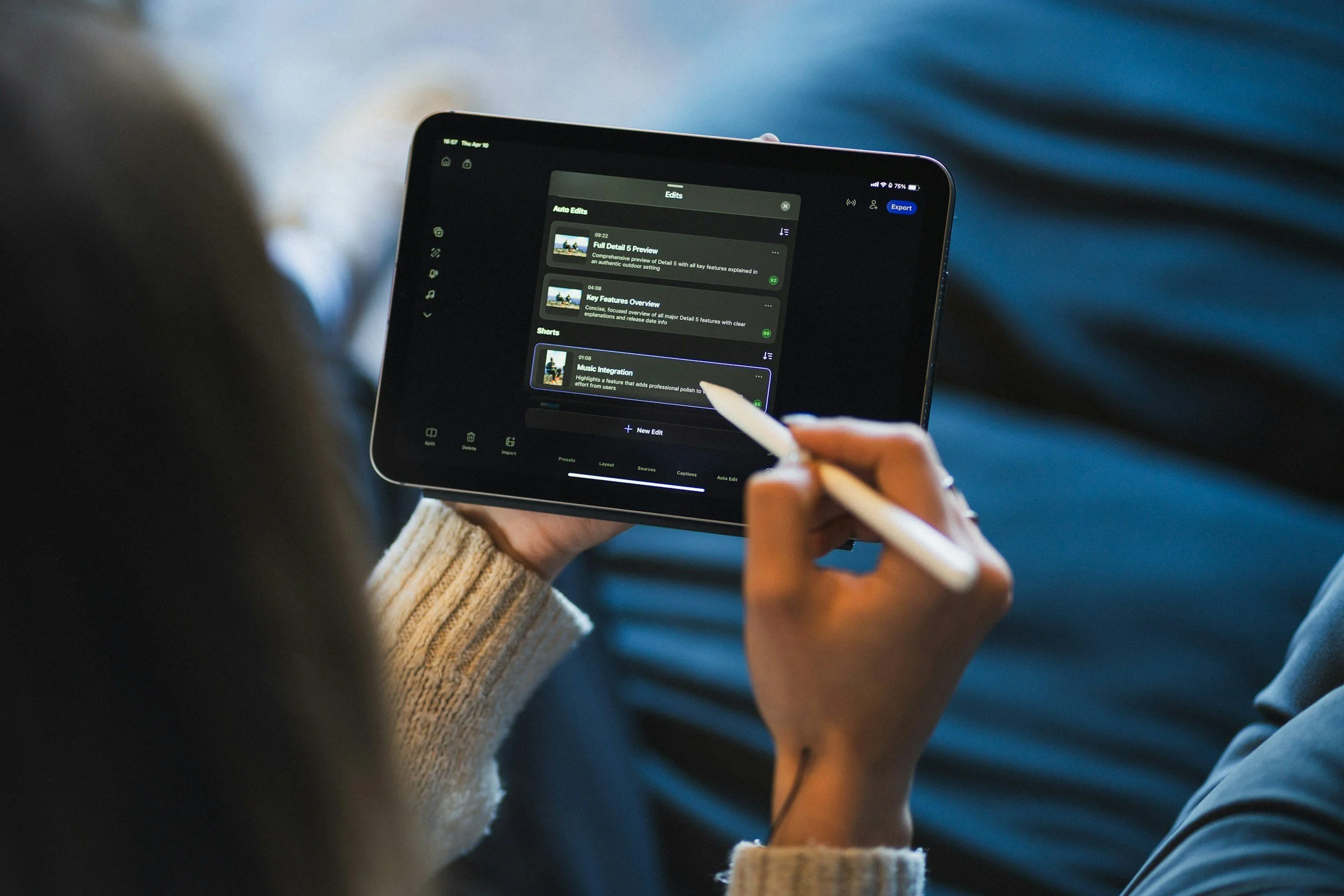
You've been grinding. Posting every day, brainstorming new ideas, filming, editing, writing captions, and trying to keep up with every platform's algorithm. Meanwhile, you look over at a competitor who seems to be everywhere at once, growing faster than you, and you can't figure out how they're doing it with what looks like less effort. It's frustrating. It can even feel demoralizing. But here's the thing: they're not working harder than you. They're working smarter, and there's one specific move they're making that most creators and brands completely overlook.
The secret isn't a viral moment, a massive ad budget, or some influencer partnership. It's distribution. More specifically, it's the ability to take one piece of content and get it in front of audiences across multiple platforms without burning out or doubling the workload. If you want to understand how this actually works in practice and how a team can do it for you, check out how Multipost Digital handles multi-platform posting here.
This blog is going to break down exactly why your competitors appear to be growing faster with less content, what they understand about social media that you might be missing, and how you can close that gap starting right now.
The Illusion of "Posting Less"
When you see a brand or creator showing up on TikTok, YouTube Shorts, Instagram Reels, and Facebook all in the same week, your first assumption might be that they have a huge team producing content around the clock. Sometimes that's true. But more often than not, what you're witnessing is the power of content repurposing and cross-platform distribution working in the background.
One video becomes five pieces of content on five different platforms. One podcast episode becomes short clips, quote graphics, and a Reddit discussion thread. One blog post becomes a YouTube script, a TikTok talking head video, and a series of Instagram carousel posts. The content itself isn't multiplied in terms of creative effort. It's multiplied in terms of reach and visibility.
This is what creates the illusion that your competitors are "doing more." They're not necessarily creating more original ideas. They're extracting more value from the ideas they already have.
Why Single-Platform Posting Is Killing Your Growth
If you're only posting to one or two platforms, you're leaving a massive amount of potential audience on the table. Think about it this way: your ideal customer or follower isn't living on just one app. They might scroll TikTok in the morning, watch YouTube in the afternoon, browse Reddit in the evening, and check Facebook somewhere in between. If your content only lives on one of those platforms, you're only reaching them in one of those moments, and that's assuming the algorithm even shows them your post.
Multi-platform distribution solves this problem entirely. Instead of betting everything on Instagram's algorithm deciding to push your Reel today, you're spreading your bets across TikTok, YouTube, Instagram Reels, Facebook, Rumble, Reddit, and more. Even if two or three of those platforms underperform on a given day, the others pick up the slack.
The math is simple but powerful. If one platform gives your content a 10% chance of reaching your target audience on any given day, seven platforms give you a compounding reach that no single-platform strategy can match. Your competitors who figured this out aren't smarter than you. They just stopped depending on one platform to do all the heavy lifting.
The Real Cost of Creating Platform-Specific Content Every Time
One of the biggest mistakes creators and brands make is believing they need to create unique, tailor-made content for every single platform from scratch. This belief is exhausting and unsustainable, and it's usually what leads to burnout.
Yes, each platform has its quirks. TikTok loves trending audio and raw authenticity. YouTube rewards slightly more polished, longer content. Instagram Reels are visual and aesthetic-driven. Reddit values genuine conversation and niche expertise. Facebook tends to favor content that sparks engagement and shares within communities. But that doesn't mean you need six completely different content strategies. It means you need one strong content idea and a smart system for adapting it.
The adaptation process is far less time-consuming than creating from scratch every time. A well-shot vertical video can be posted to TikTok as-is, uploaded to Instagram Reels with a different caption, published to YouTube Shorts, and shared on Facebook with a community-friendly intro. The core content is the same. The slight adjustments in framing, caption tone, and posting strategy are what make it feel native to each platform.
The problem is that most creators and business owners don't have the time or systems to execute this consistently. That's where falling behind starts.

What "Showing Up Everywhere" Actually Does for Your Brand
There's a psychological phenomenon called the mere exposure effect, and it's incredibly relevant to social media growth. In short, people tend to trust and prefer things they've seen more often. When someone sees your brand on TikTok, then stumbles across your YouTube channel a few days later, and then sees you pop up on Facebook a week after that, something shifts in their perception. You start to feel established, credible, and everywhere.
This kind of omnipresence used to require massive budgets and television ad campaigns. Now it just requires a smart multi-platform content strategy. When your content is consistently showing up across seven or more platforms, you're building that sense of authority and familiarity without needing to spend more on ads or create more original content.
Your competitors who are growing faster likely figured this out. They understood that perceived omnipresence builds trust faster than any individual viral post ever could. And trust is what converts followers into customers, clients, and loyal community members.
The Time Problem and How to Solve It
Here's where most creators and brands get stuck. Understanding that multi-platform distribution is the key to faster growth is one thing. Actually executing it consistently is another challenge entirely.
Managing seven platforms means understanding seven different upload processes, seven sets of best practices, seven content calendars, and seven streams of engagement to monitor. For a solo creator or a small business owner who's already wearing twelve hats, this is simply not realistic without help.
This is exactly the gap that a service like Multipost Digital was built to fill. Instead of hiring a full in-house social media team or trying to do everything yourself and burning out within three months, you can work with a team that specializes in cross-platform content distribution and management. They handle the posting, the formatting, the scheduling, and the platform-specific optimization so you can stay focused on creating great content and running your business. See exactly how the Multipost Digital process works and what it looks like to have your content distributed across 7+ platforms.
How to Start Thinking About Content Differently
The mindset shift that unlocks faster growth is simple: stop thinking about creating content for a specific platform and start thinking about creating content for your audience that can live on multiple platforms.
Ask yourself with every piece of content you make: where else could this live? If you filmed a 60-second talking head video for TikTok, that same video can go on Instagram Reels, YouTube Shorts, Facebook, and Rumble. If you wrote a detailed post for Reddit, the ideas in that post can become a TikTok, a YouTube video, and a Facebook discussion prompt.
You already have more content than you think. You're just not distributing it broadly enough yet.
Start small if you need to. Pick one piece of content you created this week and identify three other platforms it could live on. Map out the minor adjustments needed for each. Then post it and watch what happens when your content starts showing up in places your audience didn't expect to find you.
Stop Competing With One Hand Behind Your Back
Your competitors aren't growing faster because they have a secret content formula or a bigger creative team. They're growing faster because they stopped limiting themselves to one or two platforms and started letting their content work for them across the entire social media landscape.
You don't need to create more. You need to distribute smarter. You need systems that take your existing content and put it in front of more people in more places without burning through your time and energy in the process.
That's exactly what strategic multi-platform posting delivers, and it's available to you right now. You don't have to figure it out alone, and you don't have to build the systems from scratch. Learn how Multipost Digital can start distributing your content across 7+ platforms and help you grow faster starting today.
The gap between you and your competitors isn't talent. It's distribution. And that's one of the easiest gaps in business to close once you know what you're looking at.
