
You Explain Your Process On Every Call And Post It Nowhere

Every single sales call has the same middle section. The prospect asks how it works, and you walk them through it. Step one, then step two, why step three takes longer than they expect, what you need from them before step four.
You have delivered that walkthrough so many times it runs without conscious effort. It is the most practiced piece of communication in your entire business, refined across hundreds of calls until every confusing part was sanded off.
It exists nowhere except in your mouth, on the phone, one prospect at a time.
The Explanation Is Your Best Asset And Your Biggest Bottleneck
Think about what that walkthrough does on a call. It takes someone from uncertain to comfortable. It removes the objections before they get raised. It sets expectations that prevent problems later. It makes you sound like somebody who has done this before, because you have.
It is the single highest-leverage thing you say, and its reach is capped at one person per twenty minutes of your time. You are the only distribution channel for the most persuasive content your business has.
That is a bottleneck with your name on it, and it puts a hard ceiling on growth that no amount of lead generation fixes. More leads just means more times you personally deliver the same twenty minutes.
Recording It Once Changes The Shape Of Your Week
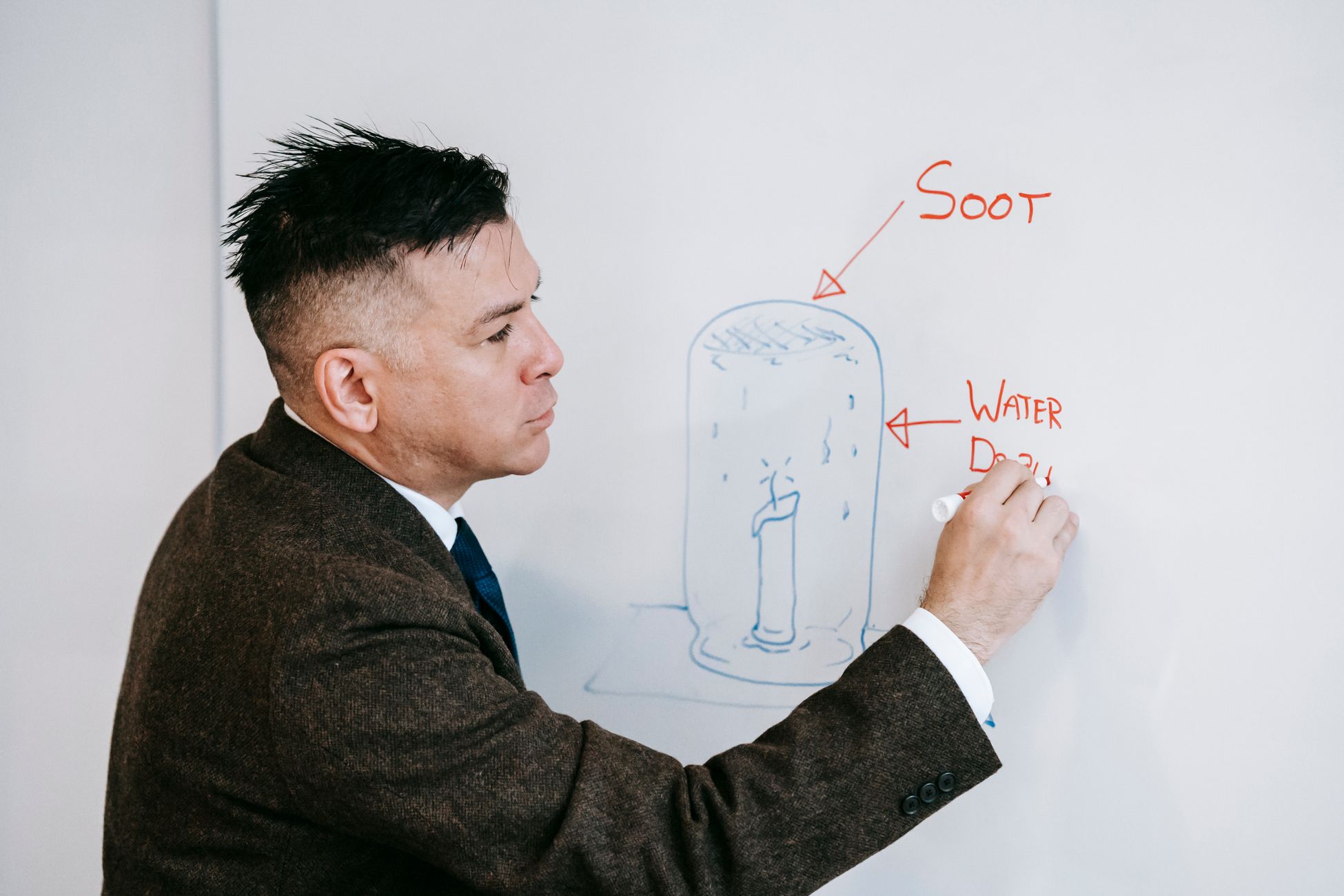
Film that walkthrough. Not a polished version, the version you actually give. Sit down, imagine the prospect, and talk for however long it normally takes.
Now that explanation works while you sleep. The prospect who finds it at eleven at night gets the full walkthrough. The one who was not ready to call yet gets it anyway. The one comparing you to three competitors gets it from you and gets nothing comparable from them, because they are all still delivering it by phone.
And the calls change character completely. Somebody who watched it before reaching out does not need the twenty minutes. They call to talk about their specific situation and their timeline, which is the part of the call that actually moves toward a sale. You skipped straight past the education and into the close, and they arrived warmer because they spent twenty minutes with you before you ever spoke.
Why One Platform Wastes It
So you film it and post it to the one app you use. Now it reaches the people who already follow you, most of whom already bought or already decided. The stranger comparing vendors never sees it.
Here is where it actually needs to live.
YouTube is the most important placement by a distance. How the process works is a search query. People type it constantly, in every industry, and what they find is usually nothing local or nothing credible. That video keeps getting found for years, and it arrives in front of somebody at the exact moment they are trying to decide.
The individual steps become shorts. Step three alone, the one everybody misunderstands, is forty five seconds that works on TikTok, Reels, and Shorts as cold discovery. A five step process is five shorts from one recording.
Facebook gets the version framed for your local market, and it gets shared by past customers into networks you cannot reach.
Reddit gets the written version, laid out plainly, in a subreddit where people ask how this kind of work goes. Written process explanations with no sales language become the linked reference in that community.
Rumble carries the full version to viewers who are not on the mainstream apps and keeps serving it long after a feed would have buried it.
One recording. A long video, five shorts, a written post. Seven platforms. From a conversation you have had four hundred times for free.
The Objection About Giving It Away
You might be worried that explaining your process publicly lets competitors copy it, or lets customers attempt it themselves.
Competitors already know your process. You are in the same industry, using similar methods, and nothing in that walkthrough is a secret. What they do not have is your version of it said clearly and publicly, and they will not, because they are as reluctant as you were.
Customers attempting it themselves is mostly a myth. The tiny number who were ever going to try were never going to hire you. Everyone else watches the process, understands how involved it is, and becomes more willing to pay, not less. Explaining the difficulty is a pricing argument. Hiding it is what makes people think it should be cheap.
Where This Falls Apart
Almost nobody disagrees with any of this, and almost nobody does it, for one reason.
After you film the twenty minute walkthrough, there is the second job. Cut five shorts out of it. Resize them. Write a title and description for YouTube, a different one for Rumble, captions for three short form apps, a lead-in for Facebook, a non-promotional version for Reddit. Upload everything separately.
That is two hours at a laptop after the twenty minutes of talking. The talking is the part you were happy to do. The two hours is why the recording sits on a drive unedited, and why you gave the same walkthrough on the phone again this morning.
That handoff between having the content and getting it in front of people is where nearly all of this dies. Not at the idea, not at the filming. At the part after, which is pure mechanical work that has nothing to do with running your business.
Record The Version You Actually Give, Not The Improved One
The trap when you sit down to film this is that you will try to upgrade it. You will add the caveats you normally skip, reorganize the steps into a cleaner order, and generally produce something more thorough and considerably worse.
The phone version works because it was shaped by hundreds of real reactions. You learned to lead with the part people care about, to skip the part nobody asks about, and to spend extra time on the step that always causes confusion. That sequencing is hard-won information and rewriting it at a desk throws it away.
So do not script it. Say it the way you said it this morning, including the informal phrasing and the aside you always make. The small imperfections are what make it sound like a person rather than a brochure, and a brochure is what every competitor's website already is.
One take is usually enough. If you stumble, keep going, because viewers do not care and a second take is almost always flatter than the first.
The only thing worth adding deliberately is the thing you normally say in response to a question rather than unprompted. On a call they ask and you answer. On video nobody asks, so fold that answer into the walkthrough where the question usually arrives.

Film It Before Your Next Call
You have the walkthrough memorized. There is no preparation to do.
Sit down, hit record, and give it the way you gave it yesterday. Then get the long version, the shorts, and the written version into every feed where the people deciding between you and your competitors are already looking.
You have been delivering the best pitch in your market one person at a time, on your own clock, for years. It took twenty minutes each time and reached exactly one person. The same twenty minutes, recorded once and distributed everywhere, reaches everyone who is ever going to look for you.
