
Stop Chasing the Algorithm. Start Owning the Distribution.
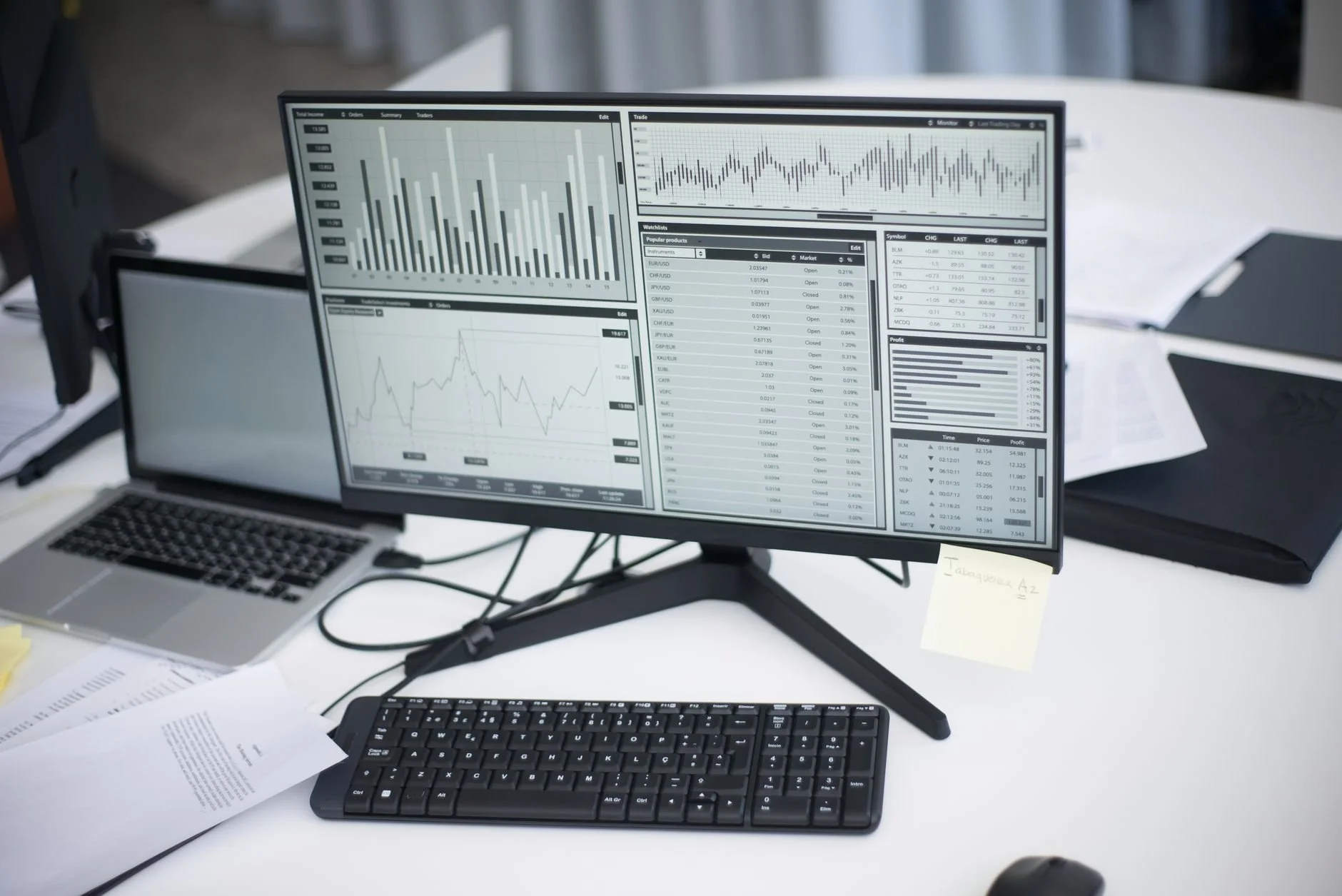
There is a specific kind of exhaustion that comes from chasing an algorithm. You post at the exact right time. You study the trending sounds. You rework your hook three times because someone said the first two seconds decide everything. Then the platform quietly changes how it ranks content, and the reach you spent months building evaporates overnight. You did nothing wrong. The rules just moved, and nobody told you. If that feeling is familiar, you are not bad at content. You are playing a game that was designed so you can never quite win.
Here is the part most creators never stop to consider. When you build your entire presence on one platform's algorithm, you are renting your audience. You do not own that reach. You are borrowing it on terms set by a company whose goals are not your goals. The platform wants you posting constantly so it has free content to monetize. It does not owe you stability, and it will not give you any. The creators who feel calm about their growth are not the ones who cracked the algorithm. They are the ones who stopped depending on any single one. See how Multipost Digital helps you stop renting reach and start owning it.
So let's reframe what control actually means in social media, because almost everyone has it backwards. Control is not getting good at one platform. Control is making sure no single platform can decide your fate. That shift, from chasing reach to owning distribution, is the difference between a presence that wobbles with every update and one that keeps compounding no matter what any one app does next.
The Algorithm Treadmill Never Stops
The treadmill works like this. You learn what the algorithm rewards. You adjust. Your numbers go up for a while. Then the platform tweaks the model, and suddenly the thing that worked last month is dead weight this month. So you study again, adjust again, and chase the new pattern. You are running hard and staying in the same place, and the moment you slow down, you slide backward.
This is not an accident or a flaw you can outsmart. It is the design. A platform that kept its rules stable would let creators get comfortable, and comfortable creators post less. Constant change keeps you anxious, and anxious creators keep feeding the machine. You are not the customer in that relationship. You are the supply.
The worst part is what the treadmill does to your head. You start making content for the algorithm instead of for people. You water down the idea you actually believe in because the format that performs is something blander. You measure a good day by a number on a dashboard that some engineer can reset whenever a quarterly target needs hitting. That is a brutal way to build something you care about, and it is completely avoidable.

What Owning Distribution Actually Means
Owning distribution does not mean owning a platform. You will never own TikTok or YouTube, and you do not need to. What you own is your presence across enough of them that no single one holds your future hostage. When your content lives on TikTok, YouTube, Instagram Reels, Facebook, Rumble, and Reddit at the same time, a bad week on any one of them is just a bad week on one of them. It is not a crisis. The other five keep working.
Think of it like income. Nobody sensible wants their entire livelihood riding on one client who could fire them at any moment. You want several sources, so losing one stings instead of sinks you. Distribution is the same idea applied to attention. Spread your presence wide enough and you trade fragility for resilience. One algorithm change becomes a rounding error instead of an emergency.
There is also a quieter benefit that compounds over time. When the same person sees you on Reddit, then catches a clip on YouTube, then runs into you again on Instagram, you stop being a stranger and start being someone they recognize. That recognition is trust, and trust is the thing algorithms cannot give you and cannot take away. You built it across platforms, so it belongs to you.
The Math That Makes This Obvious
Let's make it concrete. Say you film one solid video. On a single-platform strategy, that video gets one shot at one audience under one set of rules. If the algorithm likes it, great. If it does not, that work is gone.
Now run the same video through a distribution approach. The full version goes to YouTube and Facebook. Three or four short clips go to TikTok, Instagram Reels, and Facebook Reels. A punchy cut goes to Rumble. The core idea becomes a written post for Reddit where the right community is already talking about the topic. That is one piece of work showing up as eight or ten native pieces across six platforms, each one getting its own independent shot at its own audience under its own rules.
You did not create more. You distributed smarter. And the odds shift entirely in your favor, because now you are not betting everything on one algorithm being in a good mood. You are giving your best idea six separate chances to find the people it was made for. One of those platforms surprising you is no longer luck. It is just statistics doing what statistics do when you stop limiting your own surface area.
Why Wide Presence Feels Calmer
People assume being on more platforms means more stress. It is the opposite, and the reason is simple. Stress comes from dependence. When one platform is your whole world, every notification feels like a verdict and every dip feels like a threat. You refresh the analytics because that number is the only thing holding up everything you built.
When your presence is spread across seven or more platforms, no single number can ruin your day. Instagram has a slow week, fine, Rumble is climbing. YouTube buries a video, fine, it is doing numbers on TikTok. You stop living and dying by one dashboard because no one dashboard is in charge anymore. That is what calm actually is. Not indifference, just the absence of any single point of failure.
This is also where most people quietly give up, and it is worth being honest about why. They know they should be on more platforms. They know one algorithm should not own them. But formatting one video six different ways, posting to six places, and tracking all of it is a real job on top of the job they already have. So the wider presence stays a someday plan, and the dependence on one platform stays the daily reality.
The Time Objection Is Really a Systems Problem
The honest objection to all of this is time. Nobody wants to spend their evening exporting clips, rewriting captions for each platform's quirks, and posting to six apps before bed. Done by hand, multi-platform distribution genuinely is a grind, and pretending otherwise would be dishonest.
But the time cost does not live in the strategy. It lives in doing the strategy manually with no infrastructure behind it. When the formatting, scheduling, posting, and platform-specific tweaking are handled for you, the calculation changes completely. You make the content. The distribution happens. The hours that used to disappear into uploading go back to creating or back to running your actual business.
That is exactly the kind of infrastructure that lets a solo creator or a small team show up everywhere at once, the same way a brand with a full marketing department would. The big operations are not more talented than you. They just have systems that move one piece of content everywhere it should go without burning a person out in the process. Crossposting across 7+ platforms is not a luxury reserved for large teams. It is a system, and systems can be handed off.
Where to Start This Week
You do not need to blow up your strategy or film anything new to begin. Start with what already exists. Pull your best-performing content from the last few months, the pieces that genuinely connected, and ask one question about each one. Where else does this belong?
Then stop letting that proven work sit on a single platform. Get it onto the others, in the format each one wants, in front of the audiences that have never had the chance to find you. That alone will widen your presence more than another month of chasing whatever the algorithm decided to reward this week.
The treadmill will always be there, promising that the next tweak is the one that finally pays off. It will not. The durable play was never about beating one platform's algorithm. It is about making sure no single algorithm gets to decide whether you grow. Build your presence wide, own your distribution, and let the platforms compete for your content instead of the other way around.
