
The Real Reason Your Reels Flop on TikTok (It's Not the Content)
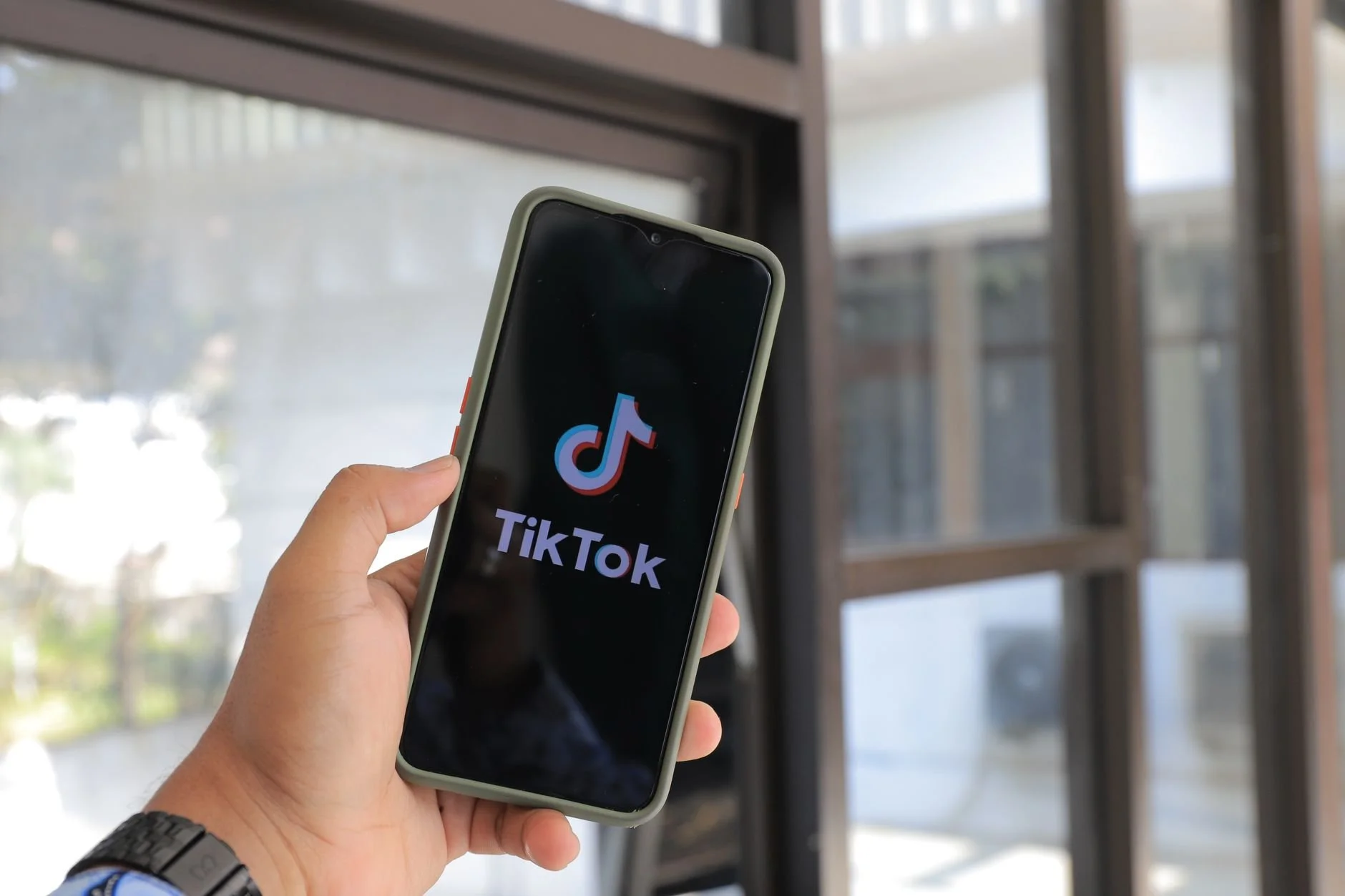
You shot a Reel. It did fine on Instagram. So you grabbed the exact same export, dragged it onto TikTok, hit post, and waited. Two hundred views. Maybe three hundred if you got lucky. Same clip, same hook, same edit that worked yesterday, and now it's dead on arrival. So you do what most people do. You assume the content was the problem. You go back to the drawing board, film something new, and start the whole cycle over. That instinct is wrong, and it's costing you real reach.
The content isn't broken. The packaging is. When you take a Reel built for one platform and drop the identical file onto another, the second platform can tell. It reads as foreign almost instantly, both to the algorithm and to the people scrolling. TikTok is not Instagram with a different logo on it. It rewards a different rhythm, a different opening, different captions, different sound behavior, and a different relationship with the viewer. A copy-paste ignores all of that, and the platform responds by quietly burying you.
If you want every clip reshaped for the platform it lands on instead of dumped raw across all of them, see how Multipost Digital handles it.
Let's break down what's actually happening when your Reel flops, and what real crossposting looks like when it's done right.
Each Platform Wants a Different Shape
A Reel and a TikTok can run the exact same footage and still be two completely different products. The difference lives in the formatting, and the formatting is everything.
Start with pacing. Instagram viewers will give a clip a beat to breathe. The first second can set a scene before the payoff arrives. TikTok will not wait. If your hook doesn't land in the first half second, the viewer is already gone and the algorithm logs that swipe as a vote against you. A Reel that opens with a slow, polished establishing shot reads as patient on Instagram and reads as boring on TikTok. Same footage, opposite result.
Then there's captions. TikTok has its own native caption styling, its own text placement conventions, and an audience that expects on-screen text that feels made for the app. An Instagram Reel with that signature Instagram font baked in, or worse with the Reels UI elements still visible from a screen recording, gets clocked as recycled content the second it hits the For You page. TikTok actively favors content created with its own tools and its own look. When yours doesn't have it, you're starting the race ten steps back. This is also where things like a leftover watermark quietly hurt you, but that's a smaller piece of a much bigger formatting picture.
Sound works differently too. TikTok is a sound-first platform where trending audio is part of the discovery engine itself. A Reel scored with a track that's peaking on Instagram might mean nothing on TikTok, where a totally different sound is doing the heavy lifting that week. Aspect ratio, safe zones for on-screen text, caption length, hashtag behavior, even how the cover frame displays all shift from one app to the next. Ignore those and you're handing the platform a reason to deprioritize you.
The Algorithm Is Reading the Room Too
People talk about algorithms like they're random. They're not. Each one is tuned to keep its specific audience watching, and that audience behaves differently on every app.
TikTok's discovery engine tests your video on a small batch of strangers first. If they watch, it widens the pool. If they bounce, it stops. That means the opening frame and the first line of text carry enormous weight, because they're being judged by people who have never heard of you and owe you nothing. Instagram leans more on your existing followers and your engagement history before it pushes you to new eyes. So a Reel that succeeded by riding your warm audience on Instagram can faceplant on TikTok, where you're being graded cold by people deciding in half a second whether to keep scrolling.
The audience expectation gap is just as real. TikTok users hunt for new creators constantly and reward content that feels native and unpolished. Instagram skews toward a more curated, aesthetic feed. Facebook's crowd skews older and engages with a different tone entirely. Rumble and Reddit communities are skeptical of anything that smells like a cross-post drop and respond to content that feels like it belongs there. When you post the identical file everywhere, you're speaking one dialect to rooms that each speak their own.

What Real Reformatting Actually Means
Here's the good news. You do not need to film a separate video for every platform. You need to repackage one strong piece of content so it fits each room it walks into.
That means trimming or rebuilding the first second so the hook hits at TikTok speed. It means swapping captions into the native style of the destination app instead of leaving the source app's fingerprints all over the screen. It means matching the sound to what's actually moving on that platform, sizing the frame and text to that app's safe zones, and adjusting the caption, the hashtags, and the cover to the audience reading them. The footage stays the same. The shape changes to match the destination.
This is the part that separates accounts that grow on six platforms from accounts that grow on one and limp along on the rest. The winners aren't making six times the content. They're taking one winning idea and reformatting it natively for each place it goes. That's the entire difference between distribution that compounds and distribution that flops.
If reformatting every clip for every app sounds like a second job, that's exactly the job we do for you.
Why This Is Worth the Effort
When you reformat properly, you stop competing against yourself. A single shoot becomes a TikTok built for TikTok, a Reel built for Instagram, a Short built for YouTube, a clip built for Facebook, an upload built for Rumble, and a post built for the right Reddit community. Six native pieces, one source. Each one shows up looking like it was made for the people watching it, because it was.
That's how you build a presence that doesn't live or die by one platform's mood. If TikTok throttles your niche next month, you're still landing on five other apps. If Instagram's reach dips, YouTube and Rumble keep working. Spreading native content across platforms isn't just a growth play, it's insurance. No single algorithm change can wipe out an audience you've built in six places at once.
The reason most creators and brands don't do this is simple. It takes time, and a lot of it. Reformatting one clip for seven platforms means knowing the pacing, the caption norms, the sound trends, the aspect specs, and the posting behavior for each one, then actually doing the work seven times over. That's hours every week that most people running a business or a content brand do not have. So they default to copy-paste, watch the cross-posts flop, and wrongly blame the content.
Stop Blaming the Content
Your Reel flopping on TikTok is not a verdict on your ideas. It's feedback on your packaging. The clip that died as a raw export can absolutely win when it's cut, captioned, scored, and sized for the platform it's landing on. The footage was never the issue. The fact that it showed up wearing the wrong clothes was.
Real crossposting is reformatting per platform, not dragging one file across all of them and hoping. That's the work that turns a single piece of content into reach on every app where your audience actually spends time, and it's the work that frees you up to keep making more instead of babysitting uploads. Multipost Digital posts your content across 7+ platforms, reshaped natively for each one, so the clip that worked once works everywhere it goes.
You already made the content. The only thing left is making it fit the room.
See exactly how Multipost Digital reformats and posts your content across 7+ platforms so you stop posting twice and getting paid once.
