
The 5 Formatting Mistakes That Are Killing Your Videos Before Anyone Watches Them
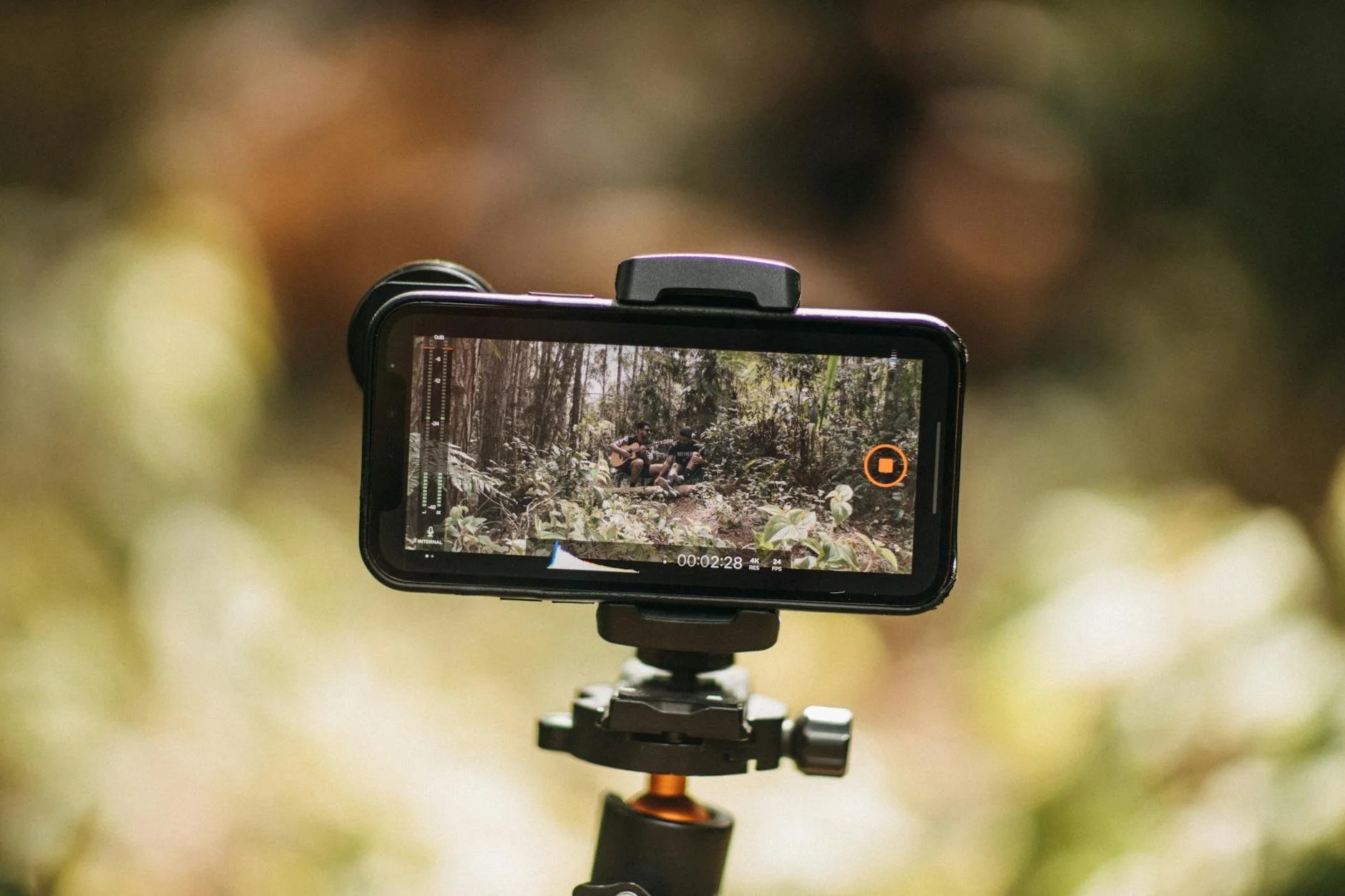
You could have the best content idea in the world. You could be funny, smart, informative, and genuinely valuable. But if your video is formatted wrong, nobody is going to stick around long enough to find out. Formatting is the invisible layer that either pulls people in or sends them scrolling right past you. Most creators never even think about it until it's too late.
The frustrating part is that these mistakes are completely fixable. You don't need a bigger budget or a fancier camera. You need to understand how each platform actually displays and rewards content, and then format your videos accordingly. If you're tired of putting in the work and getting nothing back, let Multipost Digital handle the heavy lifting for you and get your content posted across 7+ platforms the right way, every single time.
Let's break down the five formatting mistakes that are quietly destroying your reach before a single person hits play.
Mistake 1: Uploading the Wrong Aspect Ratio for the Platform
This is probably the most common mistake, and it's also the one that immediately signals to an algorithm and to a viewer that you have no idea what you're doing. Uploading a horizontal 16:9 video to TikTok or Instagram Reels means your content is going to show up with massive black bars on the sides. It looks lazy. It feels like an afterthought. And honestly, it is one, because nobody sat down and thought about where this video was actually going to live.
Here's the reality. TikTok, Instagram Reels, YouTube Shorts, and Facebook Reels all prefer vertical 9:16 video. YouTube long-form content wants horizontal 16:9. Reddit varies depending on whether you're posting in a video-first community or embedding a link. Each platform has its own rules, and if you ignore them, the algorithm is going to bury your content before it ever reaches anyone.
The fix is straightforward. When you're creating content, shoot vertical for short-form and horizontal for long-form. If you're repurposing content across platforms, plan ahead so you have both versions ready. Cropping a horizontal video into a vertical one after the fact can work, but you often end up losing important visual context or cutting out faces and text. It's always better to plan your framing from the start.
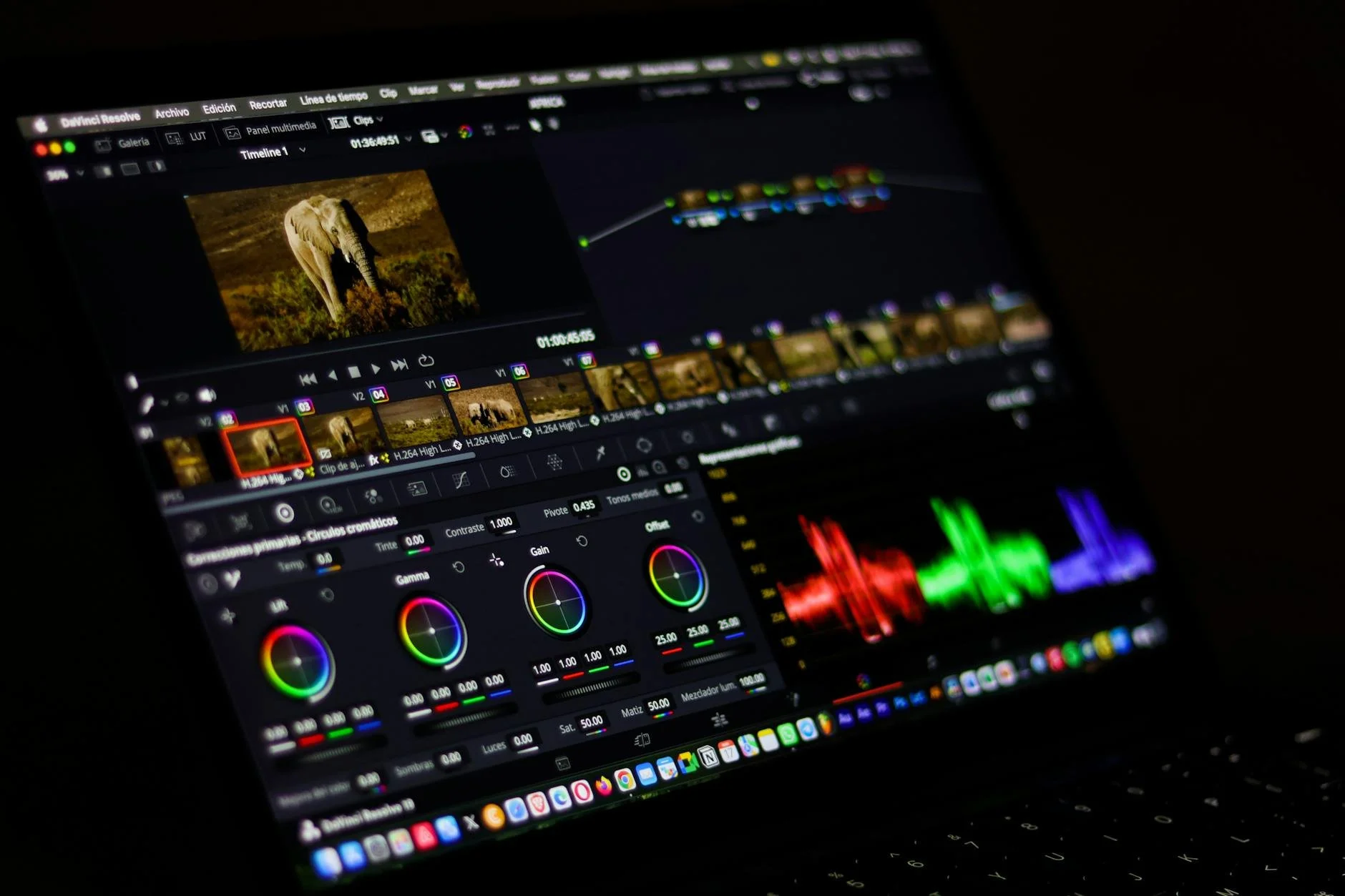
Mistake 2: Burying Your Hook Past the Three-Second Mark
On every short-form platform right now, you have about three seconds to earn the next three seconds. If your video starts with a slow intro, a logo animation, or you just kind of mumbling your way into the topic, people are already gone. The scroll is brutal and attention is short. Your hook needs to land immediately.
A hook is not a greeting. "Hey guys, welcome back to my channel" is not a hook. A hook is a statement, a question, or a visual that makes someone think "wait, I need to see where this goes." It creates curiosity, tension, or a promise of a payoff. Something like "I lost 10,000 followers in one week and here's exactly why" or "Stop doing this on Instagram if you actually want to grow" gets people to pause because they feel like they need the answer.
This matters even more when you're posting across multiple platforms because the audiences behave differently. TikTok viewers are trained to scroll fast. Instagram Reels users are slightly more patient but not by much. YouTube Shorts is competitive. Wherever your content lands, the hook needs to work immediately. If it doesn't, your watch time tanks, your completion rate drops, and the algorithm has no reason to push your video to new people.
Mistake 3: Ignoring Captions and On-Screen Text
A huge percentage of social media users scroll with their sound off. If your video relies entirely on audio to communicate your message, you're losing those viewers before they ever give you a chance. Captions are not a nice-to-have anymore. They're essential.
But there's a right way and a wrong way to use on-screen text. The wrong way is tiny, hard-to-read captions in a corner that nobody can see on a mobile screen. The right way is bold, high-contrast text that reinforces what you're saying, appears in the center or upper portion of the screen to avoid being covered by UI elements like buttons and handles, and stays on screen long enough for someone to actually read it.
This also plays into formatting for different platforms. On TikTok, the bottom of the screen is covered by your caption, username, and sound information. On Instagram Reels, there's a gradient bar at the bottom. On YouTube Shorts, there are buttons on the right side. If your text or key visual elements are sitting in those zones, they're getting covered. You need to be aware of what the platform interface looks like and keep your important content in the safe zone.
Adding captions also helps with accessibility, boosts your SEO on platforms that scan video text, and makes your content more repurposable. A well-captioned video can travel across TikTok, Reels, Facebook, Rumble, and YouTube Shorts without anyone feeling like they're missing something by watching without sound.
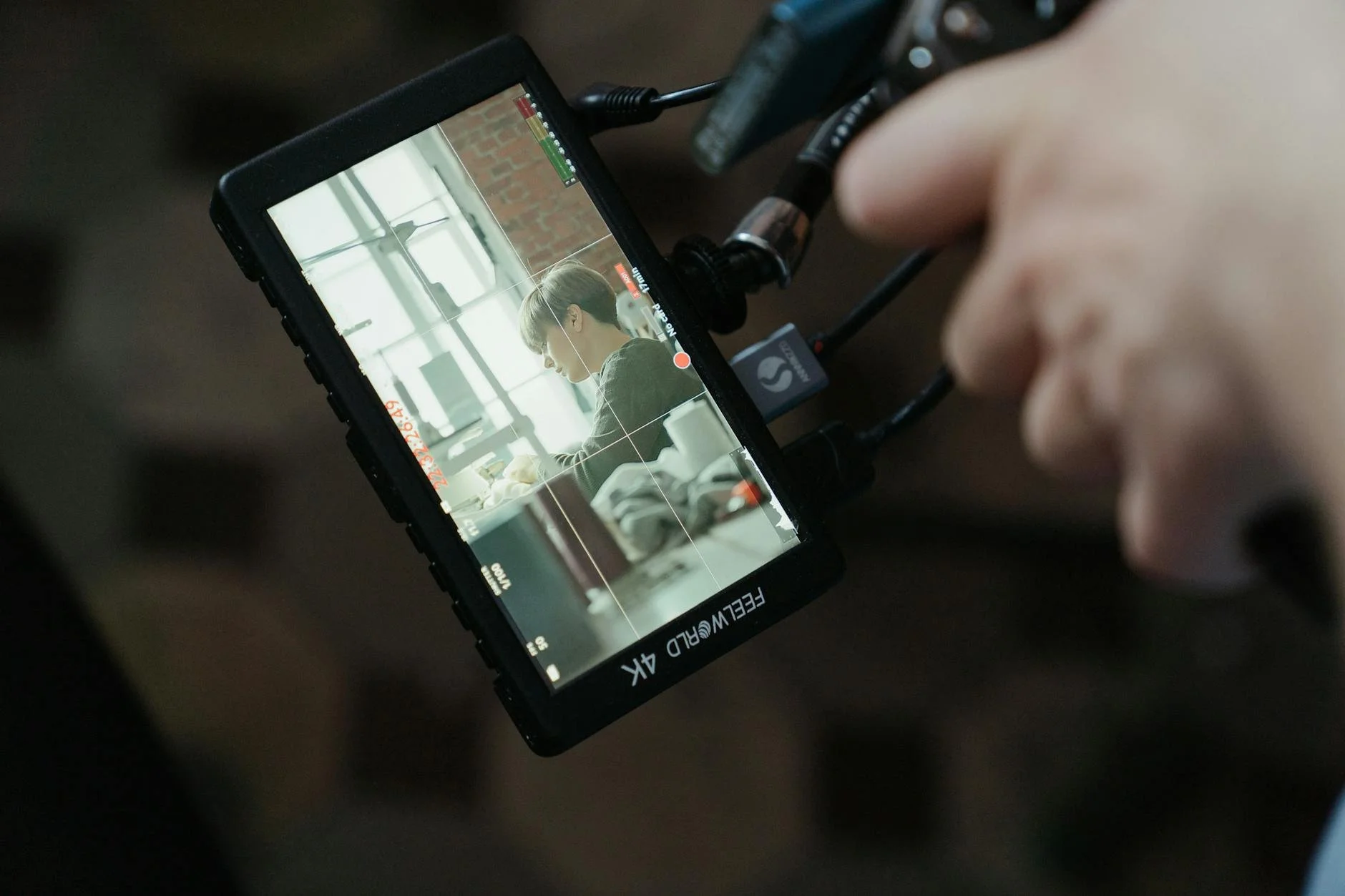
Mistake 4: Using the Wrong Video Length for the Context
Longer is not always better. Shorter is not always better. The right video length depends entirely on the platform, the content type, and what you're trying to accomplish. Posting a 12-minute video to TikTok because you didn't want to trim it down is a formatting mistake. Posting a 30-second video to YouTube as your main channel content when your audience expects depth is also a mistake.
Short-form platforms reward videos that get in, deliver value, and get out. If your TikTok video could be 45 seconds and you're stretching it to two minutes, you're padding it with dead air that kills your completion rate. On the flip side, YouTube long-form content benefits from depth and detail because the platform actively ranks videos based on watch time and session length.
Work with Multipost Digital and stop guessing at what works on each platform. Our team understands the nuances of every platform we post to and can help you format and distribute your content so it actually performs.
When you're repurposing content across platforms, think about what version of the content serves each platform best. A long-form YouTube video might have three or four short clips inside it that would perform incredibly well as Reels or TikToks. A quick TikTok might need a bit of expansion to work as a Facebook video for an older audience. The content is the same, but the format needs to flex.
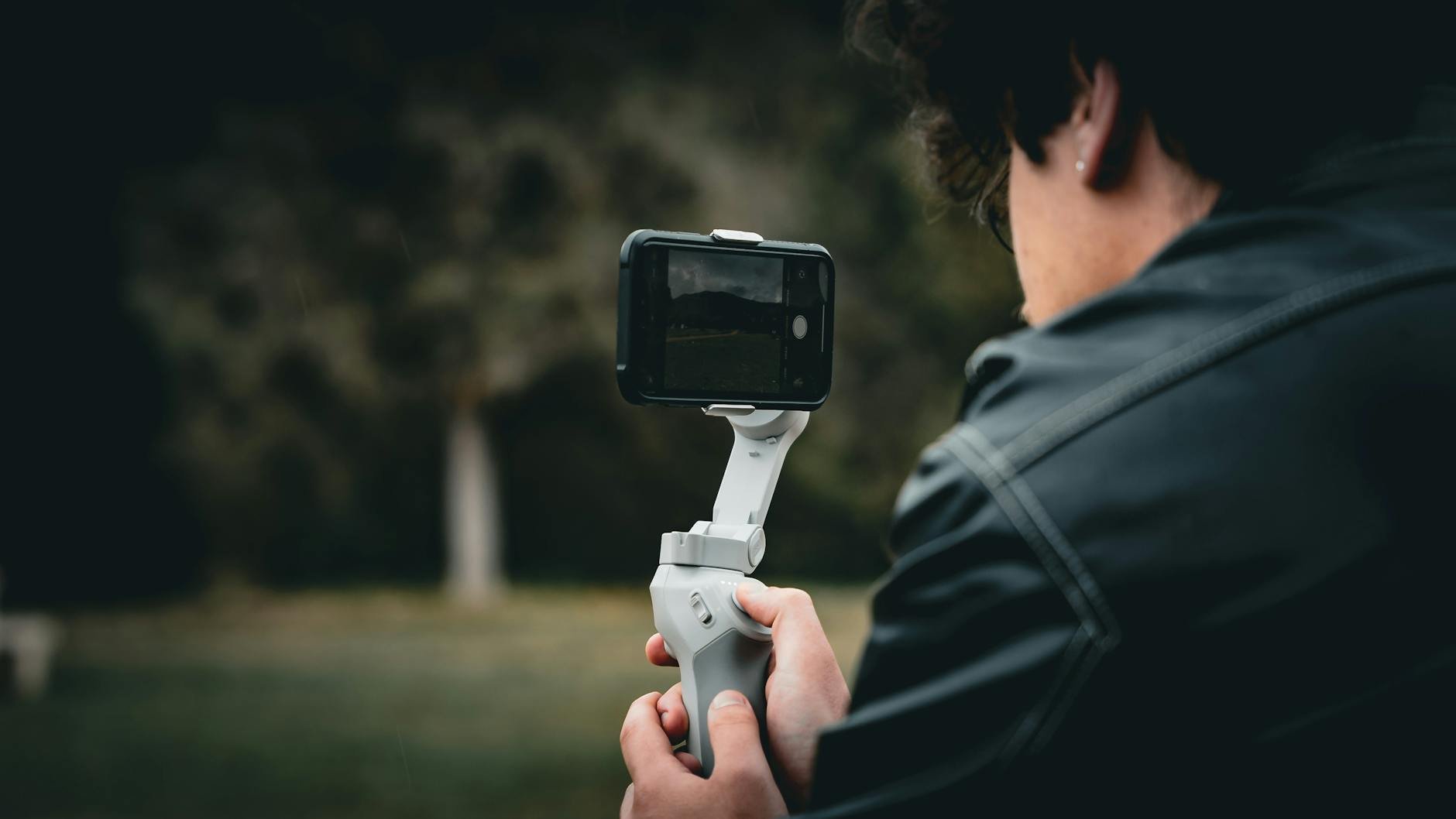
Mistake 5: Forgetting That Every Platform Has a Different Algorithm Priority
This one ties all the others together. Each platform is not just a different place to post the same thing. Each platform is a different ecosystem with its own culture, algorithm signals, and user behavior. What works on Reddit is different from what works on Instagram. What gets pushed on Rumble is different from what YouTube prioritizes.
Instagram Reels favors original audio and trending sounds. TikTok rewards early engagement and shares. YouTube pushes videos with high click-through rates and strong watch time. Facebook tends to reward content that generates comments and conversation. Rumble is built for longer-form video content and rewards consistency. Reddit is community-driven and punishes anything that feels too self-promotional without offering genuine value first.
If you're treating every platform exactly the same, you're not giving your content the best possible chance on any of them. You're just hoping something sticks somewhere. That's not a strategy.
The good news is that once you understand these differences, you can create a workflow where one piece of core content gets adapted and formatted for each platform without having to start from scratch every single time. That's what smart repurposing looks like. And that's also exactly why working with an agency that specializes in multi-platform distribution makes so much sense for creators and brands who want to grow without burning out.
You've already done the hard part by creating something. Don't let formatting errors be the reason nobody ever sees it. Fix the aspect ratio. Nail the hook in the first three seconds. Add captions. Match your video length to the platform. And respect the algorithm differences that make each platform unique.
Ready to stop leaving reach on the table? See how Multipost Digital posts your content across 7+ platforms the right way so you can focus on creating while we handle everything else.
