
How One Piece of Content Should Be Working for You on 7 Platforms Simultaneously

You made a video. You spent time scripting it, filming it, editing it, maybe even paid someone to help you produce it. Then you posted it to Instagram and called it a day. Sound familiar? If you're only sharing your content on one platform, you're essentially doing 100% of the work for about 14% of the potential results. That's not a content strategy. That's a habit, and it's costing you reach, followers, and revenue every single day.
Here's the reality: every single piece of content you create has the potential to work harder for you across multiple platforms at the same time. One video. Seven platforms. Multiple audiences. That's the kind of leverage that separates growing brands from stagnant ones. If you're not already doing this, you need to start now, and if it sounds overwhelming, that's exactly why services like Multipost Digital exist. Find out how Multipost Digital handles cross-platform posting for you so you can focus on creating.
This post is going to break down exactly why multi-platform distribution matters, how to think about repurposing content the right way, and what each major platform actually brings to the table for your brand or business.
Why Posting to One Platform Is Leaving Money on the Table
Think about where your audience actually lives online. Some people spend their entire day on TikTok. Others haven't opened TikTok once but watch hours of content on YouTube every week. There are Facebook users who have never downloaded Instagram, and there are Reddit communities with thousands of engaged members who would love your content if they ever saw it. The truth is, your audience is scattered across multiple platforms, and if you're only showing up in one place, you're invisible to most of them.
This is the core problem with single-platform thinking. You're not just limiting your reach, you're also making yourself dangerously dependent on one algorithm. Anyone who has been through a platform update or a sudden drop in organic reach knows how terrifying it is to have your entire content strategy tied to one company's decisions. Platforms change their algorithms constantly. What worked six months ago might not work today. But if you're spread across seven platforms, a drop on one doesn't kill your momentum.
There's also the compound effect to consider. Every new piece of content you post across multiple platforms builds your presence a little more in each place. Over time, that presence adds up. You start getting discovered through YouTube search one week, picked up in a TikTok trend the next, and then someone shares your Reddit post in a relevant community. That's not luck. That's distribution working the way it's supposed to.

What "Repurposing" Actually Means in Practice
A lot of creators hear "repurpose your content" and think it means copying and pasting the same video to every app. That's not repurposing, that's just reposting, and it misses the point entirely. Real repurposing means understanding that each platform has its own culture, its own format preferences, and its own user behavior, and then tailoring your content accordingly.
Let's say you film a ten-minute educational video. On YouTube, you post the full version because YouTube audiences expect and reward longer, detailed content. On TikTok and Instagram Reels, you clip out the most compelling 30 to 60 seconds, something that hooks immediately and delivers a quick punch of value. On Facebook, you might share it with a longer caption that provides context and invites conversation. On Rumble, you upload the full video for an audience that values alternative and independent content. On Reddit, you find the right subreddit and share it with a headline written specifically for that community.
One piece of content. Multiple versions. Multiple audiences. All of them working for you at the same time. This is the multiplier effect that creators who understand distribution take full advantage of.
Breaking Down the Platforms and What Each One Gives You
Each platform is a different tool in your toolbox. Here's a quick breakdown of what each one brings to the table.
TikTok is still one of the most powerful discovery engines in existence. Its algorithm pushes content to new audiences based on interest, not follower count. That means even if you have zero followers, one great video can reach millions. This is where you want to plant your flag early and often.
YouTube is the long game. It's the second largest search engine in the world, and content you post there can keep generating views for years. A video you publish today could be bringing in new subscribers three years from now through search alone. That's the kind of evergreen value no other platform offers at the same scale.
Instagram Reels has become the main growth driver for Instagram accounts. If you're not posting Reels, Instagram's algorithm is essentially deprioritizing you. Short-form video is the key to reaching new audiences on the platform right now.
Facebook might feel like old news, but it has billions of active users and some of the most engaged niche communities online through its Groups feature. For brands targeting broader demographics or local audiences, Facebook is still incredibly valuable.
Rumble is a growing platform with an audience that is actively looking for content creators who aren't exclusively on mainstream platforms. If you want to diversify your audience and reach people who are intentionally seeking out independent content, Rumble is worth your time.
Reddit is often overlooked by brands and creators, but it has some of the most passionate, engaged communities on the internet. When your content resonates on Reddit, it spreads fast and reaches highly targeted audiences who are already interested in your topic.
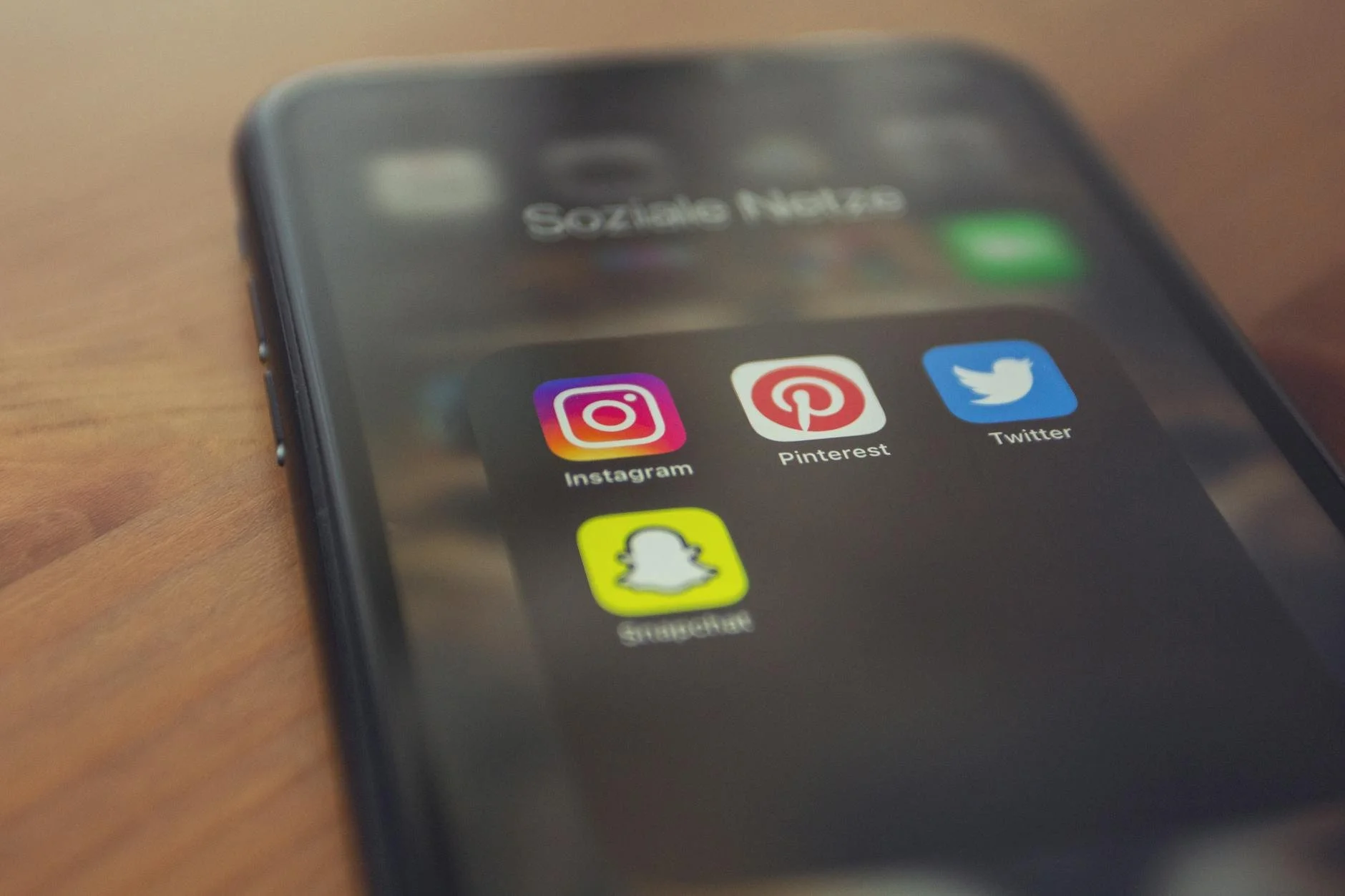
And then there's LinkedIn, Pinterest, X, and others depending on your niche and audience. The point is, the ecosystem is massive, and you should be taking up as much space in it as possible.
The Time Problem and How to Solve It
Here's where most creators hit a wall. Posting to seven platforms simultaneously sounds amazing until you actually try to manage it. Different upload formats, different caption requirements, different posting schedules, community engagement across all of them. It can quickly turn into a full-time job just handling distribution, before you've even thought about creating new content.
This is the exact problem that kills multi-platform strategies before they get started. Creators and business owners know they should be everywhere, but the operational complexity feels too heavy to take on alone. So they default back to posting on one or two platforms and hoping for the best.
The smarter move is to separate content creation from content distribution. Your job as a creator or brand is to make great content. The logistics of getting that content onto every platform, optimized and on schedule, can and should be handled systematically. See exactly how Multipost Digital manages multi-platform distribution so you don't have to.
When you stop treating distribution as something you'll get to eventually and start treating it as a core part of your strategy, everything changes. Your content starts working for you around the clock across multiple platforms, building audiences, generating traffic, and compounding your results week after week.
Building a Content Engine That Runs Without You Burning Out
The creators and brands that win long-term are the ones who build systems. They're not grinding harder than everyone else. They're working smarter by making sure every piece of content they create gets squeezed for every ounce of value it has.
Think about it this way. If you create two pieces of content per week and post each one to seven platforms, that's fourteen posts per week across your entire presence. At scale, over a year, that's hundreds of pieces of content working for you across multiple platforms simultaneously. That's how you build a presence that feels like it's everywhere, because it actually is.
You don't need to be a huge team or have a massive budget to make this happen. You need a clear strategy, consistent content creation, and a reliable distribution system. That combination is what separates brands that are growing from brands that feel stuck posting into the void.

Start Treating Every Piece of Content Like the Asset It Is
Every video you film, every tutorial you record, every insight you share is an asset. Assets should be working for you across as many channels as possible. Leaving them sitting on one platform is like buying a rental property and then not renting it out. The potential is there, but you're not capturing it.
If you've been posting content and wondering why growth feels slow, the answer might not be that your content isn't good enough. It might simply be that not enough people are seeing it. The fix isn't always creating more. Sometimes it's distributing better.
Your content deserves to be seen. Your brand deserves to grow. And you deserve a distribution strategy that actually does the work of getting your content in front of the right people on every platform that matters. Work with Multipost Digital and start getting your content onto 7+ platforms without the headache.
