
A Weekly Series Gets Followed When One Off Posts Get Forgotten
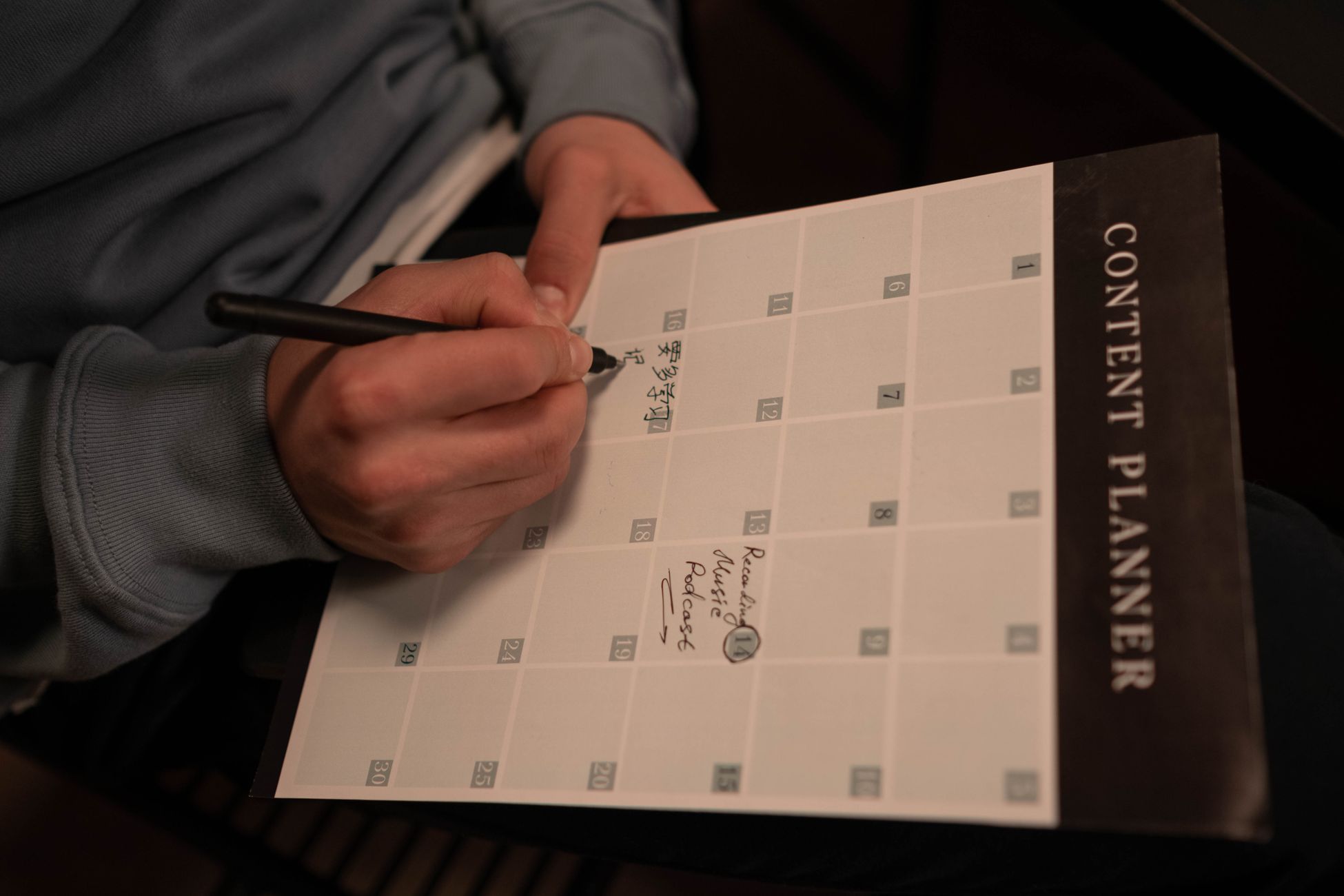
Look back at your last month of posts. A job photo on Monday. A holiday graphic on Thursday. A random tip two weeks later, then nothing for nine days, then a promo. Every post stands alone, and every one of them was forgotten by the time the next one went up.
Now picture a page where every Tuesday there is a tip, every Friday there is a job of the week, and viewers know both are coming. That page gets followed. The first one just gets scrolled past.
The difference is not talent or budget. It is structure. A named, recurring series gives people a reason to come back, and it makes your content far easier to produce.
Why One Off Posts Disappear
A one off post has to win on its own every time. It has no lead in and no follow up. If the viewer was not in the mood that day, you lost them, and nothing about the post gives them a reason to check back.
That is why so many local business pages feel random. A roofer posts whatever happened that week. A bakery posts whenever something looks pretty. A dentist posts when the front desk remembers. None of it adds up to anything a viewer can recognize.
People follow accounts because they expect more of something they liked. If they cannot tell what is coming next, there is no reason to hit follow.

What A Series Actually Is
A series is a recurring post with a name, a format, and a schedule. That is it.
"Tuesday Tips" from a plumber, with one quick fix every week. "Job Of The Week" from a contractor, showing a before and after every Friday. "Ask The Groomer" from a dog grooming shop, answering one customer question each Wednesday. "Fresh Out The Oven" from a bakery, showing the first tray every Saturday morning.
The name tells the viewer what they are getting. The format keeps every episode recognizable. The schedule tells them when to come back. Put those three together and a random post becomes a show.
A Name Gives People Something To Follow
The name does more work than it looks like. When a viewer sees "Tip 14" on screen, they know there are thirteen more they missed. Some of them go back and watch those. Others follow so they do not miss number fifteen.
It also gives you a hook in the first second. Saying "It's Tuesday Tips" or showing the series title on screen tells regular viewers to stop scrolling, because they already know they like this.
Over time, the series name becomes part of how people remember you. A salon owner might hear a client say "I saw your color correction Friday post" instead of "I think I saw something from you." That is the kind of recognition that turns into bookings.
A Series Makes Content Easier To Make
Here is the part owners do not expect. A series is not more work. It is less.
The hardest part of posting is deciding what to post. Every one off post starts with a blank page and the same question: what do I put up today? That question kills more content plans than anything else.
A series answers it in advance. If it is Friday, it is job of the week. You already know the format, the length, and the opening line. All you need is this week's job. A detailer just has to remember to film the before shot when the car rolls in. A gym owner just has to pick one exercise for form check Thursday.
You can also batch it. Film four Tuesday tips in one afternoon and you are covered for a month. Same setup, same spot, same lighting, four different tips. That is maybe an hour of work for a month of consistent content.
Pick Formats That Come From Your Daily Work
The best series ideas come straight out of the job you already do. You do not need to invent anything.
Think about what customers ask you most. That is a weekly Q and A. Think about the mistakes you fix over and over. That is a weekly "don't do this" segment. Think about the finished work you are proud of. That is a job of the week.
A pest control company can run "Bug Of The Week," showing one critter and how to tell if you have it. A tire shop can run "Tread Check Monday." A med spa can run "Myth Monday," clearing up one thing clients get wrong about a treatment. A landscaping crew can run "Yard Rescue," with one overgrown property turned around each week.
Start with one series, not five. Run it long enough that it sticks, at least eight to ten episodes, before adding a second.

Keep The Format Tight And Repeatable
Every episode should look and sound like it belongs to the same series. Same title card or on-screen text. Same opening line. Similar length. Same ending ask.
That repetition is what builds recognition. When the format changes every week, viewers cannot spot it in the feed. When it stays the same, regulars see the first frame and know exactly what it is.
It also makes editing easier. Once you have a template, every new episode is the same edit with new footage dropped in. You are not starting from scratch every week.
Keep each episode short and focused on one thing. One tip, one job, one question. If you have more to say, that is next week's episode.
How A Series Plays Out On Each Platform
The same weekly series behaves differently depending on where it lands.
On TikTok, series are almost built in. People follow accounts specifically to catch the next part, and numbering your episodes on screen pushes that hard. Comments asking "what's next week?" give you ideas for future episodes.
Instagram Reels rewards consistency in the look. A matching cover style for every episode makes your profile grid look like a show lineup, so new visitors can see the series at a glance and binge it. Highlights can hold the whole run.
YouTube Shorts works well for series because viewers often search for specific answers. Titling each episode with the series name and the question it answers helps both search and repeat views. On long form YouTube, a playlist for the series gives people a full season to watch.
Facebook audiences love routine. A weekly post that shows up on the same day becomes something regulars look for, and local followers share their favorite episodes in community groups.
Reddit cares about usefulness, not branding. Drop the series name and lead with the answer itself. A helpful weekly tip posted in the right community builds trust there over time.
Rumble viewers appreciate plain, consistent content. A straightforward recurring format with no fluff fits that audience well.
The Real Blocker Is Posting It Everywhere Every Week
A series only works if it shows up on schedule. Miss two weeks and the habit you built with viewers breaks.
That is where most owners fall off. Filming the episode is easy once you have a format. But every episode then has to be cut for each platform, captioned, titled, given a description, and uploaded to TikTok, Reels, Shorts, YouTube, Facebook, Reddit, and Rumble. Every single week, for every series you run.
Two series a week means fourteen uploads, fourteen captions, and fourteen chances to forget something. Busy season hits, one week slips, then two, and the series quietly ends.
The idea was never the problem. Keeping it on schedule across seven platforms is. Take that grind off your plate and the only thing left is filming the episode.

Start Your First Series This Week
Pick one thing customers ask you about all the time. Give it a name and a day of the week. Film the first episode in under a minute, and film three more while the camera is set up.
Post the first one this week and the next one on the same day next week. Keep going. A couple of months from now, people will not just know your business. They will be waiting for Tuesday.
