
Your Radio Spot Airs Twice A Day And Lives Nowhere Online
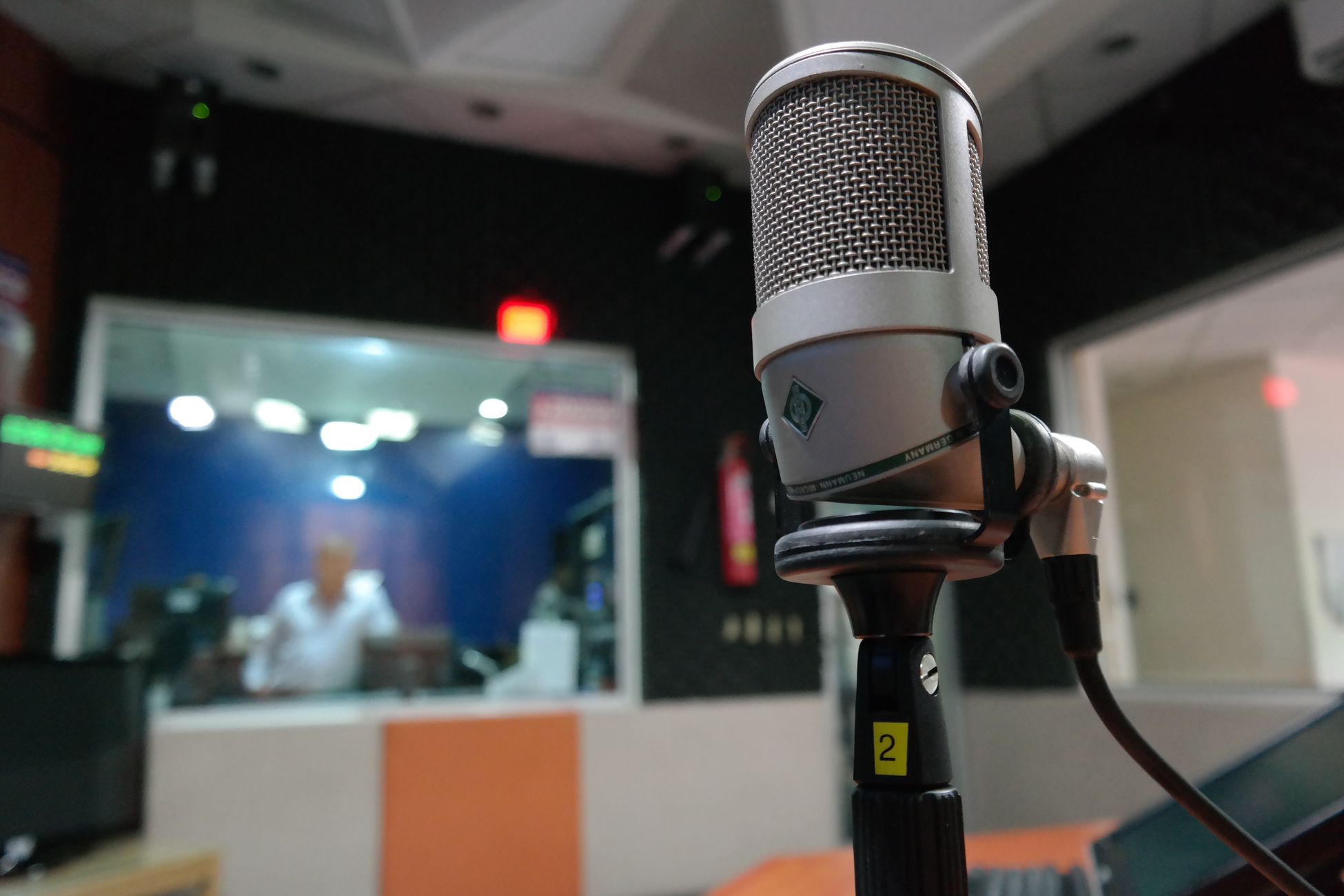
You wrote a thirty-second radio spot. Maybe you voiced it yourself, maybe the station did. It runs during the morning drive and again in the afternoon. You pay for it monthly. It sounds good, it says the name, it gives the phone number, and somewhere between two and three seconds after it ends, it is gone.
That is the entire lifespan of the most expensive thirty seconds you produce every month. It plays, it vanishes, and the next day it plays and vanishes again. Nobody can search for it. Nobody can share it. Nobody who missed it at 7:42 will ever hear it.
You already did the hard part. You figured out what to say about your business in thirty seconds, tight enough to pay for airtime. That script is content. The recording is content. And it exists in exactly one place: the air, twice a day, for people who happen to be in a car at that moment.
Radio Reaches The People In The Car
Here is who hears the spot. People commuting, in your metro, tuned to that station, at that time, not talking, not on a call, not switching to a podcast. That is a real audience and it is a small one. It is also an audience that cannot act on what they heard. They are driving. By the time they park, the name is gone.
Now think about who is on their phone at 7:42. Everybody else. The person at the kitchen table. The person in the waiting room. The person on the train. The person in bed who could not sleep. They are scrolling, and they can act on what they see the instant they see it. Tap, call, save, share.
The spot goes to the first group. It could go to both.
The Script Is Already Written
The reason most businesses never post video is that they do not know what to say. You solved that. You have a script that has been through the station, tightened to thirty seconds, tested on air. The message is done.
Film it. Stand in the shop and say the same thirty seconds to a phone. Or put the audio over footage of the work. Or have the person who voices the spot say it on camera. It takes one take, because you have said it a hundred times.
That one clip goes to TikTok, Instagram Reels, YouTube Shorts, Facebook, and Rumble. Five platforms, same thirty seconds, and unlike radio, it does not disappear. Somebody who finds it next month sees the same spot the drive-time audience heard once and forgot.
One Spot Becomes A Month Of Posts
A radio spot is a compressed version of everything you want people to know. Unpack it and there is far more than one post inside.
The offer in the spot is a post on its own. The service you mention is a demo clip. The phone number line becomes a clip of someone at the desk actually answering. The tagline is a caption. The thing that makes you different, the one line every spot has, is a two-minute YouTube video where you explain it properly instead of in six words.
Take the audio, put it under footage of your crew, and you have a video. Take the script, read it in front of the storefront, and you have another. Take one line from it and film a customer saying it, and you have a third.
A thirty-second spot has a month of clips in it. It has been airing twice a day and producing nothing else.
Radio Cannot Be Searched And Video Can
Somebody hears the spot on Tuesday. On Thursday they need the service and try to remember the name. They cannot. They search for the service instead. Whatever comes up is who they call.
If the video version of the spot is on YouTube, it comes up. If a clip of your crew is on TikTok, it comes up. If you posted about the offer on Reddit in the local community, that thread comes up. The person who heard you on the radio and forgot finds you online and remembers.
Without the online version, the radio spot warmed them up and handed them to a competitor with a YouTube channel.

The Station Already Gave You The Numbers
Every radio rep can tell you the estimated audience for your slot. It is a number in the tens of thousands at best, and it counts everyone tuned in, not everyone listening. You pay for that number every month.
Now compare it to what a single clip does across platforms. A thirty-second video that does moderately well on TikTok reaches a few thousand strangers. The same clip on YouTube Shorts reaches a different few thousand. Facebook reaches local people who share it. Rumble reaches an audience with no competition. YouTube long-form keeps pulling search traffic for years. Add it up over a month, across seven platforms, and the clip you made for free is competing with the audience you rent from the station.
The difference is that the online version keeps counting after the month ends. The radio number resets to zero every time the spot finishes playing.
The Spot And The Feed Work Together
This is not a case for dropping radio. If it is working, keep it. Radio is good at repetition, at reaching a local audience, at making a name familiar. That familiarity is worth something.
But familiarity without a place to land is wasted. The person who has heard your name twenty times on the drive home is ready to trust you. They go looking and find one Instagram post from four months ago. The trust evaporates. If instead they find a full feed on every platform, videos of the work, the same voice they heard in the car, the spot did its job and the feed closed the deal.
Radio opens the door. Video is what they see when they walk through it. Right now they walk through and find an empty room.
You Are Paying Monthly For Something That Should Be Permanent
Every month the invoice comes and the spot airs and disappears. A video posted once is still there in a year. A YouTube upload keeps getting found. A Reddit thread keeps getting read. The clip on Facebook keeps getting shared by locals long after the airtime ran out.
The radio buy is renting attention. Posting the same message online is owning it. The rent is fine. But paying rent on a message you could own for free, on seven platforms, with the script you already wrote, is a strange choice once you notice it.

Record It Once, Post It Forever
Take the script. Stand somewhere that looks like your business. Say the thirty seconds to a phone. Send the file to whoever handles posting with one note: everywhere.
The spot will still air at 7:42 tomorrow. It will also be on seven platforms, findable, shareable, permanent, reaching every person who was not in a car at that moment. Same message. Same thirty seconds. One of them disappears and the other one does not.
