
You Post The Finished Work And Skip The Part People Watch
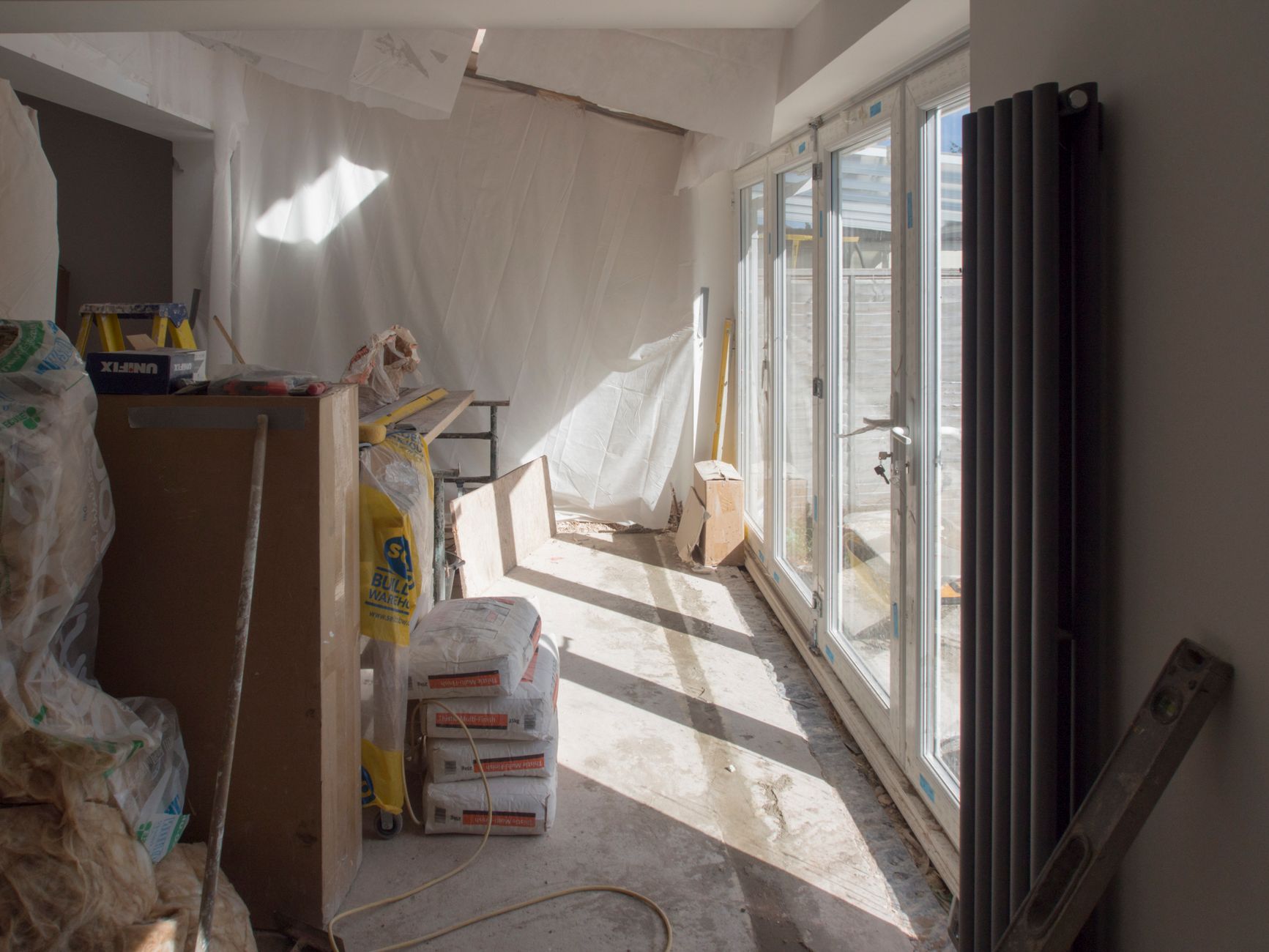
The job wrapped up, it looks good, so you took the photo. Clean, finished, well lit if you were paying attention. Then it went up with a caption about being proud of this one.
It did what those posts always do, which is a modest number of views, a few likes from people who already know you, and nothing else.
The finished shot is the least interesting moment of the entire job, and it is the only moment most businesses ever publish. Everything people would have actually watched happened in the four hours before you took that picture, and none of it was recorded.
Results Are Boring Because They Have No Story
A finished result is a conclusion without anything leading to it. There is no tension, nothing at stake, and no reason to keep watching, because the outcome is already visible in the first frame.
Process is the opposite. It has a starting state that is worse, an unclear middle, and a resolution. That structure holds attention automatically, which is why every platform on the list rewards it. You do not need to be a good storyteller. The work supplies the story on its own.
This is why the same job can produce a post that gets four hundred views and a post that gets forty thousand. Same job, same skill, same result. One showed the ending, the other showed the work.
The Middle Is Where Your Expertise Lives
There is a second thing the finished shot fails to do, which is prove you were necessary.
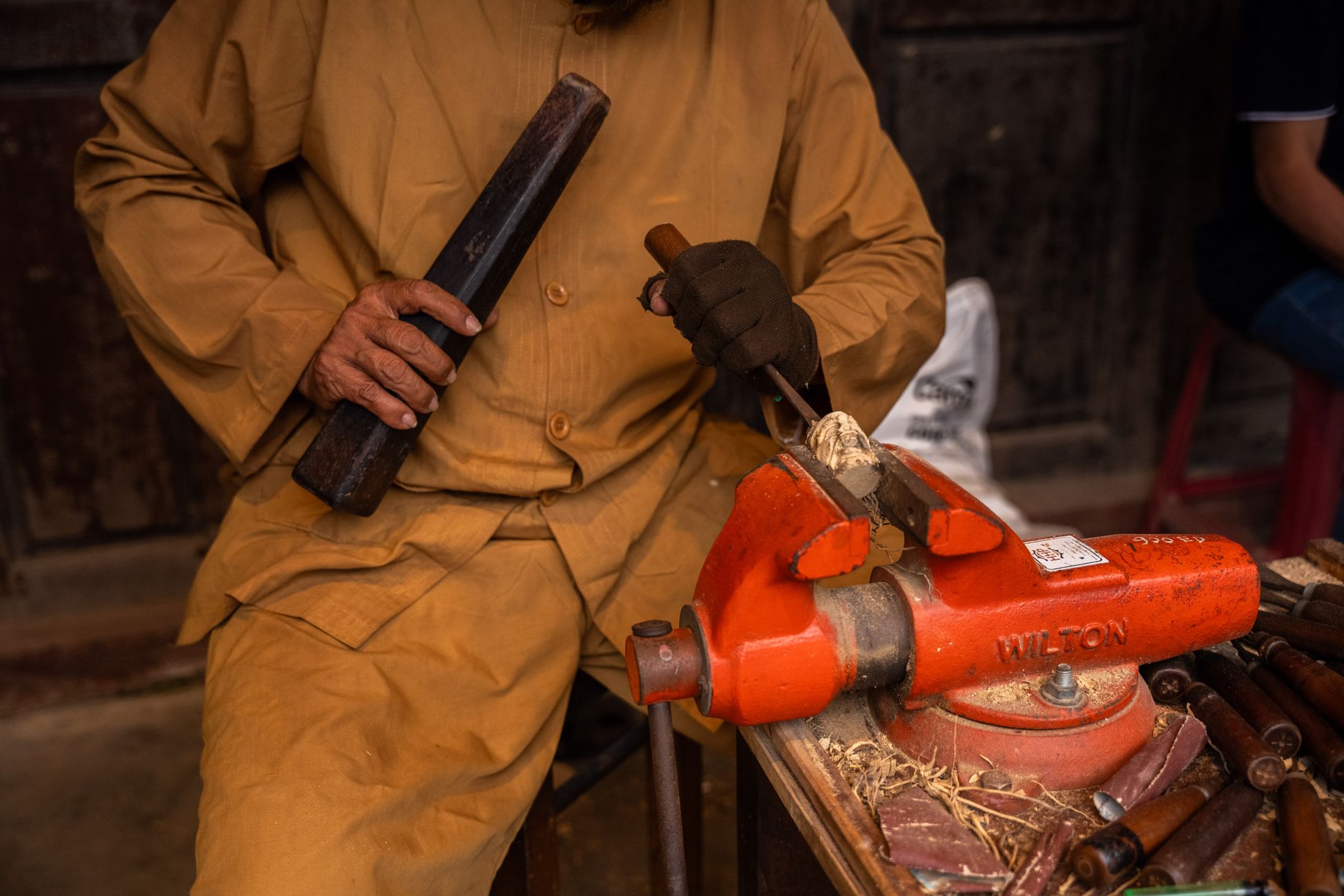
Anybody can point at a good result. What separates you from a cheaper competitor is a set of decisions and steps invisible in the final photo. The prep nobody sees. The problem you found underneath. The extra pass you did because the first was not right. The thing you fixed that the last company got wrong.
Every one of those is a reason to hire you rather than somebody with a lower quote, and every one is completely absent from a photo of the finished product. Buyers cannot value what they cannot see, so they default to comparing prices, which is a fight you did not want.
Show the middle and the price conversation changes, because now the number is attached to visible work rather than an outcome that looks the same in every competitor's photo.
What To Capture During A Normal Job
The practical version is not complicated and it does not slow you down.
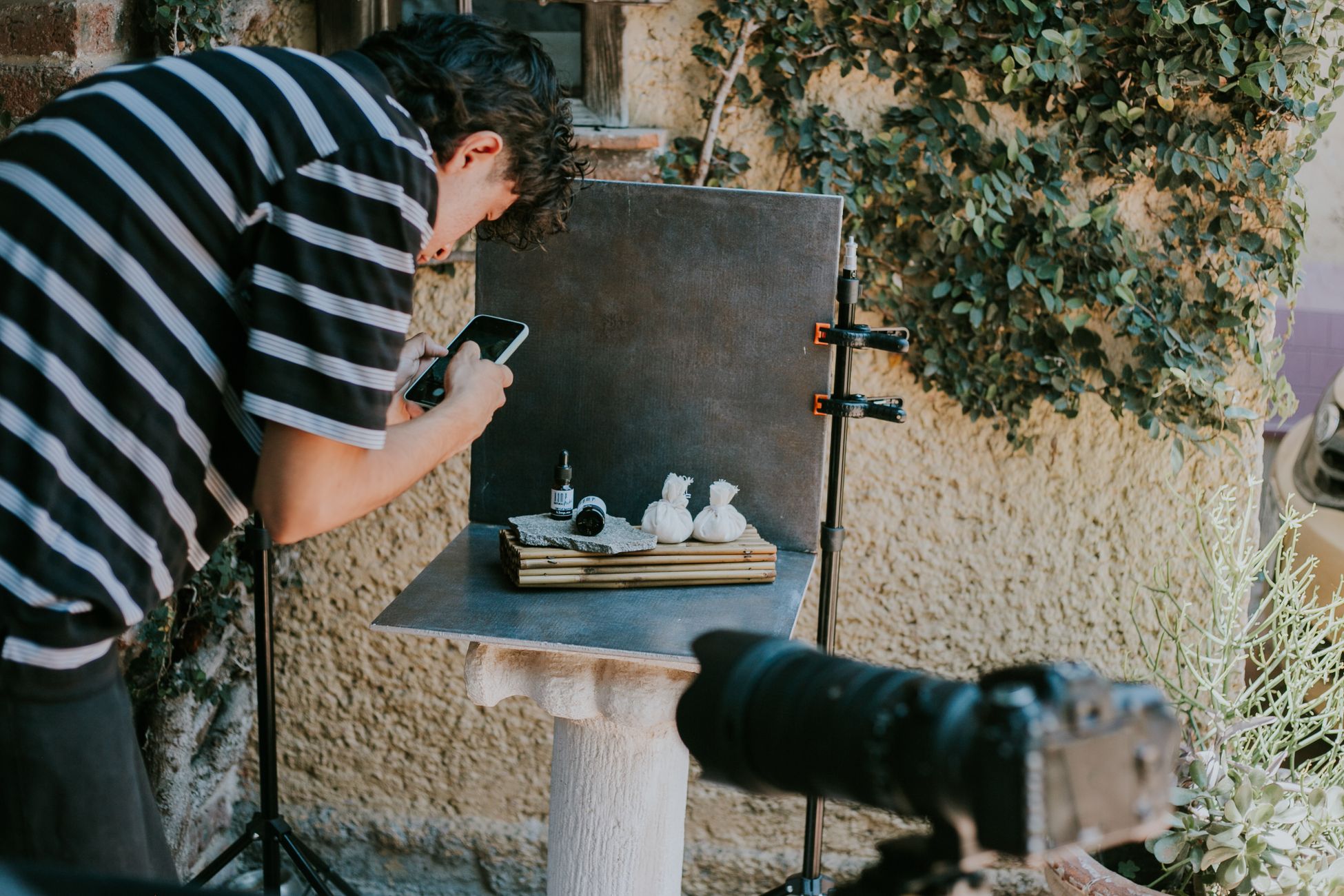
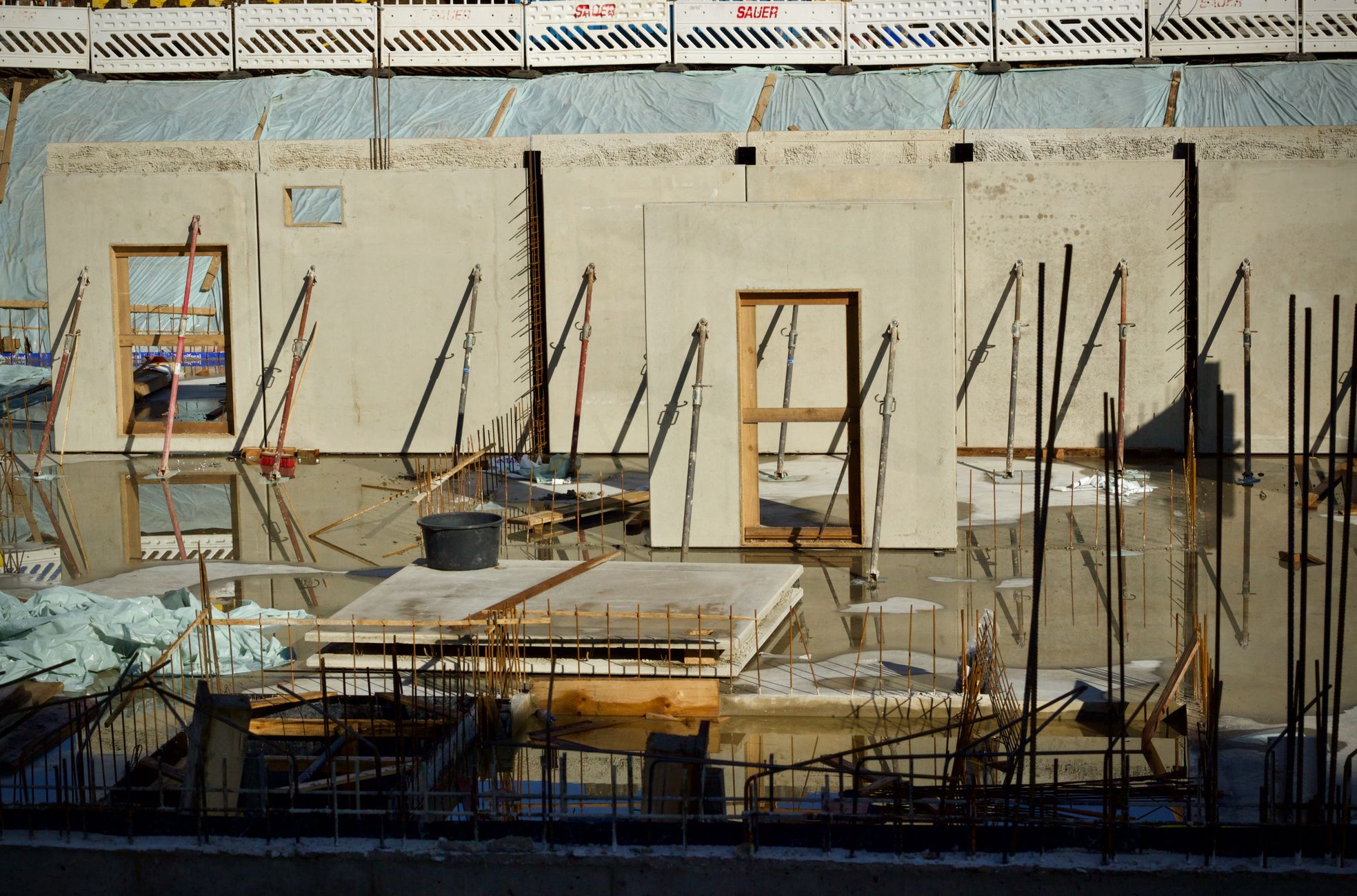
Get the before state, honestly, including how bad it actually was. Get one clip of the worst or most surprising thing you found. Get the step that requires the most skill, even if it looks unremarkable to you. Get a clip of the part that takes the longest, and say how long it takes. Get the fix for whatever went wrong, because something always goes wrong. Then get the finished shot you were already taking.
That is six pieces from one job. Total filming time is maybe three minutes spread across the day, and none of it requires stopping work or setting anything up.
Do that on every job and you never think about content again, because your job schedule is your content schedule.
The Before Shot Is The One People Skip
If you only change one thing, change how you handle the start of a job.
Most businesses either forget the before entirely or take a version that is too flattering, because showing how bad something was feels like it reflects on the customer. So the before ends up mild, and the after has nothing to compare against.
The honest before is the whole engine. Nobody is impressed by a good result unless they can see the distance traveled, and the distance is the only part that demonstrates what you are worth. A dramatic starting point does more for a post than any amount of production quality on the ending.
Take it before you touch anything, every time, even on jobs that seem routine. Two seconds of habit at the start of a job is what makes the finished shot mean something at the end.
Nobody Has Seen Your Trade Before
You underestimate this constantly. What you do all day is genuinely unfamiliar to almost everybody outside your industry, no matter how ordinary it feels to you.
People watch process content about trades they will never work in, for products they will never buy, in countries they will never visit. It is one of the most durable categories of content anywhere, and it works because watching competent work is satisfying on its own.
Your assumption that nobody wants to see the middle of a job is based on your own boredom with it. That boredom is a side effect of doing it every day. It is not shared by anybody who has not.
The Same Six Clips, Seven Places
Here is where a job stops being one post and becomes a real week of distribution.
Those six clips each belong on TikTok, YouTube, Instagram Reels, Facebook, Rumble and Reddit. The before and after does one job on a discovery feed and a different one on a local platform. The skill heavy clip performs well with people in your trade, which builds industry reputation. The problem you found is exactly what somebody types into search before hiring anybody. The satisfying step is what strangers watch to the end.
Six clips from one job, across seven platforms, is more than forty units of distribution from work you were being paid to do anyway. Compare that to one finished photo on one account, which is where most businesses stop.
You Are Not Giving Away The Secret
The other reason people avoid process content is a worry that showing the work teaches somebody to do it themselves.
Almost nobody is going to watch your clip and then do the job. The people who would try were never going to hire anybody. What actually happens is the opposite. Somebody watches four hours of skill compressed into forty seconds and concludes, correctly, that they do not want to attempt it.
Showing the work sells the work. The more clearly people understand what is involved, the more reasonable your price looks and the fewer of them think they can handle it on a weekend.
Your Camera Roll Already Proves This
You do not have to take any of this on faith. Look at the content you have already posted over the last year.
Find the pieces that outperformed. In almost every case they will be the ones with work happening in them, not the ones with a clean result. Find the pieces that flopped. Disproportionately, they will be finished photos with a caption about being proud of the work.
Your own account already ran this experiment. The results are sitting there. Most businesses look at those numbers, notice nothing, and post another finished shot next week because that is the habit.
Post Once, Land Everywhere
The next job you do, film six moments and skip nothing that felt too ordinary to bother with. Then make sure those clips reach every audience available instead of one feed that mostly contains people who already know you.
Multipost Digital handles publication across 7 or more platforms, so the part of your work that people actually want to watch reaches them, instead of ending up as one more photo of a finished result that looks like everybody else's.
