
You Rebranded And Only One Audience Ever Found Out
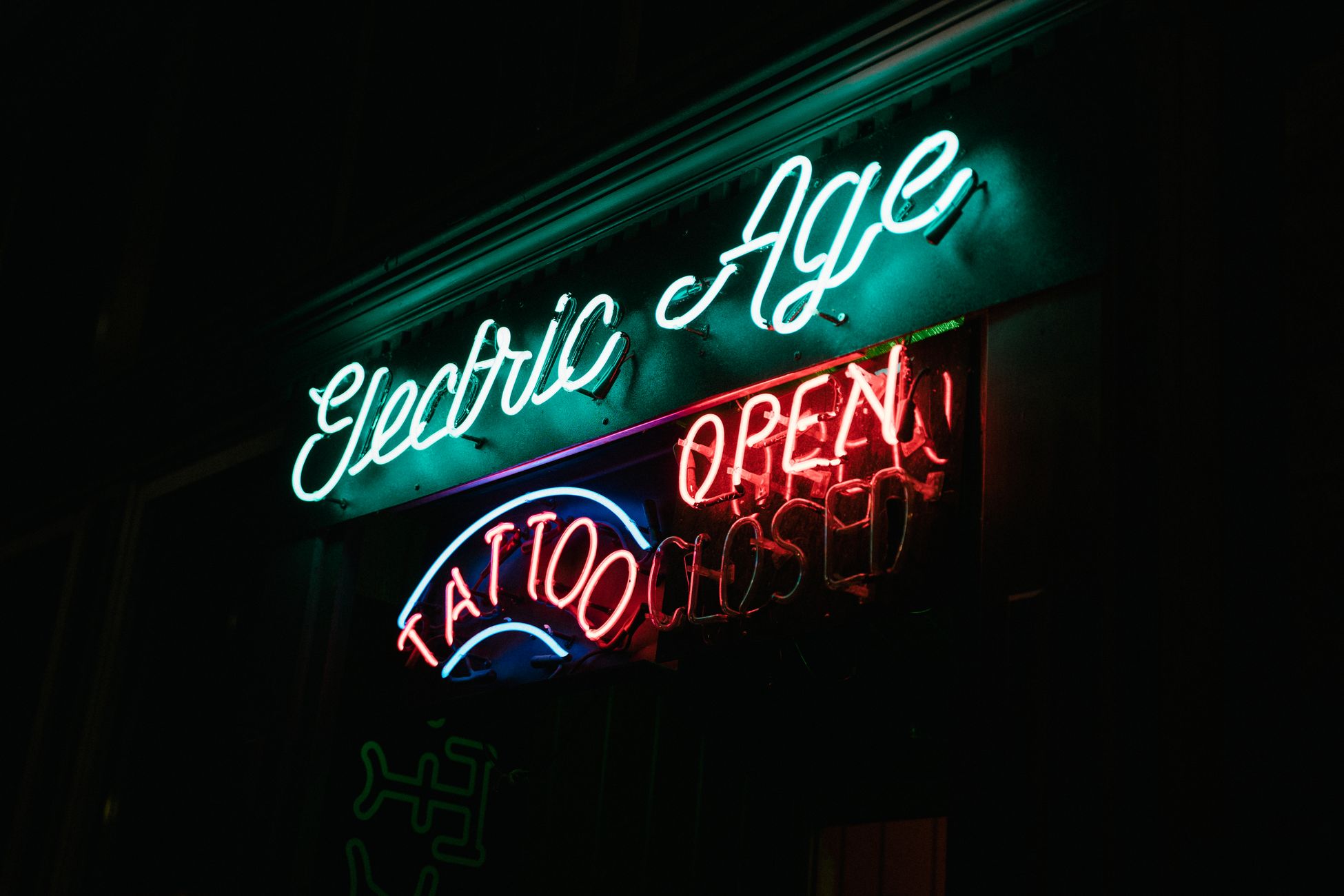
The new identity went live on a Tuesday. New name or new look, updated site, fresh logo on the van, business cards reprinted, everything consistent for the first time in years. You wrote a post explaining the change, put it on your main account, and got a decent round of congratulations from people who already know you.
Six months later somebody calls and asks for the old company by its old name, because as far as they know, that is still what you are called.
A rebrand is one of the few moments where a business genuinely needs reach, and it is the moment most businesses announce to the smallest possible audience. You told your followers. You did not tell the market.
A Rebrand Announcement Is Not A Post, It Is A Campaign
The instinct is to treat it as a single piece of news. Write it once, post it once, move on to running the business.
But a name or identity change is not information people absorb on first contact. It competes with everything else in a feed on the day you happen to post it, and most of your existing audience will not see that one post at all. Organic reach on a single platform typically touches a fraction of your own followers on any given day, which means even the people who follow you mostly missed it.
The people who need to know are a much wider group than your followers. Past customers who have not bought in two years. People who got a referral to you last month and are going to search a name that no longer exists. Suppliers, partners, anybody who ever saved your details. Almost none of them follow your account.
One post to one platform reaches a small slice of the smallest circle. That is not an announcement. That is a note to the people who were already paying attention.

The Cost Of A Half Known Rebrand
Here is what it looks like when the change only partially lands, and it is worse than doing nothing.
Somebody hears about you from a friend, searches the name they were given, and finds an old profile or nothing at all. Somebody sees your new logo and does not connect it to the company they used a year ago, so the trust you built does not transfer. Your old name still shows up in places you forgot to update while the new one has no history behind it. Reviews and mentions are split across two identities.
A rebrand does not just change your look. It temporarily disconnects your reputation from your name, and the only thing that reconnects them is repetition, in front of as many people as possible, for as long as it takes.
Repetition on one platform reaches the same small group over and over. Repetition across seven reaches genuinely different people every time.
Every Platform You Skipped Still Shows The Old You
Go look at the accounts you stopped using. The Facebook page you abandoned in 2022. The YouTube channel with four videos. The old profile picture that is still the first result for some searches.
Those are not dead. They are still indexed, still findable, still telling people your old story. If you rebranded on one platform and ignored the rest, you now have an inconsistent identity across the internet, which is worse than having an outdated one, because inconsistency reads as instability.
This is one of the most concrete reasons to maintain presence on more platforms than the one you like. Not because each one drives leads on its own, but because your name and face need to say the same thing everywhere somebody might encounter them. A rebrand exposes that gap immediately.
Your Past Customers Are The Group Most Likely To Get Lost
Focus on one segment specifically, because it is the one with the most money attached and the highest chance of falling through the crack.
Past customers already trust you. They are the cheapest revenue available to any business and the group most likely to refer somebody. They are also the group least likely to follow you on social media, because the relationship happened offline and ended when the job did.
If your rebrand announcement lived on one platform, that entire group missed it. The next time they need you, they will search a name that no longer returns you, or see your new branding and not recognize it. Some of them will assume you closed.
Reaching them means being present in the places where they actually spend time, which for most industries means Facebook and YouTube more than the platform you personally prefer. That is a coverage question, and it is why breadth matters more during a rebrand than at any other point in a company's life.

What A Real Rebrand Rollout Looks Like
Treat it like a launch rather than a memo, and the shape becomes obvious.
The announcement itself, explaining what changed and what did not. A short piece on why, because the reasoning is usually more interesting than the news. A behind the scenes clip of the sign going up or the wrap going on the vehicle. A side by side of old and new. A clip addressing the question everybody asks, which is whether prices, staff or service are changing. A piece for past customers specifically, telling them nothing about their relationship with you is different.
That is six pieces minimum, and each one should run across TikTok, YouTube, Instagram Reels, Facebook, Rumble and Reddit. Not on one day. Over several weeks, because the goal is for the change to be encountered repeatedly by people who are not looking for it.
Six pieces across seven platforms is more than forty units of distribution for a change you announced once and hoped would spread.
The Window Is Wider Than You Think
Most rebrands get about a week of attention from the business owner and then everybody moves on to normal posting. That is far too short.
Realistically you should be reinforcing the new identity for six months. Not with dedicated announcement content the whole time, but by making sure every piece you publish, everywhere, carries the new name and look. That only works if you are actually publishing everywhere. If five of your seven possible platforms are dormant, they keep serving the old identity to anybody who lands on them, indefinitely.
The businesses that come out of a rebrand cleanly are the ones that were already distributing widely before the change. The transition is just their normal output with a new logo on it, hitting every audience they had already been reaching.
You Spent Real Money On The Part That Was Easy
Add up what the rebrand cost. Design work, a new site, signage, vehicle wraps, printed material, maybe legal work on the name. That is a serious investment, and every dollar of it went into what the brand looks like.
Almost none of it went into how many people would find out. The distribution half, which determines whether any of the design work reaches the market, was handled by one post on one account and then dropped.
That is the same imbalance that shows up in every part of content, just with a bigger number attached. Production got funded. Publication got improvised.

Post Once, Land Everywhere
If you rebranded in the last year, ask yourself how many of your past customers could name your current company correctly. Then ask how many people who almost hired you last spring would recognize your new look if it scrolled past them tomorrow.
Multipost Digital publishes across 7 or more platforms so a change this important reaches every audience you have access to, repeatedly, until the new name is the one people actually say when they refer you.
