
What Happens To Your Business The Week A Platform Changes The Rules Overnight
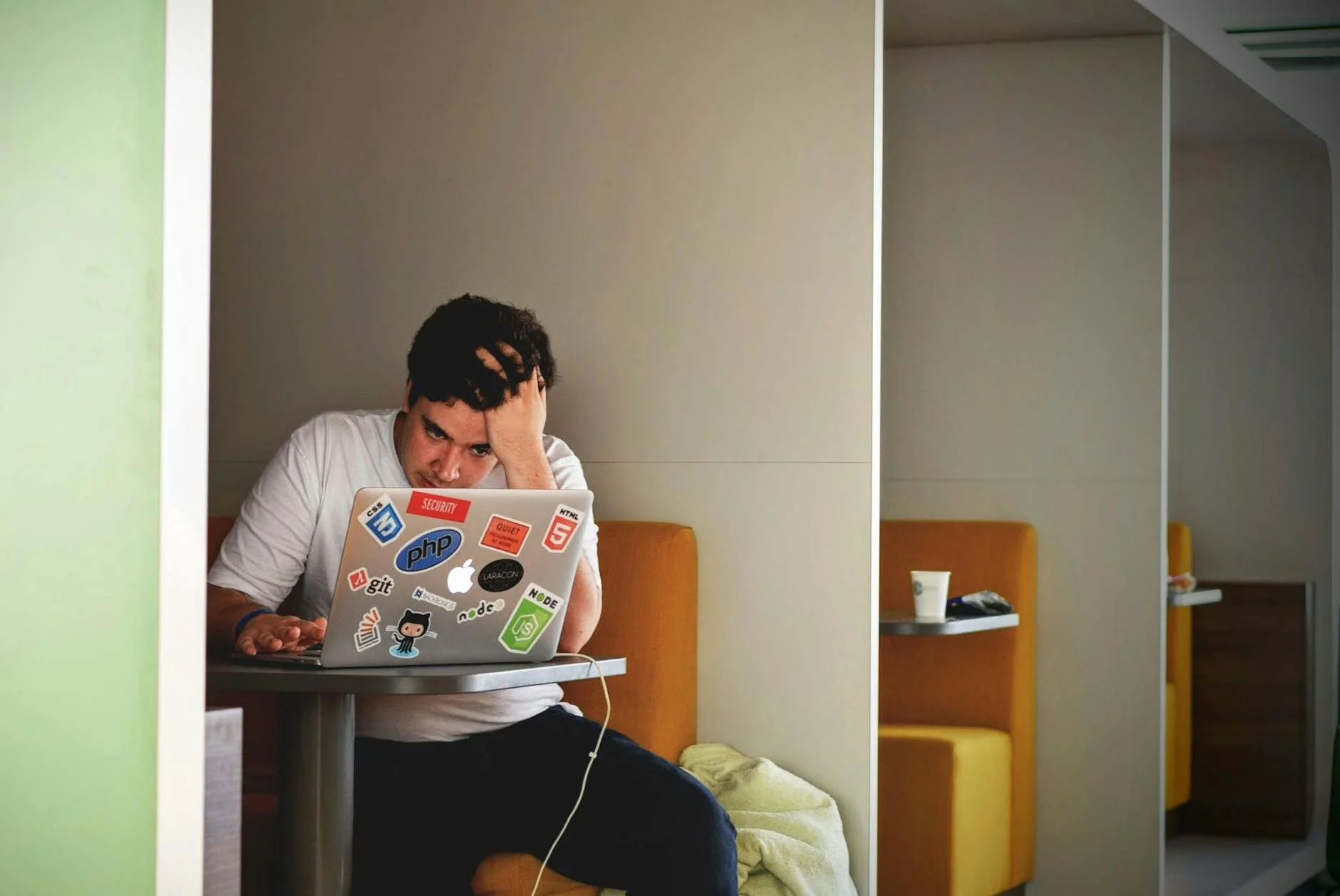
It usually happens on a Tuesday. You wake up, check your numbers like you always do, and something is off. Views are down 60 percent across your last three posts. You check the platform's status page and everything looks fine. You ask a friend who creates in the same niche and they are seeing the same thing. By the afternoon, the platform has quietly published a help center article describing a "minor adjustment to feed ranking" or a "shift in how we surface content for users." That minor adjustment just cut your income in half. By the end of the week, you are scrambling, your numbers have not recovered, and you are realizing that the entire foundation of your creator business was sitting on top of someone else's decision that they did not have to consult you about.
This is the part of the creator economy that nobody warns you about until it has already happened to them. Every platform changes the rules eventually. Most do it multiple times a year. And every time, a percentage of creators who put all their weight on that one platform find out the hard way that they did not own anything they thought they owned. Multipost Digital exists exactly so this scenario cannot wipe you out, because your distribution lives on seven platforms at once instead of one
This post is the walkthrough of what actually happens, what it actually costs, and how to make sure the next algorithmic earthquake hits someone else, not you.
The Pattern Of How Platforms Change Rules
Platform rule changes do not arrive with warnings. They arrive after the fact, usually with vague language designed to minimize creator panic. By the time the change is officially announced, it has already been live for days or weeks. The creators who were affected first are already feeling it. By the time you understand what changed, the impact is already showing up in your bank account.
Here are some patterns. Facebook organic reach was slowly throttled for almost a decade. By the time creators understood that page posts were essentially dead for organic reach, page-only businesses had already collapsed. Instagram throttled link-in-bio behavior multiple times, changed Reels visibility rules every quarter for a while, and altered shopping integration repeatedly. YouTube has updated its monetization rules, demonetized categories without warning, and changed Shorts visibility curves several times. TikTok has shifted creator fund payouts dramatically, altered the For You algorithm, and changed how external links are treated. Twitter, then X, changed almost everything about reach and verification when ownership changed.
None of these were announced in advance. None of them were optional. None of them came with compensation for creators whose businesses depended on the prior rules. That is just how platforms work.

The Day Of The Change
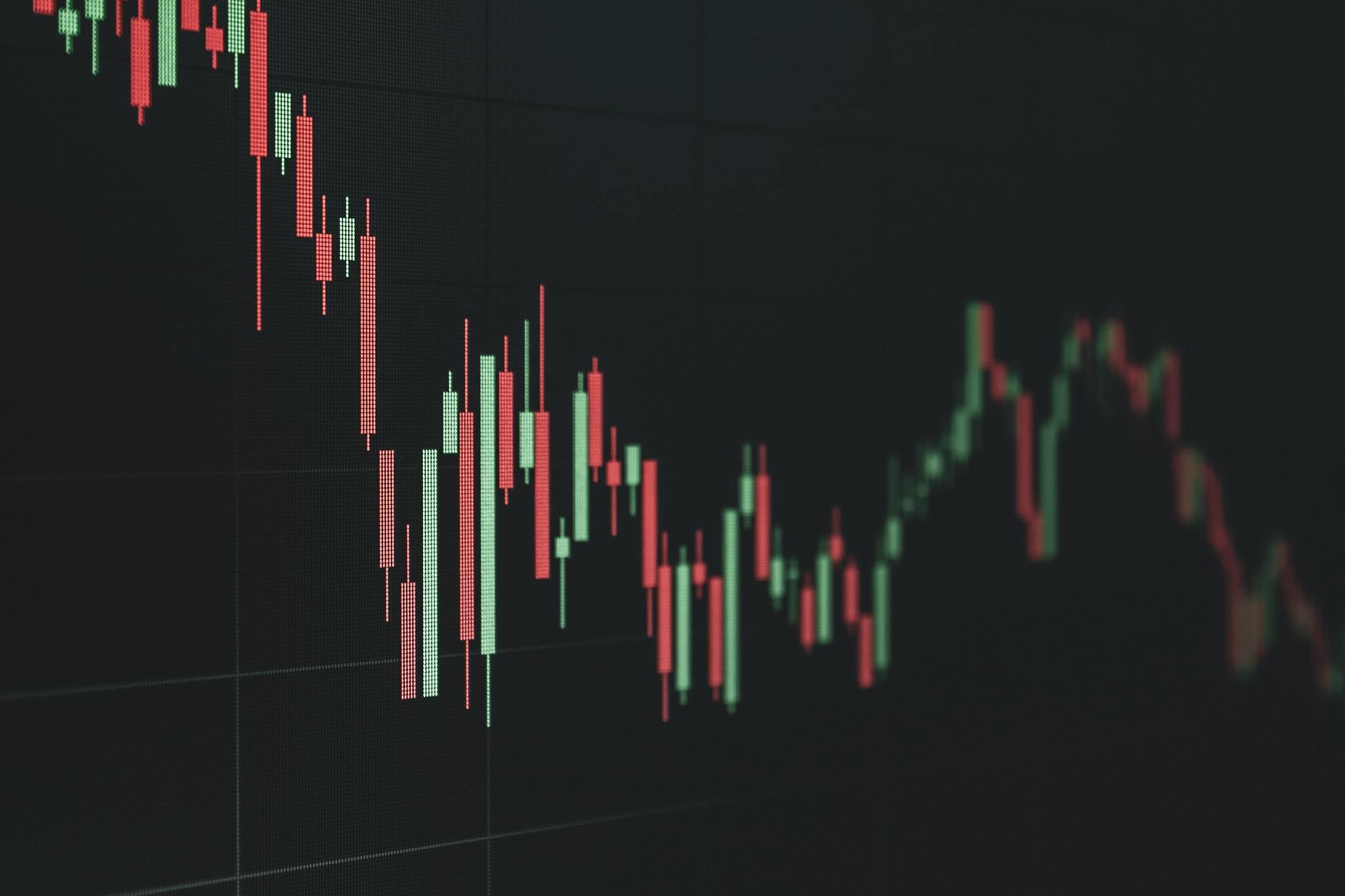
The first thing you notice is the numbers. The view counts that used to be normal are now half. Or quarter. Or a tenth. You check your settings. You check the platform's status. You assume something is wrong with you. By the afternoon you see other creators in your niche posting about the same drop and you realize the platform did something.
Your stomach drops. If 80 percent of your audience and 90 percent of your income comes from this one platform, you have just had a 50 percent drop in your business overnight. You did not do anything wrong. The platform decided to surface less of your content. There is no appeal. There is no rollback. There is no compensation.
By that evening you are doing rough math. If this drop holds, you need to either drastically increase your output to compensate for the lost reach per post, or you need to find new platforms fast, or you need to start considering whether you should look for a job. You did not plan for any of this when you woke up that morning.
The Week After
The week after a platform rule change is when the real damage happens. You start posting more, hoping volume will overcome the algorithm shift. It does not. The new ranking favors something you do not understand yet. You try different formats. You try different topics. Nothing pulls the numbers back to where they were.
Some creators panic and pivot. They burn weeks trying new content strategies that do not work. Some go quiet for a while, hoping things will return to normal. They mostly do not. The new normal is the new normal until the platform decides otherwise.
Meanwhile, your income is still down. If you were running a creator business that depended on this platform for sponsorships, ad revenue, or audience-to-product conversion, every week the new ranking holds, you are losing real money. By the end of the month, the cumulative damage is significant. By the end of the quarter, you may be looking at the end of the business.
This is not hypothetical. This has happened to thousands of creators across every platform over the last decade. The pattern is consistent. The creators who survive are the ones who had distribution beyond the one platform that changed the rules.
What The Survivors Have In Common
If you look at the creators who weather these rule changes without going under, they all share a structural advantage. Their content lives on multiple platforms. When one platform throttles them, the other six do not. Their total reach drops, but it does not collapse. Their income is diversified across platform-specific revenue, affiliate revenue, products, services, and direct fan support. When the platform change hits, it hurts one revenue stream, not all of them.
This is the entire case for multi-platform distribution. Not growth, although that is real too. Survival. The ability to take a punch and keep operating.
A creator who is on TikTok, YouTube, Instagram, Facebook Reels, Threads, Reddit, and Rumble has functionally hedged against any single platform's bad decision. If TikTok changes the rules tomorrow, they lose a piece of their reach, not their business. If Instagram throttles Reels, same thing. They have built a system that does not depend on any one company being kind to them.
The Email List And Owned Audience Layer
There is one more layer that goes on top of platform diversification, and it is the only thing you actually own. Your email list. Your text message list. Your podcast subscribers if you have them. These are direct relationships with your audience that no platform can take from you.
Creators who survive platform changes treat every platform as a top-of-funnel source for moving people into owned channels. They never assume the platform follower count is real money. They assume the email subscriber is real money. That mental shift changes how you treat each follow, each comment, each view. Every interaction becomes a chance to move someone one step closer to a list you control.
When the algorithm change hits, the owned audience is what keeps the income coming in. The email list still sends. The text list still reaches. The platform reach can drop and your business does not.

The Recovery Timeline
Even when you survive a platform change, recovery takes time. The new rules favor something different than the old rules. You have to relearn the platform. Your old content style may not work as well anymore. The audience behavior on the platform may have shifted because the new ranking is showing them different things.
Creators who recover usually take three to six months to fully adapt. The ones who stay rigid, who insist on doing exactly what worked before, never recover at all. The ones who treat the change as new information and adjust their approach get back to growth, just from a lower starting point.
If you had built a multi-platform presence beforehand, this recovery period happens while you are still earning from the other platforms. You can afford to experiment. You can afford to test. You are not financially desperate.
If you had been single-platform, the recovery period happens while you are bleeding money. You cannot afford to experiment because you need wins fast. The pressure leads to worse decisions and slower recovery.
The Move To Make Today
The point of this is not to scare you. The point is to make clear that platform rule changes are not rare events. They are scheduled features of the creator economy. They happen to everyone eventually. The only question is whether you have built a structure that can absorb them or one that cannot.
If you are reading this and you are on one or two platforms, the move is to start being on the others now, while everything is calm. Not after the next algorithm change. Now. Diversification done after the crisis is far less valuable than diversification done before it.
If you cannot do the manual work to maintain seven platforms, that is what distribution services exist for. The cost of a service is far smaller than the cost of having your business cut in half because the platform you bet on decided to change the rules on a Tuesday.
The week a platform changes the rules overnight is coming. The question is just whether you will be on six other platforms when it hits.
