
The Posting Schedule That Actually Compounds Versus the One That Just Keeps You Busy
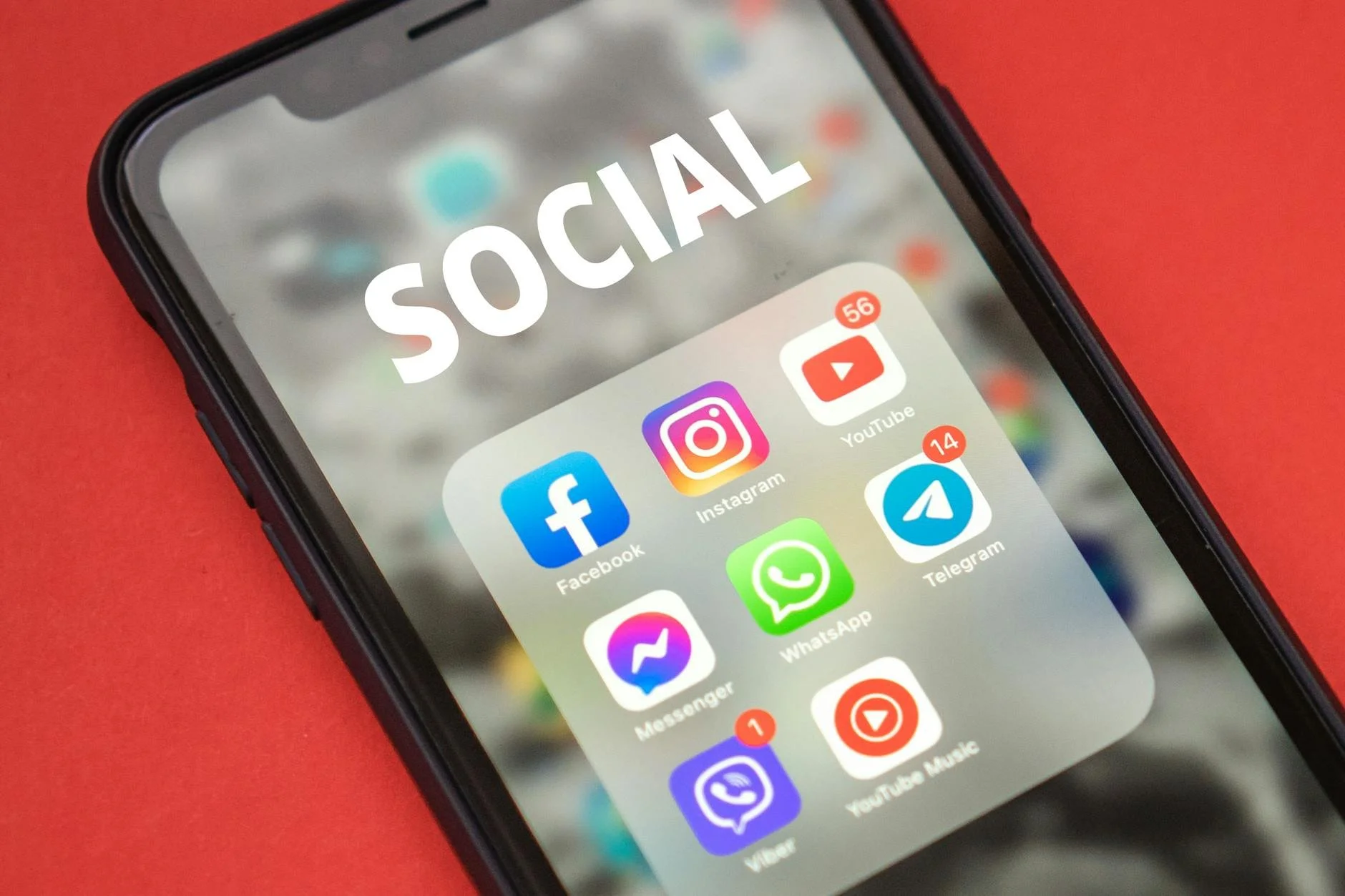
There are two kinds of posting schedules in social media, and almost everyone is running the wrong one. The first kind keeps you busy. You wake up, you film something, you post it, you check the analytics three times before lunch, and by tomorrow you have to do it all over again. Nothing accumulates. Each post lives and dies on its own. Six months in, you have produced 180 pieces of content and your account looks roughly the same size as it did when you started. The second kind compounds. Each post builds on the one before it, the distribution gets wider every month, and a single piece of content from January is still pulling views and clicks in November.
The difference between those two schedules has almost nothing to do with how often you post. It has everything to do with where the post goes after you publish it, and whether anyone is going to see it more than once. See how Multipost Digital takes one piece of content and turns it into a compounding asset across 7+ platforms.
The busy schedule looks like this. Post one Reel today. Tomorrow, post a different Reel. Stories in between. Maybe a carousel on Friday. Everything goes to Instagram. Maybe a copy lands on TikTok if you remember. The whole operation is anchored to today. Everything you made yesterday is buried. Everything you make tomorrow will also be buried in 48 hours. You are essentially running on a treadmill. Effort in, no equity out.
What a Compounding Schedule Actually Looks Like
A compounding schedule treats every piece of content like an asset that has to work for at least 90 days. You film once. You publish that piece to TikTok, Instagram Reels, YouTube Shorts, Facebook Reels, Threads, Rumble, Reddit, and Pinterest. Each platform gets a slightly different caption, the right hashtag set, and the right format. That one piece of content now has eight chances to find an audience instead of one.
A week later, you do not retire that piece. You repost it to the platforms where it underperformed the first time. You take the best clip from inside it and post that as a standalone. You take the audio from it and reuse it on a different platform. You turn the script into a tweet. You turn the thumbnail into a Pinterest pin. The asset keeps generating new derivative assets, and each derivative gets distributed across the same eight platforms.
This is not theory. This is exactly what every account that grew faster than yours is doing. The math is simple. If you are posting one piece per day to one platform, and someone else is posting one piece per day to seven platforms, they are getting seven times the reach for the same content cost. Then if they are reposting that piece three months later to a fresh audience, they are getting fourteen times the reach. You are not behind because they are creating more. You are behind because they are distributing more.

The 90-Day Rule Most Creators Ignore
Every platform has a window where content can still find new viewers. Instagram is short, around 48 hours. TikTok is longer, around 30 to 60 days for content that gets initial traction. YouTube Shorts can keep surfacing content for several months. Reddit threads can stay relevant for a year if they are in evergreen subreddits. Pinterest is essentially forever.
The compounding schedule respects these windows. You do not write off a piece of content after a day. You assume each piece has 90 days minimum of potential reach, and you keep working it. Repost it to platforms where it never got pushed. Pull a quote from it and turn that into a graphic. Cut the best 15 seconds and post it as a hook video. Mention it in a future video.
Most creators have a closet full of content they made and forgot about. That closet is worth more than the content they are about to film this afternoon. The new stuff is unproven. The old stuff already has data. You know what hooks worked, what topics landed, what comments people left. The compounding schedule mines the closet first and only films new when the closet has been worked through.
Why the Busy Schedule Feels Productive but Actually Stalls You
The trap of the busy schedule is that it feels like work. You are filming. You are editing. You are posting. The output looks heavy. The activity feels like progress. But progress in social media is measured in audience, not in posts. And the busy schedule is structurally incapable of building audience because every single post starts from zero.
Think about what happens when you post a Reel today. Instagram shows it to maybe two percent of your followers. Those who engage signal to the algorithm that it is worth pushing wider. If the post gets traction, you see growth. If it does not, the post dies and you have to start the cycle over tomorrow with a brand new piece. Now compare that to a creator who took the same Reel and pushed it to seven platforms. The Reel might flop on Instagram and explode on TikTok. The TikTok explosion drives followers to their other platforms. The other platforms have their own audiences ready to engage with the next piece. Each post compounds across the whole stack. Each platform feeds the next.
This is why creators who started at the same time as you are now ten times your size despite producing the same volume of content. They are not better. They are just compounding. You are just busy.
The Time Math People Always Get Wrong
Most creators assume that posting to seven platforms takes seven times as long as posting to one. This is the central reason they refuse to do it. They are wrong about the math. The hard part of content is creating the content. The actual distribution is a few minutes if you have a system, and zero minutes if someone else is doing it for you.
What takes time is filming. What takes time is editing. What takes time is writing the captions and figuring out the hooks. None of that scales linearly with the number of platforms you post to. Once you have made the asset, putting it on TikTok and Instagram and YouTube Shorts and Facebook is essentially a copy-paste with light formatting tweaks. The marginal cost of additional platforms is almost zero.
The creators who do this themselves usually batch it. They film a week of content on Monday, edit on Tuesday, and schedule the whole batch across every platform by Wednesday. The rest of the week is free for filming the next batch, replying to comments, or running the actual business. The creators who hand it off do not even do that step. They drop the assets in a folder and a service handles the rest.
The Cadence That Actually Works
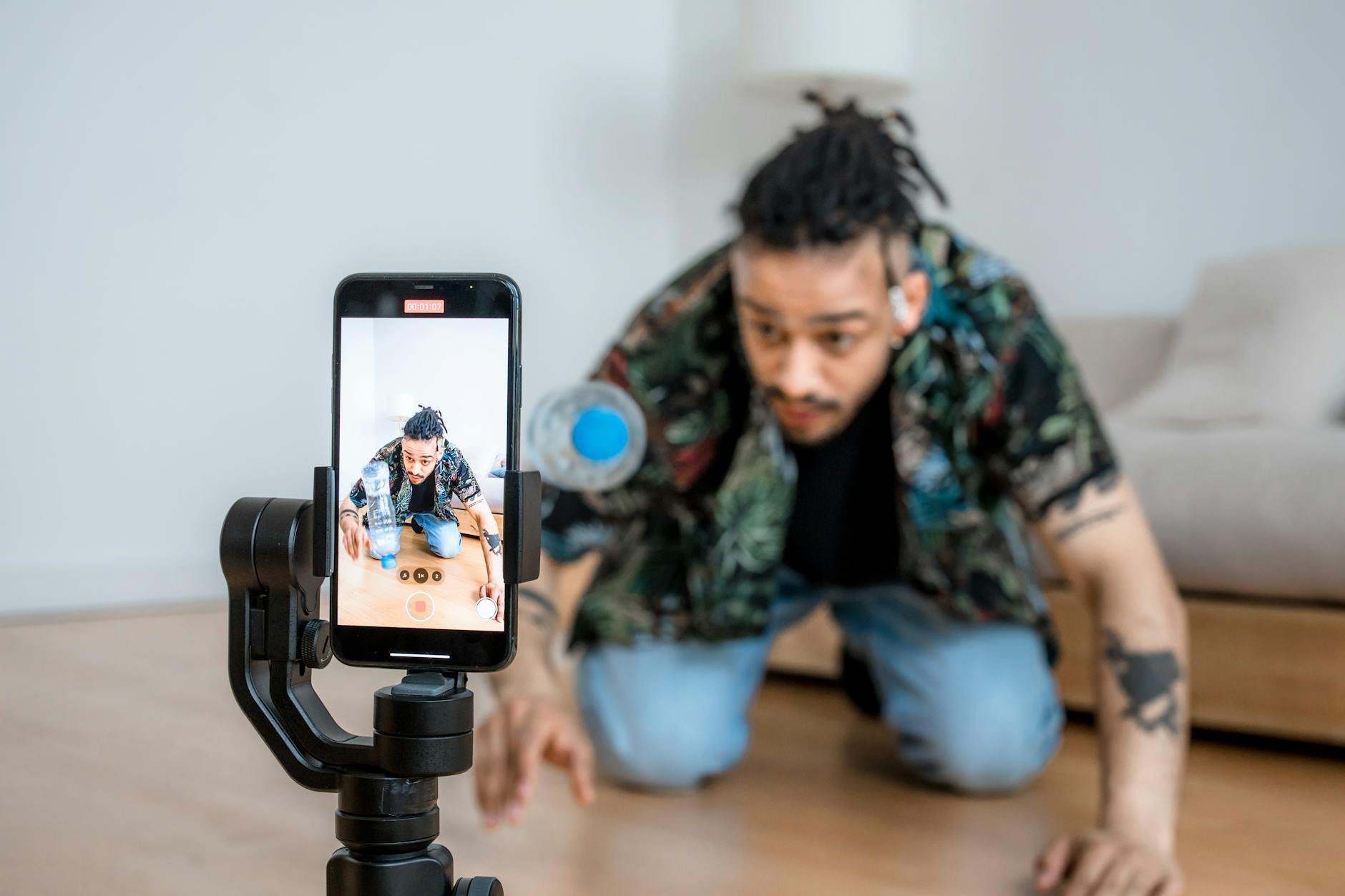
Here is the cadence that works for almost every operator. Film once or twice a week. Produce three to five pieces per session. Distribute every piece to all seven platforms within 48 hours of filming. Repost the best performers to underperforming platforms 30, 60, and 90 days later. Turn every piece into at least one derivative asset, like a quote graphic or audio clip or text thread. Then post the derivative everywhere it fits.
That is it. There is no daily filming requirement. There is no need to be on camera every morning. There is no need to be glued to your feed waiting for the next idea. The cadence is built around assets, not around days. You make assets. You distribute assets. You revisit assets. The audience grows because every piece is working multiple times across multiple platforms instead of working once.
The creators who burn out are the ones running the busy schedule. They burn out because they are essentially trapped in a content treadmill where they have to produce something new every day just to stay visible. The creators who do not burn out are the ones who made the math work for them by distributing wider instead of producing more.
What You Should Stop Doing This Week
Stop measuring your week by how many new pieces you produced. Start measuring it by how many platforms each piece reached. Stop discarding content after 48 hours. Start treating every piece as a 90-day asset minimum. Stop trying to win on one platform. Start showing up on the platforms where your audience also lives but is not currently hearing from you.
If you have been running the busy schedule for a while, you do not need to film more. You need to distribute more of what you have already made. Most operators have a six-month content library that has only ever lived on one or two platforms. That library is worth more than this week's filming session, and it is sitting there doing nothing.
