
Your Busiest Week Produced Zero Posts And That Is Backwards
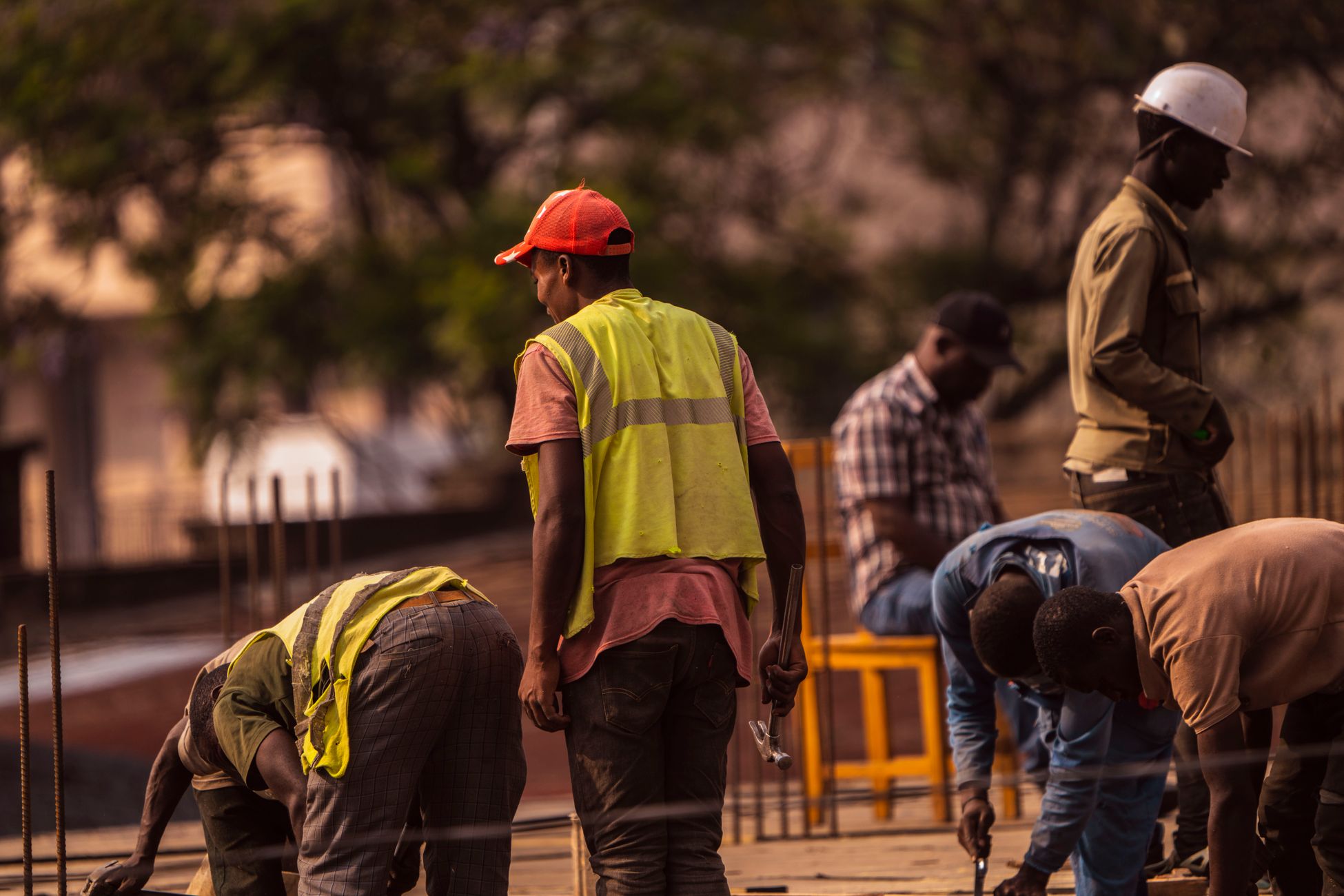
Look at your posting history against your job calendar. The pattern is almost universal. The weeks you were slammed, when the work was best and the results were most impressive, are the weeks with nothing published. The quiet weeks, when you had time to think about content, are when you posted.
So your feed shows your slowest periods and hides your strongest ones. The market is seeing a version of your business filtered specifically for the times you had nothing better to do.
That is exactly inverted from what you want, and it is the reason growth comes in bursts that never stick.
The Busy Week Is The One Worth Documenting
There is more content in a hard week than in a month of slow ones, and it is better content.
The volume is real. Multiple jobs, more variety, more problems solved, more results delivered. Every one of those is material and it exists whether or not you capture it.
The energy is real too. Content filmed during a busy stretch has a quality that content made in a quiet week does not. You are in the middle of it, you are moving, the results are fresh in front of you. Compare that to filming on a slow Thursday with nothing going on, where you end up making generic advice videos because there is no actual work to show.
And the social proof is real. A feed that visibly shows a business operating at capacity communicates something no caption can claim. People want to hire the person who is clearly in demand. Your busiest week is your best sales asset and you consistently publish nothing during it.

Why It Collapses Exactly When It Matters
The mechanism is not mysterious. Posting is a manual chore, and manual chores get dropped when time compresses.
On a normal week, publishing a piece across your accounts takes twenty minutes. Cut the file, resize it, write captions, open five apps, upload each one. Annoying but doable.
On a week where you are working twelve hour days, twenty minutes of admin at nine at night is not happening. So it stops. Not because you decided content was unimportant, but because it sat at the bottom of a list that got longer than the day.
Then the busy stretch ends, and you have to restart, which is harder than continuing. The account has gone quiet, the momentum is gone, and the first post back always underperforms. That resets the cycle and teaches you that consistency is impossible when you are busy, which is not true. Consistency is impossible when publishing depends on your personal attention.
The Cost Lands Two Months Later
The reason this pattern survives is that the damage is delayed enough that nobody connects it to the cause.
Content published today does not produce work today. It produces work in six to twelve weeks, when somebody who saw you three times finally has the need and remembers your name. That lag is the whole reason the cycle repeats.
You go quiet during the busy stretch, and nothing bad happens immediately, because the pipeline is full of work generated by posting you did two months ago. Then the busy stretch ends, and two months after that, the slow period arrives. You blame the season, the economy, or the market.
It was the silence. You stopped feeding the pipeline at the exact moment you felt most secure, and the bill came due after the security ran out. Then you post hard during the slow period, which fills the calendar two months later, which makes you go quiet again.
That is the boom and bust cycle most operators live inside permanently, and the input driving it is entirely under your control.

Capture Is Cheap, Publishing Is What Breaks
The fix is not to film more during busy weeks. That would be a real burden.
Capture during a busy week costs almost nothing if you keep it crude. A phone propped up. Fifteen seconds of a result before you leave a job. A photo of the finished work. A sentence into a voice memo in the truck. None of that requires stopping, thinking, or editing.
The part that breaks is everything after capture. Cutting, formatting, captioning, uploading, repeating per platform. That is the twenty minutes that does not survive a hard week, and it is the part that has nothing to do with you.
Separate the two. Capture stays with you, because only you are on the job. Publishing goes somewhere else entirely, so it happens on your worst week exactly as it happens on your easiest one.
Once that split exists, the busy week stops being a gap in your feed and becomes the strongest stretch of content you produce all year.
One Busy Week Is Months Of Material
Be specific about what a heavy week actually contains, because the number is larger than it feels.
Five jobs. Each one gives you an arrival shot, a mid process moment, a finished result, and if you ask, a client reaction. That is twenty pieces of raw material from one week of work you were doing anyway.
Cut those into short and long versions and you have thirty assets. Run each across TikTok, YouTube, Instagram Reels, Facebook, Rumble and Reddit and you are looking at close to two hundred placements, sourced from seven days.
Spread out sensibly, that single week can carry your presence for six to eight weeks. Which means the busy period is not competing with your content schedule. It is funding it, and the quiet stretch that follows gets fed by footage from when things were going well.
Consistency Is A System Question
People treat consistency as a discipline problem and try to solve it with willpower and calendars. That works until the first genuinely hard week, and then it does not, because willpower is not the constraint. Available hours are.
Any system that requires you to personally do twenty minutes of admin per post will fail during the periods that matter most. Not sometimes. Every time, predictably, in the weeks where your business is performing best.
A system that keeps running when you are unreachable is the only kind that produces the compounding everybody wants. Two years of steady presence across every platform beats four years of alternating bursts and silence, and the difference is entirely in what happens during the weeks you are too busy to think about it.
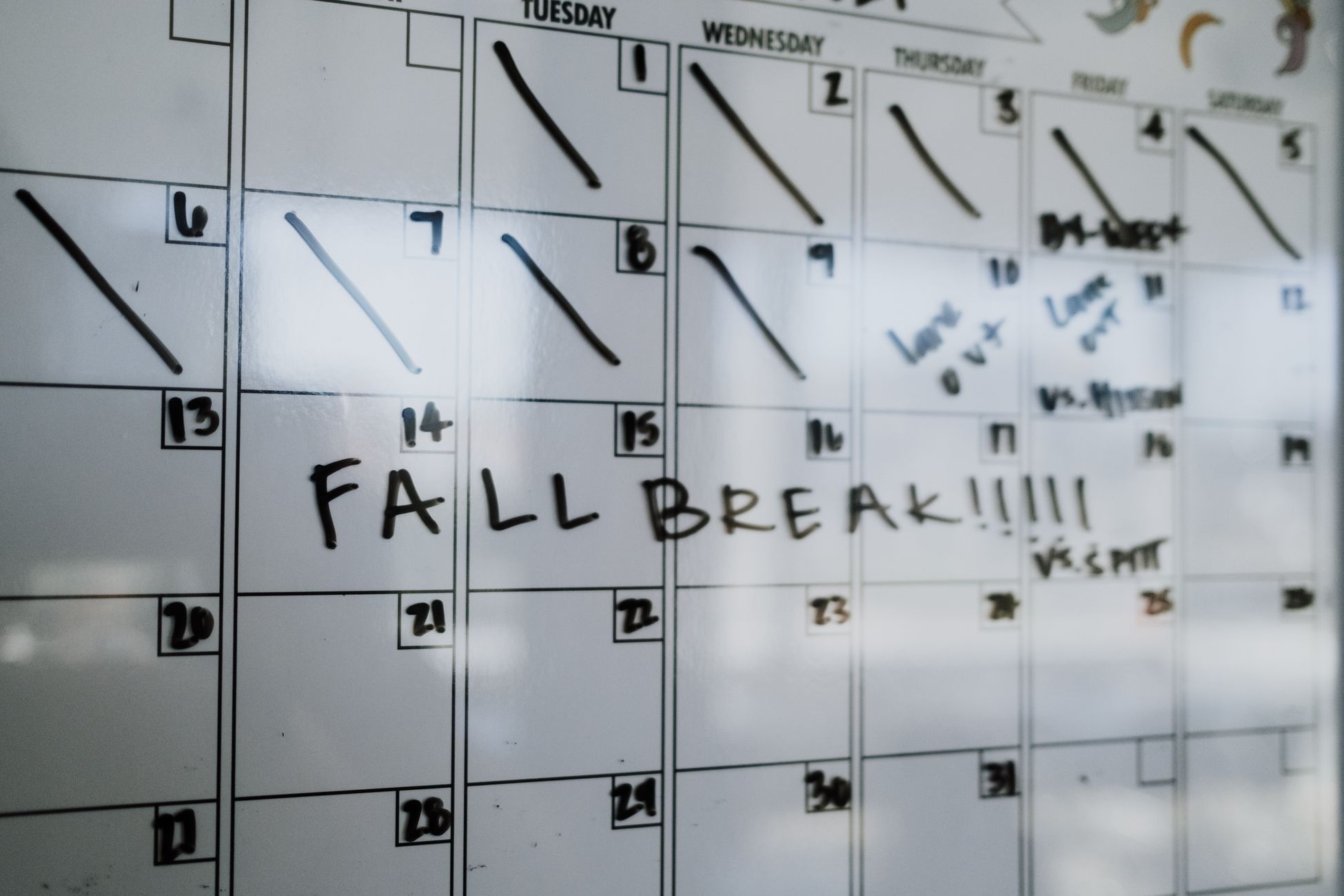
Post From Your Peak, Not Your Downtime
Your best weeks should be your loudest weeks. Right now they are your quietest, and the market is judging you on footage from the times you had nothing going on.
Keep capturing while you work, crudely, without stopping. Let the publishing happen without you, everywhere, on the days you never open a single app. The busy stretch stops being a hole in your presence and starts being the part of the year that carries the rest of it.
Multipost Digital publishes across 7 or more platforms so your busiest weeks show up in every feed instead of disappearing from all of them.
