
Your Warehouse Is Full And Your Feed Is Empty
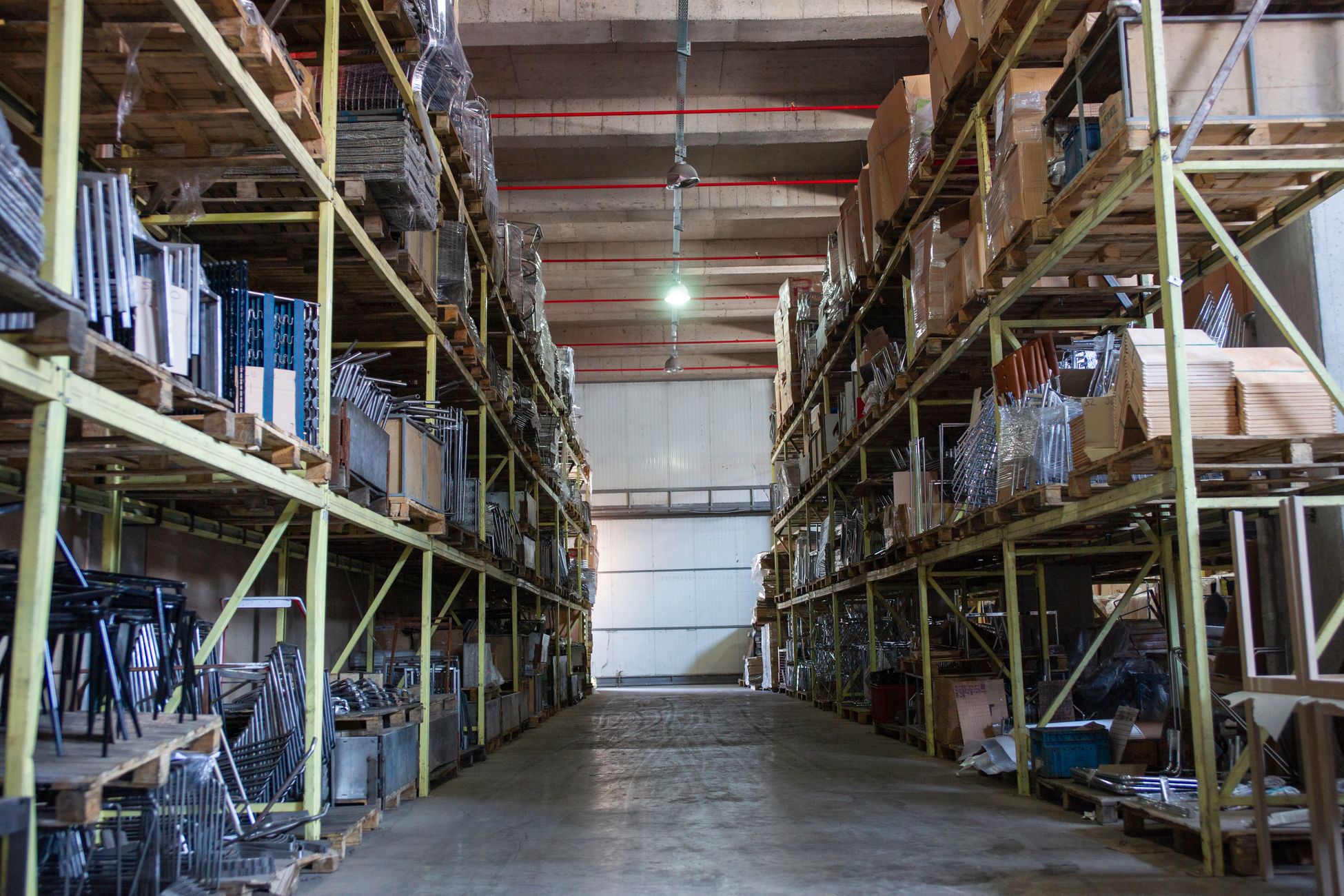
Walk through the back. Racks to the ceiling. Pallets of product that arrived last week. Boxes being packed, boxes being opened, a forklift moving something from one side to the other. Inventory you paid for, sitting there, waiting to be sold.
Now open your social feed. Two posts last month. A product photo on a white background. A promo graphic somebody made in a template. Nothing that looks like the place you just walked through.
The warehouse is where the business actually is. It is full of motion, product, people, and proof. And it has never once been on camera, because somebody decided a long time ago that the back of the building was not marketing.
People Want To See The Back
Here is something that surprises most owners. Viewers online are far more interested in the warehouse than the storefront. The storefront is designed to look good, which means it looks like every other storefront. The warehouse is real. It has scale. It has stuff. It shows what it actually takes to run the business.
There are entire accounts with millions of followers that post nothing but packing orders. There are channels built on restocking shelves. There are viral clips of forklifts moving pallets. None of that is polished. All of it is watched, because people are curious about what happens behind the door, and almost nobody shows them.
You have that behind the door. Every day. Filmed by nobody.
The Inventory Is The Content Calendar
Every product on those racks is a post. Not a product shot. A clip of the product in the warehouse, pulled from the shelf, opened, explained by the person who handles it. What it is, who it is for, why you carry it. Thirty seconds.
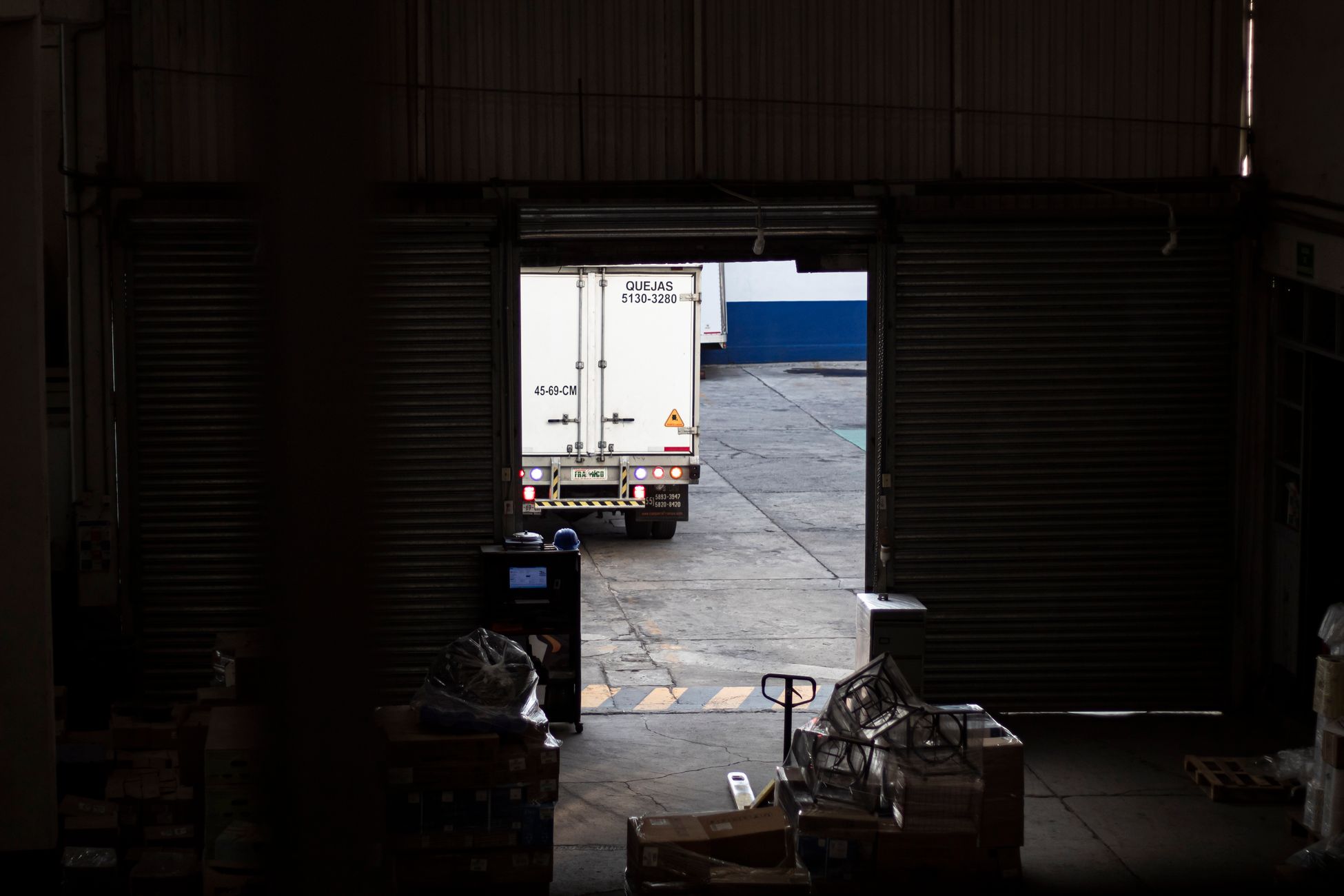
Every delivery is a post. The truck backing in, the pallets coming off, the new stock going up. Somebody saying what just arrived.
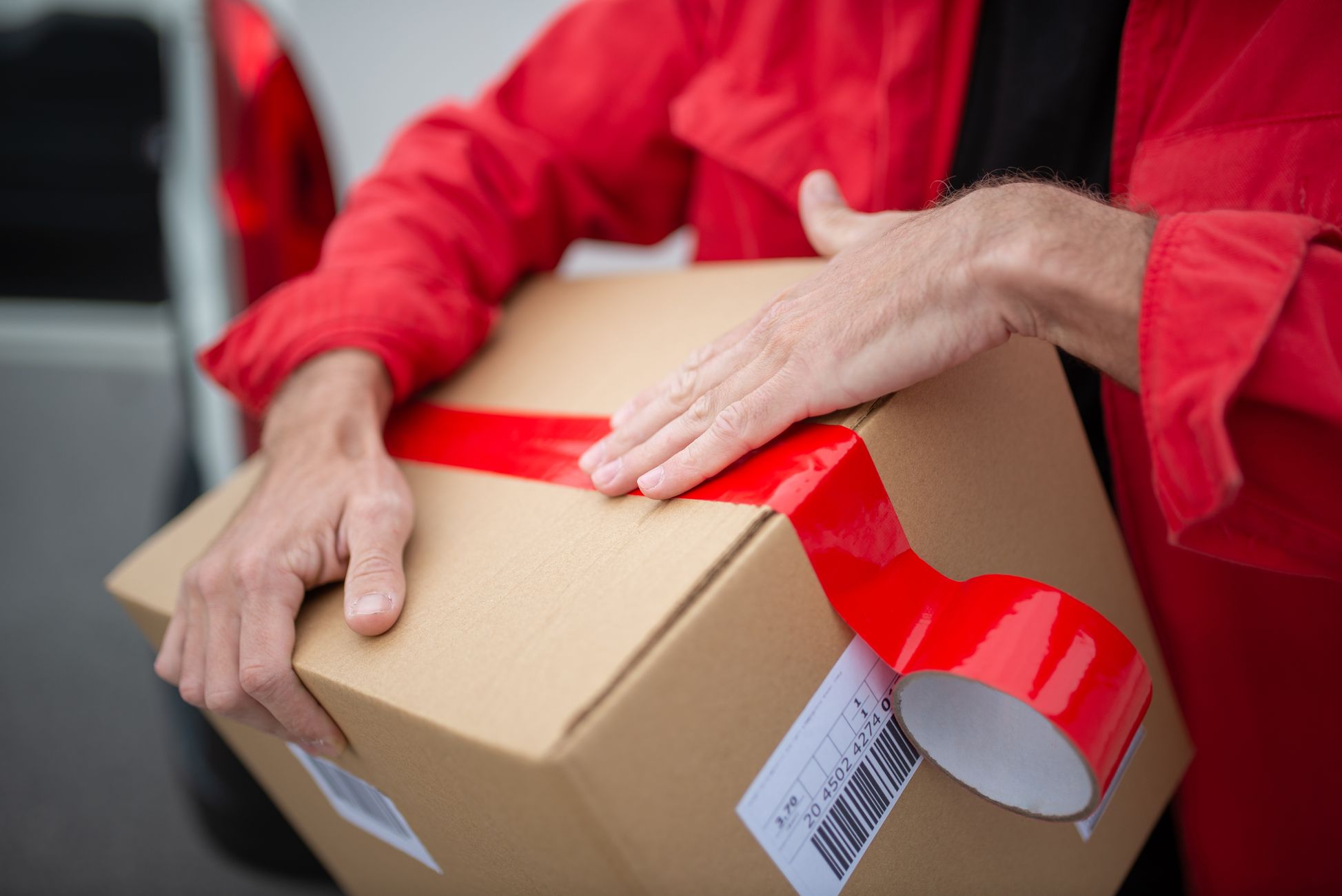
Every order going out is a post. The pick, the pack, the label, the box on the dock. People love watching an order get assembled. It makes them want to be the person receiving it.
Every slow afternoon is a post. Walk the aisles. Show what is overstocked, what is almost gone, what you are excited about. That is a tour, and tours get watched.
A full warehouse is a feed that never runs out. You have been posting a white-background photo instead.
Where The Warehouse Goes
A clip of an order being packed goes to TikTok, Instagram Reels, YouTube Shorts, and Rumble. Same thirty seconds, four platforms, four sets of strangers who now know you exist and ship product.
A five-minute walkthrough of the warehouse, what you stock and why, goes to YouTube. That video gets found by everyone searching for the products you carry, and by people searching for suppliers, wholesalers, and distributors in your category.
A photo of a full rack with a line about what just came in goes on Facebook, where local buyers and businesses share it, and Reddit, in the communities for your product category, where people ask who has stock and where to get it.
One warehouse. Seven platforms. Content that shows the scale of the business instead of hiding it behind a logo.
A Full Warehouse Says Something A Product Photo Cannot
The white-background photo says: here is a thing you can buy. It could be from anyone. It could be a dropshipper with no stock at all.
The warehouse says: we have it, we have a lot of it, we ship it every day, and we are a real operation with real people moving real boxes. That is trust. A stranger who sees the racks does not wonder whether the order will show up. They just saw the inventory. They saw the crew. They saw the dock.
For a wholesaler or a distributor, that is the whole pitch. For a retailer, it is the reason to buy from you instead of the marketplace listing with a stock photo. For anybody, it is proof, and proof sells.
Buyers Are Searching For Stock Right Now
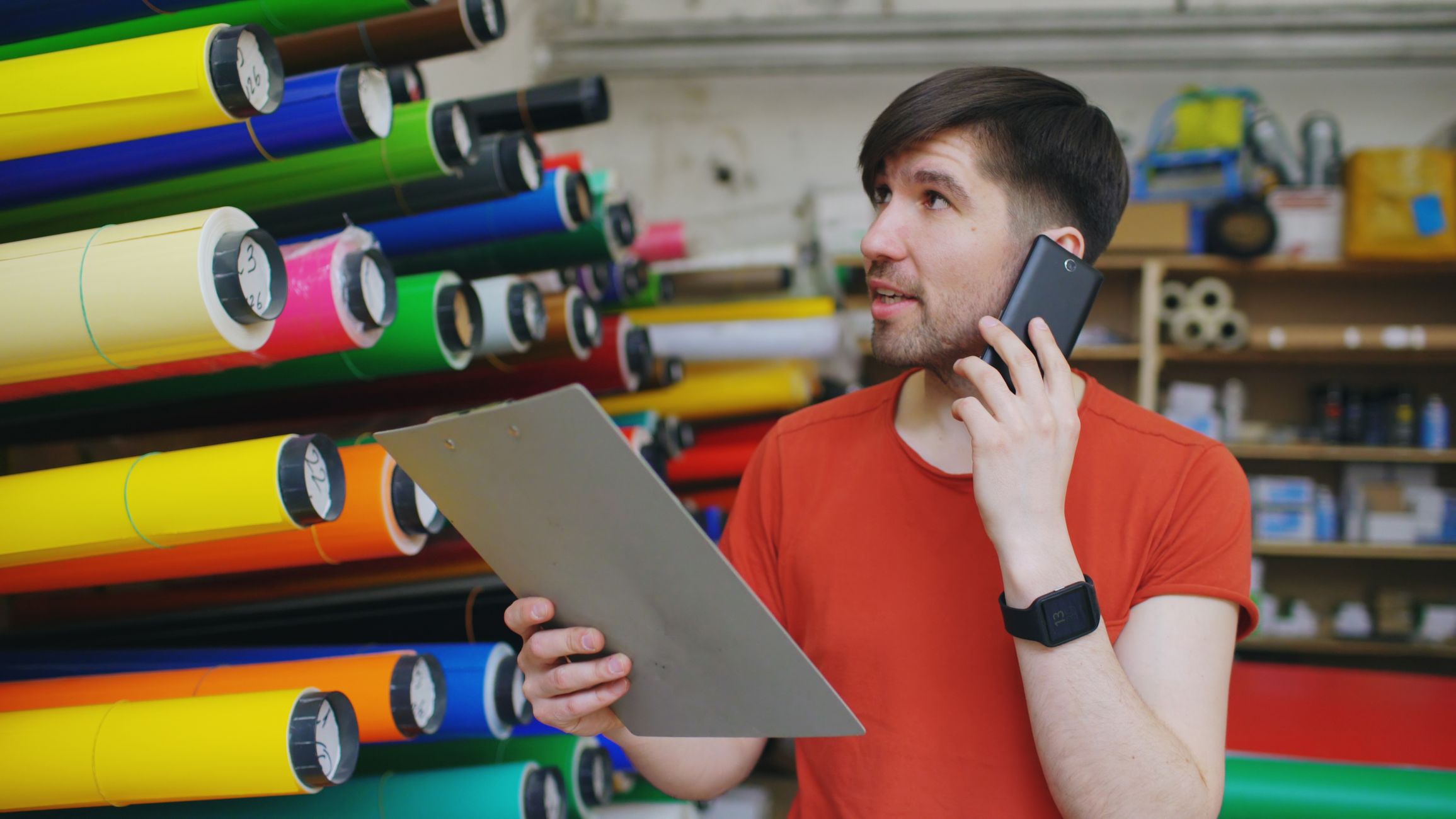
Somewhere, a buyer is trying to find a supplier who actually has the product. They have been burned by a listing that said in stock and was not. They have waited three weeks on a backorder. They are searching, on YouTube, on Reddit, on Facebook groups for their industry, for anyone who can prove they have it on the shelf.
A clip of your rack, full, with the product visible and a date on it, is the answer to that search. It is more convincing than any inventory count on a website, because it is a picture of the actual boxes. That buyer sees it, sends a message, and becomes a recurring account.
That clip took twenty seconds to film. It reached that buyer because it was on the platform they were searching, which is only true if it is on all of them.
The Crew In The Back Is The Content Team
The people who work in the warehouse are on their feet all day, surrounded by the product, doing the exact things people want to watch. They also have phones.
Give them one job in addition to the one they have: film one thing a day. No script, no setup, no permission needed. A pack, a delivery, a shelf, a product they think is interesting. Ten to thirty seconds. Send it to one folder. That is the whole ask, and most crews enjoy it once they see the clips get views.
From there, someone cuts and captions, and a system takes each clip to every platform without anybody in the warehouse needing to open an app. The crew keeps working. The feed fills itself.
Slow Stock Is A Post Too
Every warehouse has product that is not moving. It sits on the rack, ties up cash, and eventually gets discounted or written off.
Film it. Say honestly that you have too much of it, here is what it is, here is who it is for, here is the price. Post it everywhere. Overstock clips move product, because a stranger who sees a real person say we have too many of these and here is a deal believes it, and marketplace shoppers on every platform are looking for exactly that.
The warehouse tells you what to post next. The stuff that is not moving is at the front of the line. And when it sells, the empty spot on the rack is the next post, because a shelf that cleared out is proof that the last clip worked.
Open The Door
You built a business with enough demand to justify a warehouse. That is more than most ever manage. And the most visible proof of that success is behind a door that has never been opened on camera.
Open it. Walk through with a phone. Show the racks, the crew, the product, the pace. Put it on every platform. The empty feed and the full warehouse have been the same business the whole time. Let people see the full part.
