
Your Founding Year Photos Are In A Drawer Instead Of A Feed
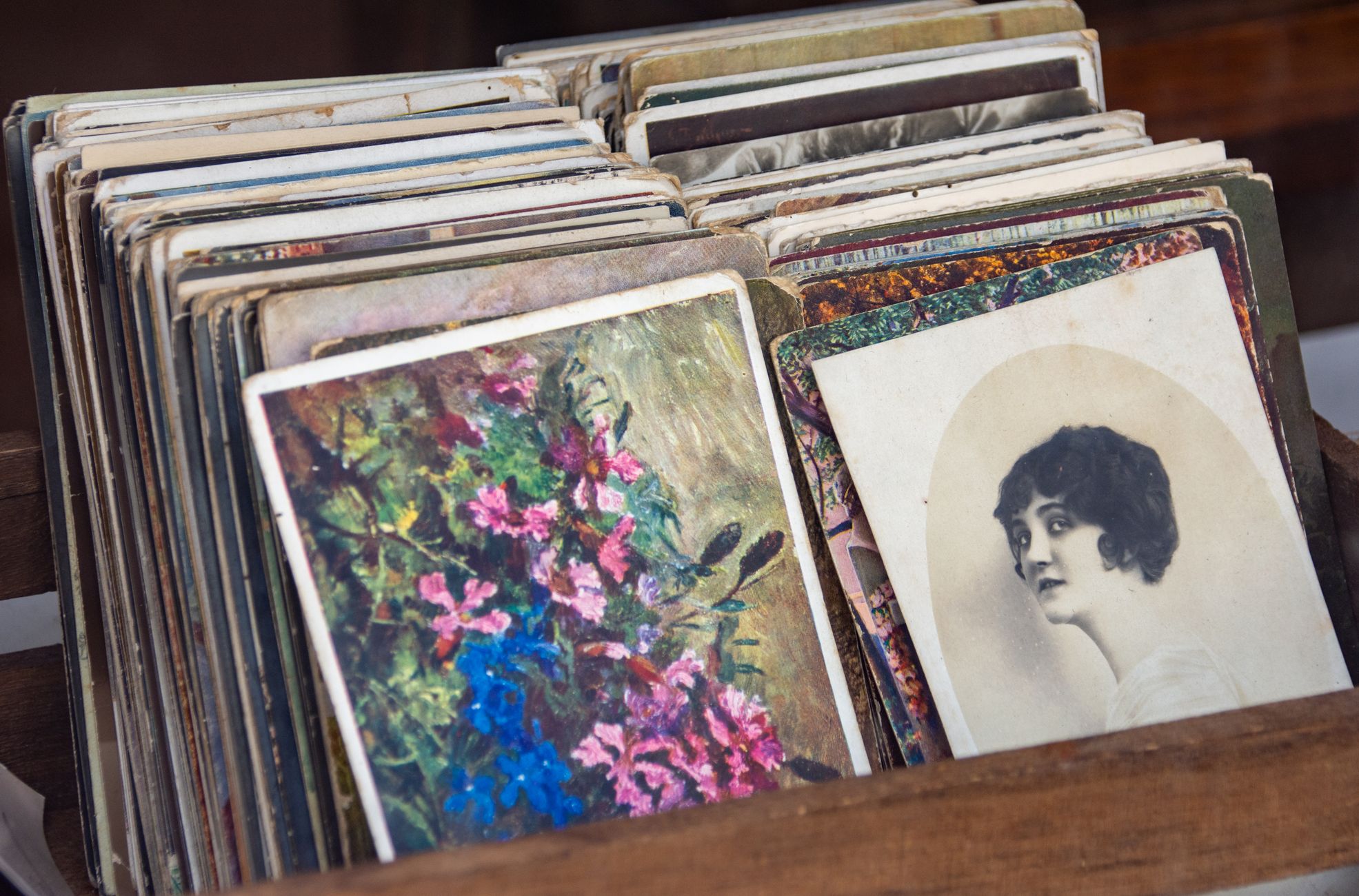
Somewhere in the back office there is a drawer, or a box, or a folder on an old laptop. Inside it are the photos from the beginning. The first storefront with the hand-painted sign. The original crew, younger, standing in front of the first truck. The first product, the first event, the day you opened the doors and hoped somebody would walk in.
Those photos are the most valuable content your business owns, and they are sitting in the dark.
Every business that has been around for more than a few years has this archive. Almost none of them post it. They think of it as history, something for the wall behind the register or the anniversary party. It is not history. It is proof, and proof is what strangers are looking for before they trust you.
Longevity Is A Sales Argument You Are Not Making
When a customer is choosing between you and somebody newer, the thing they cannot verify is whether you will still be here next year. A business that has been open fifteen years has already answered that question. But the answer only counts if the customer knows it.
The photo of the first storefront, next to the current one, says it in one image. Fifteen years, same people, still here. No caption needed. The customer sees it and the newer competitor stops being a serious option.
You have been making that argument to nobody. It is in the drawer.
The Archive Is A Content Series Waiting To Be Posted
Here is what is in that drawer, and what each item becomes.
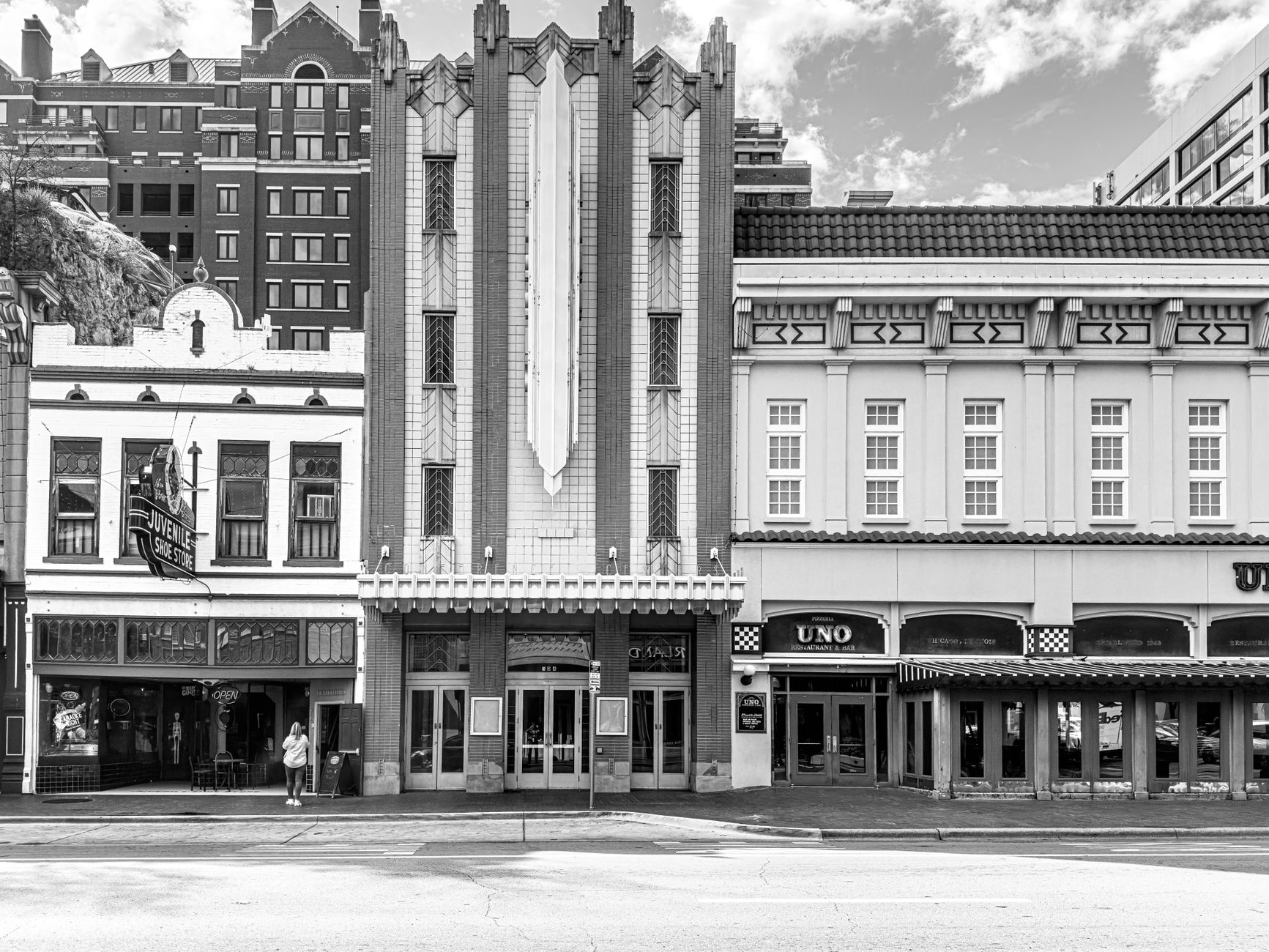
The first storefront becomes a then-and-now post. Old photo, current photo, one line. That goes on Facebook, where the people who remember the old sign share it, and on Instagram, where it stands out from every polished post around it.
The original crew photo becomes a story about who is still here. If two of those people still work for you, that is a clip. Sit them down for a minute, ask what the first year was like, post it.
The first product or the first job becomes a comparison with what you do now. What changed, what did not. That is a YouTube video and a Reddit post in the community for your trade, where people love origin stories from businesses that survived.
The old equipment, the old prices, the old logo, the first invoice. Each is a post. Each one says: we have been doing this a long time.
A single drawer easily holds a month of content. Twenty years in business easily holds a year of it.
Why Strangers Respond To Old Photos
Most business content is about right now. The current promotion, the current product, the current feed. It all looks the same, and it all looks temporary.
A twenty-year-old photo of the same business is different. It has texture. It shows a real place with a real history, which is exactly what people are hungry for in a feed full of businesses that appeared last month and will disappear next year. It stops the scroll because it does not look like an ad.
And it is nearly impossible to fake. A competitor can copy your current content. They cannot manufacture a photo from 2006.
Post It Everywhere, Not Just The Anniversary
Most businesses that do post the old photos do it once, on the anniversary, on one platform. A few longtime customers comment. Then it goes back in the drawer for another year.
That is one post on one platform for content that could carry seven. Every one of those photos works on Facebook, where local history gets shared. It works on Instagram, where a vintage photo cuts through. It works as a short clip on TikTok, YouTube Shorts, and Rumble, with the old photo dissolving into the new one. It works as a long YouTube video where you walk through the whole history. It works on Reddit, in your city's community, where people ask what businesses have been around the longest.
Same photo. Seven platforms. Seven different sets of people finding out you have been here for decades.
The Bad Years Are The Best Posts
The instinct is to post the flattering photos. The ribbon cutting, the first big order, the grand opening crowd. Post those. But the photos from the hard years are the ones people actually respond to.
The storefront during the recession with the half-empty lot. The winter the truck broke down and you delivered out of a borrowed van. The year you almost closed. If there is a photo of it, there is a post in it, and it will outperform every celebration shot you have.
The reason is simple. Everybody has had a hard year. A business that shows its hard year and is still standing is a business people root for. That is not a marketing trick. It is the truth, and it happens to be the most shareable thing you own.
Nobody shares a ribbon cutting. Everybody shares the one where you almost did not make it and did.
The Staff Who Were There Are Content Too
If anyone from the early years is still with you, they are the best part of the archive. Put them on camera for sixty seconds. Ask them what the first year was like, what the worst day was, what they thought the business would become. Show the old photo while they talk.
That clip does more than any before-and-after. It proves the people are real, the history is real, and the business treats its people well enough that they stayed. Strangers watching it want to buy from a place like that. New hires watching it want to work at a place like that.
And that person is standing in your building right now, probably not knowing anyone would care.
Scan It Before It Is Gone
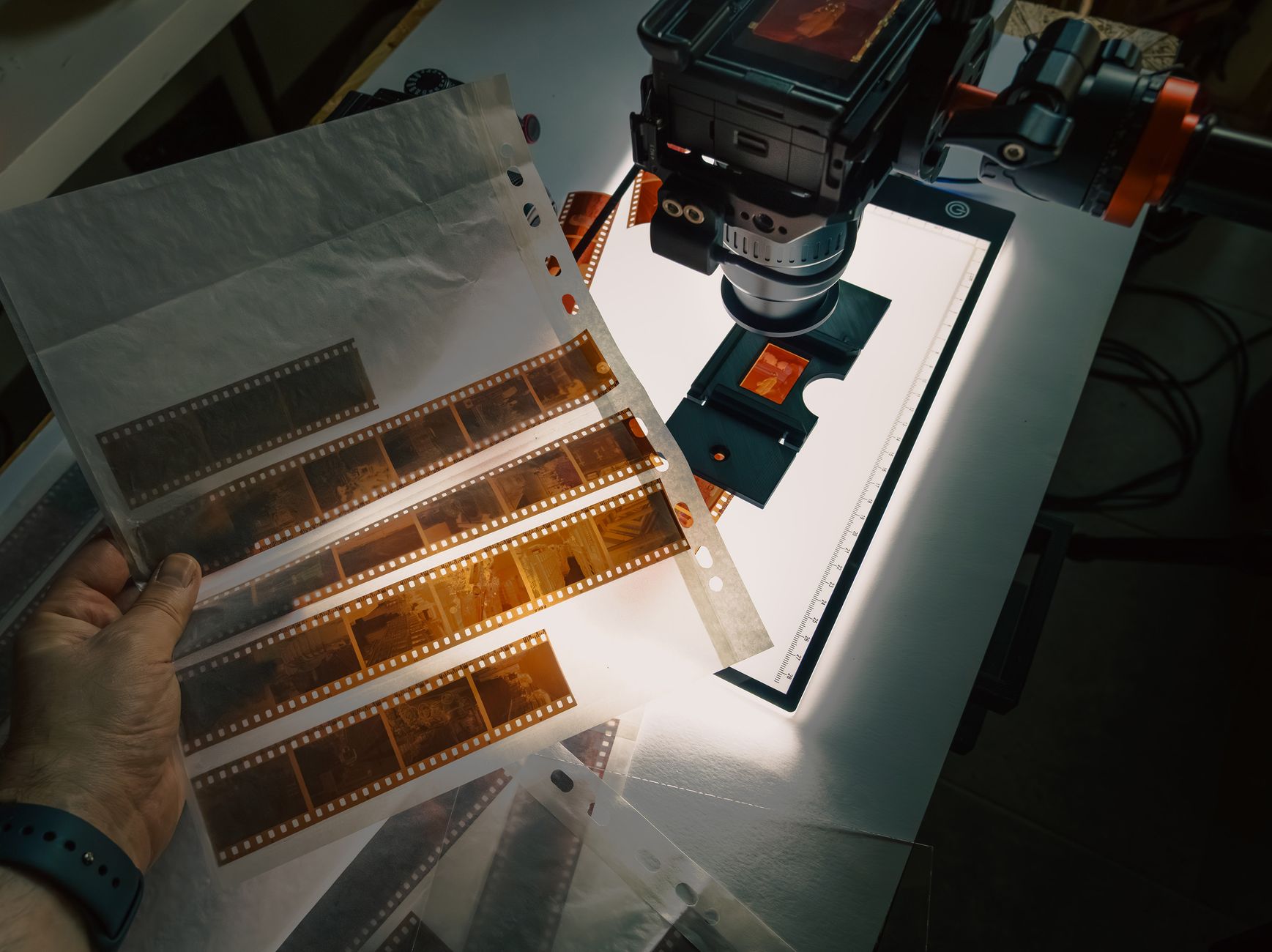
Practical note. Old photos degrade. Old hard drives fail. The person who knows where the box is retires. If the archive is not digitized, it is one bad day from disappearing.
Take an afternoon. Scan everything or photograph it with a phone. Put it in one folder. Then hand that folder to whoever handles posting with one instruction: this is a series, it runs all year, it goes everywhere.
You will get more from that afternoon than from any shoot you have ever paid for. A photographer can make the current business look good for a day. The archive makes twenty years of the business visible forever, and it costs the price of a scanner.
You Earned The History So Use It
You did the hard part. You survived the first year, the slow years, the bad year, whatever came. You are still here. That is something most businesses cannot say, and it is something every customer wants to hear.
It is in a drawer. Take it out. Put it on every platform. Let people see how long you have been showing up, and they will decide you are the safe choice before they ever call.
