
Your Flopped Video Has An Audience On A Feed You Avoid

You remember the Tuesday video. You had a good feeling about it. You posted it to your usual platform, and it just sat there. A few views, no traction, no comments worth mentioning. By Wednesday you had quietly filed it under failure and moved on, maybe a little discouraged, maybe questioning whether you have lost your touch. That video is now part of the evidence you cite when you tell yourself the work is getting harder.
But that video did not fail. It failed to connect with one crowd, on one platform, on one day. That is a very different thing, and the difference is not semantic. The video that flopped in your feed on Tuesday has an audience. Those people exist. They are just on a platform you refuse to open, waiting for exactly that video, and they will never see it because you decided its fate the moment one room stayed quiet. If that sounds like a waste, it is.
The refusal is the part worth examining. You do not neglect the other platforms by accident anymore. You actively refuse them. Someone told you Reddit was not worth it. You decided Facebook was for old people. You never got comfortable on YouTube. Rumble sounded like a niche you did not belong in. So you drew a line around your one platform and called everything outside it not for me. And behind that line sit the exact audiences that would have loved your Tuesday video.
A Flop Is A Mismatch, Not A Verdict
When a video does not land, there are two possible explanations and they lead to opposite actions. One, the video is genuinely weak. Two, the video is fine but it met the wrong crowd first. These look identical in your analytics, a low number is a low number, but they could not be more different in what they mean.
Most flops are the second kind. The video was fine. It was even good. It just happened to land in front of a crowd whose taste, or timing, or mood did not match it, on a platform whose algorithm decided in the first hour not to push it further. That is a mismatch. And the fix for a mismatch is not to delete the video and doubt yourself. The fix is to introduce it to a crowd it actually matches, which lives on one of the platforms you have refused to open.
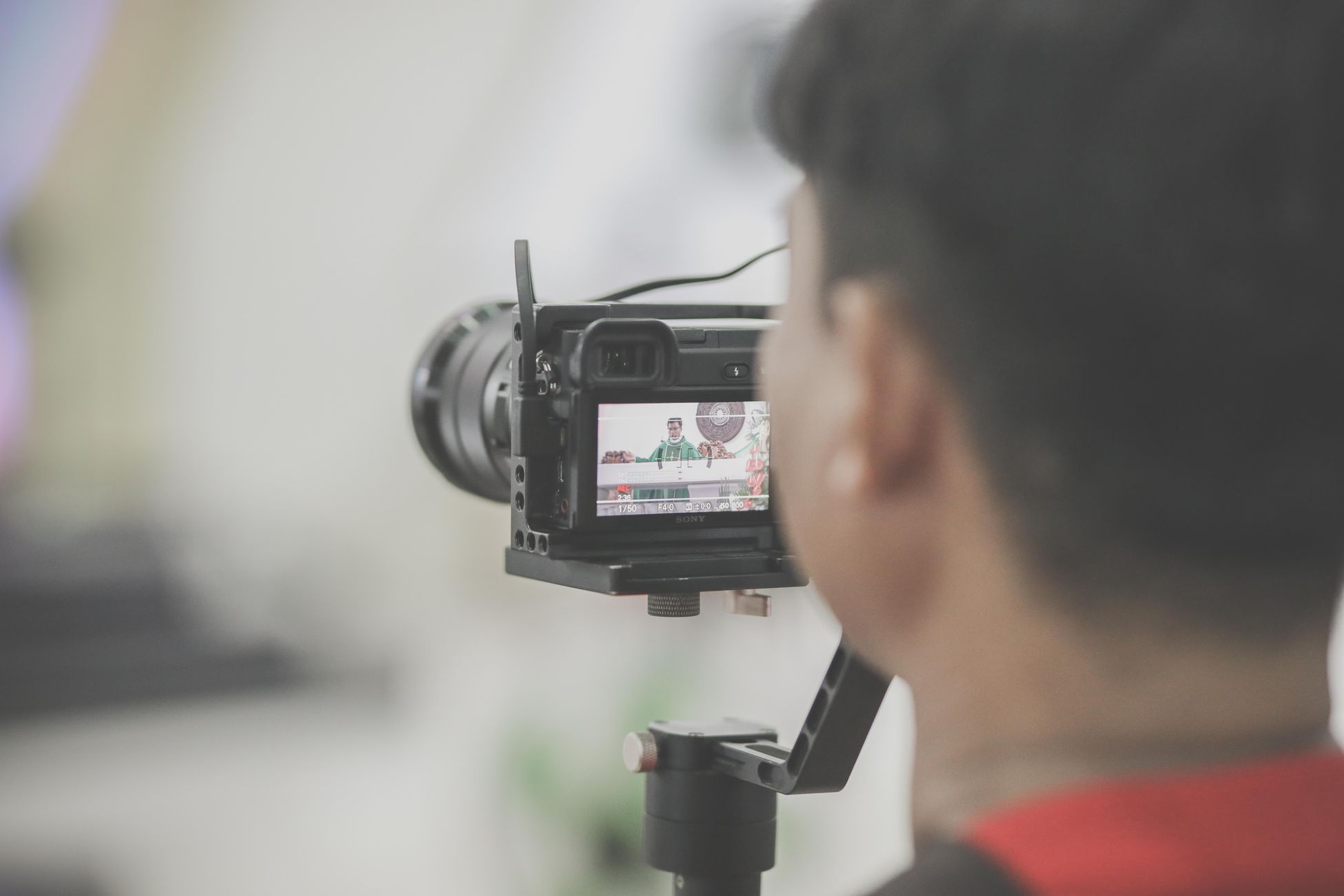
The Audience For That Video Is Real And It Is Elsewhere
Every video has a natural audience, a group of people for whom it is genuinely the right thing at the right moment. The whole game is getting the video in front of that group. When you post to only one platform, you are betting that your natural audience for this specific video is well represented in that one feed. Sometimes they are. Often they are somewhere else.
The clip that fell flat with your fast-scrolling main-app crowd might be perfect for the more patient audience on YouTube, where people search for depth and stick around. The topic that felt too niche for your broad feed might be exactly what a focused Reddit community has been discussing all week. The style that got scrolled past on one platform might be native and natural on another. The audience is not missing. It is elsewhere, on a feed you have decided not to open, which means you have decided not to reach them. Opening those feeds and matching each video to the crowd waiting on it changes everything.
Refusing A Platform Is Refusing Its Audience
Be honest about what your refusal actually means. When you say you do not do Reddit, you are not making a statement about a website. You are turning away every buyer and every fan who lives there. When you say Facebook is not for you, you are dismissing an enormous, active, and frequently older and wealthier audience because a UI feels dated to you. Your personal preference about a platform has nothing to do with whether your customers are on it, and they very often are.
This is the quiet cost of drawing that line around one app. It feels like focus and taste. It is actually a wall between your work and most of the people who would want it. Your Tuesday video did not have a small audience. It had a normal-sized audience that you walled off by refusing to enter the rooms where they were sitting.

Your Refusal Is Really Just Discomfort In Disguise
Be honest about where the refusal actually comes from. It is rarely a real analysis of where your customers are. It is discomfort. A platform feels unfamiliar, so you avoid it and call the avoidance a strategy. YouTube feels like it demands more, so you tell yourself it is not your thing. Reddit has its own culture you have not learned, so you decide it is hostile. Facebook feels like a place you left behind, so you write it off as irrelevant. None of these are conclusions about your buyers. They are just the friction of learning a new room, dressed up as a business decision.
The problem is that your comfort and your customers' locations have nothing to do with each other. Your buyers do not gather on the platforms that happen to feel easy to you. They gather where they gather, and some of the biggest concentrations of them sit on the exact platforms you find most uncomfortable. Every time you let that discomfort make the call, you are optimizing your content strategy around your own ease instead of around where the money is. The Tuesday video did not flop because its audience does not exist. It flopped because the one room you are comfortable in was the wrong room for it, and the right room is one you keep avoiding because it feels like work to learn.

Open The Feed You Have Been Refusing
The next time a video flops, resist the reflex to file it under failure and doubt your instincts. Ask the better question. Which crowd would this have been right for, and where do they actually spend their time. Then get the video in front of that crowd, on that platform, in the format that platform prefers. You will be shocked how often a Tuesday flop becomes a Thursday hit somewhere you were not looking.
You are making good videos. The flops are not proof that you are losing it. They are proof that you are showing every video to the same room and accepting that room's reaction as the whole story. The audiences that would have carried those videos are real, and they are sitting on the platforms you keep refusing to open.
Open them. Give every video a shot at the crowd it was actually made for, instead of retiring it the moment one feed shrugs. The work is already good enough. It just needs to meet the people it was meant for, so your flops stop being dead ends and start finding their people.
