
You Printed Flyers For A Neighborhood That Already Scrolls Six Feeds
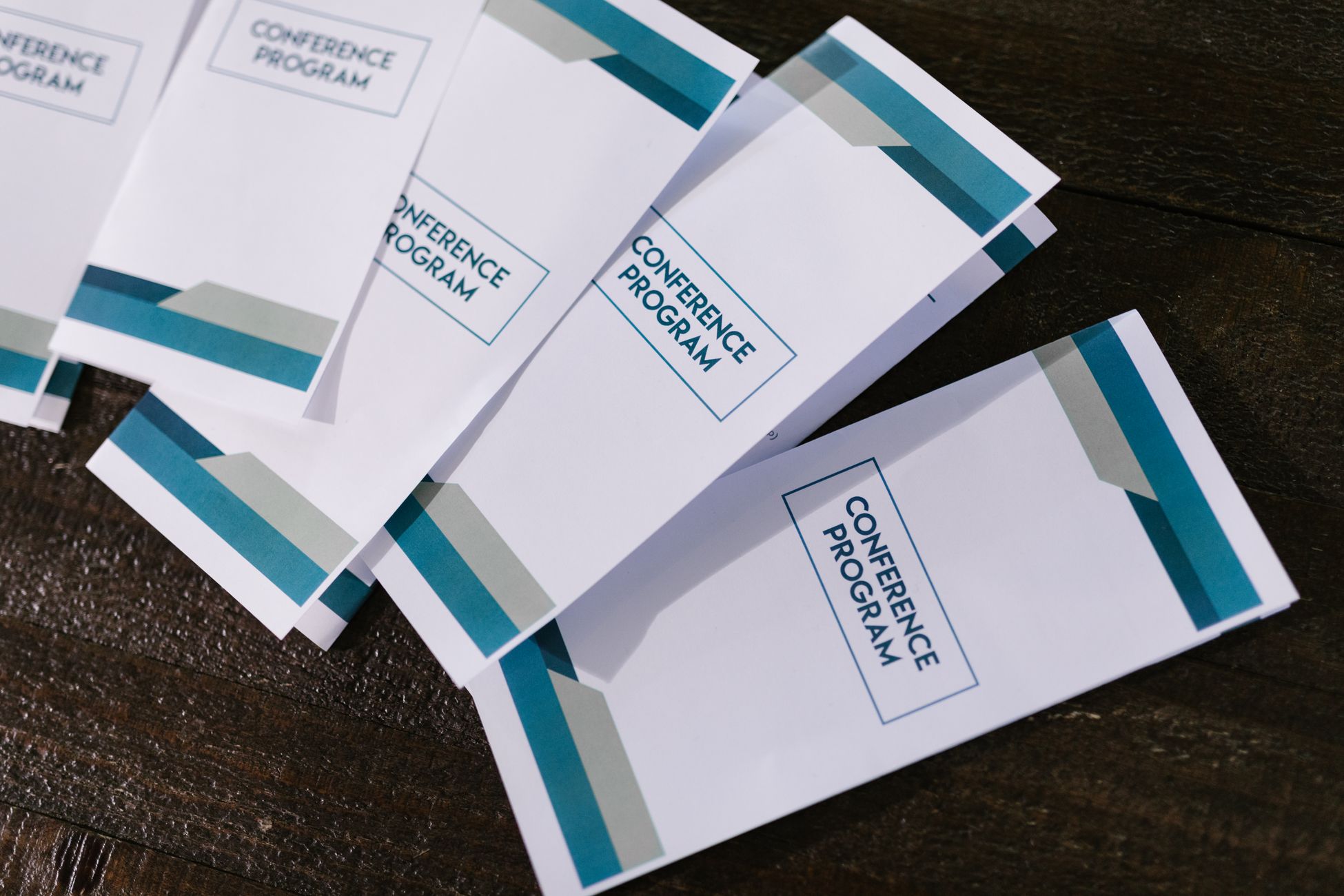
Five thousand flyers, full color, one sided. A guy walked them into mailboxes over four days. The whole thing cost you somewhere around eleven hundred dollars once you counted printing, design and the labor.
You got nine calls. Two booked. You told yourself that was roughly break even and filed it under marketing that sort of works, and you will probably do it again next spring because it feels like doing something.
Every household that got that flyer has at least one person scrolling video for two hours a day. You paid eleven hundred dollars to reach them through the one channel they have actively trained themselves to ignore, while the channels they voluntarily stare at sat there free and empty.
The Flyer Is Not Wrong, The Delivery Is Expensive
Be fair to the flyer. It carried a real message, it hit a defined geographic area, and it produced two customers. That is not nothing.
The problem is what it cost per attempt and what it could never do. Eleven hundred dollars bought one impression per household, delivered into a stack of mail that gets sorted over a trash can. No second chance, no way to know who looked, no way to follow up with the person who almost called, and no residual value the day after it landed.
Compare that to a video. It costs you an hour to make. It gets served repeatedly rather than once. It can be watched, replayed, sent to a spouse, saved for later. It tells people what you are like, not just what you charge. And once made, sending it to a seventh platform costs the same as sending it to the first, which is nothing.
You are not choosing between marketing and no marketing. You are choosing between an expensive single impression and a cheap repeated one.

Local Does Not Mean Offline Anymore
The mental model behind print is that local reach requires physical presence. Mailboxes, signs, door hangers, the sponsored banner at the ballfield.
That was true a while ago and it is not true now. Every platform you already know how to use serves content geographically. Facebook still runs on neighborhood groups and local pages where somebody asks for a recommendation every day. Instagram surfaces nearby accounts. TikTok pushes local content to local people more aggressively than most business owners realize. YouTube gets found by anybody searching your category with a city attached. Reddit has a subreddit for your metro area where vendor threads run constantly.
That is six local channels, all free, all repeatable, none of which require a printer or a person walking in the rain. The neighborhood you paid to reach by mail is already reachable through a phone that is in their hand right now.
The Flyer Says What You Do, Video Shows It
There is a limit on print that has nothing to do with cost. A flyer can make claims. It cannot demonstrate anything.
Somebody reading a card that says quality work and fair prices has no way to evaluate either statement. Every competitor's flyer says the same words. So the reader defaults to price or to throwing it away, because there is no other information available to them.
Thirty seconds of footage of the actual work does something print physically cannot. It shows the standard, the process, the care, the finished result and the person doing it. That is the entire trust problem solved in half a minute, and it is why a modest video from a real business beats a professionally designed flyer for the same audience.
You already own the ability to make that footage. It is in your pocket and the work is happening in front of you every day.
Eleven Hundred Dollars Buys A Lot Of Distribution
Run the comparison as an owner rather than as a marketer.
The flyer campaign is a one time expenditure that produces a one time set of impressions and then ends permanently. When it is done, you have nothing. No asset, no audience, no library, no compounding. Next spring you pay again for the same thing.
Content built and distributed across seven platforms behaves the opposite way. Each video stays up. The library grows. Search finds it later. Somebody discovers a video from four months ago and calls. Your presence next spring is larger than it is now without any additional spend, because you kept adding to something rather than repeatedly renting attention.
One of these is an expense and one is an asset. They cost about the same in year one. In year three they are not remotely comparable.

Nine Calls Is A Measurement Problem Too
Notice how little that campaign told you. Nine calls came in. You have no idea how many people read the flyer and did nothing, which street performed, which offer line worked, or whether the design mattered at all.
Print gives you one number at the end and no way to improve. You cannot iterate on something you cannot observe, which is why the next flyer will be roughly the same flyer and produce roughly the same result.
Video across seven platforms gives you the opposite. You learn which message holds attention, which one gets saved, which one gets shared, and which platform sends people who actually call. Every piece is a test that costs nothing to run and tells you something usable about the next one. After a quarter of that, you know your market better than any print campaign could ever teach you.
The Reason Print Feels Safer
Business owners keep buying print for an understandable reason. It is finished. You approve a design, write a check, and it is done. There is no ongoing obligation and no learning curve.
Content feels like the opposite. It is never finished, it requires showing your face, and the part everybody dreads is the endless uploading. That last part is the real objection dressed up as the first two. Nobody minds filming a thirty second clip of work they are proud of. What they mind is the idea of doing that plus seven uploads a day for the rest of their working life.
So print keeps getting purchased, not because it outperforms, but because it terminates. That is a real preference and it deserves a real answer, which is making the distribution part terminate too. Film it, hand it off, done. Same finality as a flyer, with none of the ceiling.
Keep The Flyers If You Want, But Not Instead Of This
None of this requires you to abandon print. If door hangers work in your market, keep them. Physical marketing still does things digital does not, particularly for immediate neighborhood awareness.
But it should never be your primary channel while six feeds covering the same households sit unused. That is paying premium rates for the least effective version of what you are trying to do.
The businesses winning locally right now are not the ones with the nicest flyers. They are the ones the neighborhood keeps seeing, over and over, in the feeds they scroll at night, until calling them feels like the obvious choice rather than a risk.

Post Once, Land Everywhere
Multipost Digital publishes your content across 7 or more platforms so the same neighborhood you were mailing sees you repeatedly, for the cost of filming, without you managing seven uploads after a full day of work.
You already paid eleven hundred dollars to get into their mailbox. Getting into their feed costs an upload, and they actually look at that one.
