
The Content You Already Have Is Sitting on One Platform When It Could Be on Seven
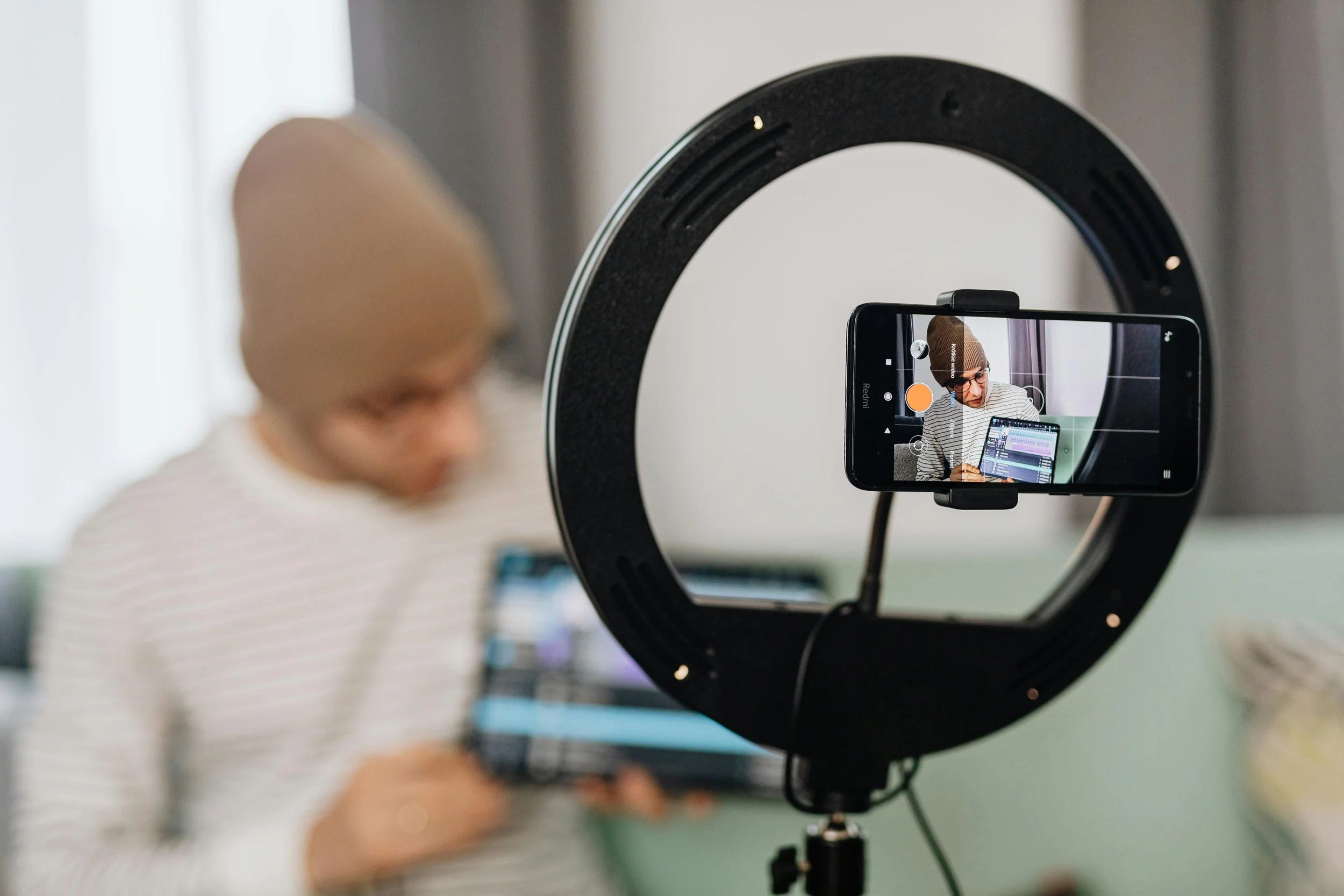
You made the video. You spent time on the lighting, the hook, the edit. Maybe you wrote a caption that actually took some thought. You posted it, watched the views roll in (or maybe trickle in), and then you moved on to making the next piece of content. Here is the problem: that video you worked so hard on is living its entire life on one platform while six other platforms never even got to see it. That is not a content strategy. That is leaving reach, followers, and revenue sitting on the table every single week.
If you are a creator, a brand, or a business owner trying to grow on social media, you have probably heard the phrase "repurpose your content" about a thousand times. But hearing it and actually doing it are two very different things. Most people know they should be posting across multiple platforms. Almost nobody actually does it consistently. The ones who do? They grow faster, build bigger audiences, and spend less time stressed about the content hamster wheel. If you want to stop leaving that reach on the table, this is exactly what Multipost Digital was built to do.
This post is going to break down why your single-platform approach is quietly costing you, what multi-platform posting actually looks like in practice, and how to think about your content differently so you can get more out of everything you already create.
Why Most Creators Stay Stuck on One Platform
The honest answer is that it feels like a lot of work. You are already producing content, already editing, already managing comments and analytics and trends. The idea of also maintaining a TikTok, a YouTube channel, an Instagram Reels presence, a Facebook page, a Rumble account, and a Reddit profile at the same time sounds exhausting. So you pick the platform where your audience already is and you focus there. That makes sense on the surface, but it creates a serious long-term problem.
Social media platforms are not permanent. They change their algorithms constantly. They throttle organic reach. They rise and fall in popularity. Entire platforms get banned or disrupted. If you have built your entire audience on one platform and that platform changes the rules, you are starting over. Creators who learned this lesson the hard way during algorithm shifts on Instagram, or who watched their Facebook page reach collapse years ago, understand this better than anyone. Spreading your presence across multiple platforms is not just a growth strategy. It is a risk management strategy.
Beyond the risk angle, there is the simple math of reach. Every platform has a different audience. The people watching TikTok are not always the same people scrolling Reddit. The audience that finds you on YouTube might never open Instagram. When you post on only one platform, you are only ever talking to a fraction of the people who would genuinely connect with your content if they ever got the chance to see it.

What Repurposing Actually Looks Like (Not the Watered-Down Version)
People often think repurposing means copying and pasting the same post everywhere and calling it a day. That is not really repurposing. That is spam. Real repurposing means understanding that different platforms have different formats, different cultures, and different expectations, and then adapting your content so it fits naturally in each environment.
A long-form YouTube video can become a short-form clip for TikTok and Instagram Reels. That same clip can be posted to Facebook with a slightly different caption written for that audience. A podcast episode can become a series of short audiogram clips. A tutorial video works well on Rumble, where audiences tend to appreciate educational and alternative content. A hot take from your video can become a Reddit thread that drives real conversation and links back to your full content. One piece of content, built with some intention, can genuinely live on seven or more platforms without feeling repetitive or low-effort.
The key is knowing what each platform wants. TikTok rewards fast hooks and personality. YouTube rewards depth and watch time. Instagram Reels rewards aesthetic and trend-awareness. Facebook rewards community-feel and shareability. Rumble rewards consistency and non-mainstream topics. Reddit rewards authenticity and adding real value to a conversation. When you understand those differences, the same underlying idea can be packaged differently for each space, and it feels native to each platform rather than like an obvious copy-paste job.
The Compounding Effect Nobody Talks About Enough
Here is what happens when you commit to multi-platform distribution over time: your content starts compounding. A video you posted three months ago on YouTube is still being discovered through search. A Reddit post you made six weeks ago is still driving traffic. A TikTok that sat quiet for two weeks suddenly gets picked up by the algorithm and blows up. When your content exists in more places, you have more chances for that random algorithmic moment to happen. You are playing a numbers game, and the more places your content lives, the better your odds.
Single-platform creators often feel like they are constantly pushing a boulder uphill because they are. Every new piece of content has to do all the heavy lifting itself. Multi-platform creators build something different. They build a web of touchpoints across the internet that keeps working for them even when they are not actively posting. That is the difference between a grind and a system.
The Time Problem (And How to Actually Solve It)
The biggest objection to multi-platform posting is always time. And that objection is fair because if you are doing it manually, it genuinely does take a lot of time. Logging into seven different platforms, resizing thumbnails, writing platform-specific captions, scheduling posts, monitoring comments across every channel, keeping up with each platform's latest format requirements. That is a part-time job layered on top of the content creation work you are already doing.
This is exactly why working with a team that specializes in this matters. When you have someone handling the distribution and scheduling side of things, you get to stay in your zone: creating. You film the video or record the episode or write the piece of content, and someone else handles making sure it shows up on TikTok, YouTube, Instagram Reels, Facebook, Rumble, Reddit, and wherever else your audience might be waiting. Multipost Digital handles the entire cross-platform posting process so you can focus on creating without the management headache.
The math is simple. If a piece of content takes you two hours to create and another two hours to distribute manually across seven platforms, you are spending half your content time on logistics. Cut the logistics, and you get twice as much time to create better content or just get your time back. Both outcomes are good.
Platforms You Might Be Ignoring (That Have Real Audiences)
Most creators have a mental shortlist of "important" platforms and everything else gets ignored. TikTok and Instagram Reels tend to dominate the conversation right now. YouTube gets included because everyone knows it matters for search. But what about the others?
Rumble has grown substantially as a video platform with a very engaged user base that actively looks for content outside the mainstream. If your content touches on news, commentary, business, health, finance, or anything with a skeptical-of-mainstream-media angle, Rumble audiences are looking for exactly what you make. Facebook still has billions of users and its video and Reels features continue to drive significant organic reach, especially for older demographics and community-based content. Reddit is one of the most underused platforms for content creators even though it has massive, niche-specific communities that will engage deeply with the right content. A well-placed post in the right subreddit can drive more meaningful engagement than a viral TikTok.
These platforms are not consolation prizes. They are real audiences who are actively using the platform you are ignoring.
Starting With What You Already Have
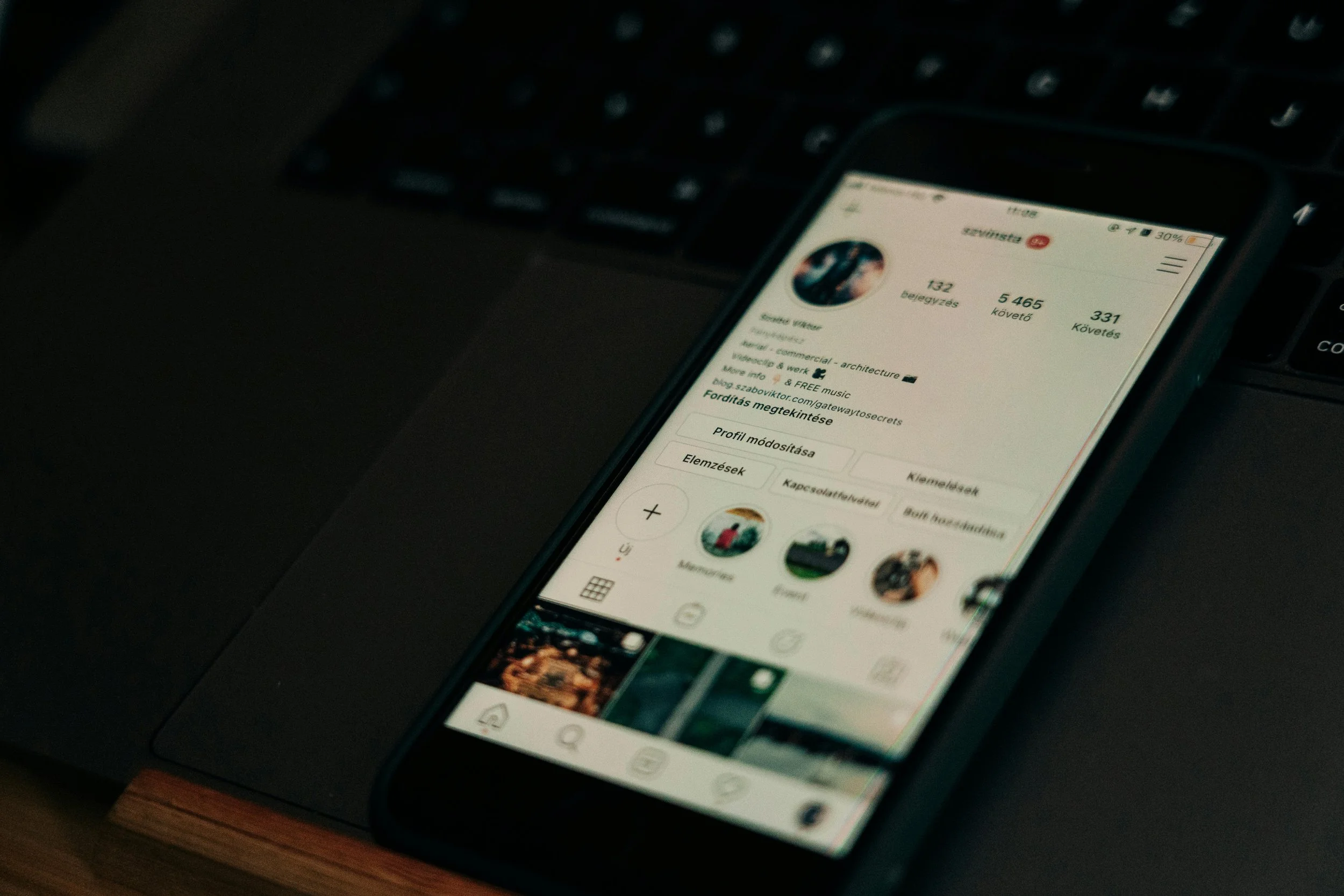
You do not need to go create a month's worth of new content to start a multi-platform strategy. You probably have a library of existing content sitting on your main platform right now. Old videos, posts, clips, and tutorials that performed well at one point and then just went quiet. That content can be pulled, reformatted, and distributed across six other platforms starting today.
Going back through your best-performing content and redistributing it is one of the highest-leverage moves a creator or brand can make. The people on Rumble have never seen your six-month-old tutorial. The Reddit community in your niche has never come across your explainer video. Your Facebook audience missed the short clip that went mildly viral on TikTok. Your back catalogue is not dead. It is just waiting to find a new audience.
Think of every piece of content you have ever created as an asset. Right now, most of those assets are sitting in storage. Multi-platform distribution is how you put them to work.
What Growing Across Seven Platforms Actually Does for Your Brand
When you show up consistently across multiple platforms, something shifts in how people perceive you. You start to feel everywhere. A potential customer sees your TikTok, then stumbles across your YouTube, then finds you on Instagram. That repeated exposure builds trust faster than showing up in one place ever could. It signals that you are serious, that you are active, that you are a real presence worth paying attention to.
For businesses especially, this matters enormously. Buying decisions are often made after multiple touchpoints. If someone keeps encountering your brand across different platforms over a few weeks, they are far more likely to reach out, buy, or follow up than someone who saw a single ad once. Multi-platform presence is essentially a long-form trust-building campaign that runs quietly in the background of your entire content operation.
Creators building a personal brand benefit the same way. The creator who is on TikTok, YouTube, Instagram, and Reddit simultaneously is not working four times as hard as the creator on one platform. They are working roughly the same amount while building an audience that is four times larger and far more resilient to any single platform's algorithm changes.
Stop Waiting for the Perfect System Before You Start
A lot of creators know they should be posting on more platforms but they keep waiting until they have the perfect workflow figured out. They want a seamless system before they start. Here is the reality: the perfect system gets built through doing, not through planning. The creators who grow fastest are the ones who start before they feel ready and optimize as they go.
You do not need to be everywhere perfectly. You need to be somewhere consistently. And then somewhere else. And then somewhere else. Each platform you add to your distribution strategy is another channel through which people can find you, follow you, and eventually trust you enough to buy from you or recommend you to someone else.
The content you already have is sitting on one platform when it could be on seven. The audience that could be following you right now just has not found you yet because you have not shown up in the places they spend their time. That is a solvable problem, and it does not require you to work more hours or produce more content. It just requires a smarter approach to distribution.
