
The Talk You Gave Reached One Room And Then Disappeared

You prepared for three weeks. You built the deck, rehearsed the open, cut the slide that was not landing, and stood up in front of a hundred and twenty people who paid attention for forty minutes. Some of them came up afterward. Two of them became clients. It was, by any honest measure, the best work you did that quarter.
And then it ended, and the room emptied, and that talk stopped existing.
Somebody probably recorded it. It is sitting on a phone, or on the event organizer's hard drive, or in a Dropbox link that expired. Maybe you posted one photo of yourself on stage with a caption thanking the organizers. That photo got sixty likes from people who already know you, and the forty minutes of your actual best thinking reached exactly the number of people who could physically fit in that room.
You Do The Hardest Part And Skip The Cheapest Part
Speaking is expensive. Travel, prep time, the anxiety tax, the day you lose to it. You paid all of that. The marginal cost of taking the recording and putting it in front of fifty thousand more people is close to zero.
That is the pattern almost every operator repeats. Enormous effort on creation, no effort on distribution, and then confusion about why the business is not growing faster. You did not have a content problem that day. You produced forty minutes of category expertise in a single sitting. You had a distribution problem, and it ate the whole thing.
A hundred and twenty people is a good room. It is also a rounding error compared to what one clip from that talk can do on a platform with a hungry feed.
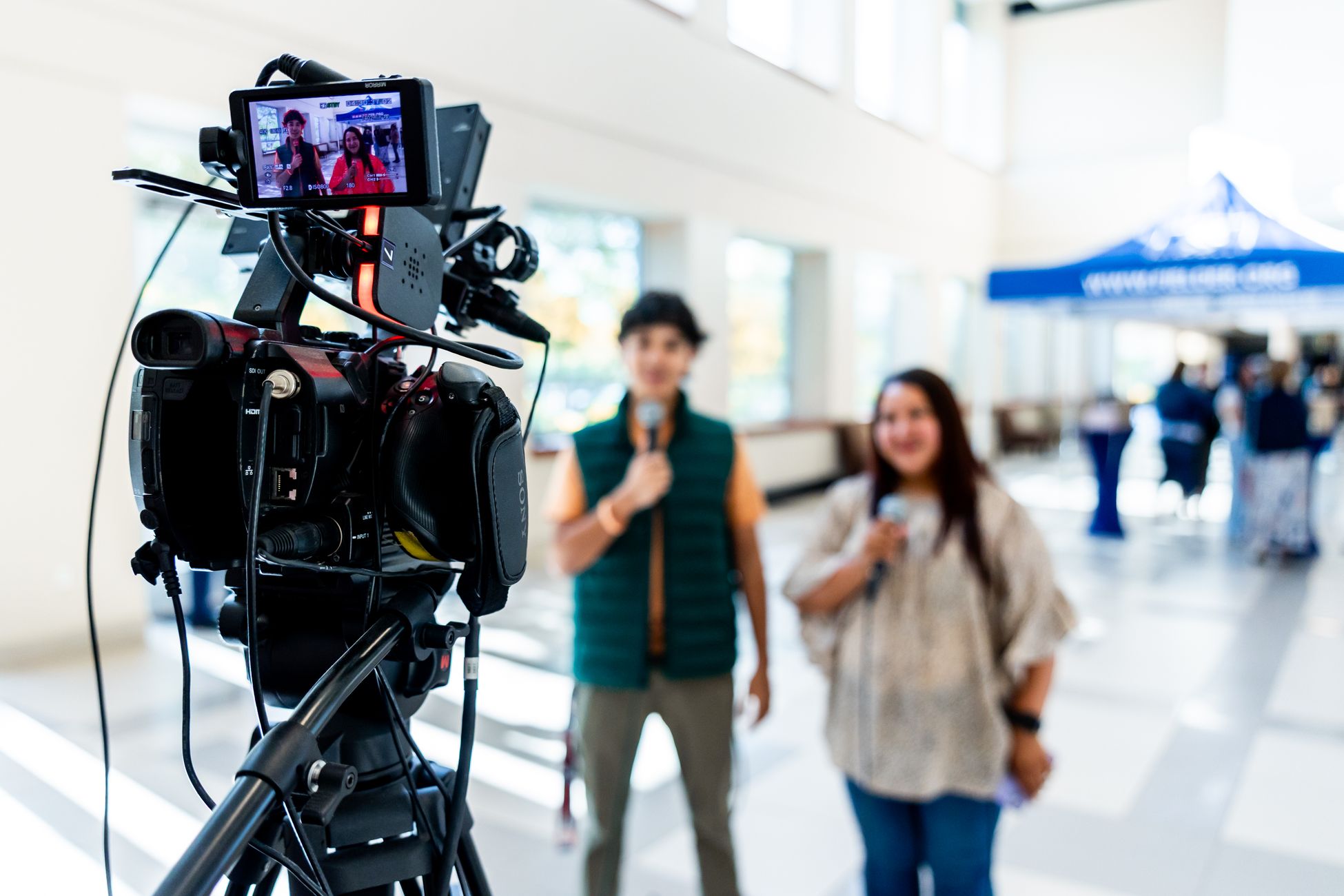
One Talk Is Not One Post, It Is Twenty
Here is what is actually sitting in that recording, assuming a standard forty minute talk with a Q and A:
The full session is a long-form YouTube upload. That is your searchable asset, the thing that shows up when somebody types your topic into a search bar two years from now.
The opening story is a standalone short. Every good talk starts with a hook that took you a dozen retellings to sharpen. That hook works just as well on its own.
Every framework you explained is a short. If you gave three, that is three.
Every time you said something the room reacted to, that reaction is on tape. Audience laughter and audible agreement are social proof you cannot fake in a talking-head video.
Every question from the Q and A is a short, and Q and A clips tend to outperform prepared material because the answer sounds unrehearsed.
Add it up and a single forty minute talk is comfortably fifteen to twenty pieces of content, plus the full recording, plus the slide deck as a carousel, plus the transcript as written posts. From one afternoon you already paid for.
Where Each Piece Should Land
The mistake people make when they finally do repurpose a talk is that they cut five clips and put all five on the one platform they already use. That is better than nothing and still leaves most of the value untouched.
The full recording belongs on YouTube, where long-form gets indexed and served to people searching your topic. Rumble takes the same file and puts you in front of an audience most of your competitors have abandoned.
The clips go to TikTok, Instagram Reels, YouTube Shorts, and Facebook, which still moves video better than the people who quit it in 2019 will admit.
The frameworks and the Q and A answers, written out, belong on Reddit in the subreddits where your topic is the entire reason the community exists. Reddit sends buyers. It does not send vanity metrics, it sends people who read a detailed answer and then look you up.
Same afternoon of work. Seven or more surfaces. None of it requires you to write anything new.

The Recording You Do Not Have Is A Policy Problem
If your first reaction reading this was that nobody filmed it, that is the fixable part. Set a rule: nothing you say in front of a group happens without a camera running. A phone on a tripod at the back of the room is enough. Audio matters more than picture, so clip a lav on or run a recorder in your pocket.
Event organizers will almost always say yes if you ask before the day. Half of them are already recording for their own archive and will hand you the file. Ask for it in writing when you accept the booking, not at the end of the night when everyone is packing up.
This applies to every group you talk to, not just conference stages. The internal training you ran. The webinar with forty attendees. The workshop for a client team. The panel you sat on. The podcast interview where you were the guest. All of it is footage. All of it dies in a folder unless somebody puts it in feeds.
The Second Life Is Longer Than The First
The talk lasted forty minutes. The clips from it will work for two years. That is the part operators underestimate.
A live audience is a one-time event with a hard ceiling on attendance. A clip is an asset that keeps getting served to new people every week, on every platform where it lives, long after you have forgotten you made it. Six months from now a short from that talk gets picked up by an algorithm on a random Tuesday and sends you three inquiries. You will have no memory of posting it.
That only happens if the clip exists in more than one place. On one platform, an old post is dead the week it stops performing. Across seven, each platform's algorithm surfaces it on its own schedule, which means the same clip gets multiple independent chances to catch.
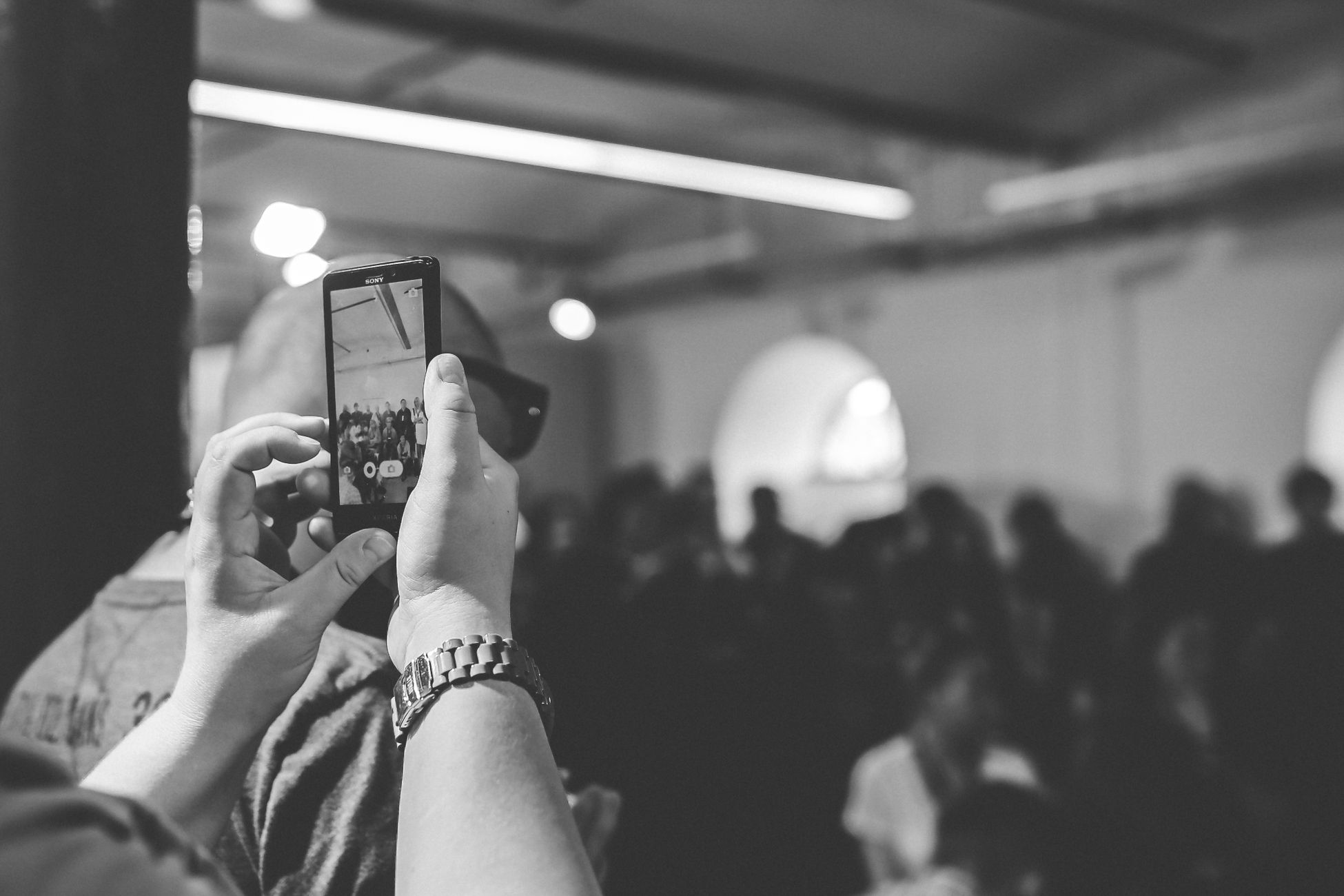
Stop Treating Live Work As Disposable
The people you consider more visible than you are usually not speaking more than you. They are speaking the same amount and publishing all of it. Every stage they step on turns into a month of content across every platform they run. You step on the same stages and turn them into one thank-you post.
That is not a talent gap. It is a workflow gap, and it is completely solvable.
The version of this that works looks boring: record everything, hand the file to a process that cuts it and pushes it out across TikTok, YouTube, Instagram Reels, Facebook, Rumble, and Reddit, and then go do the next thing. No hero effort, no motivation required, no forty minutes of manual uploading per clip.
Multipost Digital runs that layer for brands and creators who keep producing great work and keep letting it evaporate. You show up and speak. The recording turns into content that reaches everybody who was not in that room, which is almost everybody.
You already did the hard part in front of a hundred and twenty people. Let the other fifty thousand hear it.
