
The Hidden LinkedIn Mistake That Makes You Look Like a Beginner
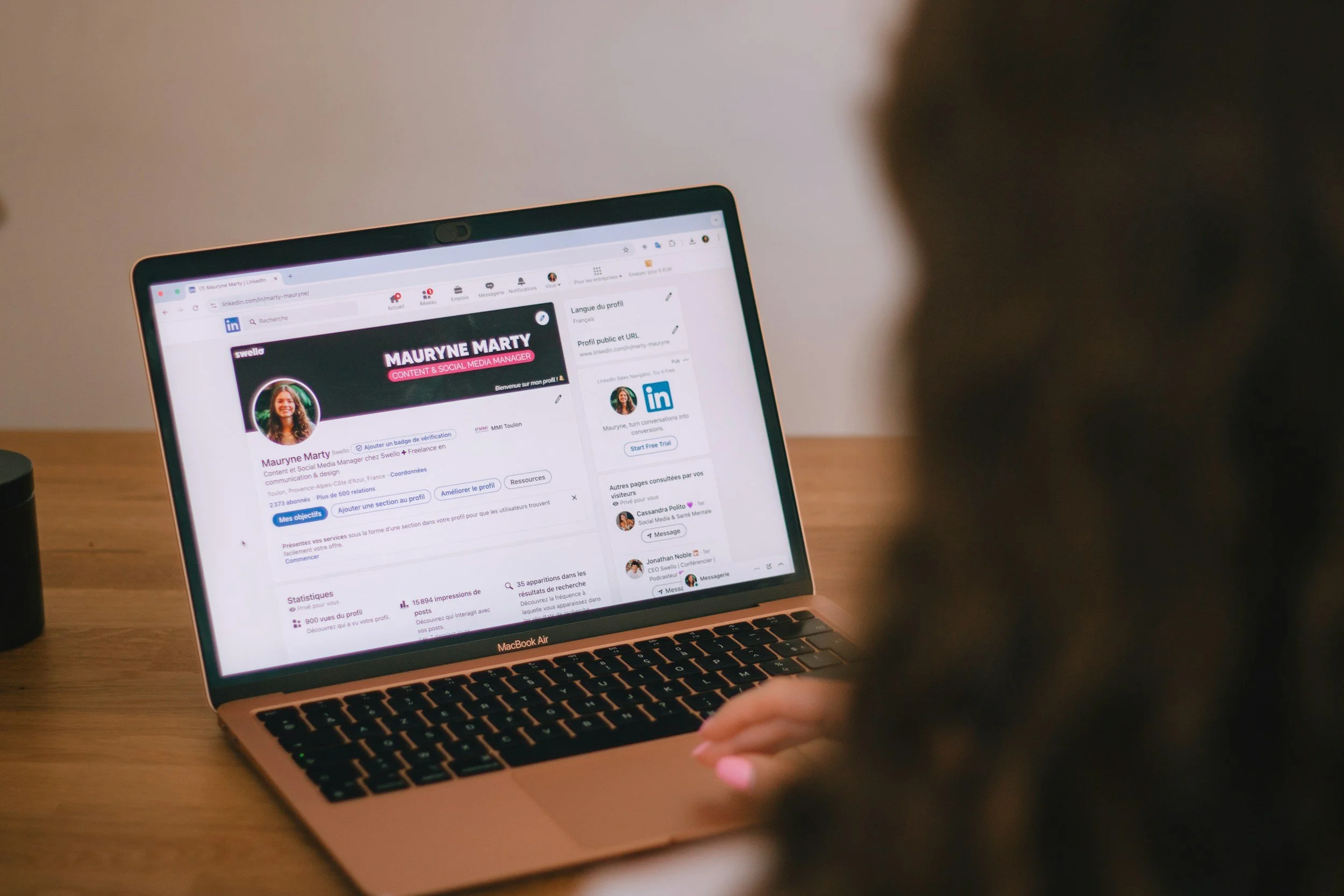
You could have years of experience.
A solid offer.
A profile that looks polished at first glance.
And yet, the moment someone lands on your LinkedIn, something feels off.
They scroll.
They skim.
They leave.
Not because you are unqualified.
Not because your ideas are weak.
But because of one subtle mistake that instantly signals “I am new at this.”
Most people never spot it.
And once you see it, you will never unsee it again.
At Multipost Digital, this is one of the first things we fix when someone asks why LinkedIn is not converting views into leads, conversations, or credibility.
Why LinkedIn Is Judging You Faster Than You Think
LinkedIn is not like Instagram or TikTok.
People do not browse it for entertainment first.
They browse it to evaluate.
Every profile visit is a silent interview.
Your headline.
Your banner.
Your About section.
Your recent posts.
All of it answers one question in seconds.
“Is this person worth listening to?”
If the answer is unclear, they move on.
No second chances.
And the biggest mistake beginners make guarantees that unclear answer every time.
The Mistake: Writing Your LinkedIn Like a Resume
This is the hidden killer.
You treat LinkedIn like a digital resume instead of a positioning tool.
You list roles.
You stack credentials.
You explain what you have done.
It feels professional.
It feels safe.
It feels correct.
And it absolutely destroys your impact.
Because resumes talk about the past.
LinkedIn is about perceived value right now.
When your profile reads like a job application, you look like someone waiting to be chosen, not someone people want to follow, hire, or trust.
That beginner energy is loud, even when the words are polished.
How This Mistake Shows Up on Your Profile
You might not even realize you are doing it.
Here is how it usually looks.
Your headline says:
“Marketing Manager | Content Specialist | Growth Enthusiast”
Your About section starts with:
“I am a dedicated professional with 10+ years of experience…”
Your experience section reads like bullet points pulled straight from HR software.
None of this is wrong on paper.
All of it is wrong for LinkedIn.
It tells people who you were employed by.
It does not tell them why they should care.
What Pros Do Differently on LinkedIn
Experienced LinkedIn operators do one thing beginners do not.
They flip the frame.
Instead of asking, “How do I describe myself?”
They ask, “What problem do I want to be known for solving?”
Their profile is not a history lesson.
It is a value declaration.
Within seconds, you know:
Who they help
What they help with
Why it matters
That clarity creates authority, even before a single post is read.
The Headline Test That Exposes Beginner Profiles
Here is a quick gut check.
Read your headline out loud.
Now ask:
Would this make a stranger think, “This person understands my problem”?
Or does it just label you?
Titles explain roles.
Value explains relevance.
When your headline only tells people what you are, you force them to guess why it matters. Most will not bother.

The About Section Trap That Kills Trust
The About section is where beginners double down on the mistake.
They write long paragraphs about themselves.
Their journey.
Their passion.
Their background.
It feels personal.
But it is backwards.
People do not read your About section to learn your story first.
They read it to see if you understand theirs.
If the first few lines are about you, not them, trust drops instantly.
The Shift That Instantly Levels You Up
Here is the fix, and it is simpler than most people expect.
You rewrite your LinkedIn around outcomes, not credentials.
That means:
Lead with the problem you solve
Name the result you create
Position your experience as proof, not the headline
This small shift changes how every visitor perceives you.
It moves you from “experienced employee” to “trusted expert.”
If you want us to rewrite your LinkedIn positioning so it attracts the right opportunities instead of repelling them, work with us here.
Why Posting Makes This Mistake Even Worse
Here is where it gets dangerous.
If your profile looks like a resume and you start posting, the mismatch becomes obvious.
You share opinions.
You give advice.
You comment on industry trends.
But your profile does not support the authority you are trying to project.
So people scroll back up.
They check who you are.
And the credibility collapses.
That is why some accounts post consistently and still feel invisible.
The content is not the problem.
The positioning is.

The Beginner Posting Pattern on LinkedIn
We see this pattern constantly.
Educational posts with no point of view.
Generic advice anyone could give.
Safe takes that offend no one and impress no one.
Why does this happen?
Because when your profile is framed like a resume, you subconsciously post like you are trying not to get rejected.
Experts post to lead.
Beginners post to blend in.
How to Rebuild Your LinkedIn the Right Way
Fixing this is not about becoming louder.
It is about becoming clearer.
Start here.
Rewrite your headline so it answers:
Who do you help and with what?
Rewrite your About section to start with:
The pain your audience feels before they work with you.
Then connect your experience as the reason you can solve it.
Finally, align your posts with that same problem and outcome.
When everything points in the same direction, authority compounds fast.
If you want us to handle this entire rebuild and align your profile and posting into one clear growth system, see how we work here.
Why This Mistake Is So Common
Most people were never taught to use LinkedIn this way.
They were taught to:
Be professional
List achievements
Avoid strong opinions
That advice works if you are applying for jobs.
It fails if you are building influence, leads, or inbound opportunities.
LinkedIn rewards clarity, not caution.
What Happens When You Fix This One Thing
When your profile stops looking like a resume, something interesting happens.
People read more.
They follow without being asked.
They message you first.
Your posts hit harder because your positioning supports them.
You stop chasing attention and start attracting it.
That is the difference between looking established and looking new, regardless of how long you have been in the game.
The Real Cost of Ignoring This
If you do nothing, LinkedIn will still work.
Just not for you.
It will quietly send opportunities to people who positioned themselves better, even if they are less experienced.
Not because they are smarter.
But because they understood this earlier.
Your Next Move
You can keep polishing a resume-style profile and hope people connect the dots.
Or you can rebuild your LinkedIn to communicate value instantly, before anyone clicks away.
At Multipost Digital, we do this every day for brands and professionals who want LinkedIn to work as a growth channel, not a digital filing cabinet.
If you are ready to stop looking like a beginner and start positioning like a leader, work with us here.
