
A Podcast Is the Most Underused Content Engine for Anyone Trying to Fill Seven Platforms
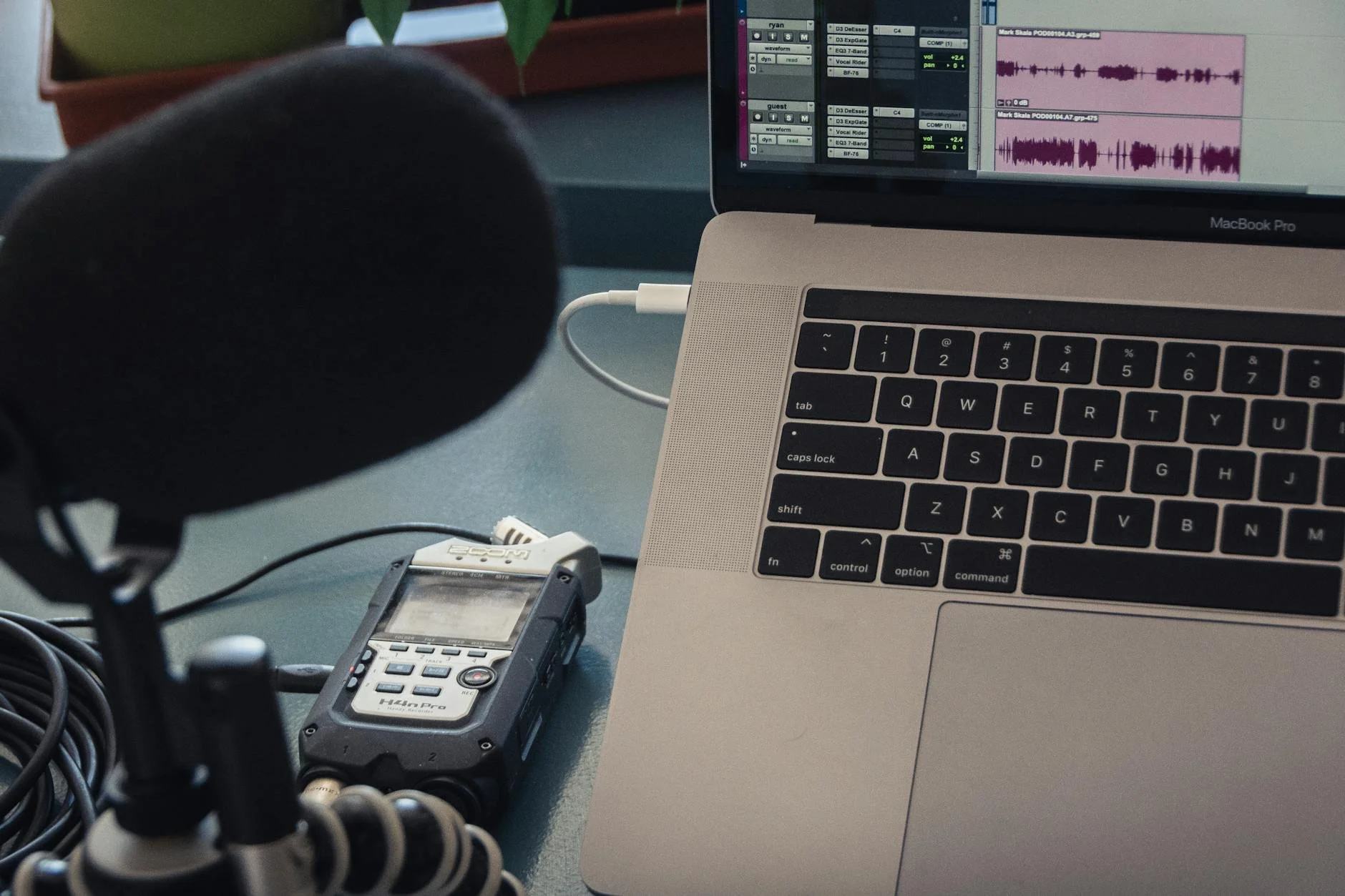
Most people start a podcast for the wrong reason. They picture a download chart, a sponsor read, maybe a guest who changes everything. Then they record ten episodes, watch the numbers crawl, and quit. The mistake is thinking of a podcast as a product. It is not a product. It is the single most efficient way to generate raw material for every platform you are supposed to be feeding. One hour of recording can become a week of posts across TikTok, YouTube, Instagram Reels, Facebook, Rumble, Reddit, and more. If you are trying to keep seven platforms alive and you are not recording conversations, you are doing the hardest version of content possible.
Here is the part nobody tells you. The bottleneck in content is almost never the idea. It is the raw footage. You can have a great topic and still stare at a blank screen because you have nothing to cut, nothing to caption, nothing to clip. A podcast solves that at the source. Two people talking for sixty minutes will naturally produce ten to fifteen moments worth pulling out. You did not have to script those moments. They happened because you were in a real conversation. That is the cheapest footage you will ever make.

Think about the math for a second. A solo creator who shoots one talking-head video gets one piece of content. Maybe they cut a thirty-second clip from it. That is a poor return on the effort of setting up a camera, doing your hair, and finding good light. Now compare that to an hour-long episode. You walk away with the full long-form video for YouTube, six to ten vertical clips for TikTok, Reels, and Rumble, an audio file for the podcast feeds, three or four written threads for Reddit and Facebook, and enough quotes to fill a week of graphics. Same setup. Same hour. Ten times the output. The podcast is not competing with your short-form. It is the factory that produces your short-form.
Why Long-Form Beats Scripted Clips Every Time
When you script a short video, you are performing. The energy is forced because you know the camera is on and you are trying to hit a hook in the first three seconds. Audiences feel that. When you are mid-conversation and you say something true without thinking about it, that is the clip that travels. The best short-form clips on the internet are almost never planned. They are accidents pulled from longer talks. A podcast manufactures those accidents on purpose. You set up the conditions for honest, unscripted moments, then you go hunting for them in the edit.
There is also a depth problem with clip-first content. If all you ever make is thirty-second videos, you never build a real argument. You never earn the trust that comes from someone hearing you think out loud for forty minutes. The long-form episode does the heavy lifting on trust. The clips do the heavy lifting on reach. You need both, and a podcast is the only format that gives you both from one sitting. Lead with reach to get found, back it up with depth to get believed.

The Real Work Is Distribution, Not Recording
Recording the episode is the easy part. The reason most podcasts die is that the creator records, edits a long video, posts it to one platform, and stops. They treat the episode as finished the moment it goes up on Spotify. That is leaving ninety percent of the value on the table. The episode is not the finish line. It is the starting inventory.
The growth does not come from the episode existing. It comes from the episode being cut, captioned, reformatted, and pushed to every place your audience might be scrolling. Someone who would never search for your podcast will stop on a clip in their Reels feed. Someone who ignores Instagram will catch the same moment on Rumble or Reddit. The clip is the trailer and the full episode is the movie. You do not sell tickets by hiding the trailer. You put it everywhere.
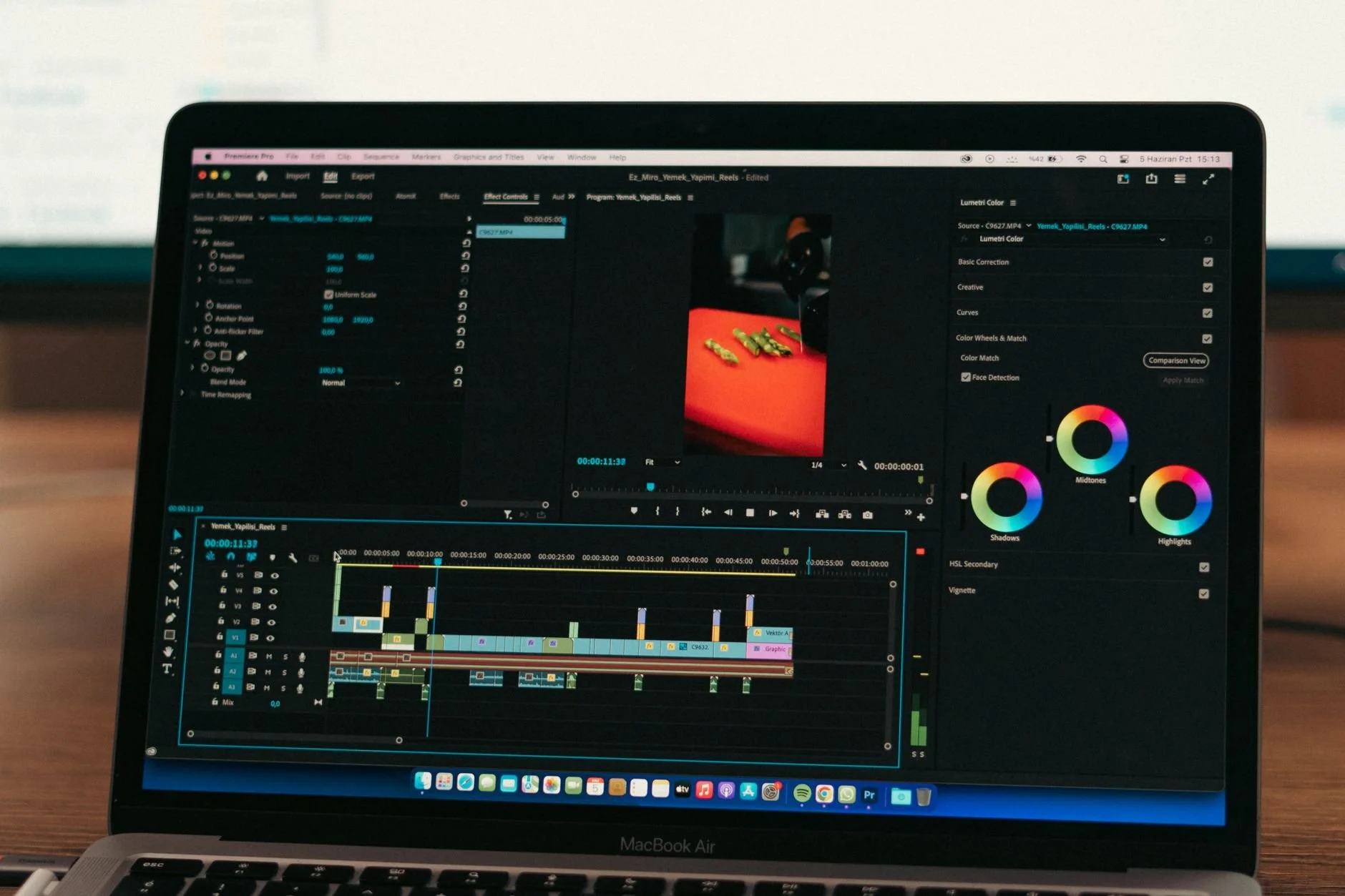
This is exactly where most operators run out of time. Cutting one episode into a dozen platform-ready pieces, writing native captions for each platform, and posting on the right schedule across seven feeds is a full job. It is the kind of work that eats your week and pulls you away from the actual recording. That is the part worth handing off.
Hand the cutting and crossposting to our team
One Episode, Every Platform, Native Each Time
Crossposting badly is worse than not posting at all. You cannot take a sixteen-by-nine YouTube clip, slap it on TikTok with black bars on the sides, and expect it to perform. Each platform has its own shape, its own caption style, its own pacing. TikTok wants a fast hook and a vertical frame. YouTube wants a clean thumbnail and a title that promises a payoff. Reddit wants you to talk like a person, not a brand. Facebook skews older and rewards a clear point. Rumble has its own audience that other creators ignore, which means less competition for the same clip.
The repurposing job is reformatting the same core moment so it feels native to each place it lands. That is detailed, repetitive work, and it is exactly the kind of thing that should run as a system rather than something you do by hand at midnight. When it is systematized, one Tuesday recording can blanket all seven platforms by Friday without you touching an editing timeline. That is the difference between a podcast that fizzles and a podcast that becomes the engine for your entire brand.
What This Looks Like in Practice
Picture a normal month. You record four episodes, one a week, about an hour each. That is four hours of work on the recording side. From those four hours you now have four long-form YouTube videos, somewhere between twenty-four and forty short clips, four full audio episodes for the podcast apps, and a deep well of quotes and written posts. Spread that across thirty days and seven platforms and you have content going out every single day without ever sitting down to film a one-off again.
Compare that to the creator grinding out a fresh short every morning. They are exhausted by week two. You are coasting on four recordings. The volume gap is not close. And volume, posted natively across many platforms, is what the algorithms reward. More shots on goal across more feeds means more chances to get found. The podcast creator simply has more shots, and more places to take them.
The thing that kills this model is the assumption that you have to do all the cutting and posting yourself. You do not. The recording is the part only you can do, because it is your voice and your thinking. The clipping, the captioning, the reformatting, and the crossposting are mechanical. They follow rules. That work can be lifted off your plate entirely so the only thing you are responsible for is showing up and having a good conversation once a week.
Start Recording, Let the System Handle the Rest
If you have been sitting on the idea of a podcast because you think it is one more thing to manage, flip the logic. A podcast is the thing that makes everything else easier. It is the cheapest way to generate a month of cross-platform content from a few hours of talking. The only real question is who handles the back half, the cutting and the distribution across all seven platforms, because that is where the hours go and where most people quit.
Get the recording habit down. Hand the rest to a team that lives in this work and posts to every platform natively, every day, so your one conversation a week shows up everywhere it needs to. That is how a podcast stops being a side project that dies in episode ten and becomes the content engine your whole brand runs on.
