
How Brands Are Reaching Millions Without Creating a Single Extra Piece of Content
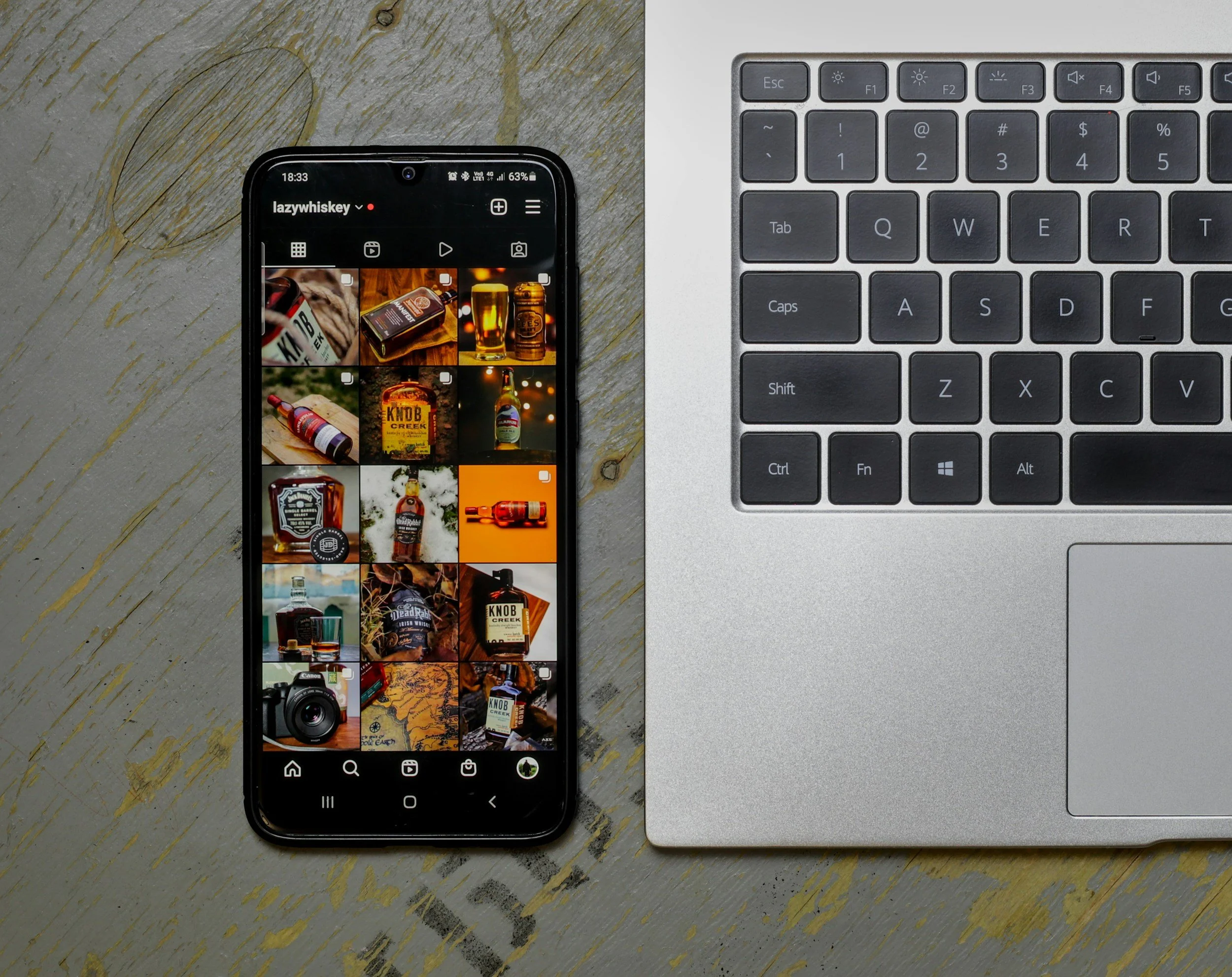
You already have the content. You filmed the video, wrote the caption, hit publish, and moved on. But here is the thing most brands and creators miss completely: that one piece of content you made? It could have been working for you on five, six, maybe seven different platforms simultaneously. Instead, it sat on one channel, reached a fraction of the audience it could have, and quietly faded into the feed while you were already stressing about what to create next.
This is the gap between brands that grow fast and brands that stay stuck. It is not about who is creating more. It is about who is distributing smarter. And right now, the brands winning the attention game are not grinding out ten times the content. They are simply making sure the content they already have is showing up everywhere their audience lives.
If you are a content creator, a business owner, or a brand trying to grow on social media without burning yourself out, this is exactly what you need to understand. Work with Multipost Digital to start cross-posting your content across 7+ platforms today.
The One-Platform Trap Is Costing You More Than You Think
Let us be honest about something. Most brands pick a platform, get comfortable, and never leave. Maybe you are all in on Instagram. Maybe TikTok is your thing. And while you are building something real on that one channel, you are completely invisible to the billions of people spending their time everywhere else.
TikTok has over a billion active users. YouTube Shorts is growing at a ridiculous pace. Facebook still drives enormous traffic, especially to older demographics that have serious purchasing power. Rumble is pulling in creators and audiences who want an alternative to mainstream platforms. Reddit communities are passionate, engaged, and hungry for content that actually adds value. The question is not whether your audience is on these platforms. They are. The question is whether you are showing up for them.
The one-platform trap is comfortable because it feels manageable. You learn the algorithm, you find your rhythm, and you get results. But comfort is not the same as growth. Every day you spend posting exclusively to one platform is a day you are leaving reach, followers, and revenue on the table.
Why Most Brands Do Not Cross-Post (And Why That Excuse Does Not Hold Up)
Ask any brand why they are not posting their content across multiple platforms and you will hear some version of the same answer: it takes too much time. And honestly, that is a fair concern. If you imagine manually reformatting your video, rewriting your captions, adjusting your thumbnails, figuring out each platform's quirks, and then actually uploading everything separately, it sounds exhausting. Because it would be.
But that version of cross-posting is not what smart brands are doing. The brands reaching millions without creating extra content are not doubling their workload. They are delegating the distribution entirely. They create once, and then someone else handles getting that content onto every platform where it belongs.
Think about it this way. You would not personally hand-deliver every package your business ships. You create the product, you hand it off to the shipping system, and the system does the rest. Content distribution works the same way. Your job is to create something worth sharing. Someone else's job is to make sure it gets everywhere it needs to go.
What Content Repurposing Actually Looks Like in Practice
There is a lot of vague advice out there about repurposing content, so let us make this concrete. You film a five-minute video walking through a product demo, a tutorial, a story, a tip, whatever you do. Here is what that single piece of content can become across platforms without shooting a single additional second of footage.
On TikTok, it becomes a short punchy clip with a trending sound or caption hook. On YouTube, it goes up as a Reel or a short with a slightly different description optimized for search. On Instagram Reels, it gets paired with a caption that drives saves and shares. On Facebook, it reaches your existing followers and gets pushed into relevant groups. On Rumble, it builds your presence on a platform that rewards consistent uploads. On Reddit, it gets shared in communities where your niche audience is actively looking for exactly what you make.
That is six platforms. Six different audiences. Six different chances to go viral, gain followers, or close a sale. And you only created the content once.
The magic is not in the content itself being different. The magic is in the distribution being intentional, consistent, and comprehensive.
The Algorithm Advantage Nobody Talks About
Here is something most people do not realize. When you post consistently across multiple platforms, you are not just reaching more people. You are also training multiple algorithms to recognize you as an active, relevant creator or brand. Each platform has its own recommendation system, and those systems reward accounts that show up regularly.
This means every platform where you post consistently becomes a compounding asset. The more you show up, the more the algorithm pushes your content to new audiences. And because you are not creating new content for each platform, you are maintaining that consistency without any extra creative effort.
There is also a credibility multiplier at play here. When someone discovers your brand on TikTok and then finds you on Instagram, YouTube, and Facebook, you suddenly look like a much bigger operation than you might actually be. Presence across multiple platforms signals authority. It tells potential customers and followers that you are legit, that you are established, and that you are worth paying attention to.
Find out how Multipost Digital manages multi-platform posting so you can focus on creating.
How to Stop Thinking Like a Creator and Start Thinking Like a Media Company
The brands growing fastest on social media right now are not thinking about individual posts. They are thinking about content systems. They have separated the act of creating from the act of distributing, and they treat distribution as seriously as they treat production.
This is exactly how media companies have always operated. A news network does not just broadcast on one channel. A podcast does not just live on one app. A music label does not just release on one streaming platform. They create once and push everywhere, because they understand that reach is a game of presence.
You can operate the same way even if you are a solo creator or a small business. The shift is mental before it is operational. Stop asking "where should I post this?" and start asking "how do I make sure this gets everywhere it belongs?"
Once you make that shift, you stop seeing distribution as a burden and start seeing it as leverage. Every piece of content you create has a multiplied potential return when it reaches multiple platforms. And when you hand off the distribution to people who do it professionally, you get that leverage without the overhead.
What Happens When You Start Showing Up Everywhere
The results are not subtle. Brands and creators who commit to multi-platform distribution consistently report the same outcomes: faster follower growth, more inbound inquiries, stronger brand recognition, and content that performs long after it was originally posted.
Because here is what most people do not account for. A video you post on TikTok today might spike for three days and then disappear. That same video on YouTube might keep getting found through search for the next two years. On Reddit, it might get upvoted in a community and drive a burst of traffic six months from now. On Rumble, it might reach an audience that never would have discovered you otherwise.
Multi-platform posting does not just multiply your reach today. It multiplies your reach over time. You are building multiple discovery channels simultaneously, and each one works on its own timeline, in its own way, for its own audience.
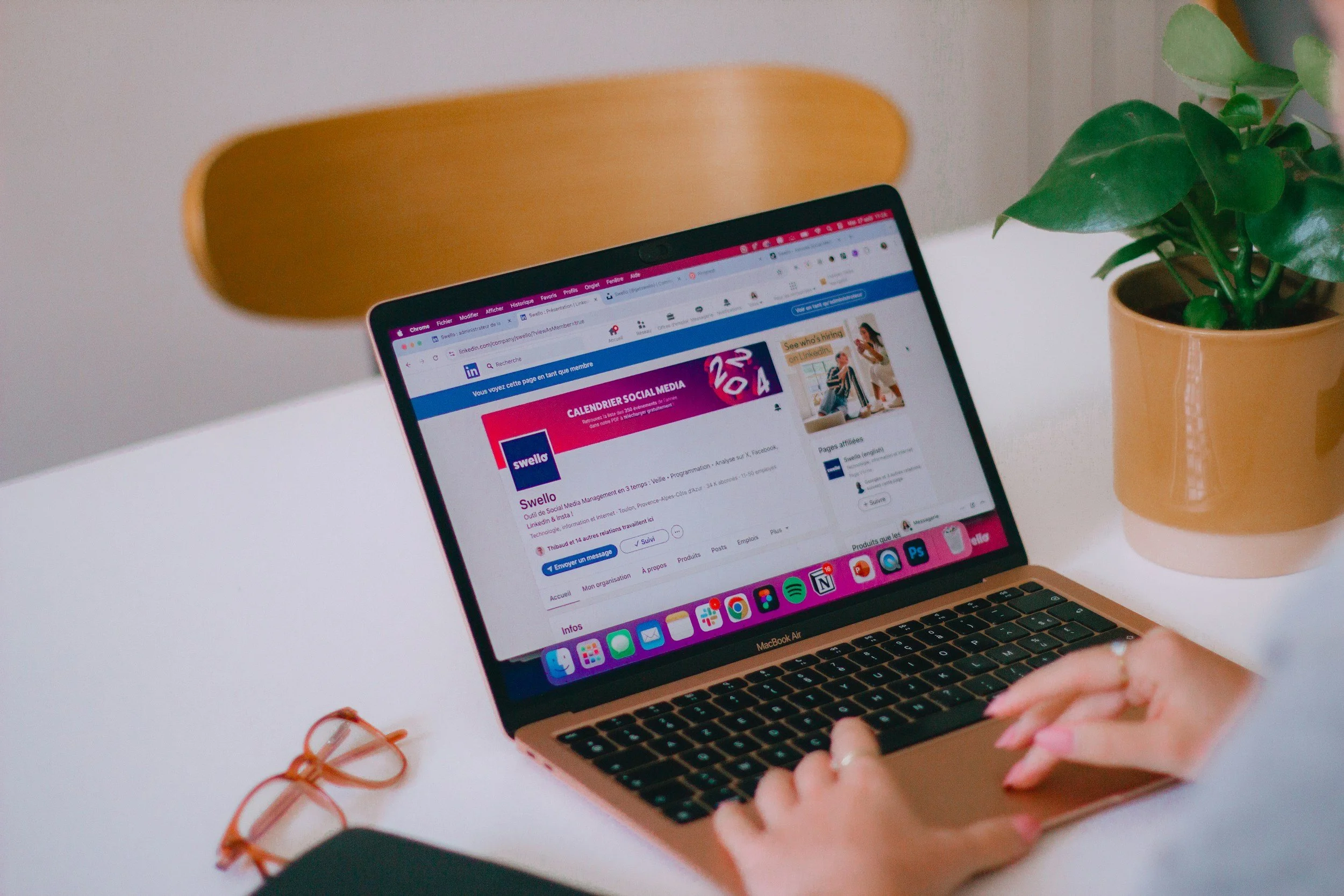
The brands that figured this out early are now sitting on massive audiences built from the same content their competitors posted once and forgot about.
You Do Not Need More Content. You Need Better Distribution.
This is the whole point, and it is worth saying plainly. If you are struggling to grow on social media, the problem is almost certainly not that you are not creating enough. It is that the content you are already creating is not reaching enough people.
The solution is not to hustle harder. It is to distribute smarter. Stop limiting your content to one platform and start treating every piece you create as something that deserves to be seen by as many people as possible, across as many channels as possible, without requiring you to work ten times as hard.
You create the content. Let the system handle the rest.
