
Why "Go Where Your Audience Is" Became Bad Advice the Moment They Spread Across Seven Apps
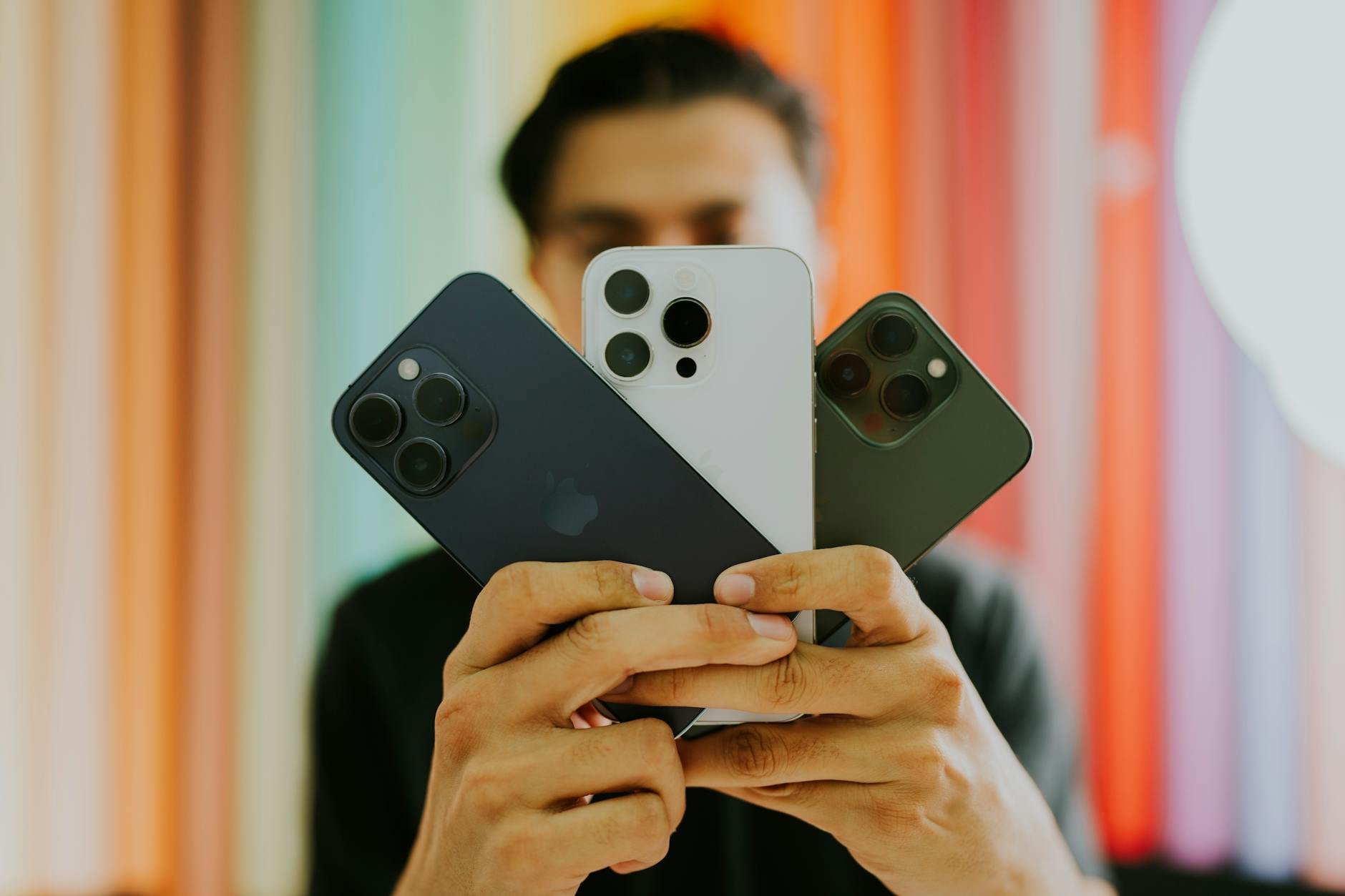
For years the smartest thing you could tell a creator was simple. Go where your audience is. Pick the platform where your people hang out, plant your flag, and pour everything into it. That advice built careers. It also expired. The problem is that your audience does not live in one place anymore. They scattered. The same person watches TikTok at lunch, scrolls Instagram Reels on the couch, catches YouTube on the TV, argues on Reddit at midnight, and checks Facebook to see what their cousin posted. One human, five feeds, and that is before you count Rumble, Threads, X, and whatever launched last quarter.
So when someone tells you to go where your audience is, the honest answer is that your audience is everywhere now, and "everywhere" is not a strategy you can run by hand. You cannot pick one app and win, because the person you want did not pick one app either. They float. They follow the format, not the brand. They reward whoever shows up in the feed they happen to be staring at right now. That means the old advice quietly flipped into a trap. It tells you to concentrate when the market is begging you to spread.
See how we cover seven platforms for you
Here is the part most people get wrong. They hear "be everywhere" and assume it means make seven times the content. It does not. You already made the content. You filmed the video, wrote the caption, picked the hook, sat in the edit. That asset is done. The waste is not in creating it. The waste is in publishing it once and letting it die on a single platform while six other audiences never see it. You did ninety percent of the work and then skipped the ten percent that actually grows you. That ten percent is distribution.
Content Quality Stopped Being the Bottleneck
Walk into any creator forum and you will find a thousand threads about better lighting, sharper hooks, tighter edits, trendier audio. All of it matters less than people think. The market is drowning in good content. There is more well-shot, well-edited, genuinely useful video uploaded every single hour than any human could watch in a lifetime. Quality is table stakes. It gets you in the door. It does not get you the room.
What actually separates the accounts that grow from the accounts that stall is reach per asset. Take two creators who post identical quality. One publishes to a single app. The other publishes the same clip to seven. The second creator gets seven shots at the algorithm lottery off one piece of work. Seven different recommendation engines, seven different audiences, seven chances for one of them to catch fire. Over a year that is not a small edge. That is a different business. Same effort in, multiples more reach out.
This is why distribution is the growth lever, not quality. Quality has a ceiling and most serious creators already hit it. Distribution has no ceiling. Every platform you add is pure addition on top of work you already finished. The creator obsessing over their hundredth tweak to a thumbnail is polishing a thing that already works while ignoring the six audiences who never even got to see it.
Why Doing It Manually Quietly Kills You
The reason most people stay on one platform is not strategy. It is friction. Posting the same video to seven apps by hand is genuinely miserable. Every platform wants a different aspect ratio, a different caption length, different tags, a different upload flow. TikTok wants vertical and punchy. YouTube wants a real title and a thumbnail. Reddit wants you to read the room or get buried. Facebook has its own rules, Rumble has its own, and Instagram changes its mind every few months.
Do that math across one video and you have lost an hour. Do it across a week of content and you have lost a full work day to copying, pasting, resizing, and re-uploading. Nobody sustains that. So creators quietly retreat to the one platform they can manage, tell themselves they are "focusing," and call the surrender a strategy. The audience did not ask them to focus. The friction did.
That is the exact gap that crossposting closes. When the act of publishing to seven platforms costs you the same as publishing to one, the entire calculation changes. There is no reason to pick. You stop choosing between platforms and start collecting them. The friction was never a real reason to stay small. It was just the cost of doing it by hand, and that cost can be removed.

Take a look at how the workflow runs
Repurposing Is Not Reposting
People hear crossposting and picture a robot blasting the identical file to every app, captions and all. That version does not work, and the platforms punish it. Real repurposing respects each feed. The same core video gets the right dimensions for vertical apps and the right framing for the ones that read differently. The caption shifts to match how people actually talk on Reddit versus how they scroll on Instagram. The hook stays, the substance stays, but the packaging fits the room it walks into.
That is the difference between spamming and distributing. Spamming ignores the platform. Distribution honors it while still letting one piece of work feed all of them. You are not making seven videos. You are taking one strong video and giving it seven correct front doors. The creative stays singular. The presentation goes plural. When it is done right, each platform feels like you made the post for that platform, even though you filmed it once.

What Spreading Actually Buys You
Reach is the obvious win, but it is not the only one. Spreading across platforms is also insurance. When you live on one app, you rent your entire business from one algorithm and one set of rules. A policy change, a shadow ban, a sudden drop in reach, and your whole operation goes dark overnight. Creators have watched years of work vanish in a single update. People who are spread across seven platforms barely feel that punch. One feed cools off and the other six keep working.
Spreading also compounds. A clip that does nothing on one app can quietly take off on another, and that win pulls new followers who then find your other platforms. Each app becomes a discovery channel for the rest. You stop thinking of platforms as separate islands and start running them as one network where attention flows between them. That network effect is only available to people who actually show up in more than one place.
And there is the time math, which is the part that matters most for anyone running a brand or a team. The whole point is to get the reach of seven platforms without paying seven times the labor. You produce once. The distribution gets handled. Your hours go back into making the next thing or running the rest of your business instead of resizing videos and copying captions until midnight. That is the trade that makes "be everywhere" finally realistic instead of exhausting.
The Advice That Replaces the Old One
"Go where your audience is" was right when audiences sat still. They do not sit still anymore. The new version is blunter and more useful. Go everywhere your audience might be, because they are no longer loyal to a single app, and make the cost of being everywhere as close to zero as you can. That second half is the whole game. Being everywhere only works if it does not cost you seven times the effort, and that is exactly the problem worth solving.
Multipost Digital exists for that gap. We take the content you already make and put it across seven and more platforms with the right format, the right framing, and the right caption for each one, so you get the spread without the grind. You keep doing the part only you can do, which is creating. The distribution stops being the thing that holds you back and starts being the thing that grows you. Your audience scattered across seven apps. The smart move is to scatter with them, and to do it without burning a single extra hour.
