
There is a quiet shift happening in the social media world right now, and most people are sleeping on it. Small brands with lean teams, sometimes just one or two people, are showing up more consistently and reaching more people than creators who have full production studios and dedicated social media managers. And the reason why is actually pretty simple once you see it. It is not about budget. It is not about talent. It is about how they are distributing their content.
If you have been grinding away making content and wondering why your numbers are not reflecting the effort you are putting in, this post is going to explain exactly what is happening and what you can do to flip the script. The game has changed, and the brands winning right now have figured out a distribution strategy that makes every single piece of content work harder.
The Myth of the Big Team Advantage
For a long time, people assumed that the creators with the biggest teams would always win. More hands on deck means more content, right? More content means more reach, more followers, more revenue. That logic made sense in the early days of social media when having one strong platform was enough to build a massive audience.
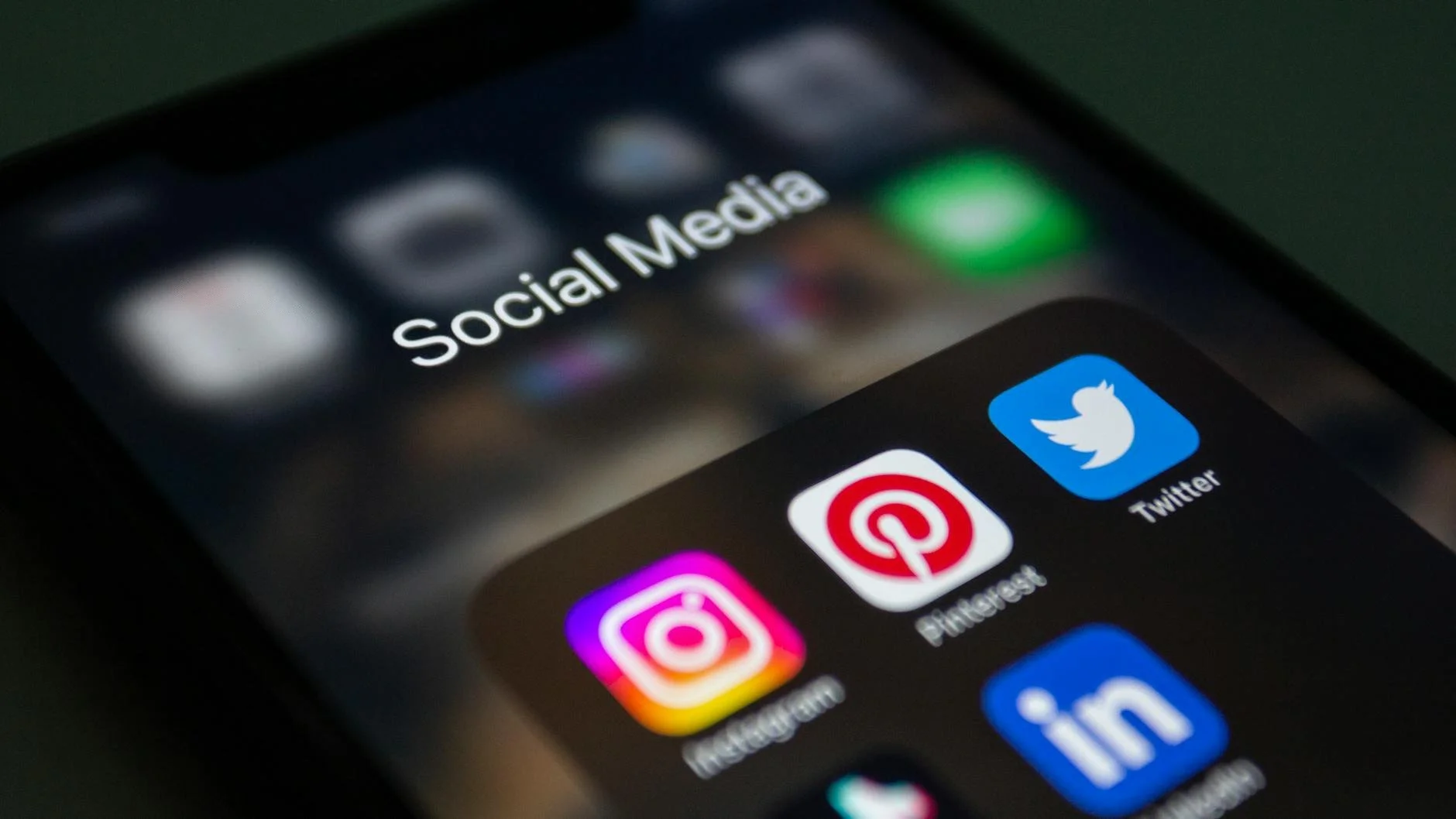
But the landscape shifted. The audience is no longer all in one place. Your potential customers are scrolling TikTok during lunch, watching YouTube Reels in the evening, catching up on Instagram before bed, and browsing Reddit threads on their commute. If you are only posting on one or two platforms, you are invisible to a huge chunk of people who would genuinely love what you are putting out.
Big teams with full-time staff tend to specialize. You have one person running Instagram, another focused on YouTube, maybe someone dedicated to TikTok. The problem is that this structure actually creates bottlenecks. Approvals take longer. Coordination gets complicated. Content gets watered down as it moves through multiple sets of hands. Meanwhile, the small brand that has figured out a smarter distribution system is moving fast and showing up everywhere.
What Small Brands Are Doing Differently
The small brands that are outperforming larger operations are not working harder. They are working smarter by leaning into content repurposing and multi-platform distribution as a core strategy rather than an afterthought.
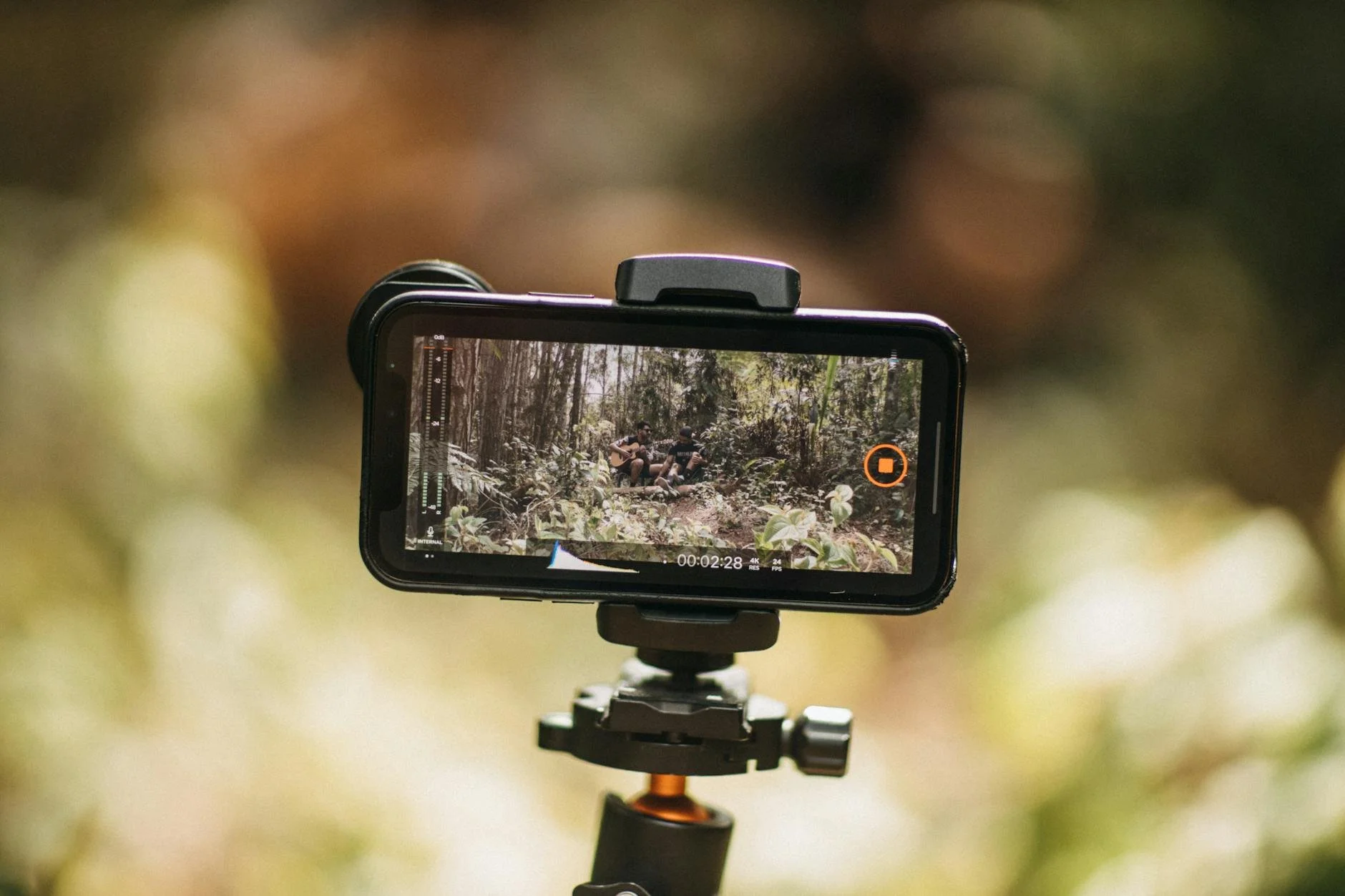
Here is what it looks like in practice. A small brand creates one strong piece of video content. Maybe it is a sixty-second tip, a behind-the-scenes clip, or a product demo. Instead of posting that video on Instagram and calling it a day, they push it to TikTok, YouTube, Instagram Reels, Facebook, Rumble, Reddit, and anywhere else their audience might be hanging out. The same video. Different platforms. Multiplied reach.
The math on this is almost unfair. One piece of content becomes seven pieces of exposure. Over a week of consistent posting, a small team is accumulating significantly more touchpoints with potential customers than a big-budget operation that is creating more content but distributing it in fewer places.
And here is the thing that most people miss. Each platform has its own algorithm, its own audience, and its own discovery features. When you post to multiple platforms simultaneously, you are not just reaching your existing audience. You are giving the algorithms on each platform a chance to put your content in front of brand new people who have never heard of you. That is organic growth happening in seven different directions at the same time.

Why Most Creators Are Still Leaving Reach on the Table
If multi-platform posting is such an obvious win, why is not everyone doing it? Because managing multiple platforms manually is genuinely painful. Logging into each app, reformatting content, writing new captions, dealing with different file requirements, remembering what you posted where and when. For a solo creator or a small brand team, that process is a time sink that feels unsustainable.
So most people default to picking one or two platforms and going deep. That is a completely understandable choice, but it comes at a real cost. You are leaving enormous amounts of potential reach completely untouched.
The creators and brands that are winning the distribution game have removed this friction. They have set up systems or partnered with services that handle the cross-platform posting automatically, so the content goes everywhere without requiring manual effort on each individual platform. The result is that they appear everywhere, and their audience perceives them as a major presence even if the team behind the content is just one or two people.
The Compounding Effect of Being Everywhere
There is a psychological principle that plays out in social media growth called the mere exposure effect. People develop a preference for things simply because they are familiar with them. The more often someone sees your brand or your face, the more they trust you and the more likely they are to buy from you, follow you, or recommend you to someone else.
When you are posting across seven or more platforms consistently, you are triggering this effect on a massive scale. Someone might see your TikTok on Monday, stumble across your YouTube video on Wednesday, and then notice your Instagram Reel on Friday. By the time they visit your website or see your offer, they already feel like they know you. That trust is incredibly valuable and almost impossible to build if you are only showing up in one place.
This compounding effect is what separates the brands that seem to grow effortlessly from the ones that feel stuck despite putting out good content. It is not that the stuck brands are making worse content. It is that their content is not being seen by enough people often enough to create that sense of familiarity and trust.
How to Shift Your Strategy Starting Now
The good news is that you do not need to overhaul everything overnight. The shift toward multi-platform distribution can happen gradually, and the returns start showing up pretty quickly once you commit to it.
Start by auditing where your content currently lives. If you are creating video content and only posting it in one or two places, you have an immediate opportunity. Take your existing content and start pushing it to the platforms where you are not currently showing up. TikTok and YouTube Shorts are obvious priorities given their discovery algorithms. Facebook remains one of the largest platforms in the world and is often underutilized by newer creators. Rumble is growing fast with a specific audience segment. Reddit has passionate communities that will engage deeply with the right content.
The key is consistency. Showing up on seven platforms once and then disappearing is not a strategy. The brands winning right now are posting consistently across all of their platforms week after week, which is why working with a distribution partner or building a streamlined system is so important. Consistency compounds just like interest does. The longer you maintain it, the more your presence grows and the harder it becomes for competitors to catch up.
Content repurposing also plays a massive role here. A long-form YouTube video can be cut into multiple short clips for TikTok and Reels. A Reddit post can spark ideas for longer content. A Facebook video can be reformatted and reposted to Instagram. Your content library is almost certainly larger than you think, and with a repurposing mindset, you can multiply your output without spending more time creating from scratch.
The Bottom Line
The brands and creators dominating social media right now are not the ones with the biggest budgets or the most staff. They are the ones who figured out that distribution is just as important as creation, maybe more important. They are taking good content and making sure it reaches people on every platform where those people are spending their time.
If you are a creator or a brand owner who is tired of pouring energy into content that does not seem to get the traction it deserves, the answer is almost always distribution. More platforms, more reach, more compounding growth over time.
You do not have to figure out all of the logistics yourself. That is exactly the kind of problem a multi-platform posting service is built to solve, so you can stay focused on creating content that represents your brand and let the distribution take care of itself.
