
The Solo Creator's Guide to Looking Like a Full Content Team
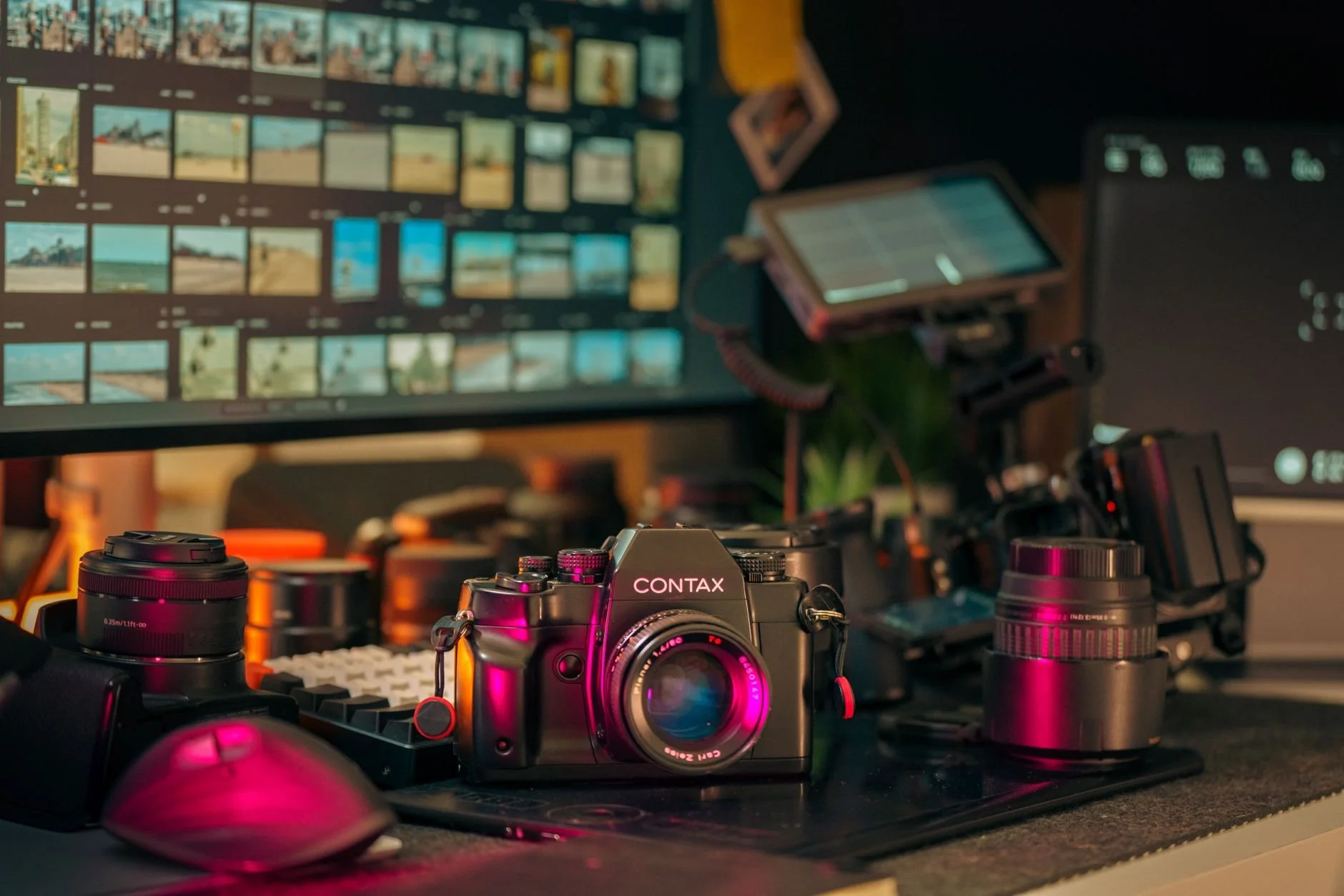
You are one person. You film, you edit, you write captions, you answer DMs, you run the actual business behind all of it. But the accounts people respect online rarely look like one person. They look like an operation. Consistent posting on six or seven platforms, clips going out every day, the same brand showing up everywhere their audience scrolls. The gap between you and them feels like staffing. It isn't. It's systems. A solo creator who builds the right system can present like a full media company without hiring anyone, and the audience never knows the difference.
Here's the part nobody says out loud: looking like a team is mostly about coverage and consistency, not output. A team's real advantage isn't talent, it's that the work never stops because the responsibility is spread out. You can recreate that effect alone by removing the human bottleneck from the parts of the job that don't actually need a human. Capture once, repurpose ruthlessly, distribute everywhere. That's the whole playbook, and it's the same one that lets small operators outpace companies with three full-time marketers on payroll. See how Multipost Digital runs distribution for solo operators
Let me be blunt about the cost before we get into the how. This takes setup. The first two weeks of building a system feel slower than just posting whenever you remember to. But after that, the curve flips hard. The creators who look like teams aren't grinding harder than you. They front-loaded the boring infrastructure work and now they coast on it while you're still deciding what to post each morning.
Stop Creating in Real Time, Start Capturing in Batches
The single thing that separates a solo creator who looks scattered from one who looks like a company is how they capture. Scattered creators make content the day they post it. Operations capture in batches and draw down from a backlog.
When you film one piece of content at a time, every post carries the full weight of ideation, setup, recording, and editing. That's exhausting and it shows up as gaps in your feed, which is exactly what makes you look like one tired person. When you sit down and record six, eight, or ten pieces in a single session, the per-piece effort collapses. You're already set up, already in the zone, already on camera. The marginal cost of the seventh video is almost nothing.
Batching also fixes the thing that makes solo accounts look amateur: inconsistency. A team posts every day because someone's job depends on it. You can post every day because you recorded two weeks of material on a Sunday afternoon. From the outside, those two situations look identical. The audience can't tell the difference between a content calendar staffed by people and one staffed by your past self.
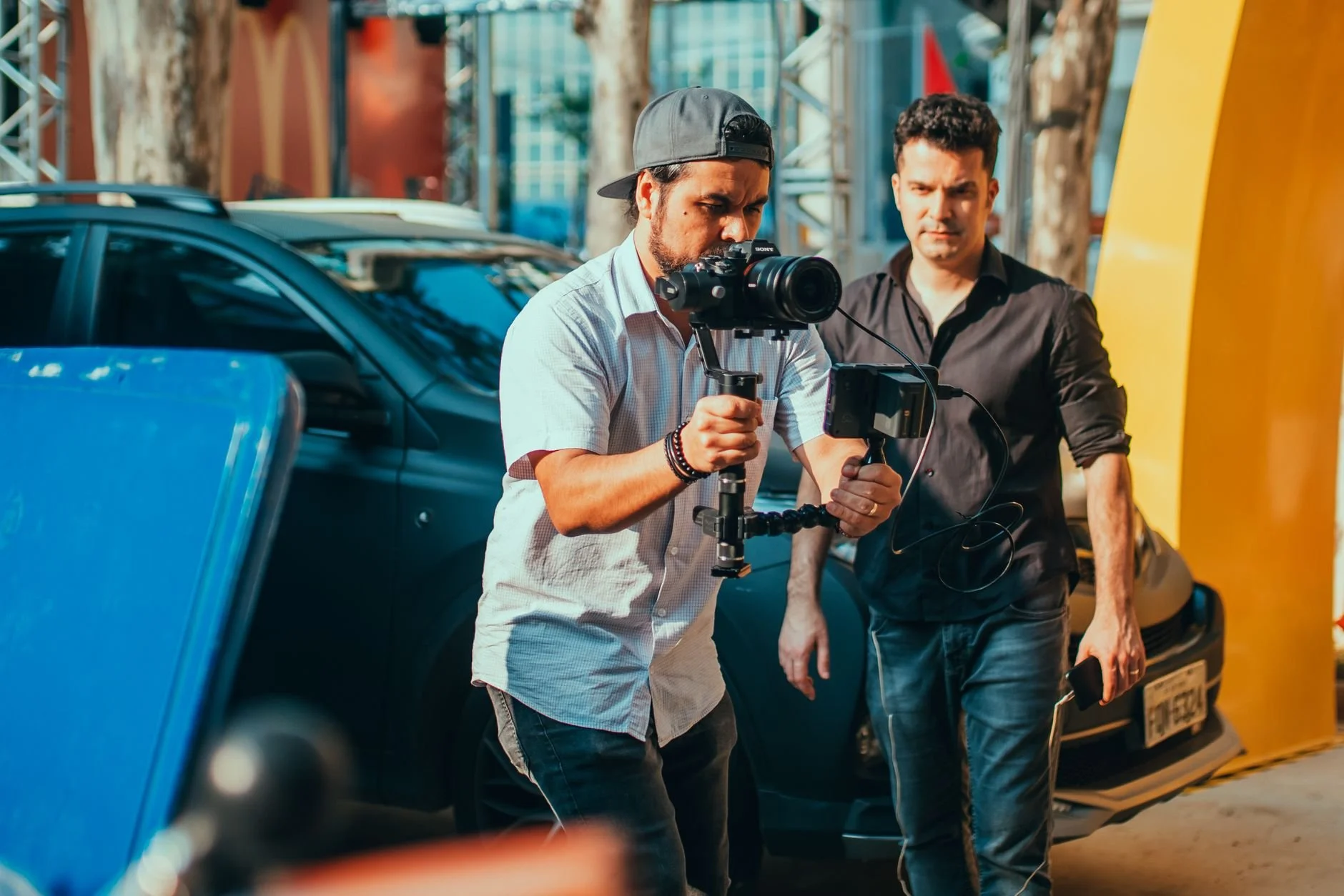
Treat capture like a production day. Block the time, knock out the volume, and stop touching the camera until the backlog runs low. That single habit does more to make you look professional than any amount of editing polish.
One Piece of Content Is Actually Ten
This is where the team illusion really comes together. A real media company doesn't make ten separate things a day. They make one good thing and chop it into ten formats. You can do the exact same thing, and once you internalize it, your perceived output multiplies without your actual workload changing.
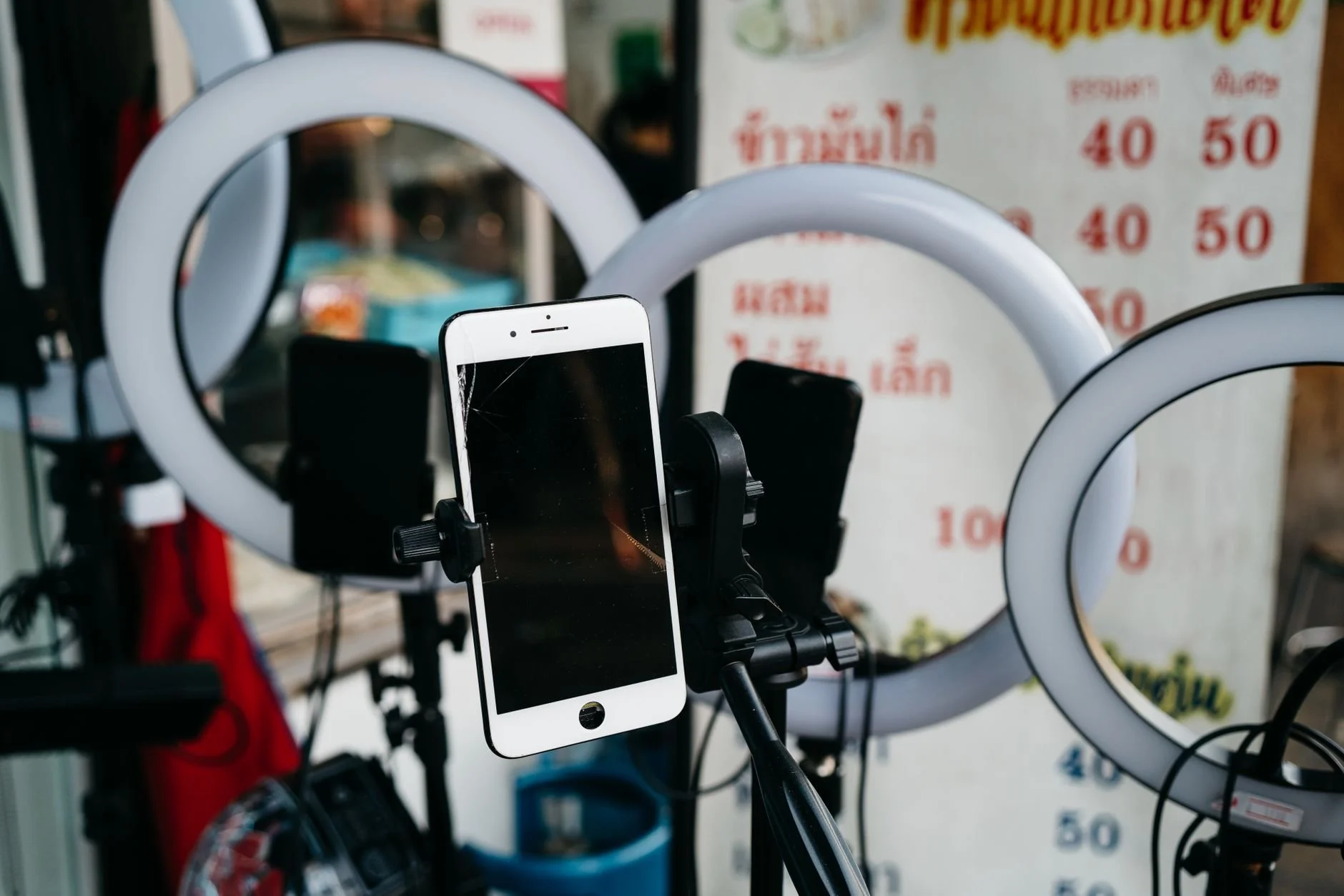
Take a single ten-minute video you recorded during your batch session. Inside that one recording there are probably four or five clippable moments that stand alone as short-form vertical videos for TikTok, Reels, and Facebook. The full version lives on YouTube. The transcript becomes a written post for Reddit or a thread. The strongest line becomes a quote graphic. The core idea becomes a punchy standalone short for Rumble. That's one capture turning into eight or ten pieces of platform-native content, each one looking like it was made specifically for that platform by someone who only works on that platform.
That's the trick. A solo creator posting the same vertical clip identically across every app looks like a solo creator cutting corners. A creator whose content feels native to each platform looks like they have a dedicated person for each one. The work to get there is repurposing, not recreating. You're reformatting what already exists, not inventing new material for every channel.
The creators who burn out are the ones trying to make fresh original content for every platform every single day. No team does that, so you definitely shouldn't try to alone. Make once, reshape many times.
Coverage Is What Sells the Illusion
Here's the uncomfortable math. If you post only on Instagram, you look like one creator on Instagram, no matter how good your stuff is. The moment someone finds you on TikTok, then sees you again on YouTube, then notices you on Facebook and Rumble, your status in their head changes. You stop reading as a person and start reading as a brand. That recognition across platforms is what authority actually is, and it's almost entirely a function of coverage.
Each platform also has an audience that doesn't overlap much with the others. The midnight TikTok scroller is not the Reddit power user is not the Facebook Reels viewer is not the Rumble regular. When you cover all of them, you're not just looking bigger, you're genuinely reaching audiences a single-platform creator never touches. And because each platform's algorithm surfaces content differently, the post that flops on one can quietly take off on another. You don't know where your breakout is coming from, so being everywhere is how you stop gambling on a single front door.
The honest problem is that posting natively to seven platforms by hand is a real job. Formatting for each one, scheduling, uploading, captioning, doing it every day without missing. That's the exact work that makes solo creators give up and shrink back to one or two apps. It's also the work that doesn't need you to do it personally. Let Multipost Digital handle posting across 7+ platforms so you don't burn out
This is the layer where solo creators most often fake it badly or quit. Capturing and repurposing are creative work that needs your taste. Distribution is logistics. Logistics is exactly the kind of thing a system or a service should carry, because doing it manually is where your time disappears and where the cracks in the illusion start to show.
Build the Calendar Your Imaginary Team Would Run
A content team works off a calendar, not vibes. That's the last piece, and it's the cheapest one to copy. Once you have a backlog from batching and a repurposing flow that turns one capture into many, you need a simple schedule that decides what goes where and when, so you're not making that decision live every day.
Keep it plain. Map out which days carry your long-form, which days carry clips, and which platforms get what. The point isn't a fancy system, it's removing the daily question of what to post, because that daily question is the single biggest thing that makes solo accounts go quiet for a week at a time. A calendar means the machine runs whether or not you feel inspired on a Tuesday. That's what a team does, and it's the part that's easiest to replicate alone.
Lead with your proven winners when you fill it. Look at what already got the most engagement over the past few months and put those pieces back into rotation across platforms that never saw them the first time. Your best content has only been seen by a fraction of the people it would land with. Redistributing it isn't repetition, it's reach you already earned and never collected.
What This Actually Buys You
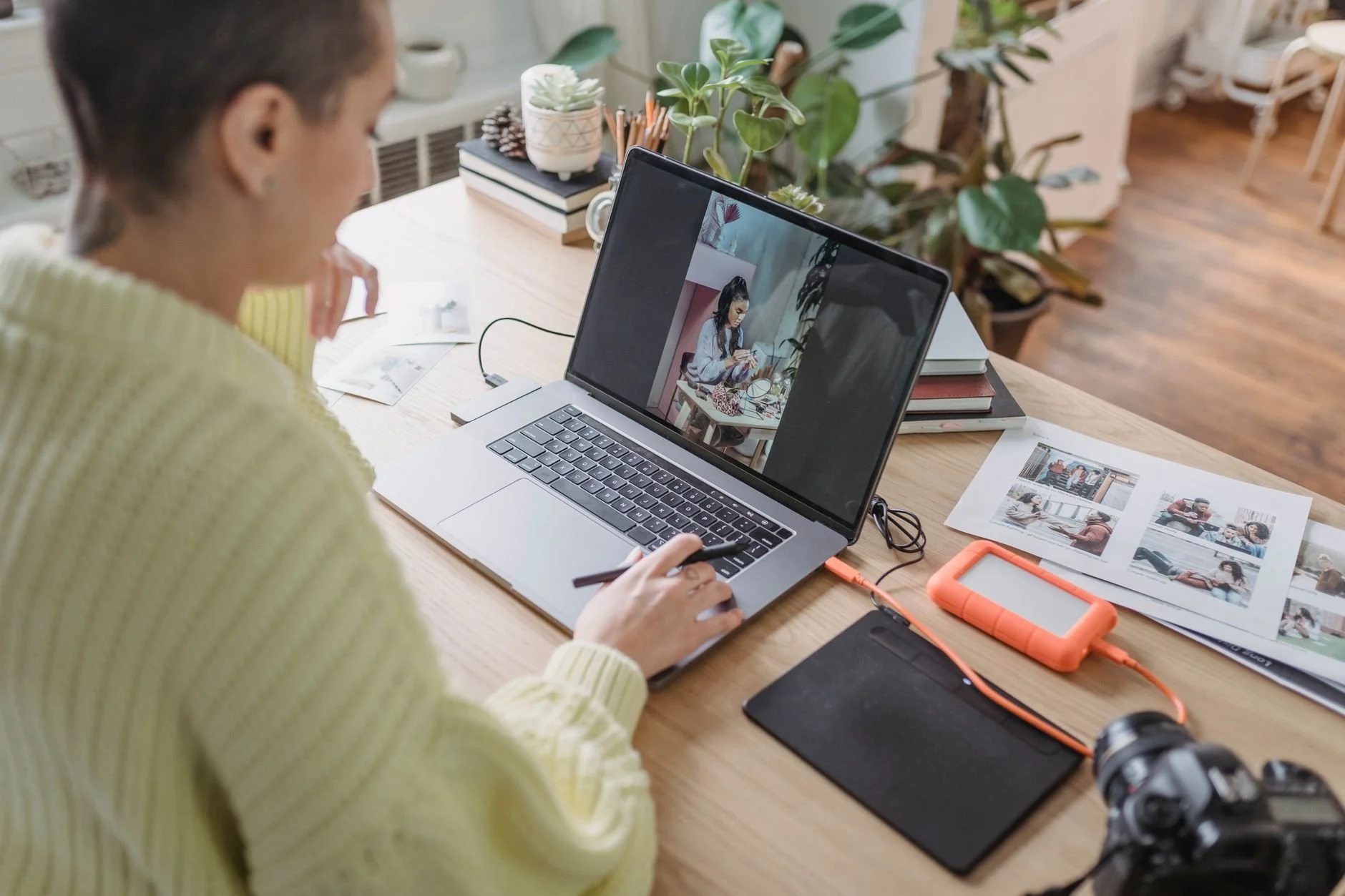
Do this and the day-to-day changes completely. You capture in focused bursts instead of scrambling daily. You reshape each capture into a week or more of platform-native posts. You cover every platform your audience lives on instead of guessing which one matters. And you run it off a calendar so the presence holds steady even on the days you're heads-down on the actual business.
From the outside, that reads as a company. Consistent, everywhere, polished to each platform, never going dark. From the inside, it's one person with a system and the right help carrying the parts that don't need a human. The gap between solo creator and full content team was never about headcount. It was about whether the work was systematized or improvised.
You already have the ideas, the face, the voice, and probably a backlog of content sitting unused on one platform right now. What's missing is the structure that takes all of it everywhere it should go without eating your week. Build the capture habit, commit to repurposing, and hand off the distribution so you can stay focused on the work only you can do. Work with Multipost Digital and start showing up everywhere like a full team
