
Why Your Audience Scrolls Past Without Thinking
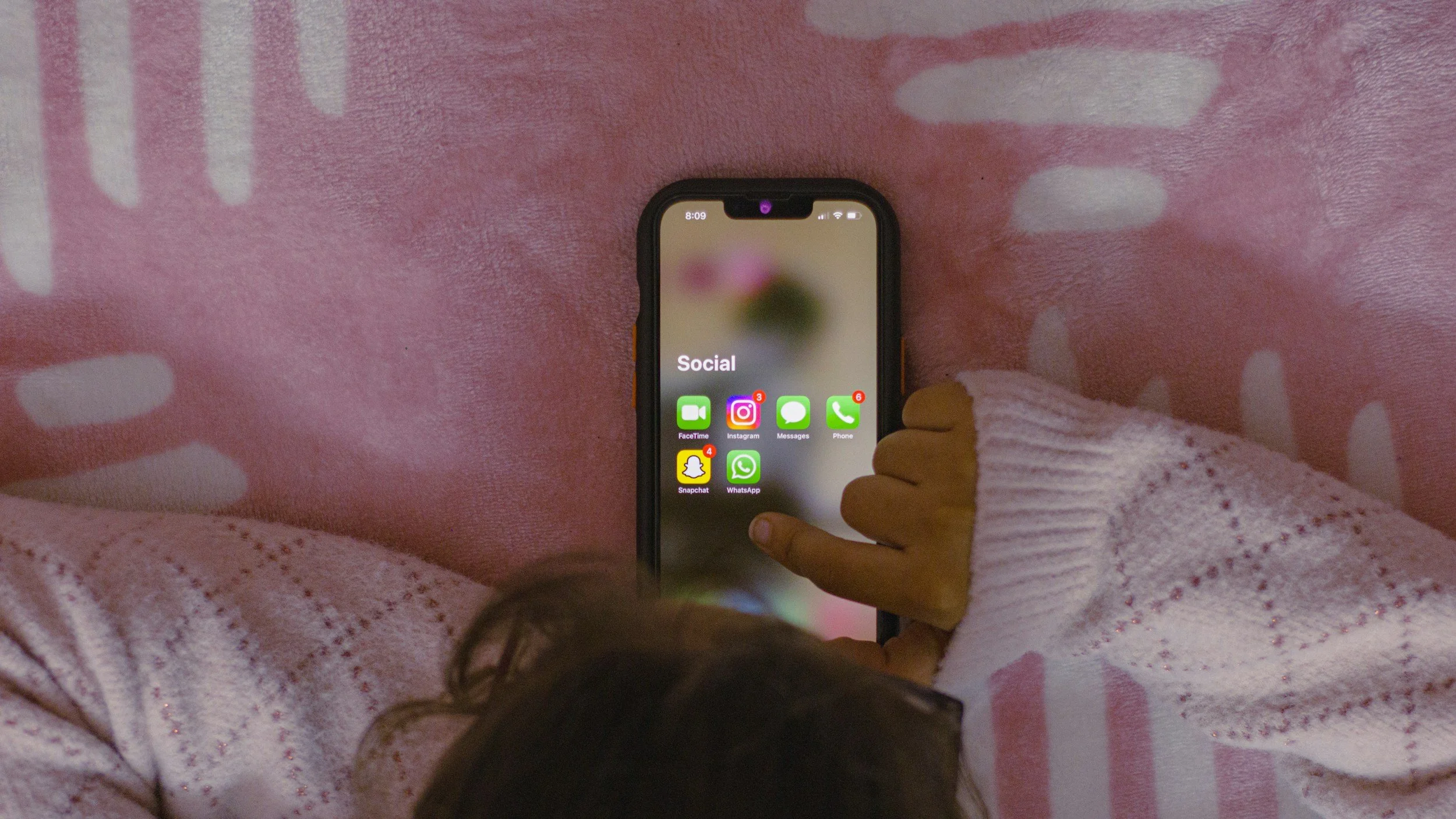
You hit publish.
You wait.
You refresh.
Nothing.
No spike. No conversation. No traction.
The brutal part is not that people dislike your content. It is worse than that.
They do not even register it.
They scroll past without thinking, without pausing, without remembering you were there at all.
This is not a talent issue. It is not an algorithm conspiracy. It is not because your niche is “too crowded.”
It happens because your content never earns a mental stop.
Once you understand why that happens, fixing it becomes mechanical instead of emotional.
Your Content Does Not Interrupt the Scroll
Social media is not a feed. It is a reflex.
People scroll on autopilot. Thumb moving. Brain half engaged. Eyes scanning for anything that feels different enough to deserve a pause.
Most content is invisible because it blends in perfectly.
Clean design. Polite language. Safe ideas. Familiar angles.
Nothing wrong with any of that, except one fatal flaw.
It looks exactly like everything else.
If your post does not interrupt a reflex, it never reaches the thinking part of the brain.
Interruption comes from contrast.
A sharp opinion.
A bold question.
A clear tension.
A statement that feels slightly uncomfortable or emotionally familiar.
If your post opens softly, politely, or predictably, it disappears before it ever has a chance.
If you want help building content that actually stops thumbs, book a free strategy call with us here and we will show you where your interruption is missing.
You Are Talking Like a Brand Instead of a Human
People scroll past content that feels corporate, polished, or emotionally neutral.
Even if the information is good, it feels cold.
Social platforms reward human energy. Messy thoughts. Clear feelings. Relatable frustrations. Specific language.
When your content sounds like it was written to be “appropriate,” it loses.
Your audience is not looking for perfection. They are looking for recognition.
They stop scrolling when something sounds like it came from a real person who understands their problem.
That requires specificity, not professionalism.
Your Hook Explains Instead of Provokes
A hook is not a summary.
It is not context.
It is not a mission statement.
A hook is a trigger.
Most people open posts by explaining what the post is about. That feels helpful. It also kills attention.
Explanation belongs after the pause.
Provocation earns the pause.
If your first line does not create curiosity, tension, or emotional relevance, your audience never reads the second line.
They scroll because nothing pulled them forward.
Great hooks make the reader feel like stopping is easier than scrolling.
You Assume Attention Instead of Earning It
Many posts are written as if the reader already cares.
They reference concepts without setup.
They assume shared language.
They start in the middle of a thought.
That works for insiders. It fails for everyone else.
Most of the people seeing your content do not know you. They are strangers. They are skeptical. They are distracted.
You must earn attention every single time.
When you write like attention is guaranteed, your audience opts out without effort.

Your Content Solves Problems People Are Not Actively Feeling
A post can be useful and still get ignored.
Why?
Because timing matters emotionally, not just logically.
People stop scrolling when a post mirrors a problem they are already feeling in that moment.
Stress.
Confusion.
Frustration.
Desire.
If your content addresses a problem that feels distant, abstract, or low urgency, it gets skipped.
Your audience is not searching for answers. They are reacting to feelings.
When your content names the feeling before offering the fix, people stop.
You Gave Value Without a Reason to Care
Value alone does not earn attention.
Relevance does.
You can give away great advice and still get ignored if the reader does not feel personally connected to the outcome.
People do not stop scrolling for information. They stop scrolling for implications.
What does this mean for me?
What am I doing wrong?
What am I missing out on?
If your content does not frame the value around the reader’s identity or outcome, it feels optional.
Optional content gets skipped.
You Made the Reader Work Too Hard
Scrolling is effortless. Reading is not.
If your content looks dense, heavy, or mentally demanding at first glance, people avoid it.
Long paragraphs.
Complex language.
Abstract concepts.
Even if the content is good, it feels expensive in attention.
People scroll past anything that looks like it will require effort before reward.
Breaking your ideas into clear, simple, emotionally resonant chunks lowers the barrier to entry.
Less friction equals more pauses.
You Did Not Give the Brain a Clear Next Step
Attention is momentum based.
When someone pauses, your content must guide them forward.
If your post does not clearly signal what comes next, the brain defaults back to scrolling.
Strong posts create a path.
One line leads naturally to the next.
Each idea creates curiosity for the next idea.
The reader always knows why they should keep going.
When that path is missing, attention collapses.

Your Call to Action Is Invisible or Absent
People rarely engage without prompting.
Even when they like your content, they need a nudge.
Comment.
Save.
Share.
Click.
Without a clear call to action, engagement stays passive.
Passive engagement tells the platform your content is forgettable.
This is one of the easiest fixes and one of the most ignored.
When we manage posting for clients, every post has a clear purpose and action built in.
If you want content that actually drives interaction, see how we design posts to convert attention into action here.
You Are Measuring Effort Instead of Response
The biggest trap is emotional attachment.
You worked hard on the post. You thought it was good. You expected results.
But social media does not reward effort. It rewards response.
When you judge content by how much work went into it instead of how people reacted, you miss the signal.
Scrolling past without thinking is feedback.
It means the content did not intersect with emotion, timing, or relevance.
That feedback is useful if you are willing to listen.
Why This Keeps Happening Without a System
Most creators and brands post randomly.
No testing.
No iteration.
No pattern recognition.
When something fails, they feel discouraged instead of curious.
A system removes emotion.
You test hooks.
You test angles.
You track behavior.
You double down on what stops the scroll.
This is how content improves consistently instead of accidentally.
It is also why done for you posting works. Consistency creates clarity.

What Actually Makes People Stop Scrolling
People stop when they feel seen.
When a post mirrors a thought they had but never said.
When it challenges something they believe.
When it names a frustration they live with daily.
It is not about being louder.
It is about being sharper.
When your content earns that pause, everything else becomes easier.
Engagement rises.
Reach expands.
Trust builds.
How We Fix This Every Day
At Multipost Digital, we design content to earn attention first.
We focus on hooks, emotional relevance, timing, and clarity.
We handle daily posting across platforms.
We build systems that turn scrolling into stopping.
You do not have to guess what works. You do not have to burn out testing everything yourself.
If you are tired of watching your audience scroll past without thinking, start here and see how we work.
Attention is not luck. It is design.
And once you design for it, your audience stops scrolling.
