
The Behind The Scenes Clip You Decided Was Too Boring To Post
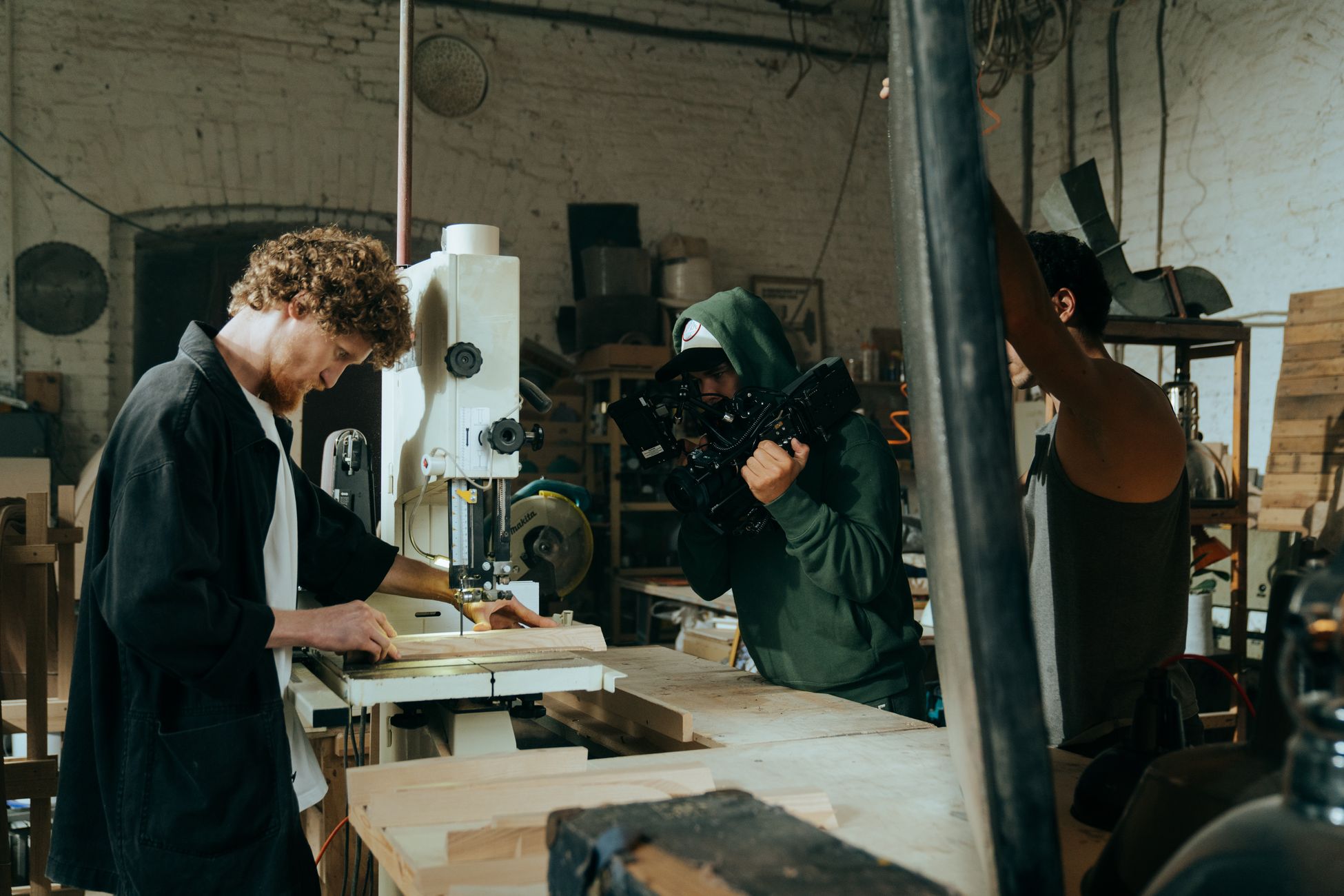
You filmed it without thinking. The shop at seven in the morning, somebody loading the van, the machine running, the whiteboard with this week's jobs on it. Forty seconds of nothing happening.
You watched it back, decided nobody wants to see that, and left it in your camera roll where it still sits with two hundred other clips just like it.
That clip is more valuable than the polished piece you spent Saturday on, and the reason has nothing to do with your taste. You are the worst possible judge of whether your own work is interesting, because you have seen it every day for years. Familiarity reads as boring from the inside and reads as fascinating from the outside.
You Are Not The Audience And You Never Were
Everything in your business that feels routine to you is unfamiliar to almost everybody else. The order of operations. The tools. The mess before the clean result. How long a thing actually takes. What the space looks like when nobody is performing for a camera.
People are drawn to watching work get done. It is one of the most reliable categories of content anywhere on the internet, and it has been for as long as video feeds have existed. Not because the work is glamorous, but because process is legible and satisfying, and because seeing how something is made is the fastest way to trust whoever makes it.
Your boredom is a symptom of expertise, not a measure of quality. Every time you delete a clip because it felt too ordinary, you are applying a standard that only makes sense to somebody who already knows everything about the subject.

Boring Content Does Something Polished Content Cannot
There is a specific job that unpolished behind the scenes content does better than anything else you can make, which is proving you are real.
A polished piece proves you can make a polished piece. Anybody with a budget can do that. A raw clip of your actual space, your actual team, your actual process at seven in the morning proves the operation exists and works. That is a completely different signal, and it is the one buyers are looking for when they are deciding whether to reach out.
This is also why these clips convert. Somebody who watches four pieces of your process content over two months arrives at the sales conversation already convinced you know what you are doing. They are not asking whether you are competent. They are asking about availability and price.
The Same Boring Clip Is Six Different Posts
Now here is the part that changes the math entirely. That forty second clip does not have one destination. It has at least six, and it does a different job in each one.
On TikTok it reaches strangers who have never heard of you, because process content travels well to people outside your industry. On Instagram Reels it reminds people who follow you that you are working. On YouTube it can sit inside a longer compilation or run as a short that stays discoverable for years. On Facebook it reaches the local audience most likely to actually hire you. On Reddit it lands in communities where people genuinely want to see how your trade works. On Rumble it competes for attention against far fewer businesses in your category.
One clip. Zero additional filming. Six audiences with six different relationships to you.
The Volume Problem Solves Itself
Every business owner who tries to post consistently hits the same wall, which is that making content is slow and posting requires content. You run out. The ideas dry up around week three and the account goes quiet.
Behind the scenes footage removes that wall completely, because you are not making anything. You are documenting something that was going to happen anyway. The work is the content. Filming it costs you the twenty seconds it takes to hold up a phone.
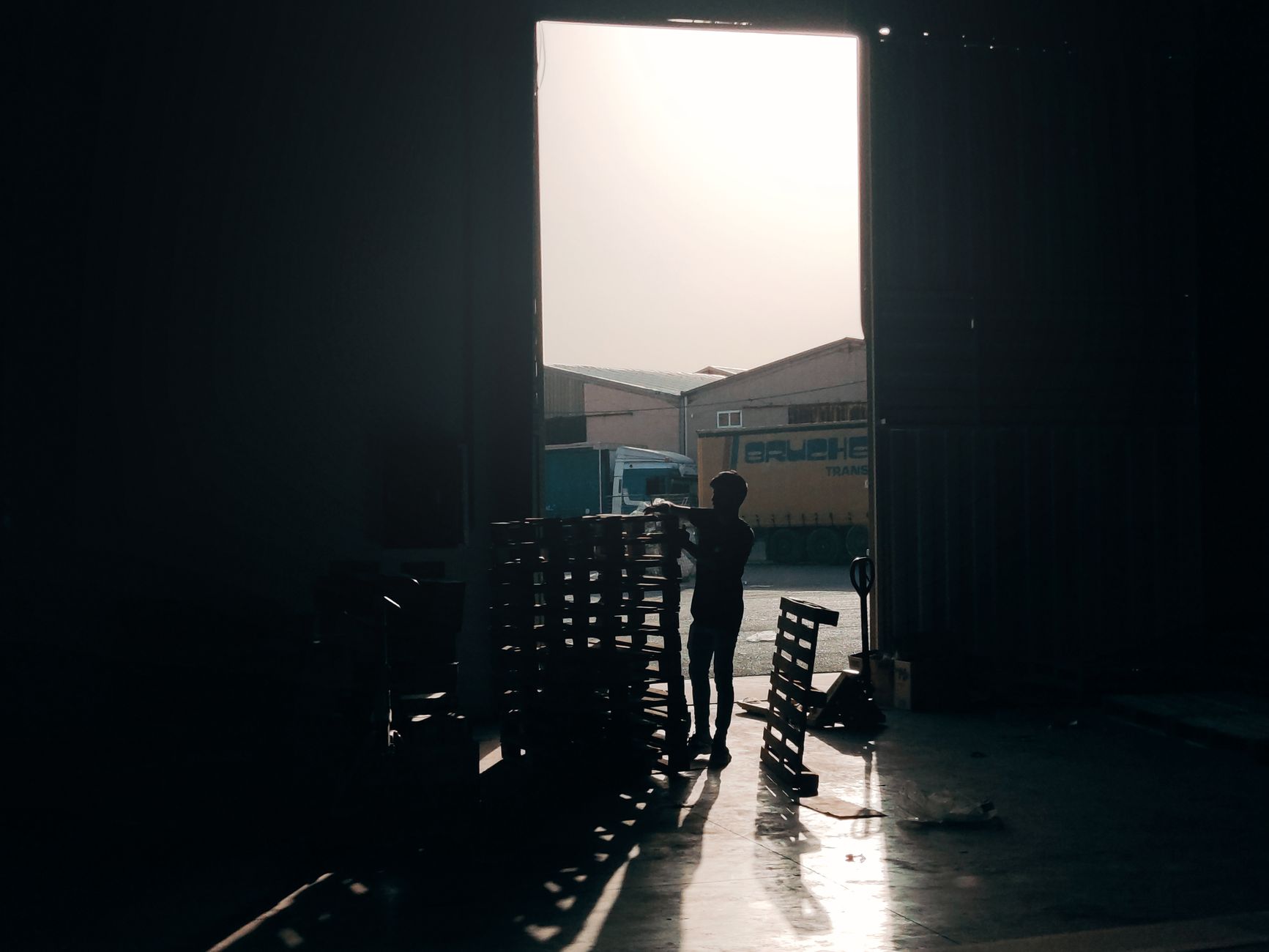
A normal week in your business generates more usable footage than you could post in a month. Setup, teardown, the delivery arriving, a problem being solved, the before state, the after state, somebody on your team doing the thing they are unreasonably good at. None of it requires a script or a plan.
The constraint was never ideas. It was your belief that content has to be produced rather than captured.
Why It Still Does Not Get Posted
So you accept all of this, start filming, and build a library of clips. Then the same thing happens as before. They sit on your phone.
Not because you think they are bad anymore. Because posting them is annoying. Each clip needs a caption, a crop, and six separate uploads, and doing that for the eleven clips you took this week is a real chunk of an evening. So you post one to Instagram, feel like you did the thing, and the other ten stay in the roll.
This is where almost every documentation habit dies. The filming is easy and sustainable. The publishing is manual and it scales terribly, so it becomes the step that quietly ends the habit within a month.
What Changes When Publishing Is Not Your Job
Imagine the version where you film eleven clips during a normal week and all eleven go out across TikTok, YouTube, Instagram Reels, Facebook, Rumble and Reddit without you touching an upload screen.
That is seventy something pieces of distribution from a week where you made nothing. Your only job was to hold a phone up during work you were already doing.
Some of those clips will do nothing at all. That is fine, because they cost you almost nothing. Two or three will do numbers that surprise you, and they will consistently be ones you would have deleted. The forty second machine clip. The van being loaded. The whiteboard. The ones you were sure nobody wanted to see.
That pattern repeats so reliably that it is worth building a rule around it. If you are unsure whether something is worth posting, post it, because your uncertainty is not information about the content.
A Simple Rule For What To Film
If you want a filter that works better than your instincts, use this one. Film anything a customer would not normally get to see.
That covers the early morning setup, the part of the job that happens before anybody arrives, the tool nobody outside the trade recognizes, the failure that gets fixed, the stack of finished work waiting to go out. It covers your team talking about a problem. It covers the unglamorous middle of a process where most of the actual skill lives.
It excludes almost nothing, which is the point. You are not curating. You are collecting, and the platforms will tell you which ones mattered.
Stop Editing Your Own Camera Roll
Go look through your phone right now. Count the clips of your actual work that never went anywhere. For most people it is somewhere between fifty and five hundred.
Every one of those is a post you already made and then declined to publish, based on a judgment call you were not qualified to make. The cost of being wrong about a boring clip is nothing. The cost of never posting any of them is a year of invisible work.
Multipost Digital publishes what you capture across 7 or more platforms, so the footage that felt too ordinary to bother with reaches the people who have never seen your work before and would find it genuinely interesting.
