
Why 90% of Your Best Content Dies After 48 Hours (And How to Stop It)
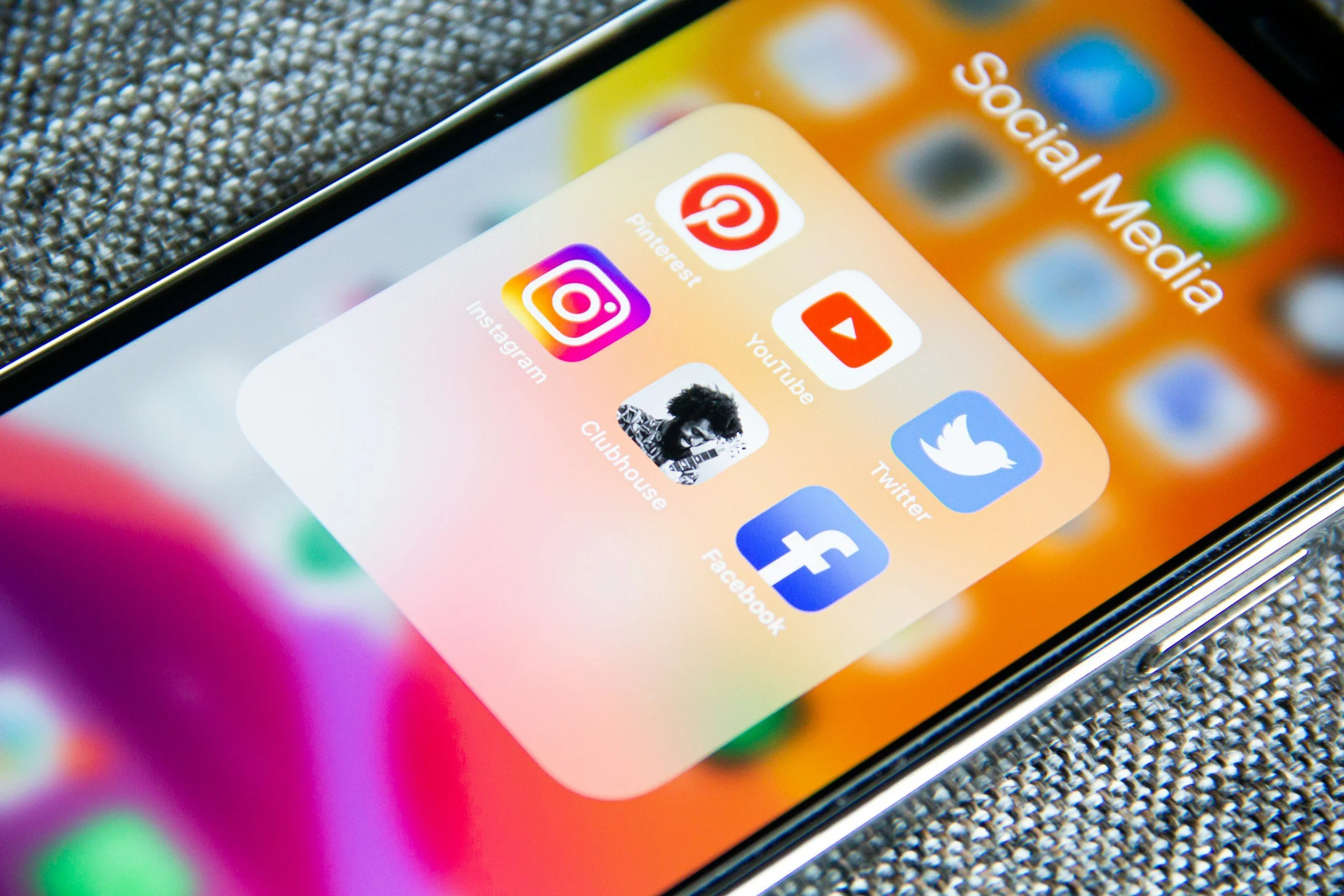
You spent hours creating that video. You scripted it, filmed it, edited it, added captions, picked the perfect thumbnail, and finally hit publish. For about two days, it got some traction. Maybe a few hundred views, some likes, a couple of comments. And then? Nothing. It just... stopped. Sound familiar?
This is the reality for most content creators, brands, and business owners posting on social media today. The platforms are brutal. Algorithms prioritize recency, and unless your content goes viral in that first window, it gets buried under an avalanche of new posts. But here's the thing: the content itself is not the problem. The strategy is. If you're tired of watching great content disappear, learn how Multipost Digital can keep it working for you.
The good news is that there is a straightforward fix. It does not require you to create more content. It does not require you to post ten times a day and burn yourself out completely. It requires you to think differently about where your content lives and how long it stays alive. Let's break this down.
The 48-Hour Cliff Is Real and It's Killing Your Growth
Every major social media platform operates on a recency-based algorithm to some degree. Instagram Reels, TikTok, Facebook, and YouTube Shorts all push your content to a small test audience first. If engagement is strong in those first 24 to 48 hours, the algorithm continues pushing it outward. If not, it essentially shelves it.
This means that a piece of content you spent two days making gets judged in two days. That is an insane return on investment, or rather, a terrible one. And for most creators posting on just one or two platforms, that two-day window is all they get. Once it passes, the content is dead weight.
The platforms designed it this way on purpose. They need you to keep feeding them new content constantly. That benefits them. It exhausts you. And it creates a cycle where you are always chasing the next post instead of maximizing the value of what you have already made.

Why Posting on One Platform Is Leaving Most of Your Audience Behind
Here is something most creators do not think about enough: your audience is not all in one place. Someone who watches TikTok religiously might never open Instagram. A Facebook user in their 40s might not have a TikTok account at all. A Reddit community might be dying to see your content but has no idea you exist because you have never posted there.
When you only post to one platform, you are not just limiting your reach. You are actively ignoring a massive portion of your potential audience. It is like opening a restaurant and only telling people who live on your street about it.
The numbers back this up. TikTok has over a billion active users. YouTube has over two billion. Facebook has nearly three billion. Instagram has over two billion. These audiences overlap, but they do not overlap entirely. Each platform has its own unique users, its own culture, and its own discovery mechanisms. Your content deserves to be seen by all of them.
Repurposing Is Not Lazy. It Is Smart Business.
There is a myth floating around in creator communities that repurposing content is somehow cheating or low-effort. That you should always be creating something brand new for every platform. That belief is costing people real growth and real money.
Repurposing is not about recycling garbage. It is about taking something that already works and giving it more opportunities to succeed. Think about it from a business perspective. If you wrote a report that your company spent weeks on, would you send it to one person and then delete it? Of course not. You would share it everywhere it was relevant.
Your video content works the same way. A YouTube video can become a TikTok clip. That TikTok clip can become an Instagram Reel. The audio can become a podcast snippet. A screenshot can become a Facebook post. A summary can become a Reddit discussion thread. One piece of content, distributed across seven platforms, multiplies your reach without multiplying your workload. See how Multipost Digital handles this entire process for you.
The Platforms Where Your Content Can Actually Live Longer
Not all platforms have the same content decay rate. Understanding which platforms give your content a longer shelf life is a huge strategic advantage.
YouTube is one of the best long-term content platforms in existence. Videos on YouTube can rank in search results for years. Someone can discover your video in 2027 that you posted in 2024 because they searched for a topic you covered. That is a completely different dynamic than TikTok or Instagram, where content essentially disappears after a few days.
Reddit is another underrated platform for long-term discovery. Posts in active subreddits can continue generating views and engagement for weeks if they resonate with the community. Reddit also drives significant Google search traffic, which means your content has the potential to reach people who are not even on social media at the moment they find it.
Rumble is growing quickly as an alternative video platform and tends to have less content saturation than YouTube, meaning your videos have a stronger chance of standing out. Facebook, while often dismissed by younger creators, still has an enormous and highly engaged user base, particularly among 35 to 65 year olds who have serious purchasing power.
Posting across all of these platforms means your content is not just surviving the 48-hour cliff. It is thriving long after that initial window closes.
The Time Problem and Why Most Creators Stay Stuck
Here is the real reason most creators do not post across multiple platforms: it feels overwhelming. Managing one platform is already a full-time job. Managing seven feels impossible.
You have to format content differently for each platform. Aspect ratios vary. Caption lengths vary. What works culturally on TikTok does not always land the same way on Facebook. And then there is the scheduling, the posting, the responding, the tracking. It piles up fast.
This is exactly why so many brands and creators stay stuck on one or two platforms even when they know they should be doing more. They want to grow, but the operational side of multi-platform posting feels like a wall they cannot get over on their own.
This is also why services built specifically around multi-platform content distribution exist. When someone else handles the formatting, scheduling, and posting across platforms like TikTok, YouTube, Instagram Reels, Facebook, Rumble, Reddit, and more, you stop leaving growth on the table without adding hours to your week.
What a Multi-Platform Strategy Actually Looks Like in Practice
Let's say you create one solid piece of video content per week. Maybe it is a tutorial, a behind-the-scenes look, a product showcase, or a story about your brand. Here is what a real multi-platform strategy does with that one video.
It posts the full version to YouTube with an optimized title and description. It clips the most engaging 30 to 60 second portion and posts it to TikTok, Instagram Reels, and Facebook Reels. It uploads the full version to Rumble as well. It creates a post on Facebook that links to the YouTube version with a short written teaser. It drops a discussion post in a relevant Reddit community to start a conversation around the topic.
That is seven touchpoints from one piece of content. Seven opportunities for different people on different platforms to discover you, follow you, and eventually buy from you or hire you. And all of that happens without you having to film anything extra.
Stop Creating More. Start Distributing Better.
The biggest mindset shift you can make as a content creator or brand is this: your problem is probably not that you need to create more content. Your problem is that the content you are already creating is not getting distributed widely enough to reach its full potential.
The 48-hour cliff is real. But it only destroys your content if you let it. When your content lives on seven platforms instead of one, the clock resets on each platform. Some of those platforms, like YouTube and Reddit, do not even have the same brutal time pressure. Your content keeps working, keeps getting discovered, and keeps building your audience even while you are sleeping.
The creators and brands that grow fastest are not necessarily the ones creating the most content. They are the ones making sure every piece of content they create gets maximum exposure across every platform where their audience might be waiting for them.
