
Seasonal Businesses Go Quiet for Three Months and Hand the Off-Season to Whoever Kept Posting
Every seasonal business has a stretch of the calendar it treats as dead. The landscaper packs it in once the leaves are down. The pool company goes dark in October. The ski shop forgets the internet exists from April through November. The wedding photographer stops posting the day the last fall booking wraps. They tell themselves nobody is looking, so why bother. Then spring comes, they fire the page back up, and they wonder why the reach feels like starting from zero.
It feels like zero because it basically is zero. An audience is not a savings account. It does not sit there earning interest while you ignore it. The accounts that own the off-season are not the ones with the best summer service. They are the ones that never stopped showing up, so when buying season hits, they are already the name people remember.
See how we keep your page alive year-round
The frustrating part is that the off-season is the easiest content window you will ever get. You are not slammed. You are not putting out fires. You have time to film, time to think, time to build a library. Most seasonal operators waste that window staring at the wall, then get buried under work the moment they actually need the leads. The timing is backwards, and fixing it is mostly about deciding to keep going.

The Quiet Months Are When Attention Is Cheapest
Think about who else in your category goes silent when you do. All of them. The whole field clears out at the same time, because everyone runs on the same calendar and everyone made the same lazy bet that off-season posting is pointless. That is not a problem. That is an opening.
When your competitors stop posting, the cost of attention drops. There are fewer people fighting for the same feed real estate, fewer videos chasing the same viewers, less noise drowning you out. The algorithm still needs to fill the feed. Somebody is getting served. If you are the only roofer making content in January, you are the roofer the platform serves, because you are the only one feeding it anything to show.
By the time everyone else wakes up in the spring, the slots are taken. You spent three months building familiarity while they were gone. They come back and start from scratch against an audience that already knows your face. The head start is not small. It is the whole race.
Familiarity Is the Thing You Are Actually Selling
People do not hire the best business. They hire the one they remember when the need shows up. The day a pipe bursts, nobody opens a spreadsheet and compares fourteen plumbers on quality of service. They call the name that is already in their head. Off-season posting is how you become that name before the need exists.
This is why going quiet costs more than it looks like it costs. Familiarity decays. If a viewer saw you every week last summer and then nothing for six months, you are not where you were. You faded. They followed three new accounts in the gap and forgot the one that stopped talking. You have to re-earn ground you already paid for once.
Staying visible through the slow months keeps you parked in the part of memory that matters. You are not selling in December. You are making sure that in May, when the buying decision finally lands, you are the obvious answer and not a name they have to be reminded exists.
Off-Season Content Writes Itself If You Let It
The objection is always the same. There is nothing to post about when business is slow. That is a content problem, and content problems are the easy kind to solve. You do not need new jobs to make good content. You need a slightly different lens on the work you already did.
Behind-the-scenes of how you prep for the busy season. Maintenance tips for whatever your customers own during the gap. Answers to the questions you got asked a hundred times last year. Stories from past jobs you never filmed because you were too busy doing them. Planning content that helps people get ready for the season ahead. None of this requires a single new client. It requires looking at the slow months as filming time instead of dead time.
You also have something in the off-season you never have when you are busy, which is room to repurpose. One good filming day in the quiet months can be cut into a dozen pieces. A single walkthrough becomes a short, a how-to, a tip clip, a question answered, a teaser for the season ahead. The slow months are when you finally have the hours to squeeze every drop out of one idea instead of burning through ideas you never gave a second life.
Distribution Is Where the Off-Season Is Won or Lost
Here is the part most seasonal operators get wrong even when they do decide to post. They make one video, drop it on one platform, watch it get forty views, and conclude that off-season content does not work. It works. Their distribution does not. One post on one app in the quietest stretch of the year is barely a signal. You need surface area.
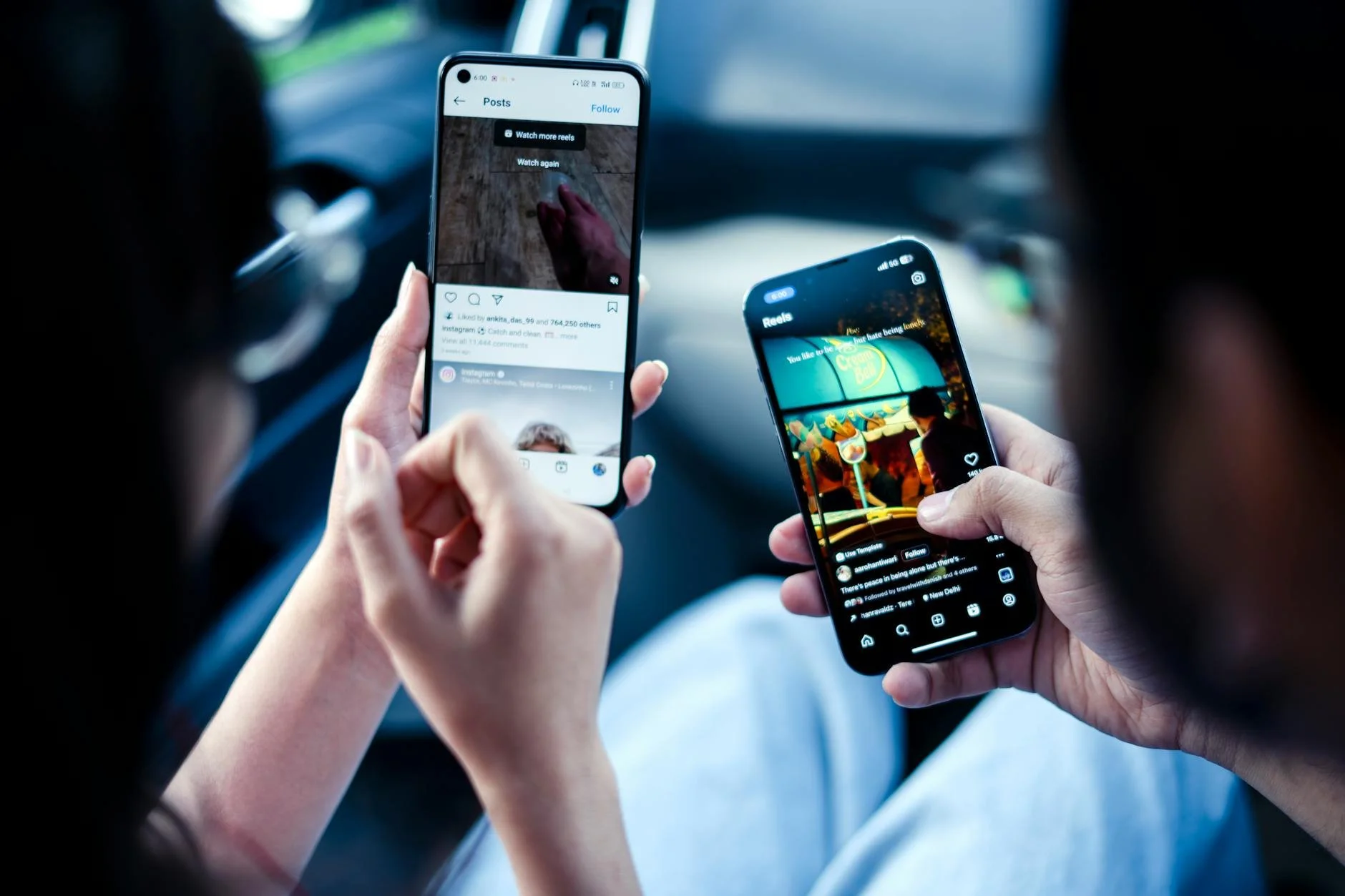
The same clip you filmed in the slow months should be hitting every platform where your customers spend their time, not just the one you happen to like. Your future customers are scattered. Some live on TikTok, some on YouTube, some are scrolling Facebook, some are deep in a Reddit thread asking the exact question your video answers. Posting in one place means the other audiences never even get the chance to find you. In the off-season, when every view is harder to come by, leaving those placements empty is the most expensive mistake on the list.
Get one piece of content onto every platform that matters
This is the math that separates the accounts that own the slow season from the ones that vanish in it. Six placements from one filming session means six shots at being found while the field is empty. Five can flop. The one that hits carries you straight into buying season with momentum your competitors do not have, because they were not posting at all.
The Hand-Off That Makes Year-Round Posting Survivable
Staying visible through the slow months sounds like more work, and that is exactly why most businesses quit. Nobody wants to film and edit and then log into seven different apps to post the same thing seven times, especially when revenue is low and motivation is lower. The friction kills the habit. The habit dying is what hands the off-season to someone else.
This is the piece we built our whole service around. You hand off one piece of content and it goes out across 7+ platforms for you. TikTok, YouTube, Instagram Reels, Facebook, Rumble, and Reddit, all of it, without your team ever touching an upload screen. You film once. We turn that single piece into full coverage everywhere your customers actually are. The off-season posting that used to feel like a second job becomes a hand-off you barely notice, which is the only way a year-round presence actually survives contact with a slow, low-energy season.
That is the difference between knowing you should post in the off-season and actually doing it. Good intentions die under friction. Remove the friction and the consistency takes care of itself. You keep filming, the coverage stays full, and the page never goes dark while the rest of your category disappears.

What Spring Looks Like When You Never Went Quiet
Picture two businesses on the first warm weekend of the new season. One spent the winter dark and is now blasting posts into a feed that forgot they existed, fighting cold reach, paying full price for attention they used to have for free. The other never stopped. Their audience grew through the quiet months. Their best off-season clips are still pulling in views and leads. They walk into the busy season warm, known, and already booking while the competition is still trying to remind people they are alive.
That gap did not open up in the spring. It opened over three months of one business posting and the other one hiding. The off-season is not downtime. It is the part of the year where the next season is quietly decided, and it gets handed to whoever had the patience to keep showing up when nobody was forcing them to.
You do not need a bigger budget or a busier calendar to win that stretch. You need to keep posting when everyone else stops, and you need a way to make that consistency cost you almost nothing in time. That combination is the whole edge. The businesses that figure it out stop dreading the slow season and start treating it as the run-up that sets the rest of the year.
Start owning your off-season instead of disappearing through it
